Why is my pee neon yellow: Common Causes, Warning Signs, and When to See a Doctor

Bright or neon yellow urine is often linked to vitamin supplements, especially riboflavin (vitamin B2). Dehydration can make urine look darker, stronger-smelling, and more concentrated.
Key Takeaways
- Bright or neon yellow urine is often linked to vitamin supplements, especially riboflavin (vitamin B2).
- Dehydration can make urine look darker, stronger-smelling, and more concentrated.
- Food dyes, some medicines, and hydration habits can temporarily change urine color.
- Pain, fever, blood in the urine, or symptoms that do not improve are warning signs that need medical advice.
- A doctor may use a urine test and review of medicines, supplements, and symptoms to find the cause.
Neon yellow urine is usually not a sign of a serious problem. In many cases, it happens after taking B vitamins or when urine becomes more concentrated from not drinking enough fluids, though persistent changes or other symptoms should be checked by a doctor.
Overview: what neon yellow urine usually means
If someone wonders, why is my pee neon yellow, the most common explanation is harmless: vitamins, especially B-complex supplements, can make urine look unusually bright. Another frequent reason is concentrated urine from not drinking enough fluids, which can intensify the yellow color.
Urine normally ranges from pale straw color to deeper yellow. That color mainly comes from a natural pigment called urochrome, and the shade changes depending on hydration, diet, supplements, and certain medicines. A bright yellow color by itself often does not mean illness.
What matters most is the full picture. If the color change appears after starting a multivitamin, energy drink, or supplement, that is often the clue. If neon yellow urine comes with pain, fever, burning, nausea, swelling, or lasts despite good hydration, it deserves medical attention.
How urine gets its color
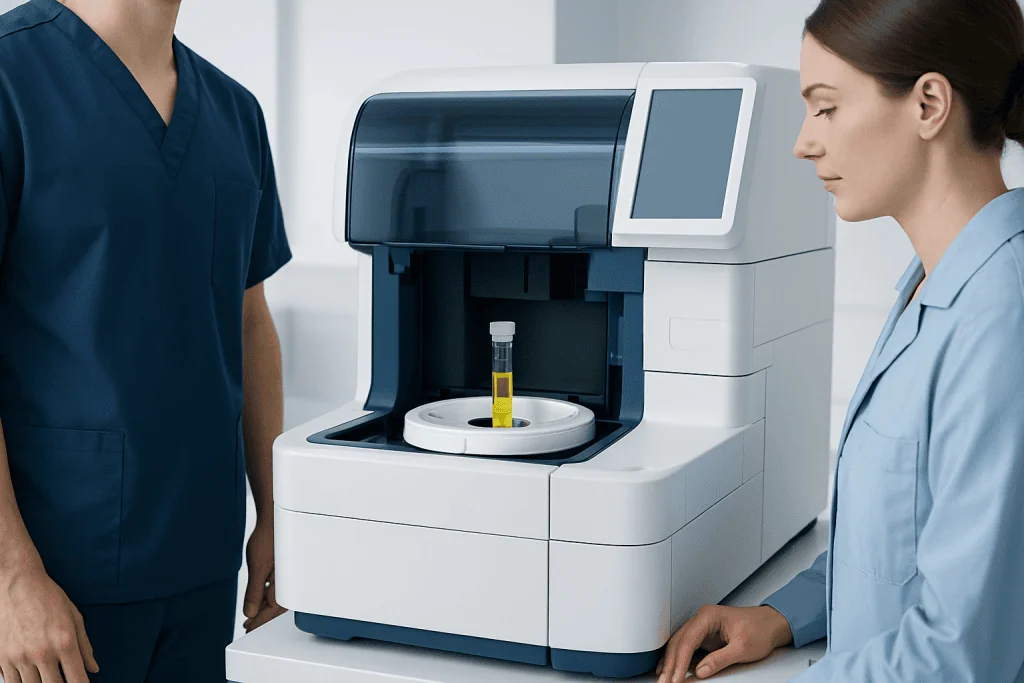
Urine color is influenced by how much water the body is holding onto and how much waste it is excreting. When someone is well hydrated, urine is usually pale yellow. When the body needs to conserve water, urine becomes more concentrated, which makes the yellow color look stronger.
Some compounds are especially noticeable when they leave the body in urine. Riboflavin, also called vitamin B2, is a classic example. Because it is water-soluble, extra amounts are excreted in urine and can create a vivid yellow or almost fluorescent appearance.
Temporary urine color changes are common and often reflect daily habits rather than disease. Still, urine that is bright yellow for a long time, changes in other unusual ways, or appears alongside urinary symptoms may need assessment for problems involving the kidneys, bladder, or urinary tract, such as urologic conditions.
Common causes of neon yellow urine

The most common cause is vitamins. Multivitamins, prenatal vitamins, B-complex tablets, sports supplements, and fortified drinks may contain high amounts of riboflavin. This often makes urine look bright yellow or neon, sometimes within hours of taking the product.
Dehydration is another frequent cause. When fluid intake is low, after heavy exercise, during hot weather, or with vomiting or diarrhea, urine becomes more concentrated. It may look dark yellow, smell stronger than usual, and be passed less often.
Food and drinks can also play a role. Artificial colorings, some energy drinks, and heavily fortified foods may alter urine color temporarily. Certain medicines can change urine appearance too, although medication-related changes vary and are not always neon yellow specifically.
Less often, what seems like neon yellow may reflect a mix of concentration, lighting, and recent intake rather than one clear cause. If there is uncertainty, it helps to review recent supplements, hydration, and any new medication before assuming the color signals disease.
When bright yellow urine may be a warning sign
Bright yellow urine alone is often benign, but associated symptoms can change the meaning. Burning with urination, pelvic pain, lower abdominal discomfort, urgency, or needing to urinate much more often may suggest a urinary infection or irritation. In these cases, urine color is only one part of the symptom pattern.
Some signs should not be ignored. These include blood in the urine, fever, chills, back or side pain, vomiting, confusion, swelling, or very little urine output. These symptoms may point to more serious dehydration, infection, or a problem affecting the kidneys.
People should also pay attention if the urine color remains unusual despite drinking enough water and stopping unnecessary supplements for a short time, if advised by a clinician. Persistent changes may lead a doctor to evaluate the urinary system more closely, sometimes with tests used in a urology check-up or urine testing.
How doctors evaluate neon yellow urine
Medical evaluation usually begins with a simple history. A doctor may ask when the color changed, whether it happens all day or only after vitamins, how much fluid the person drinks, and whether there are symptoms such as pain, burning, fever, or visible blood. A list of current medicines and supplements is especially important.
A urine test is often the first step. It can check concentration, signs of dehydration, sugar, protein, blood, or evidence of infection. Depending on symptoms, additional blood tests may be used to assess kidney function, hydration status, or other health concerns.
If there are signs of a structural urinary problem, recurrent infections, stones, or blockage, imaging may be considered. In selected cases, specialists may use tests such as urinary system ultrasonography to look at the kidneys and bladder. The exact work-up depends on the person’s symptoms, age, and medical history.
What can help at home
If the person feels otherwise well, simple steps are often enough. Drinking adequate fluids throughout the day may dilute concentrated urine and return it to a paler yellow. The goal is steady hydration rather than forcing excessive water intake at once.
It can also help to review labels on multivitamins, energy drinks, workout supplements, and fortified beverages. If a bright yellow color started after a new vitamin, that may explain it. Supplements should not be stopped if they were prescribed for a medical reason without first checking with a healthcare professional.
Keeping track of symptoms is useful. If the urine color fades with hydration and there is no pain, fever, or urinary discomfort, urgent care is usually not needed. If the change keeps returning or there are repeated urinary symptoms, a clinician may look for causes such as kidney stones or other urinary conditions.
- Drink fluids regularly, especially in heat or after exercise.
- Notice whether the color change follows vitamins or fortified drinks.
- Seek guidance before changing prescribed medicines or supplements.
- Monitor for pain, burning, fever, or blood in the urine.
When to seek medical care
Medical advice is recommended if neon yellow urine lasts for more than a few days without a clear reason, does not improve with hydration, or keeps coming back with other urinary symptoms. Care is also appropriate for anyone who is pregnant, older, immunocompromised, or has kidney disease and notices a new urine change.
Urgent evaluation is important if there is blood in the urine, severe pain in the back or side, fever, shaking chills, vomiting, dehydration that prevents normal drinking, or very little urine output. These symptoms can signal conditions that should be assessed promptly.
For international patients who need further assessment, Acibadem International’s multidisciplinary specialists and JCI-accredited hospitals evaluate urinary symptoms and related conditions with individualized care. The aim is to identify whether the color change is a harmless effect of vitamins and hydration or part of a treatable urinary problem.
Frequently asked questions
Is neon yellow urine usually dangerous?
Usually, no. Neon yellow urine is often caused by vitamin supplements, especially B vitamins, or by concentrated urine when someone is not drinking enough fluids. It becomes more concerning when it happens with pain, fever, blood in the urine, or other new symptoms.
Which vitamin most often makes urine bright yellow?
Riboflavin, also called vitamin B2, is the most common reason. It is water-soluble, so extra amounts leave the body in urine and can create a bright yellow or fluorescent look. This effect is common after multivitamins, B-complex products, and some energy drinks.
Can dehydration make urine look neon yellow?
Dehydration usually makes urine darker and more concentrated, which can make yellow tones appear stronger. Some people describe this as neon or unusually bright yellow. If hydration improves and the color lightens, dehydration was likely part of the reason.
How long should bright yellow urine last after taking vitamins?
It may appear within a few hours of taking the supplement and can last through the same day or into the next urination cycles. The exact timing varies by product, dose, and hydration level. If the color persists even after stopping unnecessary supplements and drinking enough water, medical advice may help.
Should someone stop taking vitamins if their urine turns neon yellow?
Not necessarily. Bright yellow urine can be a normal effect of certain vitamins, but any supplement taken for a diagnosed deficiency, pregnancy, or another medical reason should not be stopped without asking a doctor. If there are side effects or uncertainty about the product, a clinician or pharmacist can review it.
What urine colors are more concerning than bright yellow?
Red or pink urine may suggest blood or certain foods or medicines, while brown, cola-colored, cloudy, or very dark urine can have several medical causes. Clear urine all the time may reflect very high fluid intake in some cases. Any unusual color with pain, fever, swelling, or reduced urine output should be checked.
References
- National Institute of Diabetes and Digestive and Kidney Diseases
- Mayo Clinic
- MedlinePlus
- National Health Service
- Cleveland Clinic
This article is for general information only and is not a substitute for professional medical advice. Please consult a qualified doctor about your individual situation.
Explore treatments in Turkey — costs, top hospitals & a free quote
JCI-accredited · board-certified surgeons · reply within 24h
Add us as a Preferred Source to see more of our trusted health content across Google Search, AI Overviews and Discover.

More from the Health Library



Related Specialists

Asst. Prof. Dr. Deniz Demircioğlu
Dermatology
Esra Er
Physical Medicine & Rehabilitation
Assoc. Prof. Dr. Selçuk Görmez
Cardiology
Prof. Dr. Selda Özçirpici
Physical Medicine & Rehabilitation