How Much Does a Gum Graft Cost in Turkey? 2026 Prices vs USA, UK & Germany

Published market ranges suggest gum graft treatment in Turkey may cost less than in several Western countries, but personal quotes vary. The type of graft, number of treated areas, surgeon experience, and clinic standards are major price factors.
Key Takeaways
- Published market ranges suggest gum graft treatment in Turkey may cost less than in several Western countries, but personal quotes vary.
- The type of graft, number of treated areas, surgeon experience, and clinic standards are major price factors.
- A lower advertised fee does not always mean better value; what is included in the package matters.
- JCI accreditation, sterilization standards, diagnostics, and follow-up support are important when comparing providers.
- Anyone with gum recession, root sensitivity, or bleeding gums should seek a dental assessment rather than relying on price alone.
Gum graft cost Turkey is commonly lower than in the USA, UK, and Germany when looking at published market ranges, but there is no single fixed price for every patient. The final quote depends on the type of graft, how many teeth need treatment, the condition of the gums, and what is included in the care plan.
Overview: How much does a gum graft cost in Turkey?
Gum graft cost Turkey is typically presented as an indicative market range rather than one universal fee. In published international comparisons, Turkey is often positioned as a lower-cost option than the USA, UK, and Germany for patients seeking treatment for exposed roots or receding gums, but the final cost can only be confirmed after a dental examination, treatment planning, and a personal quote.
A gum graft is a periodontal procedure used to cover exposed tooth roots, protect teeth, reduce sensitivity, and improve gum contours. Some patients need treatment in just one area, while others have recession affecting several teeth. That difference alone can change the overall price significantly.
For safety and accuracy, it is best to think in terms of ranges rather than exact advertised figures. Costs can also differ depending on whether the plan involves tissue taken from the patient’s own palate, donor material, microsurgical techniques, sedation, or additional periodontal treatment before the graft is placed.
Indicative 2026 price ranges: Turkey vs USA, UK and Germany
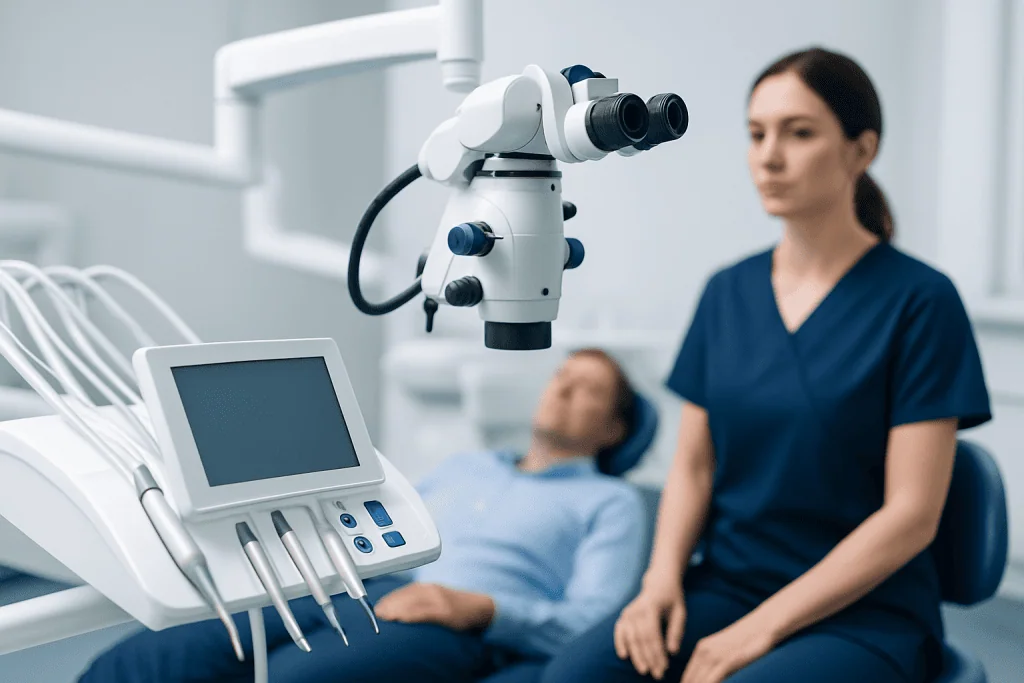
The table below shows broad published market ranges that patients may see in 2026 planning research. These are not fixed clinic fees, and they should not be treated as a personal medical quote. Final pricing depends on consultation findings, the treatment technique, and what services are bundled into the plan.
Because clinics and healthcare systems describe gum graft fees differently, comparisons are approximate. Some list prices per tooth or per site, while others quote by quadrant, by procedure, or as part of a broader periodontal package.
| Country | Indicative published market range | Approximate difference vs Turkey |
|---|---|---|
| Turkey | Lower published market range; often quoted as a few hundred to low-thousand USD-equivalent depending on extent | Baseline |
| USA | Commonly higher; often several times Turkey’s published range | Roughly 50% to 75% lower in Turkey |
| UK | Commonly higher than Turkey in private care settings | Roughly 35% to 65% lower in Turkey |
| Germany | Often higher than Turkey, depending on provider and complexity | Roughly 30% to 60% lower in Turkey |
These percentages are only broad planning estimates based on public market comparisons, not guaranteed savings. Exchange rates, the number of treated teeth, diagnostic costs, and aftercare arrangements can all affect the real difference in total spending.
What a gum graft package may include

When patients compare gum graft cost Turkey offers, the package details matter as much as the headline number. A lower advertised price may not include diagnostics, specialist assessment, medication, or follow-up visits, while a higher quote may cover a more complete care pathway.
A treatment package may include:
- Specialist consultation and oral examination
- Digital imaging or periodontal assessment
- The gum graft procedure itself
- Local anesthesia and basic surgical materials
- Short-term medications or prescriptions
- One or more follow-up visits
- Written aftercare instructions
Some providers may also coordinate airport transfers, translation support, or travel assistance for international patients, but these services are not universal. Patients should ask for a written breakdown of what is included, what is optional, and what might create extra charges if more extensive disease is found.
Where gum recession is linked to broader periodontal problems, treatment may involve care for gum disease before or alongside grafting. In some cases, patients may also be evaluated within a wider dental treatment plan if there are additional oral health needs.
What makes the price go up or down?
The biggest driver of cost is the complexity of the case. A small area of recession affecting one tooth is usually less resource-intensive than multiple sites with thin gum tissue, inflammation, or deep root exposure. The clinician’s assessment determines how much tissue coverage is needed and which technique is most suitable.
Type of graft also matters. Common approaches include connective tissue grafts, free gingival grafts, and the use of donor or biomaterial substitutes in selected cases. Each option has different material costs, surgical steps, healing profiles, and time requirements.
Other factors that can influence pricing include:
- Number of teeth or sites treated
- Need for scaling, root planing, or other periodontal therapy first
- Whether sedation is requested or clinically advised
- Surgeon training and periodontal expertise
- Use of magnification or microsurgical techniques
- Hospital or clinic setting and accreditation standards
- Length and structure of post-procedure follow-up
Patients should also keep in mind that the least expensive quote is not always the most cost-effective in the long term. A careful diagnosis, appropriate technique, and reliable follow-up can be just as important as the initial fee.
Quality, accreditation and safety considerations
Price should never be the only factor in choosing where to have a gum graft. This is a surgical periodontal procedure, so provider standards, infection control, imaging quality, case selection, and aftercare protocols are all important. Patients benefit from asking whether the procedure is performed by a periodontist or an experienced dental surgeon and what support is available if concerns arise after treatment.
For international patients, accreditation can provide an extra layer of reassurance. JCI-accredited hospitals and well-regulated dental services generally follow structured quality and patient safety processes. Even so, accreditation should be considered alongside the clinician’s experience, the transparency of the treatment plan, and the completeness of the written quote.
It is also sensible to ask practical questions before traveling. These may include how many days to stay after surgery, whether a pre-existing infection must be treated first, how pain and bleeding are managed, and what to do if healing is slower than expected once back home.
Near the end of the planning process, some international patients choose evaluation in a multidisciplinary setting. Acibadem International’s specialists in JCI-accredited hospitals diagnose and treat dental and periodontal conditions for international patients, with treatment plans based on clinical examination rather than advertised package promises.
Diagnosis and treatment planning before a quote
A reliable gum graft quote starts with diagnosis, not marketing. The dentist or periodontist examines the extent of gum recession, tooth sensitivity, plaque control, bite forces, and signs of active inflammation. They may also look for brushing trauma, thin gum tissue, tooth position, or clenching habits that could affect both treatment choice and long-term results.
Clinical photographs, periodontal charting, and dental imaging may be used to plan treatment. If the recession is mild and stable, the clinician may discuss monitoring or non-surgical gum care first. If roots are exposed, sensitivity is significant, or there is a risk of further tissue loss, surgical coverage may be recommended.
In some cases, gum grafting is part of a broader restorative or implant-related plan. Depending on the patient’s needs, clinicians may discuss related services such as dental implant treatment or correction of bite and alignment factors through orthodontic treatment. Not every patient needs these services, but they can influence the overall budget when recession is part of a more complex dental picture.
For this reason, a personal consultation is essential. It allows the patient to receive a tailored explanation of the technique, expected healing, likely number of visits, and a written cost estimate based on the actual condition of the gums.
Recovery, self-care and when to seek medical care
Recovery after a gum graft usually involves a short healing period with careful oral hygiene and diet adjustments. Patients are often advised to avoid brushing the treated site directly for a period, follow the surgeon’s cleaning instructions, and choose softer foods while the graft stabilizes. Good aftercare helps protect the graft and reduce irritation.
Long-term self-care is also important for value as well as oral health. Gentle brushing technique, regular dental reviews, control of gum inflammation, and management of grinding or clenching can help prevent recession from progressing again. If the original cause is not addressed, even well-performed treatment may be put under stress over time.
Medical or dental review should be sought promptly if there is increasing swelling, persistent bleeding, fever, severe pain not settling as expected, a bad taste or discharge, or concern that the graft is not healing properly. Patients should also arrange a professional evaluation if they notice new gum recession, exposed roots, or ongoing sensitivity, even if they are mainly comparing prices and have not yet chosen where to be treated.
Anyone considering treatment abroad should make sure they understand who to contact after the procedure, whether remote follow-up is available, and how any urgent concerns would be handled after returning home.
Frequently asked questions
Is gum graft cost in Turkey always cheaper than in the USA or UK?
It is often lower in published market comparisons, but not every case will be cheaper in the same way. The true comparison depends on the graft technique, number of treated teeth, diagnostics, aftercare, travel costs, and what is included in the quote.
Why can two gum graft quotes be very different?
Quotes can vary because one patient may need a small single-site graft while another needs treatment in several areas with more complex periodontal care. Costs also differ based on the clinician's expertise, the type of graft material, imaging, sedation, and follow-up arrangements.
Does a low advertised price include everything?
Not always. Some advertised figures may cover only the procedure itself, while others include consultation, imaging, medications, and follow-up. A written itemized quote is the safest way to understand the total expected cost.
How long should someone stay in Turkey for a gum graft?
The required stay depends on the treatment plan and the provider's follow-up routine. Many patients need time for consultation, the procedure, and at least one review visit, so this should be confirmed before travel.
Can gum recession be treated without a graft?
In some mild or stable cases, the dentist may recommend monitoring, hygiene changes, treatment of inflammation, or correction of brushing technique first. However, if roots are exposed, sensitivity is significant, or the tissue is at risk, a graft may be the most appropriate option.
What should patients ask before accepting a quote?
They should ask what type of graft is planned, how many areas will be treated, what the quote includes, what could add to the cost, and what follow-up is provided. It is also reasonable to ask who performs the surgery, what accreditation standards apply, and how concerns are managed after treatment.
References
- American Academy of Periodontology
- National Health Service
- British Society of Periodontology and Implant Dentistry
- German Society of Periodontology
- Joint Commission International
This article is for general information only and is not a substitute for professional medical advice. Please consult a qualified doctor about your individual situation.
Hair transplant in Turkey — costs, graft counts & a free assessment
JCI-accredited · board-certified surgeons · reply within 24h
Add us as a Preferred Source to see more of our trusted health content across Google Search, AI Overviews and Discover.