

How to Stay Comfortable During a Multi-Day Hospital Stay in Turkey

Multi-day hospital stay in Turkey can feel easier with the right plan: pack smart, set routines, use interpreter support, and prepare for recovery in Istanbul.
A multi-day hospital stay in Turkey is usually much easier when you plan for comfort, communication, rest, and practical daily needs before you arrive. This guide helps you organize what to bring, how to settle in, and how to use available support so you can focus on your recovery.
At a glance
- Best for: International patients preparing for a stay of several nights
- Main goal: Staying comfortable, organized, and supported during treatment
- Helpful support: Interpreter, patient services, and companion planning
- What to prepare: Documents, personal essentials, chargers, routines, and discharge items
- Where this applies: Hospital stays in Turkey, including Istanbul
- Key reminder: Ask your care team before bringing medicines, supplements, or special devices
What comfort really means during a hospital stay
When you are preparing for a multi-day hospital stay in Turkey, comfort is not only about pillows, clothing, or what you pack in your bag. It also means knowing what will happen each day, understanding who to ask for help, keeping your personal items within reach, and having simple routines that make the hospital environment feel more manageable.
For many international patients, the most tiring part of a longer stay is not just treatment itself, but the combination of travel, new surroundings, language differences, disrupted sleep, and uncertainty. A little planning can make a big difference. If you know how your room setup works, how to contact nursing staff, when meals usually arrive, and what support is available for you and your companion, you are likely to feel calmer and more in control.
At Acibadem International hospitals, international patient services can often help with the practical side of your stay, such as interpretation, coordination, and guidance for companions. That kind of support is especially useful when you are tired after treatment and do not want to manage every small detail on your own.
What to pack for a more comfortable stay
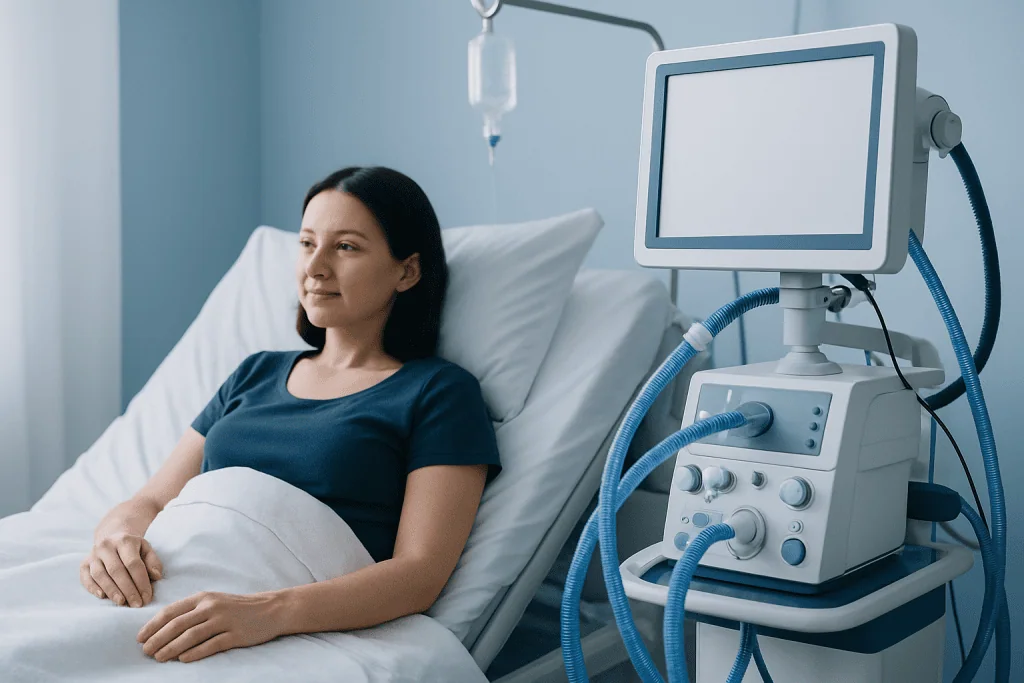
Your hospital bag should focus on comfort, convenience, and safety. Bring only the essentials you know you will use, because too many items can make your room feel cluttered and make it harder to keep track of your belongings. Soft front-opening clothing, non-slip slippers, basic toiletries, lip balm, tissues, glasses, and a phone charger with a long cable are often among the most useful items.
It also helps to pack for your routines rather than for every possible scenario. Think about what helps you feel settled at home: perhaps earplugs, a sleep mask, a light moisturizer, a small notebook, or a familiar scarf or wrap. Small personal comforts can make a clinical environment feel less stressful without getting in the way of your care.
Keep your passport, medical records, insurance documents if relevant, medication list, and emergency contact details together in one easy-to-reach folder. If you normally take medicines, vitamins, or supplements, do not use them during your stay unless your hospital team has approved them. Bring them in original packaging so your doctors and nurses can review them safely.
- Comfortable loose clothing or pajamas approved for hospital use
- Non-slip slippers or supportive indoor footwear
- Phone, charger, and plug adapter if needed
- Glasses, hearing aids, dentures, or other daily-use aids with storage cases
- Toiletries in travel sizes
- A written list of your medications, allergies, and key contacts
Settling into your room and daily routine

Once you arrive in your room, take a few minutes to get oriented before you become tired. Ask where your call button is, how to adjust the bed, where you can safely keep your phone and personal items, and what the expected daily schedule may look like. Knowing these basics early can prevent unnecessary stress later, especially during the night or after a procedure.
Try to create a simple routine around rest, hydration if allowed, communication with your care team, and short periods of gentle movement if your doctors recommend it. Hospital days can easily blur together, so structure helps. You may want to keep a note on your phone or a small notebook with questions, medication times, visiting times, and any symptoms you want to mention to your nurse or doctor.
If you are staying at Acibadem International, you can also ask the international patient team how best to coordinate updates, interpretation support, and practical requests. This can be particularly helpful if your companion is staying nearby rather than inside the hospital, or if you prefer important explanations to be repeated in your own language.
Sleep, meals, and energy management
Sleep in hospital is often lighter and more interrupted than sleep at home. Noise, checks from staff, treatment schedules, and anxiety can all affect rest. Instead of expecting perfect sleep, focus on making rest easier: lower your screen use before trying to sleep, keep earplugs or a sleep mask nearby if allowed, ask for help adjusting your room temperature or lighting, and try to rest whenever there is a quieter window in your day.
Meals are another important part of comfort. If you have dietary restrictions, food allergies, or strong preferences linked to your culture or religion, mention them as early as possible. Your care team can only plan appropriately if they know your needs. If your appetite is low, smaller portions taken slowly may feel easier than trying to eat full meals at once, but always follow the nutrition guidance given for your treatment.
Energy management matters just as much as sleep and food. You do not need to reply to every message immediately or update everyone back home all day long. Choose one trusted contact person who can update others for you. Saving your energy for recovery, conversation with your doctors, and essential decisions is often one of the best things you can do during a longer stay.
Communication, privacy, and asking for help
If you are receiving care in another country, clear communication is one of the biggest comfort factors. Never worry about asking for repetition, simpler explanations, or an interpreter. It is better to ask the same question twice than to feel unsure about your medicines, movement limits, test schedule, or discharge plan.
Many international patients also wonder how much they should speak up about pain, discomfort, nausea, anxiety, or trouble sleeping. The answer is: early and clearly. Your team can support you better when they know how you are feeling. Do not wait until a small issue becomes exhausting. Even practical concerns, such as being cold, having trouble reaching your belongings, or not understanding how to use the nurse call system, are worth mentioning.
At JCI-accredited Acibadem International hospitals, care is organized with patient safety and coordination in mind, and international services can help bridge communication gaps. You can also ask how privacy is handled, when visitors may come, and whether your companion can help with non-clinical comfort needs such as organizing your phone, toiletries, or clothing.
Planning for your companion, discharge, and the days after
Comfort during a multi-day hospital stay in Turkey also depends on what happens outside your room. If a family member or friend is traveling with you, make a practical plan for where they will stay, how they will travel to and from the hospital, and how they will receive updates. A well-prepared companion can be reassuring; an exhausted or uncertain companion may add stress for both of you.
It is also wise to start thinking about discharge before the final day arrives. Ask what signs the team will look for before sending you back to your hotel or apartment, what mobility support you may need, whether you will need help with luggage, and when your follow-up appointment is likely to happen. If you expect to continue resting in Istanbul or elsewhere in Turkey, make sure your accommodation is suitable for recovery, with easy access to lifts, bathrooms, meals, and transport.
Acibadem International teams often help international patients with practical coordination around discharge, transport, and follow-up planning. Even so, you should still keep your own checklist: prescriptions, written aftercare instructions, emergency contact numbers, approved activity level, wound or dressing guidance if applicable, and the exact date and location of your next review.
Step by step
- Prepare one hospital bag and one recovery bag. Pack a small bag for the hospital room and keep a separate recovery bag for the hotel or apartment. This makes it easier to find what you need during the stay without unpacking everything you brought to Turkey.
- Review your medicines before admission. Bring a complete list of your medicines, supplements, allergies, and regular health conditions. Show any medicines you brought from home to your hospital team and only take them if your doctors approve them during your stay.
- Set up your communication support early. If you prefer to communicate in your own language, arrange interpreter support as soon as possible. Save the key contact numbers for the international patient team, your companion, and the hospital desk in your phone before admission.
- Create a simple daily comfort routine. Try to repeat a few calming habits each day, such as washing your face, changing into clean clothes, noting questions for your doctor, and resting during quiet periods. Familiar structure can make the hospital feel less overwhelming.
- Speak up about discomfort quickly. Tell your nurse or doctor early if you have pain, nausea, chills, poor sleep, anxiety, or practical problems in the room. Small issues are usually easier to manage when addressed promptly.
- Start discharge planning before the last day. Ask in advance what you will need when you leave the hospital, including transport, prescriptions, mobility help, and follow-up arrangements. This reduces last-minute pressure and helps your return to accommodation feel smoother.
Your checklist
- Passport and hospital documents in one folder
- Medication list, allergy list, and emergency contact details
- Loose clothing, underwear, and non-slip slippers
- Phone charger, power bank if useful, and plug adapter
- Glasses, hearing aids, dentures, or other personal aids with cases
- Travel-size toiletries, lip balm, tissues, and moisturizer
- Questions for your doctor written down in advance
- Discharge transport and companion plan confirmed
Key takeaways
- Comfort during a hospital stay depends on planning, communication, and routine as much as what you pack.
- Keep documents, medication information, and daily essentials easy to reach and well organized.
- Use interpreter and international patient support services if language or logistics feel stressful.
- Tell your care team about pain, poor sleep, nausea, or practical room issues as soon as they appear.
- Begin discharge planning early so your return to accommodation and follow-up feel straightforward.
Frequently asked questions
What should I pack for a multi-day hospital stay in Turkey?
Pack light but thoughtfully: comfortable clothing, non-slip slippers, toiletries, chargers, glasses or hearing aids, and your key documents. Bring a full medication list and any regular medicines in original packaging, but only take them after the hospital team reviews them.
Can a family member or companion help me during my hospital stay?
In many cases, a companion can provide practical and emotional support, although hospital policies may vary depending on your treatment area and condition. It is best to confirm visiting rules, overnight arrangements, and how your companion can receive updates before or soon after admission.
How can I manage language differences in hospital?
Ask for interpreter support early, especially for admission, doctor consultations, and discharge instructions. At Acibadem International, international patient services can help coordinate communication so you feel more confident about what is happening and what is expected from you.
What if I cannot sleep well in hospital?
Interrupted sleep is common during a hospital stay, so focus on improving rest rather than expecting a perfect night. If allowed, use simple aids such as earplugs or a sleep mask, reduce screen time before bed, and tell your nurse if pain, anxiety, noise, or room temperature is affecting you.
When should I start asking about discharge?
Start early, ideally a day or more before you expect to leave, or as soon as your team can discuss the likely plan. Ask about prescriptions, mobility, wound care if relevant, transport, follow-up visits, and when it is safe to travel back to your accommodation or onward.
Is it okay to bring my own food, supplements, or herbal products?
Do not eat or take anything extra without checking first, especially after procedures or when you are on hospital medication. Even common supplements or herbal products can affect treatment, recovery, or test results, so your doctors should know exactly what you have with you.
How can I stay organized if I feel tired after treatment?
Keep everything simple: one folder for documents, one small pouch for daily essentials, and one note on your phone for questions and instructions. If possible, ask your companion or the international patient team to help you track practical details such as appointments, belongings, and discharge timing.
Add us as a Preferred Source to see more of our trusted health content across Google Search, AI Overviews and Discover.

More Patient Guides

After General Anesthesia in Turkey: Recovery Room, Nausea, and Going Back to Your Room
After general anesthesia in Turkey, you usually recover in a monitored room first, then return to your hospital room when you are…
8 min read
What Happens If You Need Extra Tests After Arriving in Turkey
Extra tests after arriving in Turkey can be normal. They help confirm your plan, timing, and safety before treatment in Istanbul or…
9 min read
Day Surgery in Turkey: What International Patients Should Expect
Day surgery in Turkey usually means same-day discharge after checks, recovery and instructions. Here is what international patients should expect in Istanbul.
9 min read