

How to Budget for Extra Nights in Turkey if Recovery Takes Longer

Budget for extra nights in Turkey by planning flexible hotel, flight, food, and transport costs before treatment in Istanbul or beyond.
If your recovery takes longer than expected, a few extra nights in Turkey can affect your budget more than the treatment itself. This guide helps you plan calmly for accommodation, meals, transport, companion costs, and payment logistics so you can focus on getting well.
At a glance
- Best for: Patients planning a financial buffer for a longer recovery stay in Turkey
- Main extra costs: Hotel or apartment nights, meals, local transport, flight changes, companion expenses
- Smart buffer: Plan a separate contingency fund rather than relying only on your treatment quote
- Most useful timing: Before you book flights and accommodation
- Helpful support: International patient teams can guide hotel, transfer, and practical stay planning
Why extra recovery nights matter to your budget
When you plan medical travel, it is natural to focus mainly on the treatment quote. In practice, many patients find that the biggest surprise is not the procedure itself but the day-to-day cost of staying a little longer than expected. Even a short extension of three to seven nights can add accommodation, meals, transfers, companion costs, laundry, pharmacy items, and flight change fees.
That does not mean you should expect a problem. It simply means recovery timelines can vary from person to person, and your doctor may advise a longer local stay so you can attend follow-up checks or avoid flying too soon. Building this possibility into your budget helps you make calmer decisions later, without feeling rushed.
If you are travelling to Istanbul or another Turkish city for care, it is worth separating your medical costs from your living costs. Your treatment estimate may cover hospital services, but your extra recovery nights usually fall into a different budget category. Planning for both from the beginning gives you a more realistic picture of your total trip cost.
Which costs usually increase if you stay longer
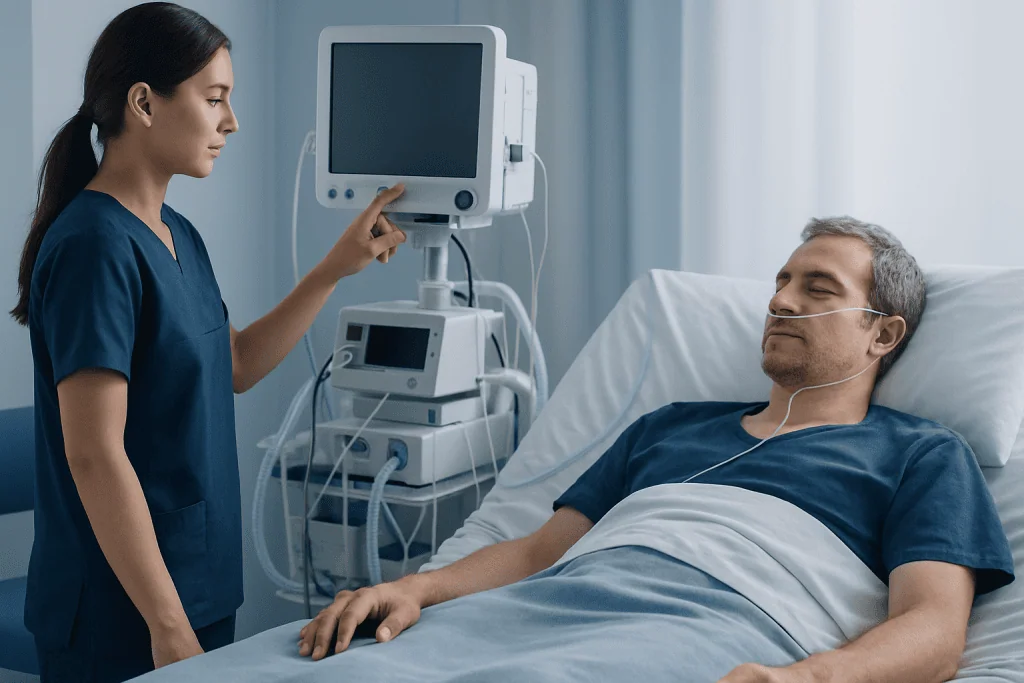
The most obvious extra cost is accommodation. If you book a hotel for a fixed number of nights and then need to extend, the added nights may be charged at a different rate than your original booking. If your companion is staying with you, room type and meal arrangements can affect the final amount.
Food and transport also add up quickly. You may need simple meals delivered to your room, taxis to follow-up appointments, or a private transfer if you do not feel ready for public transport. If mobility is limited, convenience often matters more than finding the lowest daily price.
There can also be smaller but important practical costs:
- Airline change or rebooking fees
- Additional travel insurance days, if your policy allows extension
- Extra medication or basic pharmacy supplies
- Laundry, phone data, or eSIM top-ups
- Companion meals and local transport
- Airport transfer changes for a new departure date
Looking at these items in advance makes your budget more accurate. It also helps you avoid using funds meant for medication, return travel, or emergencies.
How much contingency to build into your plan

A practical way to budget for extra nights in Turkey is to create a separate contingency fund rather than adding a vague amount to your main travel budget. Think in daily terms: one extra day of room cost, meals, transport, and incidental spending, then multiply that by the number of days you want to buffer for. Many patients feel more comfortable planning for at least a few additional nights, even if they never need them.
Your ideal buffer depends on the type of treatment, your mobility after treatment, whether you are travelling alone, and how flexible your flight is. If you know your recovery may involve rest, dressings, follow-up checks, or temporary movement limitations, it is wise to budget more generously for convenience and comfort rather than the bare minimum.
Try dividing your contingency into three parts: accommodation reserve, travel change reserve, and daily living reserve. This makes it easier to track what the money is for and reduces the temptation to spend it before your return date is confirmed.
If you are coordinating your treatment through Acibadem International, ask the international patient services team which non-medical items are commonly overlooked by international patients. They can often help you think through realistic stay logistics, including proximity to the hospital, transfer planning, and whether your companion should budget for the same length of stay as you.
Booking choices that protect your budget
The easiest money-saving decision is often flexibility, not the lowest headline price. A non-refundable hotel or a restrictive airfare may look cheaper at first, but it can become expensive if your doctor recommends that you stay longer. Whenever possible, compare room rates and flight options not only by price but by extension and change conditions.
For accommodation, consider asking about the cost of additional nights before you arrive. It is reassuring to know whether the same room can usually be extended, whether breakfast is included, and whether there are quieter room options if you expect to spend more time resting. A hotel or residence close to the hospital may cost slightly more per night but reduce taxi spending and physical strain.
For flights, review change rules carefully. Some tickets allow date changes with a fare difference, while others can be difficult to modify. If you are travelling after treatment, a flexible return can be worth considering simply for peace of mind. Keep all booking emails easy to access so you or your companion can act quickly if plans change.
Acibadem International supports many patients who need help with practical arrangements around treatment. Its international patient teams can often help you coordinate accommodation and transfers in a way that suits your medical schedule, which can make unexpected extra nights easier to manage.
How to handle payment logistics while you are still recovering
Longer stays are easier to manage when your payment methods are organised before you travel. Bring at least two ways to pay, such as a primary card and a backup card, and check your daily transaction limits in advance. If your bank blocks unusual overseas spending, a simple security hold can create unnecessary stress when you are tired and focused on recovery.
It is also sensible to keep some of your funds separate from your regular spending money. For example, you may hold your contingency amount in a dedicated account, prepaid travel card, or reserve card that you use only if your stay extends. That way, your medical and return-travel essentials are less likely to be mixed with daily purchases.
Before travelling, ask your accommodation about accepted payment methods, extension payment timing, and whether taxes or service charges are billed separately. If someone at home may need to assist you, make sure they know your booking references and understand how to transfer funds quickly if needed.
At JCI-accredited Acibadem hospitals, international patients also benefit from structured support teams who can help them understand the practical flow of appointments and discharge planning. While your non-medical living costs remain your responsibility, knowing the likely follow-up schedule can help you decide whether to release or keep your accommodation buffer.
When to ask for help and what to ask
If recovery is taking longer than expected, do not wait until the last minute to review your budget. As soon as there is a possibility of a longer stay, ask your care team whether your follow-up timing, mobility, or fitness to fly could change your departure date. Early clarity helps you avoid urgent and usually more expensive travel decisions.
You can also ask practical, non-clinical questions that make a big difference to comfort and costs. For example: Will you need to remain close to the hospital? Will you likely need a companion to assist you? Are stairs, long walks, or public transport likely to be difficult for a few more days? The answers help you choose the right accommodation and transport level.
If you are with Acibadem International, the international patient services team can be a useful point of contact for interpreters, transfer arrangements, and local guidance while you recover. This kind of support does not remove the need for budgeting, but it can help you avoid rushed decisions and choose practical options that fit your condition.
The goal is simple: protect your health first, and build enough financial flexibility around it so that an extra few nights in Turkey feel manageable rather than overwhelming.
Step by step
- Estimate your daily extended-stay cost. Add together one extra night of accommodation, meals, local transport, and small personal expenses. Then create a realistic daily figure for both you and your companion, if someone is travelling with you.
- Set a separate contingency fund. Keep money aside specifically for extra recovery nights rather than blending it into your main holiday or treatment budget. A separate reserve helps you protect essentials like medication, follow-up visits, and your return flight.
- Choose flexible bookings where possible. Before confirming your hotel and return flight, review extension and change policies carefully. Slightly more flexible options can be easier and sometimes cheaper overall if your recovery timeline shifts.
- Confirm practical support before arrival. Ask your hospital or international patient coordinator about likely follow-up timing, transfer options, and nearby accommodation. This helps you decide whether paying more for a closer, simpler stay may save money and stress later.
- Prepare your payment methods. Travel with at least two payment options and check card limits, app access, and international transaction settings. Make sure you can pay for extra nights or rebook transport even if one card does not work.
- Review your return date early if recovery changes. If your doctor suggests you may need to stay longer, start reviewing hotel and flight options immediately. Acting early usually gives you more choices and reduces the chance of paying last-minute rates.
Your checklist
- A contingency fund for at least a few extra nights
- Hotel extension policy confirmed in writing
- Return flight change rules checked before booking
- Two working payment methods for use in Turkey
- Companion costs included in the daily budget
- Airport transfer rebooking plan noted
- Key booking references saved on your phone and shared with a trusted person
- Basic pharmacy and personal comfort items budgeted
- International patient contact details easily accessible
Key takeaways
- The biggest extra costs after treatment are usually accommodation, meals, local transport, and flight changes.
- A separate contingency fund is more practical than a rough overall estimate.
- Flexible hotel and flight terms can protect your budget if recovery takes longer.
- Companion expenses should be included from the beginning, not treated as an afterthought.
- International patient support can help with logistics, but you should still plan your own non-medical buffer.
Frequently asked questions
How many extra nights should I budget for in Turkey after treatment?
There is no single number that fits everyone, because recovery depends on your treatment, your general health, and your doctor’s advice. A sensible approach is to plan a buffer for a few additional nights and increase that reserve if you expect limited mobility or several follow-up checks.
Will my treatment quote usually include extra hotel nights if recovery takes longer?
Often, no. Treatment quotes commonly focus on medical services, while additional accommodation, meals, transport, and flight changes may fall outside the package. Always ask which items are included and which practical living costs remain your responsibility.
Is it better to stay near the hospital even if it costs more?
In many cases, yes, especially just after treatment. A nearby hotel or residence can reduce taxi costs, travel time, and physical effort, which may be more valuable than a lower nightly rate farther away.
Should my companion budget for the same number of extra nights as me?
Usually, yes, if your companion is expected to remain with you until you are cleared to travel. Their accommodation, meals, and transport can significantly affect the total extended-stay budget, so it is best to plan for both of you together.
Can the hospital help if I need to stay longer in Turkey?
Hospitals and international patient teams can often help with practical coordination, such as appointment scheduling, local guidance, interpreters, and sometimes accommodation or transfer support. At Acibadem International, these services can make it easier to manage logistics, but you should still have your own financial buffer for non-medical expenses.
What is the most overlooked cost when patients extend their stay?
Flight changes are commonly underestimated, especially if the original ticket has strict conditions. Patients also often overlook companion meals, local transport to follow-up appointments, and small daily expenses that accumulate over several extra days.
Should I buy the cheapest non-refundable hotel to save money?
Not always. If there is any chance your recovery timeline could shift, the cheapest non-refundable option may become more expensive overall. Flexibility often gives better value than the lowest first price when you are travelling for treatment.
Add us as a Preferred Source to see more of our trusted health content across Google Search, AI Overviews and Discover.
More Patient Guides

How to Spot Hidden Costs in Medical Travel Quotes for Turkey
Medical travel quotes in Turkey can be compared safely by checking inclusions, exclusions, tests, hospital stay, medicines, travel and follow-up costs.
8 min read
Paying Medical Bills in Turkey: Cards, Bank Transfer, and Currency Tips
Paying medical bills in Turkey is usually possible by card or bank transfer; confirm your quote, currency and bank limits before travel.
8 min read
How to Compare Surgery Quotes from Turkey and Your Home Country
Compare surgery quotes from Turkey and your home country by checking what is included, safety standards, travel costs and follow-up care.
8 min read