

Follow-Up After Testicular Cancer: Why Marker Checks and Scans Continue for Years
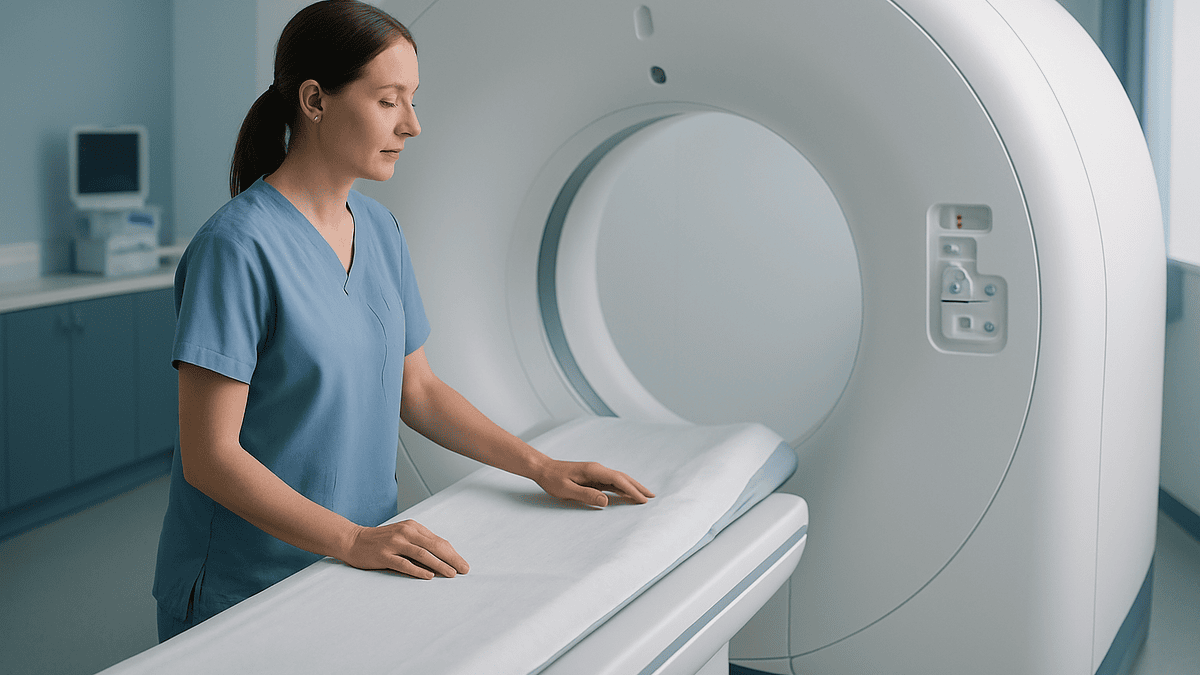
Key Takeaways
- Most testicular cancer relapses appear within the first two years after treatment, which is why visits are densest early and spread out later.
- Three blood markers guide follow-up: AFP, hCG and LDH, but pure seminoma and teratoma often produce none, so imaging carries more weight for those tumors.
- hCG clears from the blood in roughly a day or so and AFP over about five to seven days, timelines teams use to judge whether post-surgery levels are falling as expected.
- CT schedules have been deliberately trimmed over time to limit lifetime radiation exposure in young men without losing the ability to detect relapse.
- Relapse surveillance usually runs five years or longer, while monitoring for heart health, hormones and second cancers continues for life through routine preventive care.
- The remaining testicle carries a small increased risk of a new cancer, so regular self-examination and prompt reporting of any change remain worthwhile indefinitely.
After testicular cancer, follow-up typically continues for five years or longer because most relapses appear within the first two years but a small number occur later. A schedule usually combines physical exams, blood tests for tumor markers (AFP, hCG and LDH), chest imaging and periodic CT scans, with visits most frequent early and spacing out over time. The exact plan depends on tumor type, stage and treatment, and is set by the treating team.
The surgery is behind him. The scar has faded, the pathology report has been explained twice, and a man in his late twenties is standing in a clinic corridor holding a printout that stretches years into the future: blood tests, chest X-rays, CT scans, repeat. He has been told the outlook is good. What he has not quite absorbed is that being told the outlook is good comes with a calendar.
That calendar is the testicular cancer follow up schedule, and it puzzles people more than almost any other part of treatment. If the tumor is gone, why keep drawing blood? If the last scan was clear, why book another? The answers are not vague reassurance. They rest on how this particular cancer behaves, on what a few proteins in the bloodstream can reveal, and on a deliberate trade-off between catching problems early and exposing a young body to radiation it does not need.
This article walks through what those years of checks involve, why the intervals shrink and stretch the way they do, and which decisions belong to you and your care team together.
Why does follow-up after testicular cancer continue for years?
Testicular cancer has two features that shape everything about its aftercare. First, it is one of the most treatable solid tumors, even when it has spread, which is why finding a relapse early matters so much: there is usually something effective to do about it. Second, it tends to relapse in a predictable pattern and a predictable window. The National Cancer Institute notes that most recurrences after treatment for early-stage disease appear within the first two years, with a smaller number turning up later.
That pattern explains the shape of the schedule. Visits cluster tightly in the period of highest risk, then thin out as the years pass and the chance of relapse falls. Nobody is guessing at this; the intervals reflect decades of registry data on when and where the disease reappears.
Where it reappears is the other half of the logic. Testicular tumors drain first to lymph nodes deep in the back of the abdomen, a region called the retroperitoneum, and then toward the chest. Those areas are out of reach of a physical exam, so imaging fills the gap. At the same time, many testicular tumors release proteins into the blood that can be measured with a simple draw. A rising level can flag trouble before anything is large enough to see.
Put those pieces together and the long calendar starts to look less like anxiety and more like engineering. Each element covers a blind spot in the others. Blood tests are cheap on the body and sensitive for some tumor types but not all. Scans see what markers miss but carry a radiation cost. Exams and conversations pick up symptoms, side effects and the quieter problems, such as hormone changes, that no scan will show. The years-long structure is what lets the team keep watch without over-treating a person who is, in all likelihood, well.
What does a typical testicular cancer follow up schedule look like?
No two plans are identical, because the schedule is built around tumor type, stage, and whether the person had surgery alone or surgery followed by chemotherapy or radiation. Even so, the overall architecture is consistent across guideline groups, and the National Cancer Institute’s treatment summary describes the general rhythm: frequent checks in the first two years, moderate spacing through year five, and, for some groups, continued but infrequent contact beyond that.
The table below shows the kind of pattern people commonly encounter. Treat it as an illustration of the logic, not as your plan. Your own intervals may be tighter or looser, and your team may skip or add elements based on your pathology.
| Period after treatment | Typical visit frequency | Usual components |
|---|---|---|
| Year 1 | Every few months (often 2–4) | Exam, tumor markers, chest imaging; CT of abdomen and pelvis at set points |
| Year 2 | Every 3–6 months | Exam, markers; CT less often than year 1 |
| Years 3–5 | Every 6–12 months | Exam, markers; imaging only as the plan specifies |
| Beyond year 5 | Annually or as advised | Exam, symptom review, attention to late effects; imaging rarely |
Two things stand out. The workload is front-loaded, so the busiest stretch is also the stretch when people are still recovering emotionally from diagnosis. And the elements shift over time: early on, the goal is to catch relapse; later, the goal tilts toward monitoring the long-term consequences of treatment itself.
Ask for your plan in writing, with the reason behind each component. Most teams are glad to explain why a scan is scheduled at one point and not another, and understanding the rationale makes the calendar far easier to live with.
What do tumor markers after orchiectomy actually measure?
An orchiectomy is the operation to remove the affected testicle; it is both the main treatment and the source of the diagnosis. Tumor markers are substances, usually proteins, that certain cancers release into the blood in amounts higher than healthy tissue produces. In testicular cancer, three matter most.
Alpha-fetoprotein, or AFP, is a protein normally made by a developing fetus and present only in tiny amounts in adults. MedlinePlus explains that raised AFP in a man can point to certain testicular tumors, particularly non-seminoma types. Human chorionic gonadotropin, or hCG, is the hormone detected by pregnancy tests; some testicular tumors produce it. Lactate dehydrogenase, or LDH, is an enzyme found throughout the body that rises with rapid cell turnover; it is the least specific of the three and is read mainly for trend and bulk of disease.
Why keep measuring after the testicle is gone? Because a marker still elevated after surgery, once enough time has passed for it to clear, suggests cancer cells remain somewhere else. This is where a concept called half-life comes in: the time it takes for the blood level to fall by half. The National Cancer Institute describes hCG clearing over roughly a day or so and AFP over roughly five to seven days. Teams use those timelines to judge whether a post-operative level is falling as expected or stalling.
Not every tumor makes markers. Pure seminoma, the other main type, frequently produces none, or only a modest hCG. For those people, blood tests carry less weight and imaging carries more. This is one reason your schedule may look different from someone else’s even at the same stage.
A single reading rarely decides anything. Trends do. Minor fluctuations happen with lab variation, and a few unrelated conditions can nudge these values. Your team interprets markers alongside your history, your exam and your scans, and any change that concerns them will prompt a repeat test before a conclusion.
How does CT scan surveillance for testicular cancer balance detection and radiation?
A CT scan, short for computed tomography, uses a rotating X-ray beam to build cross-sectional images of the body. For testicular cancer, CT of the abdomen and pelvis is the standard way to look at the retroperitoneal lymph nodes, the place relapse most often begins. Chest imaging, by plain X-ray or CT depending on the plan, checks the next stop along the route.
The challenge is that CT involves ionizing radiation, and the people being scanned are typically young men who may live another fifty or sixty years. Guideline groups summarized by the National Cancer Institute have progressively reduced the number of scans in surveillance schedules for exactly this reason: cumulative exposure across many scans adds a small long-term risk, and the aim is to find relapse without adding avoidable harm.
That is why your plan may show fewer scans than an older relative’s did, or fewer than you expected. It is not corner-cutting. It reflects evidence that relapses in the retroperitoneum are usually caught just as effectively with scans placed at strategic intervals rather than every visit, especially when markers and exams fill the gaps between them.
Some teams use MRI, which uses magnetic fields rather than X-rays, for part of abdominal surveillance in selected cases. Whether that is appropriate for you depends on local expertise, image quality for your anatomy and the stage of your disease; it is a conversation to have with your team rather than a request to make on the basis of an article.
Practical points people appreciate knowing: many abdominal CTs involve drinking a contrast liquid and receiving an intravenous contrast injection, which briefly feels warm. Kidney function is often checked beforehand, since contrast is cleared by the kidneys. Tell the radiology staff about any previous contrast reactions, asthma or kidney problems. The scan itself is quick; the waiting for results is what most people find harder.
Who is followed most closely, and who is usually asked to wait before extra treatment?
Follow-up intensity is tailored to two questions: how likely is relapse, and how much treatment has already been given? The answers sort people into broad groups.
Men with stage I disease, meaning cancer confined to the testicle and removed by orchiectomy, are frequently offered active surveillance. Surveillance is a deliberate strategy of close monitoring in place of immediate further treatment. The NHS describes it as a standard option for early-stage disease, chosen because most of these men will never relapse and would gain nothing from chemotherapy or radiation they did not need. The price of that choice is a denser schedule of markers and scans, since the safety net has to be tight enough to catch the minority who do relapse while it is still limited.
Men who have had chemotherapy for more advanced disease sit in a different position. They have already received treatment aimed at any spread, so the early schedule focuses on confirming a complete response, watching any residual mass and tracking markers back to normal. Their later follow-up increasingly turns toward the late effects of treatment.
Who is asked to wait? In surveillance, the person waiting is essentially everyone: the whole point is to hold back additional treatment unless a relapse is proven. Waiting also applies after a single ambiguous result. A marker that ticks up slightly or a lymph node that looks a millimeter larger will often be rechecked in a few weeks rather than acted on immediately, because acting on noise leads to unnecessary treatment.
People sometimes assume more treatment up front would buy them a lighter schedule later. Adjuvant therapy, meaning treatment given after surgery to reduce relapse risk, does lower the chance of recurrence, but it carries its own side effects and does not remove the need for follow-up. The Mayo Clinic notes that decisions between surveillance and adjuvant treatment weigh relapse risk against treatment toxicity, and that weighing is individual. Your team will lay out the options; the choice is shared, not dictated by a chart.
What happens at a follow-up appointment, step by step?
Most visits follow a recognizable order, and knowing it takes some of the edge off. Blood is usually drawn first, sometimes a day or two before the appointment, so the marker results are available when you sit down with the clinician. If a scan is due, it is typically scheduled in the days beforehand for the same reason.
The conversation comes next, and it is not a formality. You will be asked about new symptoms: back pain, a cough or breathlessness, swelling, unexplained fatigue, changes in the remaining testicle. You will also be asked about things people often do not connect to cancer care, such as mood, sleep, sex drive, energy and any numbness or ringing in the ears if you had chemotherapy. These questions are how teams catch hormone changes and treatment effects that no blood test is ordered for by default.
The physical exam concentrates on the areas relapse is most likely to reach or reveal itself. Expect examination of the remaining testicle, the abdomen, the lymph nodes in the neck and above the collarbones, and sometimes the chest and breast tissue, since hCG-producing tumors can occasionally cause breast tenderness or enlargement.
Then the results review. A clinician will usually show you the marker trend over time rather than a single number, and will describe what the radiologist reported. If everything is stable, the visit ends with confirmation of the next date and any changes to the plan.
If something is uncertain, the most common next step is a repeat, not a treatment. A marker recheck in a couple of weeks or an earlier repeat scan lets the team distinguish real change from variation. The Cleveland Clinic’s overview of testicular cancer care emphasizes that surveillance findings are interpreted in context, and that a single result rarely drives a decision on its own.
Bring a list of questions. Bring a second person if you can. Ask for a copy of your marker values so you can watch the trend yourself.
What do the days before and after each check usually look like?
Follow-up has a rhythm that people rarely describe out loud but almost everyone recognizes. In the week before a visit, attention sharpens. A twinge in the back that would have gone unnoticed in month three becomes a question by month five. This heightened noticing is normal and, in a sense, useful, but it is worth naming so it does not masquerade as evidence.
The days around a scan have their own texture. If oral contrast is involved, you may be asked to fast for a few hours and to drink the preparation in the waiting area. Intravenous contrast can leave a metallic taste or a fleeting sensation of warmth. Most people are in and out of the scanner within an hour, and the radiology department usually reminds you to drink normally afterward to help clear the contrast.
Then comes the interval between test and result, often a few days. Clinics differ in how they release information; some post lab values to a patient portal before the appointment, others hold everything for the visit. Decide in advance which you prefer. Some people find seeing a normal marker value early lets them sleep; others find a value with no interpretation attached more stressful, not less. Tell your team which kind of person you are.
After a clear visit, most people describe a distinct drop in tension that lasts days to weeks, followed by a gradual return to ordinary life until the next date approaches. The pattern is common enough that oncology nurses often describe it unprompted. Johns Hopkins and other centers note that psychological support is a legitimate part of survivorship care, not an afterthought, and asking about it is not a sign that you are coping badly.
Over years, the cycle loosens. Visits spread out, the mental run-up shrinks, and the appointment eventually becomes one item on a calendar rather than the thing the calendar is organized around.
Does the testicular cancer follow up schedule differ for seminoma and non-seminoma?
Yes, and the difference comes down to biology. Testicular germ cell tumors, the type that accounts for the large majority of cases, fall into two groups. Seminoma grows more slowly, tends to stay in the lymph nodes longer before spreading further, and often produces no tumor markers or only a mild hCG rise. Non-seminoma, a category that includes several subtypes such as embryonal carcinoma, yolk sac tumor, choriocarcinoma and teratoma, grows faster, can spread earlier through the bloodstream, and frequently produces AFP or hCG. Mixed tumors containing both are managed as non-seminoma.
For non-seminoma, markers are a central surveillance tool. Because many of these tumors announce a relapse through rising AFP or hCG, blood tests can be scheduled often in the early period and may pick up recurrence before imaging does. The National Cancer Institute notes that relapse in surveillance-managed stage I non-seminoma tends to occur early, so the first two years are watched especially closely.
For seminoma, the blood test is a weaker sentinel. Relapse is more likely to show itself first as an enlarged lymph node in the retroperitoneum, which means imaging carries more of the load. Seminoma also relapses over a somewhat longer window than non-seminoma, which is one reason follow-up for seminoma may extend a bit further before the intervals lengthen.
Treatment history modifies both pictures. A man with non-seminoma who has had chemotherapy for spread to the lymph nodes will have a different early schedule from a man with stage I disease on surveillance. A man with seminoma treated with radiation to the abdominal nodes will have his follow-up shaped by both relapse risk and the long-term effects of that radiation.
The takeaway is not that one type is safer to ignore; neither is. It is that the tools shift in emphasis. When your team explains that your neighbor with the same diagnosis has more scans and fewer blood tests than you do, or the reverse, tumor type is usually the reason.
How long after testicular cancer are you monitored, and when does it end?
The honest answer has two parts, because monitoring for relapse and monitoring for treatment effects do not end at the same time.
Relapse surveillance, the part that involves markers and scans, is concentrated in the first five years. The NHS describes follow-up continuing for several years after treatment, and guideline patterns summarized by the National Cancer Institute run five years or longer, with the interval widening each year. By the end of that period, the chance of a first relapse is small, and the schedule usually drops to an annual visit or is handed to a primary care clinician with clear instructions about what to watch for.
Late relapse, defined as recurrence more than two years after completing treatment, does occur in a small minority, which is why some teams keep infrequent contact beyond year five, particularly for seminoma or for men who had more advanced disease. Late relapses can behave differently from early ones and are sometimes marked by a slowly rising AFP, so a yearly blood test many years out is not as arbitrary as it might seem.
The second kind of monitoring, for long-term effects of treatment, does not really have an end date. Men who received chemotherapy or radiation carry modestly increased lifetime risks of cardiovascular disease and second cancers, along with possible effects on kidneys, hearing, nerves and hormones. That care usually moves out of the oncology clinic and into general preventive medicine: blood pressure, cholesterol, blood sugar, weight and testosterone become the checks that continue for life.
People often ask whether they can be discharged early if everything looks fine. Teams are generally reluctant to shorten the relapse-surveillance window, because the schedule is already designed around when relapses happen and the later checks are infrequent. What can be negotiated is where the later checks occur and who performs them. Ask about a written survivorship care plan when you reach the transition, so whoever sees you next knows exactly what to look for.
What does a rising marker or a new spot on a scan actually mean?
Less than most people fear, at least at first. A surveillance finding is a signal to look harder, not a verdict.
Consider markers. AFP and hCG can rise for reasons other than testicular cancer. MedlinePlus notes that AFP is also raised by some liver conditions, including hepatitis and cirrhosis, and by certain other tumors. hCG assays can occasionally be affected by laboratory factors or, rarely, by other sources of the hormone. Recreational cannabis has been associated in some reports with mild hCG elevations, and low testosterone can prompt a small rise in a related pituitary hormone that a few assays partly cross-detect. None of this means a rising value should be waved away; it means the first response is almost always a repeat test, often at a shorter interval, to see whether the trend is real and sustained.
Scans have their own gray zones. Small lymph nodes exist normally, and radiology reports use size thresholds to decide what counts as enlarged. A node that sits near the threshold may simply be watched with an earlier repeat scan. After chemotherapy, a residual mass can consist of scar tissue, dead tumor or, in non-seminoma, teratoma, which does not produce markers and does not respond to chemotherapy but can grow. Distinguishing among these may involve repeat imaging, marker trends, and in some cases surgery to remove the mass and examine it.
If relapse is confirmed, the pathway is well mapped. The National Cancer Institute’s summary describes treatment for recurrent disease that depends on where it appears, what the markers show and what treatment was given before. Options may include chemotherapy, surgery to remove affected nodes, or radiation for certain seminoma relapses. Which is appropriate is a decision for your team with full information, and it is not something an article can or should predict.
What you can do in the uncertain interval is ask two questions: what specifically will you be looking for on the repeat, and what would each possible answer mean for the next step?
Which long-term effects does follow-up also watch for, including testosterone and fertility?
Once the risk of relapse fades, follow-up quietly changes jobs. Its second purpose is to catch the delayed consequences of treatment, and this is where survivorship care becomes lifelong preventive medicine.
Chemotherapy for testicular cancer is usually platinum-based, a class of drugs that works by damaging the DNA of rapidly dividing cells. The National Cancer Institute describes possible late effects that include reduced kidney function, hearing loss and ringing in the ears, tingling or numbness in the hands and feet, cold-sensitive fingers similar to Raynaud phenomenon, and, over decades, higher rates of cardiovascular disease and second cancers. Radiation to the abdominal lymph nodes carries its own long-term association with second cancers in the irradiated field. These risks are modest for any individual but real across populations, and they are the reason your team may ask about blood pressure and cholesterol at an oncology visit.
Hormones deserve a section of their own. The remaining testicle usually produces enough testosterone, but not always, and the risk of low testosterone, a condition called hypogonadism, rises after chemotherapy or radiation. Symptoms are nonspecific: fatigue, low mood, reduced sex drive, difficulty concentrating. Because these overlap with the ordinary strain of being a cancer patient, they are easy to attribute to stress. A morning blood test can measure testosterone, and if levels are low, replacement is a decision your prescribing clinician will weigh against your circumstances. Do not start any hormone product on your own.
Fertility is often discussed before treatment, when sperm banking may be offered, and it stays relevant afterward. Sperm production can fall after orchiectomy and further after chemotherapy, sometimes recovering over months to a few years and sometimes not. The Mayo Clinic notes that many men remain able to father children after treatment for testicular cancer, but the only way to know your own situation is a semen analysis, which your team can arrange.
Finally, the remaining testicle itself carries a small increased risk of developing a new cancer. The NHS advises regular self-examination after treatment; report any lump, hardness or change in size promptly rather than waiting for your next appointment.
What people often get wrong about follow-up after testicular cancer
Misunderstandings about the testicular cancer follow up schedule are common, and several of them cause real harm by leading people to skip visits or to panic unnecessarily.
Myth: a normal scan means the cancer is definitely gone. A normal scan means nothing is large enough to see. Microscopic disease can exist below the resolution of any imaging, which is precisely why surveillance continues and why markers are checked alongside scans rather than instead of them.
Myth: if markers are normal, scans are unnecessary. Many tumors, especially pure seminoma and teratoma, produce no markers at all. A relapse in those tumors can grow substantially with entirely normal blood tests. Imaging is not redundancy; it covers a genuine blind spot.
Myth: more scans are always safer. Each CT adds radiation exposure, and the schedules in current use have been trimmed on purpose, based on evidence that strategic timing catches relapse as well as frequent scanning does. Asking for extra scans for reassurance is understandable but not medically neutral.
Myth: a slightly high marker means relapse. Small elevations have several non-cancer causes, and lab variation alone produces some wobble. Trends over repeated tests are what carry meaning. Your team will nearly always repeat before acting.
Myth: feeling well means you can skip a visit. Early relapse in the retroperitoneum is usually silent. The whole design of surveillance rests on finding disease before it causes symptoms, so absence of symptoms is not information about absence of disease.
Myth: after five years you are finished with doctors. Relapse surveillance winds down, but monitoring for heart health, hormones and second cancers continues through ordinary preventive care for the rest of your life.
Myth: the other testicle is safe. It carries a small but real increased risk. Self-examination and prompt reporting of any change remain worthwhile indefinitely.
None of these corrections is meant to alarm. They are meant to make the schedule make sense, because a plan you understand is a plan you are far more likely to keep.
Questions to ask your care team
Follow-up works best as a collaboration, and good questions at the right moment can change how the years ahead feel. These are the ones experienced clinicians say they wish more people asked.
- What type and stage was my tumor, and did it produce markers before surgery? This single answer explains most of the shape of your schedule.
- Am I on surveillance alone, or was I given adjuvant treatment, and how does that change what you are watching for?
- Can I have my full follow-up plan in writing, with the reason for each blood test and scan and the approximate dates?
- Which imaging will I have, how often, and what is being done to keep my total radiation exposure as low as is reasonable?
- How will I receive results, and can I choose whether I see them before or during the appointment?
- If a marker rises or a scan shows something uncertain, what is the usual next step, and how quickly would it happen?
- What symptoms between visits should prompt a call rather than waiting for the next appointment?
- Should my testosterone be checked, and how often? What symptoms of low testosterone should I mention?
- Is a semen analysis appropriate for me, and when?
- What long-term effects of my particular treatment should I and my primary care clinician watch for over the coming decades?
- When surveillance eventually winds down, who takes over, and will there be a written survivorship summary they can follow?
- Is there psychological support or a peer group available for people in follow-up?
Write the answers down, or ask whether the visit can be summarized in a letter you can keep. People in follow-up often say the most useful thing they ever did was to carry a single page listing their tumor type, treatment dates, marker history and plan, so that any clinician they meet, in any setting, can see the whole story at a glance.
Every decision that arises from these questions, from imaging choices to hormone treatment to how surveillance is handed over, sits with your treating team. Your role is to make sure they have the information only you can provide, and that you understand the reasoning behind theirs.
When to call your doctor
Surveillance is designed to catch relapse before symptoms appear, but no schedule catches everything between visits, and some problems need attention sooner than the next date. Call your care team, rather than waiting, if you notice any of the following, and seek urgent care if a symptom is severe or rapidly worsening.
- A new lump, hardness, swelling or persistent ache in the remaining testicle or scrotum.
- Back pain, particularly deep, persistent pain in the lower back or flank that does not ease with rest, which can reflect enlarged retroperitoneal lymph nodes.
- A new cough that does not settle, breathlessness, chest pain or coughing up blood.
- A lump in the neck or above the collarbone, or new swelling in the abdomen or legs.
- Breast tenderness or enlargement, which can accompany hCG-producing tumors.
- Unexplained weight loss, persistent fatigue, night sweats or fever without an obvious cause.
- Severe headache, confusion, seizures or new weakness, which are rare but require emergency assessment.
- After chemotherapy or radiation, any chest pain, sudden breathlessness or symptoms suggesting a blood clot such as a painful swollen calf, which need same-day medical review.
- Mood changes, loss of sex drive or fatigue that persist for weeks, since these may reflect low testosterone and can be checked with a blood test.
Most of these symptoms will turn out to have ordinary explanations. Reporting them is not overreacting; it gives your team the chance to bring a test forward if they judge it necessary. The Cleveland Clinic and NHS both emphasize that people in follow-up should have a direct route to their oncology team for exactly this purpose. Keep that phone number where you can find it, and use it. The decision about whether a symptom changes your plan belongs to the clinicians who know your case, and they would far rather hear from you early than late.
Frequently asked questions
What are the most common testicular cancer recurrence symptoms?
Early relapse is often silent, which is why surveillance exists. When symptoms do occur, the most typical are persistent lower back or flank pain from enlarged abdominal lymph nodes, a cough or breathlessness from lung involvement, a lump in the neck, breast tenderness, or a change in the remaining testicle. Any of these should be reported to your team promptly rather than saved for the next visit.
Why are tumor markers after orchiectomy still checked if the testicle is gone?
Because markers come from cancer cells, not from the testicle itself. If AFP or hCG remains elevated after enough time has passed for the pre-surgery level to clear, it suggests cancer cells persist somewhere else, most often in the lymph nodes. Ongoing checks then act as an early warning system, since a rising trend can appear before anything is visible on a scan.
How long after testicular cancer are you monitored in total?
Relapse surveillance with markers and scans typically continues for five years or longer, with intervals widening each year, according to guideline patterns summarized by the National Cancer Institute and the NHS. Some teams maintain infrequent contact beyond that for seminoma or more advanced disease. Monitoring for late treatment effects, such as cardiovascular risk and hormone levels, continues for life through general preventive care.
How often is CT scan surveillance for testicular cancer done?
It depends on tumor type, stage and treatment, and schedules have become less frequent over time to reduce radiation exposure. Scans are most common in the first two years and placed at strategic intervals afterward rather than at every visit. Your team can show you exactly when scans fall in your plan and explain why they are spaced the way they are.
Can I skip a follow-up visit if I feel completely well?
Feeling well is not evidence of absence of disease, because early relapse in the abdominal lymph nodes usually causes no symptoms. The entire design of surveillance rests on detecting recurrence before it becomes symptomatic. If attending is difficult, tell your team; visits can often be rescheduled or blood tests arranged locally, which is far better than missing a check.
Does a slightly raised marker mean the cancer is back?
Not on its own. Small elevations can result from lab variation, liver conditions, low testosterone effects on related hormones, and other non-cancer causes. Clinicians read trends across repeated tests rather than single values, and the usual first response to an unexpected rise is a repeat test after a short interval. A sustained, clear upward trend is what prompts further investigation.
Will follow-up be different if I had chemotherapy rather than surgery alone?
Yes. After chemotherapy, early follow-up focuses on confirming complete response, tracking markers back to normal and assessing any residual mass, which may need surgery to determine what it contains. Later, more attention shifts to long-term effects such as kidney function, hearing, nerve symptoms, testosterone and cardiovascular risk. Surveillance-only patients have a denser early scan and marker schedule instead.
Should my testosterone be checked during follow-up?
Many teams check it, particularly after chemotherapy or radiation, because the risk of low testosterone rises with treatment. Symptoms such as fatigue, low mood and reduced sex drive are easy to attribute to stress, so a morning blood test is the reliable way to know. If levels are low, whether and how to treat is a decision for your prescribing clinician, not something to start on your own.
Do I still need to examine my remaining testicle?
Yes. The remaining testicle carries a small but real increased risk of developing a new cancer, and the NHS advises regular self-examination after treatment. Get to know its normal size and feel, check periodically, and report any lump, hardness, swelling or change to your team promptly. Your clinician will also examine it at each follow-up visit.
What happens when follow-up ends?
Relapse surveillance winds down to annual or occasional contact, and care usually transfers to a primary care clinician with a written survivorship summary listing your tumor type, treatments, marker history and what to watch for. Lifelong attention to blood pressure, cholesterol, blood sugar, hormones and any new symptoms then becomes part of ordinary preventive medicine rather than oncology visits.
References
- NHS: Testicular cancer, Treatment
- MedlinePlus: Alpha-Fetoprotein (AFP) Tumor Marker Test
- Cleveland Clinic: Testicular Cancer
This article is for general information only and is not a substitute for professional medical advice. Please consult a qualified doctor about your individual situation.

More from the Blog
Before Bladder Tumor Resection (TURBT): Urine Tests, Cystoscopy and Blood Thinner Review
Preparing for TURBT usually involves three checks: a urine test to rule out infection, a cystoscopy (camera look inside the bladder) to map the…

Why Does Cancer Treatment Sometimes Include a Neck Dissection? Lymph Node Spread Explained
Cancer treatment sometimes includes a neck dissection because many head and neck cancers spread first to the lymph nodes of the neck, and those…

Preparing for Therapeutic Apheresis: Hydration, a Light Meal and Your Vascular Access Plan
To prepare for plasmapheresis, drink normally the day before and the morning of the session, eat a light meal a few hours ahead rather…
Surgery or Radiotherapy First for Neck Cancer? How the Multidisciplinary Team Decides
There is no single right order. For neck and throat cancers the multidisciplinary team weighs where the tumor sits, how far it has spread,…

What Protons Change: How Proton Therapy Stops at the Tumor Instead of Passing Through
Proton therapy and photon radiation both treat cancer with high-energy beams, but they behave differently inside the body. Photon (X-ray) beams deposit dose along…

Infection Risk After a Stem Cell Transplant: Protective Isolation, Masks and When to Call
Infection risk after a stem cell transplant is highest in the first few weeks, when conditioning treatment has wiped out white blood cells and…