

How Do You Prepare for Head and Neck Cancer Surgery? Biopsy Review, Scans and Quitting Smoking
Key Takeaways
- Tobacco and alcohol account for at least 75 percent of head and neck cancers in the United States, and both also impair wound healing after surgery.
- Biopsy slides are usually re-read by a head and neck pathologist and, for throat tumors, tested for HPV, which is linked to about 70 percent of oropharyngeal cancers.
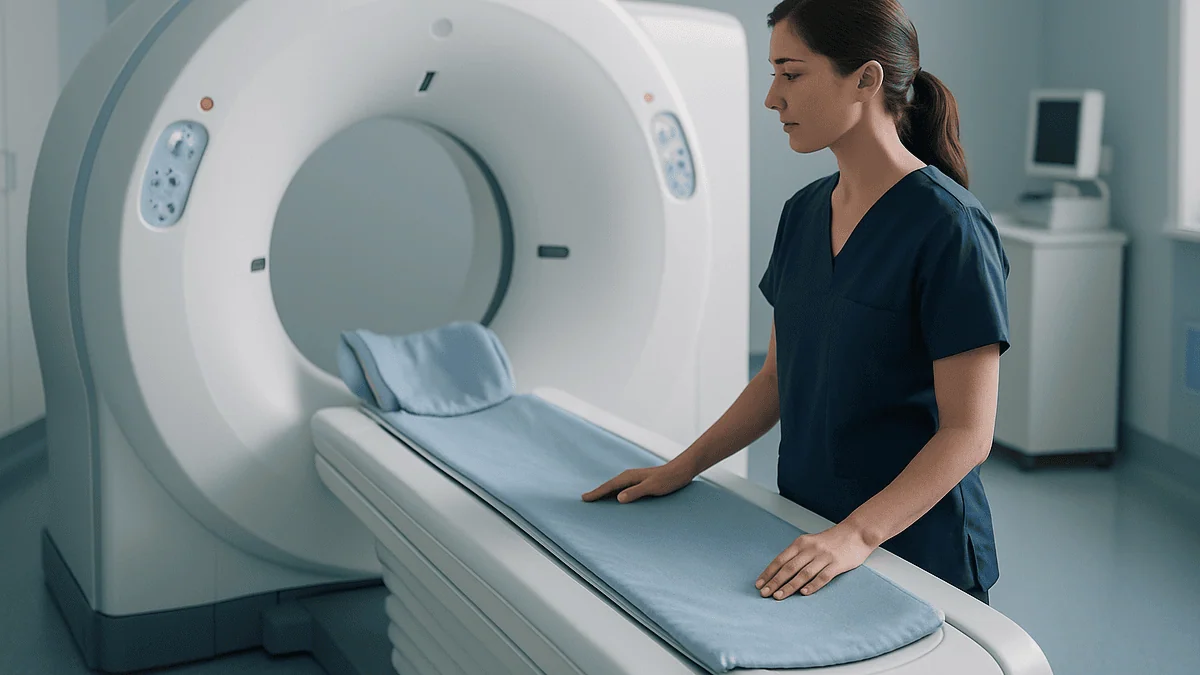
- CT shows bone and lymph nodes, MRI shows soft tissue and nerve spread, and PET-CT highlights metabolically active disease elsewhere; many patients need more than one.
- Carbon monoxide clears from the blood within about 48 hours of stopping smoking, but the vessel and airway benefits that protect flaps build over weeks.
- A dental check before treatment prevents later extractions from irradiated bone, which can trigger osteoradionecrosis.
- A planned tracheostomy or feeding tube is a temporary safety measure for the airway and nutrition, not a sign the operation went badly.
Preparing for head and neck cancer surgery usually means a second look at your biopsy by a specialist pathologist, staging scans such as CT, MRI or PET-CT, a pre-operative assessment of your heart, lungs and medicines, dental and swallowing checks, nutrition support, and stopping smoking and heavy drinking as early as possible. The exact steps depend on the tumor site and operation, and your surgical team sets the timeline.
The envelope from the clinic is thicker than expected. Inside: an appointment for a scan, a dental check, a phone number for a stop-smoking adviser, and a leaflet with a drawing of the neck that looks nothing like the one in the mirror. Somewhere in the middle of it all is a sentence about the operation itself, and the date for it is still blank.
That gap between diagnosis and surgery can feel like wasted time. It is the opposite. Preparing for head and neck cancer surgery is a busy stretch in which the team re-reads your tissue, maps the tumor, checks how the rest of your body will cope with anesthesia, and asks you to make a handful of changes that measurably affect healing.
This explainer walks through what each step is for, who is usually offered surgery first, what the days afterward tend to look like, and which myths are worth dropping before you arrive on the ward.
What preparing for head and neck cancer surgery actually involves
Head and neck cancers are tumors that begin in the mouth, throat, voice box, nose and sinuses, or salivary glands. They sit in a small space crowded with structures that let you eat, speak, breathe and swallow, so the surgical plan has to protect function while removing disease. Preparation is the work that makes that plan safe.
Most people move through a broadly similar sequence, even though the details differ by tumor site. A biopsy confirms the diagnosis and is checked again. Scans stage the cancer, meaning they show how large it is and whether it has reached lymph nodes or elsewhere. A multidisciplinary team, a group that includes surgeons, oncologists, radiologists, pathologists, dentists, speech and swallowing therapists and dietitians, reviews everything together and recommends a treatment path. Only then does the pre-operative assessment begin: blood tests, an anesthetic review, questions about your medicines, and often a dental examination.
Alongside the clinical steps sit the personal ones. Tobacco and alcohol are responsible for at least three-quarters of head and neck cancers in the United States, according to the National Cancer Institute, and both also slow wound healing and raise anesthetic risk. Stopping, or at least cutting down sharply, is one of the few parts of the process that rests entirely in your hands.
Timelines vary with urgency, scan availability and how much reconstruction is planned. Your surgical team will tell you what applies to you, and it is reasonable to ask them to sketch the order of events so the thick envelope makes sense.
Why head and neck cancer biopsy results are reviewed again before surgery
A biopsy is a small sample of tissue removed so a pathologist, a doctor who examines cells under a microscope, can confirm what the growth is. Many people assume that once the word cancer has been said, the pathology work is done. In practice, the slides are often reviewed a second time by a head and neck specialist pathologist before any operation is scheduled.

There are practical reasons for this. The subtype matters: most cancers in this region are squamous cell carcinomas, which arise from the flat lining cells of the mouth and throat, but salivary gland tumors and other rarer types behave differently and may call for a different operation. The grade, a description of how abnormal the cells look, feeds into decisions about how wide the surgical margin should be and whether radiation is likely to follow.
For cancers of the oropharynx, the part of the throat behind the mouth, the tissue is usually tested for human papillomavirus. The National Cancer Institute reports that HPV is linked to roughly 70 percent of oropharyngeal cancers in the United States. HPV-positive tumors tend to respond differently to treatment, which can change the conversation about surgery versus other options.
Sometimes the review leads to a repeat biopsy, or to a panendoscopy, an examination of the throat and voice box under anesthesia that lets the surgeon see and sample the whole area. Neither means something has gone wrong. It means the team wants the fullest picture before committing to an operation that cannot be undone.
Which scans come before the operation, and what each one is looking for
Imaging answers three questions: how deep does the tumor go, has it reached the lymph nodes in the neck, and has it spread anywhere else? Different scans answer different parts of that puzzle, so it is common to have more than one.
A CT scan uses X-rays from many angles to build cross-sectional pictures. It is good at showing bone, which matters when a tumor sits close to the jaw or the skull base, and it maps the neck nodes clearly. An MRI scan uses magnetic fields rather than radiation and gives sharper detail of soft tissue, which helps when the surgeon needs to know whether a tumor has crept along a nerve or into the tongue muscles. A PET-CT combines a CT with an injection of a mildly radioactive sugar; because cancer cells take up sugar more avidly than most healthy tissue, it can highlight disease that other scans miss, including in distant organs.
A chest X-ray or chest CT is often added because the same tobacco exposure that drives many head and neck cancers also affects the lungs, and the anesthetist wants to know how well they are working.
The scans do more than stage the cancer. Surgeons use them to plan the incision, judge how much tissue will need replacing, and decide whether a tracheostomy, a temporary breathing opening in the front of the neck, is likely. If a free flap is planned, meaning tissue with its own blood supply is moved from the forearm, thigh or leg to rebuild the mouth or throat, the donor site may be scanned too.
Results are discussed at the multidisciplinary meeting, and you should be told what they showed in plain terms.
Who is usually offered surgery first, and who is asked to wait
Surgery is one of three main tools for head and neck cancer, alongside radiation therapy and drug treatment, and the team chooses among them based on where the tumor is, how far it has spread, and what you can safely tolerate. The NHS describes surgery as the usual first step for many mouth cancers, while some throat and voice box cancers are treated with radiation first to preserve speech and swallowing.

People are commonly offered an operation early when the tumor is accessible, when removing it is likely to leave workable function, and when they are fit enough for anesthesia that may last several hours. Early-stage cancers of the lip, tongue, floor of mouth and salivary glands often fall into this group.
Others are asked to wait, and the reasons are rarely about doubt. Someone with uncontrolled diabetes, a recent heart event, or very poor nutrition may be given a few weeks of optimization first, because operating on a body that cannot heal is riskier than a short delay. Some larger tumors are shrunk with chemotherapy or radiation before surgery. A person who is still smoking heavily may be encouraged to use the waiting time to stop.
Surgery may not be recommended at all when the tumor wraps around vital blood vessels or when removing it would leave someone unable to swallow or speak with no realistic reconstruction. In those situations radiation, drug therapy or a combination usually becomes the primary treatment.
None of these judgments is fixed. Fitness can improve, tumors can respond, and the plan is revisited. The decision sits with your treating team, made with you, and it is fair to ask why a particular sequence has been recommended.
Quitting smoking before surgery: what changes in your body and how soon
Ask surgeons what single thing they wish every patient did before a head and neck operation, and most will say stop smoking. The reasons are mechanical, not moral.
Nicotine narrows small blood vessels, and carbon monoxide from smoke binds to red blood cells in place of oxygen. A freshly stitched wound, or a flap of tissue moved from the arm to the mouth, depends on tiny vessels delivering oxygen to knit together. Starve them and edges break down, flaps fail more often, and infections take hold. Smoke also irritates the airway, so people who smoke cough more after anesthesia, which pulls on neck incisions and raises the chance of chest infection.
Some of the benefit arrives fast. The NHS notes that carbon monoxide is cleared from the blood within about 48 hours of stopping, and breathing becomes easier over the following days as the lungs begin to clear mucus. Longer-term gains such as improved lung function build over weeks, which is why teams push for the earliest possible quit date rather than a token pause the night before.
Stopping abruptly is hard, and it is reasonable to ask for help. Nicotine replacement products deliver nicotine without smoke and without carbon monoxide; prescription medicines that reduce cravings work through brain receptors involved in reward. Whether any of these is suitable before your operation, and how they fit with anesthesia, is a decision for the prescribing clinician, so raise it at the pre-operative assessment rather than deciding alone.
Vaping and smokeless tobacco are not substitutes the team will wave through either; nicotine from any source still constricts vessels. Be honest about what you use. The question is asked to keep you safe, not to judge.
Alcohol, nutrition and the prehabilitation weeks
Prehabilitation is the term for getting fitter before an operation so that recovery starts from a higher baseline. For head and neck cancer, three areas matter most: alcohol, weight, and strength.
Heavy drinking affects surgery in ways that are easy to underestimate. It thins the blood slightly, interferes with liver processing of anesthetic drugs, weakens the immune response to infection, and, if someone drinks daily, can trigger withdrawal symptoms in the first days after an operation when the body is already under strain. The team will ask how much you drink so they can plan for this; understating it can lead to complications that were avoidable. Cutting back well in advance is safer than stopping suddenly the day before, and the team can advise on how.
Weight loss is common before diagnosis because a sore mouth or narrowed throat makes eating hard. Arriving at surgery undernourished means less protein available for wound repair and less reserve for the days when swallowing is impossible. A dietitian will usually assess you and may suggest high-energy foods, supplement drinks, or texture changes. If the operation is expected to stop you eating by mouth for a while, a feeding tube may be placed beforehand, either through the nose or directly into the stomach through the abdominal wall. It is a bridge, not a verdict.
Physical activity, even short daily walks, keeps lung capacity and muscle strength up, both of which shorten the return to normal after anesthesia. If you have a chronic condition such as diabetes, this is also the window to tighten control, because high blood sugar impairs healing.
None of this needs to be heroic. Steady, small changes over the available weeks do the job.
Dental checks, swallowing and speech assessments before surgery
The mouth is about to become a surgical field, and possibly a radiation field afterward, so its condition is checked closely. A dental examination before treatment is standard practice described by the NHS and Mayo Clinic for mouth and throat cancers.
The dentist looks for infected or loose teeth, gum disease and ill-fitting dentures. Infected teeth are a source of bacteria that can seed a wound, and any tooth that needs extraction is better removed before surgery than in a healing mouth. If radiation is likely to follow, this matters even more: after treatment, the jawbone heals poorly, and extractions can lead to a serious condition called osteoradionecrosis, in which irradiated bone dies and fails to recover. Removing doubtful teeth in advance avoids that trap. You may also be fitted for a mouth guard or have impressions taken so a prosthesis can be made if part of the palate or jaw is coming out.
A speech and language therapist, a clinician who specializes in swallowing and communication, will often meet you before the operation. The purpose is twofold. Recording how you swallow and speak now gives a baseline to measure recovery against. And explaining in advance what might change, whether that is a temporarily altered voice, a period of tube feeding, or, after removal of the voice box, learning new ways to speak, takes some of the shock out of waking up to it.
People sometimes skip these appointments because they feel peripheral. They are not. A single infected molar or an unrehearsed swallow strategy can add days to a hospital stay, and both are far easier to sort out beforehand.
The pre-operative assessment: heart, lungs, blood tests and your medicines
The pre-operative assessment is the appointment where the anesthetic team decides how to keep you safe during an operation that may last many hours. Expect blood tests to check kidney function, blood count and clotting; an electrocardiogram, a tracing of the heart’s electrical rhythm; and sometimes breathing tests or an echocardiogram, an ultrasound of the heart, if you have lung disease or a cardiac history.
Bring a complete list of everything you take, including over-the-counter products and supplements. Several groups of medicines need a specific plan. Blood thinners, whether anticoagulants such as warfarin or the newer direct oral agents, or antiplatelet drugs such as aspirin, reduce the blood’s ability to clot; that is their purpose, and it also raises bleeding risk in a vascular area like the neck. Some diabetes medicines behave unpredictably when you cannot eat. Certain blood pressure drugs interact with anesthetic agents. Herbal supplements can affect clotting too.
The team will tell you which to continue, which to pause and when, and which to take on the morning of surgery with a sip of water. Do not make those calls yourself. Stopping a blood thinner without a plan can cause a stroke or clot; continuing one can cause a hematoma, a collection of blood under the skin that can press on the airway. The assessment exists precisely so that a clinician weighs those risks for you.
You will also be asked about previous anesthetics, allergies, loose teeth and how far you can open your mouth, because a tumor can make placing a breathing tube difficult and the anesthetist may plan an alternative route in advance.
Fasting instructions will be written down. Follow them exactly; a full stomach under anesthesia is dangerous.
Common head and neck operations and what preparation each adds
The general steps above apply to nearly everyone. Specific operations layer extra preparation on top. The table below summarizes what tends to be added, in plain language, so you can match it to the plan you have been given.
| Operation | What it involves | Extra preparation often needed |
|---|---|---|
| Local excision (e.g., lip, tongue, floor of mouth) | Removing the tumor with a margin of healthy tissue | Dental check; baseline speech and swallow recording |
| Neck dissection | Removing lymph nodes from one or both sides of the neck | Discussion of shoulder and nerve effects; drain care teaching |
| Partial or total laryngectomy | Removing part or all of the voice box | Meeting a speech therapist about communication after surgery; stoma education if permanent opening planned |
| Free flap reconstruction | Moving tissue with its own blood supply from arm, leg or hip to rebuild the defect | Donor site assessment; strict smoking cessation; longer stay planned |
| Mandibulectomy or maxillectomy | Removing part of the lower or upper jaw | Dental impressions for prosthesis; imaging for bone reconstruction |
| Salivary gland removal | Removing parotid or submandibular gland | Discussion of facial nerve monitoring and possible weakness |
A tracheostomy, the temporary breathing opening mentioned earlier, may accompany several of these when swelling is expected to narrow the airway. If one is planned, nurses will usually show you and a family member how it is cleaned before the operation, because familiarity makes the first days less frightening.
The table is a guide to conversations, not a menu. Your surgeon will explain which columns apply to you and why.
What to expect after neck dissection and other head and neck operations: the days and weeks that follow
People often ask which are the worst days. For most, it is the first two or three. You wake with a sore, swollen neck, possibly a tracheostomy that makes speaking impossible for now, one or more drains, thin tubes that draw fluid away from the wound, and a feeding tube if your mouth or throat was operated on. Pain is managed by the ward team and is usually controllable; swelling and the strangeness of not being able to talk or swallow tend to bother people more.
After a neck dissection specifically, expect numbness of the neck and ear, stiffness, and sometimes weakness lifting the arm on that side because a nerve to the shoulder muscle runs through the area and can be bruised. Physiotherapy begins early to keep the shoulder moving.
Through the first week, drains come out as fluid slows, the tracheostomy is downsized and removed once swelling settles, and speech therapists begin swallow trials, often with small amounts of thickened fluid. Flaps are checked frequently, sometimes hourly at first, because their blood supply is most vulnerable early. Length of hospital stay ranges from a day or two for small excisions to well over a week for major reconstructions; the NHS and MedlinePlus both describe recovery from larger head and neck operations in terms of weeks rather than days.
Once home, tiredness dominates for several weeks. Wounds heal, but scars stay firm and tender for months. If radiation is planned, it usually starts a few weeks after surgery, once healing allows, and the team will coordinate that timing.
Recovery is rarely linear. A good day followed by a flat one is normal. Keep the follow-up appointments; that is where problems are caught early.
Head and neck surgery recovery time: how long until eating, speaking and working again
Recovery time is the question everyone asks and the one with the least tidy answer, because it depends on the size of the operation, whether reconstruction was needed, your fitness beforehand, and whether radiation follows.
Eating usually returns in stages. After a small mouth excision, soft food may be possible within days. After a free flap or laryngectomy, nothing passes the mouth until a swallow test confirms the join has sealed, and tube feeding fills the gap. Speech therapists guide the progression from thickened liquids to soft solids to normal texture; some people reach normal diet in weeks, others adapt permanently to softer foods. Taste and saliva can change, especially if radiation is added.
Speech depends on what was removed. Tongue surgery can leave slurring that improves with exercises. Removal of the voice box means learning a new way to speak, through a valve placed between the windpipe and food pipe, an electronic device held to the neck, or trained esophageal speech; the NHS describes all three as options taught after laryngectomy.
Returning to work is often realistic within several weeks for desk-based roles after smaller procedures, and considerably longer after major reconstruction or when radiation runs for six or seven weeks afterward. Physical jobs, jobs that require a clear voice, and jobs with dusty or smoky environments after a tracheostomy or stoma need individual discussion.
Driving is usually possible once you can turn your neck comfortably and are no longer taking sedating pain relief; ask the team rather than assume. Flying after major head and neck surgery should also be cleared with them, particularly if you have a stoma or a recent flap.
Pin your expectations to your own surgeon’s estimate, not to someone else’s story.
What people often get wrong about preparing for head and neck cancer surgery
Myths cluster around this operation, partly because it is unfamiliar and partly because well-meaning friends fill the silence. A few deserve correcting.
The first is that stopping smoking a day or two before is enough. The carbon monoxide does clear within about 48 hours, as the NHS notes, but the vessel changes and airway irritation that threaten flaps and wounds take weeks to settle. Every day earlier helps.
The second is that the biopsy was the diagnosis and nothing more will change. The second pathology review, the HPV test and the staging scans can all shift the recommended operation. It is not indecision; it is refinement.
A third belief is that eating less before surgery makes it easier. The reverse is true. Undernourished patients heal more slowly and get more infections. Unless told otherwise, the goal in the weeks before is to gain or hold weight, not lose it.
People also assume a feeding tube or tracheostomy means the surgery went badly. Both are frequently planned in advance for airway protection and nutrition and are removed when no longer needed.
Some stop their regular medicines to be safe. This can be dangerous, especially with blood thinners, heart or diabetes drugs. Only the pre-operative team should decide what pauses and what continues.
Finally, there is the idea that fitness work is pointless when you are unwell. Short walks, breathing exercises and protein-rich food in the available weeks are among the few variables you control, and surgical teams see the difference on the ward.
The thread through all of these is the same: preparation is active, not passive, and it starts the day you are told surgery is likely.
Complications of head and neck cancer surgery, long-term effects, and how preparation lowers the odds
Every operation carries risk, and honesty about it is part of informed consent. The main early complications after head and neck surgery are bleeding and hematoma, wound infection, breakdown of a wound edge, failure of a flap’s blood supply, chest infection, blood clots in the legs, and, after throat surgery, a fistula, an abnormal channel leaking saliva through the neck skin. Nerve injury can cause facial weakness, shoulder drop or a numb tongue, sometimes temporarily, sometimes lasting.
Longer-term effects depend on what was removed and whether radiation followed. Radiation to the head and neck commonly leaves a dry mouth because the salivary glands are damaged, which raises the risk of tooth decay for life; it can also stiffen the neck tissues, narrow the swallowing passage, alter taste and, less often, affect thyroid function or jawbone health. Mayo Clinic and the NHS both describe these as recognized effects that a team monitors and manages rather than rare surprises.
Preparation does not eliminate these risks, but it shifts the odds. Stopping smoking and heavy drinking protects blood supply to wounds and flaps and reduces chest and withdrawal complications. Good nutrition supplies the protein wounds need. Dental treatment beforehand removes the infection sources that cause osteoradionecrosis later. Baseline swallow and shoulder assessments mean rehabilitation starts on day one instead of after a problem appears.
Complications also have treatments. A fistula often closes with time and tube feeding. Shoulder weakness responds to physiotherapy. Dry mouth is managed with saliva substitutes and meticulous dental care.
Ask your surgeon which risks are most relevant to your operation and how often they see them. A specific, honest answer is more useful than a general reassurance.
Questions to ask your care team before head and neck cancer surgery
Consultations are short and the information dense, so bring a written list and, if you can, another person to take notes. Questions that tend to unlock the most useful answers include the following.
- What exactly will be removed, and what will be rebuilt or left as it is?
- Has my biopsy been reviewed by a head and neck pathologist, and was HPV testing done?
- What did the scans show about my lymph nodes and the rest of my body?
- Why is surgery recommended first for me rather than radiation or drug treatment, and what would the alternative pathway look like?
- Will I need a tracheostomy or a feeding tube, and for roughly how long?
- How will my speech, swallowing and appearance change, at first and in the long run?
- Which of my current medicines should I keep taking, and when should I pause any?
- Who can help me stop smoking or cut down on alcohol before the operation?
- Do I need to see a dentist first, and will radiation be likely afterward?
- How long do people with a similar operation usually stay in hospital, and what support will I need at home?
- Who do I call if something worries me after discharge?
Write down the answers, including the name and role of the person who gave them. If two members of the team say slightly different things, ask them to reconcile it rather than guessing which is right. Cancer care runs on a multidisciplinary meeting for exactly this reason, and it is reasonable to ask for the summary of that discussion in language you can share with your family.
When to call your doctor before or after head and neck cancer surgery
Most of the waiting period passes without drama, and most recoveries follow the expected arc. Some signs, though, should never be sat on, and your team would rather hear from you unnecessarily than late.
Before the operation, contact the surgical team promptly if you develop a fever or a productive cough, if swallowing or breathing gets noticeably harder, if there is bleeding from the mouth or tumor, if you are losing weight quickly despite trying to eat, or if you have started or stopped any medicine. A new chest infection or an unplanned change to a blood thinner can mean the date needs moving, and the earlier that is known, the better.
After surgery, seek urgent help, by emergency services if severe, for any difficulty breathing, noisy or high-pitched breathing, a rapidly swelling neck, or a tracheostomy tube that has come out or blocked and cannot be cleared as you were taught. These can indicate a hematoma or airway problem and cannot wait for a routine appointment.
Call the ward or your surgeon’s team the same day for bleeding from the wound, mouth or stoma that does not stop with gentle pressure; a flap that changes color, becomes dusky, pale or cold; fever, spreading redness, pus or a foul smell from a wound; saliva or fluid leaking through the neck skin; a swollen, painful calf or sudden shortness of breath, which may indicate a clot; inability to keep fluids down or a blocked feeding tube; or new confusion, severe headache or a change in speech or facial movement.
Keep the contact numbers you were given somewhere visible. Judgment about what needs seeing and how fast belongs to your treating team, and calling them is always the right first move.
Frequently asked questions
How long does it take to recover from head and neck cancer surgery?
Recovery ranges from a few days for small mouth excisions to many weeks for operations involving reconstruction or removal of the voice box. The NHS and MedlinePlus describe recovery from major head and neck surgery in weeks rather than days, with fatigue often lasting longer. Radiation afterward extends the timeline. Your surgeon’s estimate for your specific operation is the one to rely on.
What are the worst days after neck surgery?
Most people find the first two or three days hardest, when swelling peaks, drains and a possible tracheostomy are in place, and speaking or swallowing may not be possible. Pain is usually manageable with what the ward provides. Discomfort eases as drains come out and swelling settles, though numbness and shoulder stiffness after a neck dissection can persist for weeks and respond to physiotherapy.
How long before surgery should I stop smoking?
As early as possible. The NHS notes carbon monoxide leaves the blood within about 48 hours, but the improvements in blood vessel function and airway health that protect wounds and flaps develop over weeks. Surgical teams generally want the longest smoke-free period achievable before the operation date. Ask the pre-operative team about support options, including nicotine replacement, rather than deciding alone.
What are the potential long-term side effects of head and neck radiation therapy?
Common long-term effects include dry mouth from salivary gland damage, increased tooth decay, stiff neck tissues, narrowing of the swallowing passage, altered taste, and less often thyroid underactivity or jawbone damage called osteoradionecrosis. Mayo Clinic and the NHS list these as recognized effects that teams monitor. Dental treatment before radiation and lifelong oral care reduce some of the dental risks.
What are the potential complications of head and neck cancer surgery?
Early complications include bleeding or hematoma, wound infection or breakdown, flap failure, chest infection, leg clots and, after throat surgery, a saliva-leaking fistula. Nerve injury can cause facial weakness, shoulder drop or numbness, sometimes temporary. Preparation such as stopping smoking, improving nutrition and treating dental infection lowers but does not remove these risks. Ask your surgeon which apply most to your operation.
What should I expect after neck dissection?
Expect a sore, swollen neck, numbness of the neck and ear, one or more drains for several days, and possible weakness lifting the arm on that side because a shoulder nerve runs through the operated area. Physiotherapy starts early to protect shoulder movement. Numbness often improves over months but may not fully return. Most people go home once drains are out and pain is controlled.
Why do I need another biopsy or a panendoscopy before surgery?
A second review checks the tumor type and grade, and a panendoscopy lets the surgeon examine the whole throat and voice box under anesthesia and take further samples. These steps refine what will be removed and whether radiation is likely afterward. They are common parts of preparation and do not mean the first result was wrong.
Should I stop my blood thinners before head and neck surgery?
Never stop or change them on your own. Blood thinners reduce clotting, which raises bleeding risk in the neck, but stopping without a plan can cause a stroke or clot. The pre-operative team weighs both dangers and will give written instructions on what to pause, when, and what to continue. Bring a complete medicine list to that appointment.
Will I need a feeding tube after head and neck cancer surgery?
Often yes, at least temporarily, when the mouth or throat is operated on and swallowing must rest while joins heal. The tube may go through the nose or directly into the stomach and is sometimes placed before surgery. It is removed once a swallow test confirms safe eating. A dietitian and speech therapist guide the return to food by mouth.
Can I drink alcohol before head and neck cancer surgery?
Heavy drinking increases bleeding, infection and anesthetic risk and can cause withdrawal after the operation. Teams usually ask you to reduce well in advance rather than stop abruptly the day before, and they need an honest account of how much you drink to plan safely. Ask your pre-operative team for guidance and support on cutting down.
References
- MedlinePlus: Head and Neck Cancer
- NHS: Mouth cancer – Treatment
- NHS: Laryngeal (larynx) cancer – Treatment
- NHS Better Health: Quit smoking
This article is for general information only and is not a substitute for professional medical advice. Please consult a qualified doctor about your individual situation.

More from the Blog

When Is a Stem Cell Transplant Part of Acute Lymphocytic Leukemia Treatment?
A stem cell transplant is usually considered for acute lymphocytic leukemia when chemotherapy alone is unlikely to keep the disease away: high-risk genetic features,…

What Is Normal After TURBT? The Catheter, Burning, Blood in the Urine and Returning to Routine
After a TURBT, it is usually normal to have a urinary catheter for hours to a few days, mild burning or urgency when passing…
When Is Radioiodine Treatment Chosen for an Overactive Thyroid Over Tablets or Surgery?
Radioiodine is usually chosen for an overactive thyroid when antithyroid tablets have not kept the condition controlled, when hyperthyroidism returns after a course of…
Why Surgeons Remove a Margin of Healthy Skin in Wide Local Excision for Melanoma
Surgeons remove a rim of healthy-looking skin around a melanoma, usually between 0.5 and 2 centimeters wide depending on how thick the tumor is,…

What Happens During a Lutetium-177 PSMA Therapy Session: Infusion, Fluids and Monitoring
A lutetium-177 PSMA treatment session is an outpatient visit of several hours in which a radioactive medicine is given through an intravenous line, usually…

Exercise, Weight and Bone Strength During Hormone Therapy: A Practical Routine
Exercise during hormone therapy for cancer is generally encouraged because these treatments lower estrogen or testosterone, which speeds bone loss, muscle loss and fat…