

Preparing Your Body and Calendar for IVF: Ovarian Reserve Tests, Screening and Timing
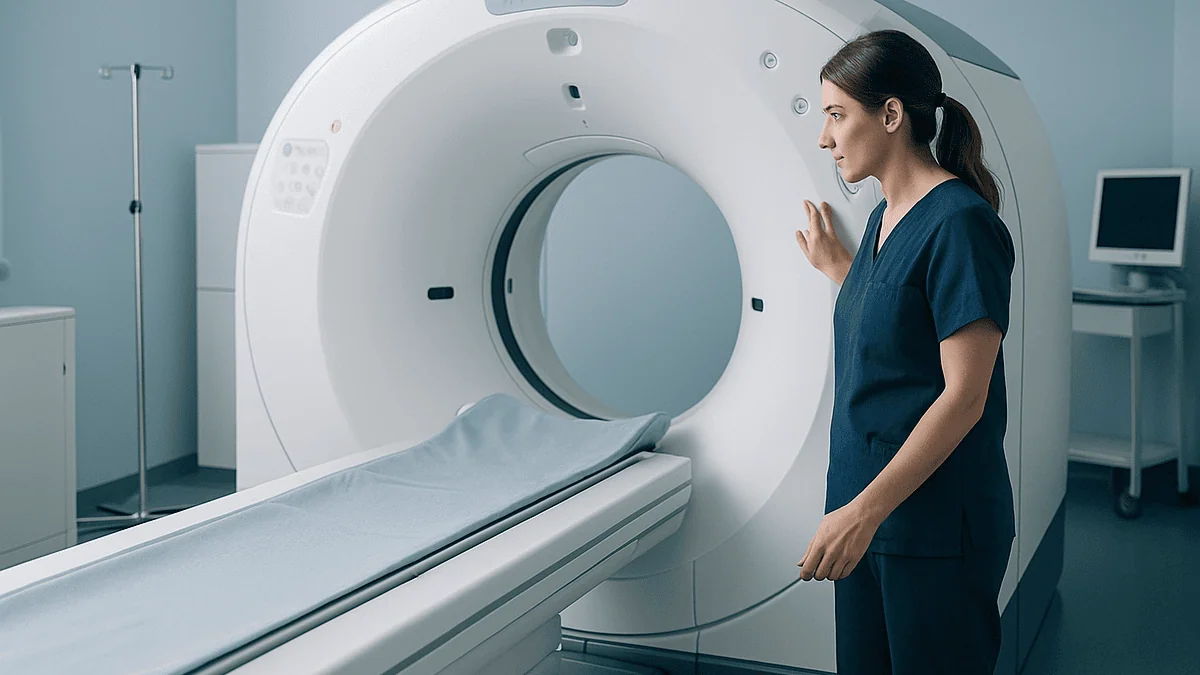
Key Takeaways
- AMH and antral follicle count estimate how many eggs are likely to respond to stimulation, not egg quality, and age remains the stronger predictor of IVF outcomes.
- An IVF treatment cycle runs about four to six weeks from the first stimulation injection to the pregnancy test, with roughly 10 to 12 days of daily injections in the middle.
- Pre-cycle screening for both partners routinely covers HIV, hepatitis B and C, rubella immunity, semen analysis and a uterine ultrasound, and any of these can lead to a short delay.
- Egg collection under sedation typically takes 15 to 20 minutes and is usually the only day that genuinely requires time off work.
- Ovarian hyperstimulation syndrome is more likely with a high follicle count, and increasing abdominal swelling, reduced urine or breathlessness need a same-day call.
- Bed rest after embryo transfer, special fertility diets and most laboratory add-ons lack high-quality evidence, while stopping smoking and taking folic acid are well supported.
Preparing for IVF usually starts two to three months before a cycle. Your team checks ovarian reserve with an AMH blood test and an antral follicle count, screens both partners for infections and general health, reviews the uterus and semen, and asks you to stop smoking, limit alcohol, take folic acid and clear your calendar for roughly four to six weeks of appointments.
The folder arrives before the first injection ever does. Consent forms, a blood-test requisition with a dozen ticked boxes, a leaflet about ultrasound scans, and a request to phone the clinic on the first day of a period that has not happened yet. Somewhere in the pile is a line asking whether you have had rubella. You sit at the kitchen table and realize that IVF is, before anything else, a project in logistics.
That is worth knowing early. Most people searching for how to prepare for IVF picture the stimulation drugs and the egg retrieval. Those parts matter, but the weeks that come first, when your team measures ovarian reserve, screens for anything that could complicate a pregnancy, and fits the whole plan around your menstrual cycle and your job, shape the experience more than any single day in the procedure room.
What follows is the honest version of that preparation: what the tests measure and what they cannot, who is usually asked to wait, how the calendar really falls, and where the evidence stops and hope takes over.
How to prepare for IVF: what actually happens in a cycle
In vitro fertilization means an egg is fertilized by sperm outside the body, in a laboratory dish, and the resulting embryo is placed in the uterus. Everything you are asked to do beforehand serves one of five steps.
First comes ovarian stimulation. In a natural month the ovaries usually ripen a single egg. During IVF, daily hormone injections encourage several follicles, the small fluid-filled sacs that each hold an egg, to mature together. The NHS describes this phase as lasting around 10 to 12 days, with blood tests and ultrasound scans along the way to watch how the follicles respond.
Second is egg collection. A final injection prompts the eggs to complete maturation, and about a day and a half later a doctor uses a fine needle guided by ultrasound, passed through the vaginal wall, to draw fluid from each follicle. You are sedated. The procedure itself typically takes 15 to 20 minutes, according to the NHS.
Third, in the laboratory, eggs are mixed with sperm or, when sperm quality is a concern, a single sperm is injected into each egg. This is called ICSI, intracytoplasmic sperm injection. Embryologists then watch the fertilized eggs divide over several days.
Fourth is embryo transfer. One embryo, sometimes two, is placed in the uterus through a soft catheter, usually two to six days after collection. Remaining good-quality embryos can be frozen.
Fifth is the wait. A pregnancy test around two weeks later tells you whether the embryo implanted.
Preparation exists to make each step safer and more informative. Ovarian reserve tests help your team choose how strongly to stimulate. Infection screening protects you, any pregnancy and the laboratory. A uterine check makes sure there is nowhere for an embryo to fall short at the final hurdle. Knowing why each test is ordered turns the folder from a burden into a map.
Ovarian reserve testing before IVF: what AMH and follicle counts really tell you
Ovarian reserve is a clinician’s phrase for the pool of eggs remaining in the ovaries. It cannot be counted directly, so teams estimate it with two or three markers.
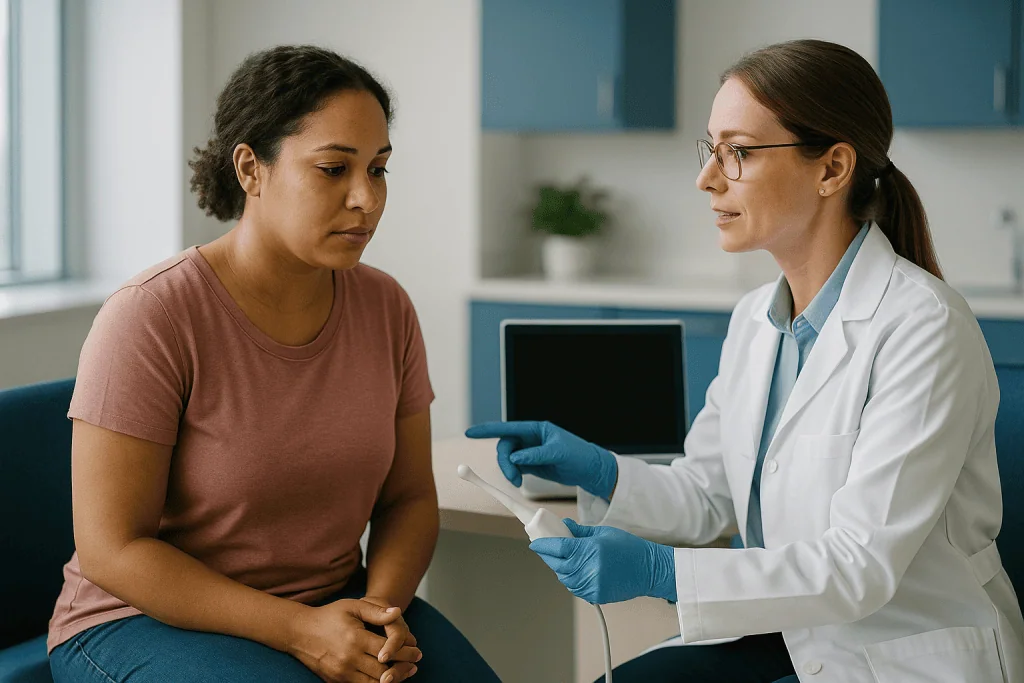
Anti-Müllerian hormone, or AMH, is a hormone released by the small growing follicles in the ovary. Because more small follicles produce more AMH, a single blood test gives a rough index of how many eggs might respond to stimulation. It can be drawn on almost any day of the cycle, which is why it is often the first test ordered.
The antral follicle count, or AFC, is a transvaginal ultrasound in which the sonographer tallies the follicles between roughly two and ten millimeters across in both ovaries, ideally early in the cycle. Follicle-stimulating hormone, FSH, is measured in blood on day two to five of a period; a high level suggests the brain is working harder to coax the ovaries into action, which often accompanies a lower reserve. Estradiol is usually checked alongside to make sure it is not masking the FSH result.
Here is the part that gets lost in online forums: these tests predict quantity, not quality. A low AMH tells your team you may produce fewer eggs and may need a different stimulation plan, and it raises the chance that a cycle is cancelled for poor response. It does not tell you whether the eggs you do produce can become a healthy embryo. Age remains the stronger predictor of egg quality, as Mayo Clinic and the NHS both emphasize when explaining why IVF outcomes fall with age.
A very high AMH points the other way: a strong expected response, and a higher risk of ovarian hyperstimulation syndrome, discussed later. Your team may choose a gentler protocol as a result. Either way, the number is a planning tool, not a verdict.
What screening tests are done before IVF, and why each one matters
The pre-IVF screening list looks long because it protects several people at once: you, a possible pregnancy, your partner or donor, and the laboratory staff handling gametes.
Infection screening is universal. Both partners are tested for HIV and hepatitis B and C, and often for syphilis. These are not judgments; they determine how samples are handled and stored, and they allow treatment planning to reduce any risk to a baby. Rubella immunity is checked because rubella infection in early pregnancy can cause serious birth defects, and vaccination cannot be given once you are pregnant. If you are not immune, your team may ask you to be vaccinated and wait before starting.
A semen analysis measures sperm concentration, movement and shape. The result helps decide between standard IVF and ICSI, and a poor result may prompt a repeat test or a referral, since sperm production takes roughly two to three months and can be affected by recent illness or fever.
The uterus is assessed with a transvaginal ultrasound, and sometimes a saline sonogram (fluid introduced to outline the cavity) or a hysteroscopy (a thin camera passed through the cervix). Fibroids that press into the cavity, polyps or scar tissue can be treated beforehand.
General health screening usually includes blood count, blood group, thyroid function, and a check that cervical screening is up to date. Where there is a family history or on request, carrier screening for inherited conditions such as cystic fibrosis may be offered.
Chronic conditions matter too. Diabetes, high blood pressure, thyroid disease and epilepsy are best controlled before pregnancy rather than during it, and some medicines need review by the prescribing clinician. MedlinePlus lists this preconception check as standard for anyone planning pregnancy, and IVF simply brings the deadline forward.
Who is IVF usually for, and who is usually asked to wait
IVF is one option among several, not the automatic answer to infertility. The NHS and Mayo Clinic describe the situations in which it is most often recommended.

Blocked or damaged fallopian tubes are the classic indication, because IVF bypasses the tubes entirely. Significant male-factor infertility, where sperm count or movement is low, is treated with IVF combined with ICSI. Endometriosis, ovulation disorders that have not responded to simpler treatments, unexplained infertility after other approaches, and the use of donor eggs or a gestational carrier all commonly lead to IVF. People preserving fertility before cancer treatment, and those using preimplantation genetic testing to avoid passing on a serious inherited condition, also go through the same cycle.
Being asked to wait is common and usually temporary. Teams often pause when:
- Rubella immunity is absent and vaccination is needed first.
- An untreated uterine polyp, fibroid or fluid collection could interfere with implantation.
- Thyroid, blood sugar or blood pressure is not yet controlled.
- A recent fever or illness has affected a semen sample and a repeat is needed.
- Body mass index falls outside the range a clinic considers safe for sedation and pregnancy; the NHS notes funded treatment in England typically applies within a defined range, and clinics may offer support to reach it.
- Smoking or heavy alcohol use is ongoing, because both reduce the chance of a healthy pregnancy.
Sometimes the advice is to try something simpler first. Ovulation induction with oral medicines, or intrauterine insemination, may be recommended before IVF for some diagnoses. Your team weighs your age, your ovarian reserve results, how long you have been trying and the cause of infertility. The decision about whether, when and with which protocol to proceed rests with them, informed by the tests above and by what you tell them matters to you.
How long does IVF take from first appointment to pregnancy test?
The honest answer has two clocks. The treatment cycle itself, from the first stimulation injection to the pregnancy test, runs about four to six weeks according to the NHS. The preparation clock, which starts at the first consultation and includes tests, results, consent appointments and waiting for your period, usually adds another two to three months. Some couples find that stretch harder than the cycle because nothing visible seems to be happening.
| Phase | Typical span | What usually happens |
|---|---|---|
| Initial consultation and testing | Several weeks to 3 months | AMH, antral follicle count, FSH, semen analysis, infection screening, uterine assessment, consent forms |
| Down-regulation (long protocol only) | About 2 weeks | Medicine quiets your own hormone signals before stimulation begins; not every protocol includes this |
| Ovarian stimulation | About 10 to 12 days (NHS) | Daily injections, blood tests and scans every few days to track follicle growth |
| Trigger and egg collection | About 36 hours apart | Final maturation injection, then retrieval under sedation lasting 15 to 20 minutes (NHS) |
| Fertilization and embryo culture | 2 to 6 days | Laboratory monitoring of embryo development |
| Embryo transfer | One short visit | Catheter placement of one embryo, occasionally two; no sedation needed for most |
| Waiting period | About 2 weeks | Progesterone support; pregnancy test at the end |
Two practical consequences follow. Because stimulation starts with a period, the exact start date cannot be booked far ahead, and a cycle that begins on a Tuesday will need scan appointments on weekday mornings. Egg collection and, to a lesser extent, transfer are the only days that genuinely require time off; most people work through the rest.
Frozen embryo transfer cycles, which use embryos stored from an earlier collection, follow a different rhythm, typically a few weeks of preparation with estrogen and progesterone before the transfer itself. Your team will map the specific dates once your period arrives.
How to prepare your body for IVF: lifestyle changes the evidence supports
Type this question into any search engine and you will find a hundred rules. Only a handful rest on solid evidence, and they are the same ones recommended for any pregnancy.
Stop smoking, both partners. Tobacco damages eggs and sperm, reduces the chance of pregnancy and raises the risk of miscarriage; the NHS lists it among the strongest modifiable factors in IVF outcomes. Nicotine replacement and support programs are worth discussing with your clinician now rather than mid-cycle.
Limit alcohol, and ideally stop once treatment begins. Alcohol affects sperm quality and is not safe at any known level in early pregnancy, which is exactly the period an IVF cycle is trying to create.
Take folic acid. Folate is the B vitamin needed for early neural tube development, and public health bodies including the NIH Office of Dietary Supplements recommend a daily folic acid supplement for anyone who could become pregnant, started before conception. Your clinician will confirm the appropriate preparation, particularly if you have diabetes, epilepsy or a previous pregnancy affected by a neural tube defect.
Aim for a healthy weight range without crash dieting. Both a very high and a very low body mass index are associated with irregular ovulation, altered response to stimulation and higher pregnancy risks. Gradual change through balanced eating and regular activity is what clinicians ask for; extreme restriction in the weeks before a cycle can do more harm than good.
Keep moving, moderately. Regular walking, cycling or swimming supports mood and blood sugar. Very intense endurance training may affect ovulation in some people, so discuss your routine if you train hard.
Review caffeine with your team; modest intake is generally considered acceptable in pregnancy guidance, and heavy intake is not. Sleep, and the protection of it, deserves a place on the list too. None of these steps promises an outcome. They simply remove known obstacles.
Medicines, supplements and the conversation to have before you start
Bring every bottle to your first appointment, including the ones you consider harmless. That single habit prevents more problems than any supplement adds.
Prescription medicines come first. Some drugs used for acne, blood pressure, epilepsy, autoimmune disease and mood are unsafe in pregnancy or interact with fertility medicines. The right course is never to stop them yourself; it is to ask the prescribing clinician and the fertility team to agree a plan, which may involve a switch to an alternative months before a cycle. Over-the-counter painkillers deserve the same review, because some anti-inflammatory drugs are avoided around ovulation and implantation.
The fertility medicines themselves fall into a few classes, and understanding them takes the mystery out of the calendar. Gonadotropins are injectable versions of the hormones that drive follicle growth. GnRH agonists and antagonists temporarily stop your own hormone surge so eggs are not released before collection. A trigger injection, either hCG or a GnRH agonist, completes egg maturation. Progesterone, given after collection, prepares and supports the uterine lining. Your team chooses the protocol, the products and the timing; this article describes what they do, not how to use them.
Supplements are where marketing outruns evidence. Folic acid has robust support. Vitamin D is often checked and replaced when low. Beyond that, the popular list, coenzyme Q10, DHEA, myo-inositol, melatonin, antioxidants for sperm, rests on small or inconsistent trials. Some may be reasonable to discuss for specific situations; none has been shown in large, high-quality trials to raise live birth rates in the general IVF population. Herbal products carry the added risk of unknown interactions with fertility medicines, and several are advised against in pregnancy.
Vaccinations are a preparation step, not an afterthought. Rubella and varicella immunity, seasonal influenza and COVID-19 vaccination are all routinely reviewed before pregnancy, and live vaccines must be given well ahead of a cycle. Ask your team to check your record now.
What the days and weeks of an IVF cycle usually look like
Once your period arrives and you have phoned the clinic, the abstract plan becomes a series of very ordinary mornings.
The first days of stimulation feel anticlimactic. You learn to give an injection at the same time each evening, usually into the lower abdomen or thigh, and you wonder whether anything is happening. Bloating and mild breast tenderness typically start toward the end of the first week as estrogen rises.
Monitoring visits begin around day five to seven and then fall every two or three days: a transvaginal scan to measure follicles and a blood test, often before work. The team may adjust the plan after each visit, which is why they ask you to be reachable by phone in the afternoon. This stretch, the NHS notes, runs about 10 to 12 days in total, though slower or faster responders will see it shift.
When the lead follicles reach the target size, you are given a precise time for the trigger injection, and egg collection is scheduled roughly a day and a half later. The collection day itself is short. You arrive fasted, receive sedation, and the retrieval takes 15 to 20 minutes. Expect cramping, light spotting and drowsiness afterward; someone needs to drive you home, and most people rest for the remainder of the day.
The next morning the laboratory phones with the fertilization report. Over the following days you learn how many embryos are dividing normally. Transfer happens two to six days after collection. It resembles a smear test in sensation and takes a few minutes; a full bladder helps the ultrasound view. You can usually return to normal activity the same day.
Then the two-week wait. Progesterone continues, and its side effects, tiredness, bloating and sore breasts, mimic early pregnancy, which is exactly why home tests taken early mislead. The clinic sets the date for the official test.
How hard is IVF on your body? Side effects, risks and OHSS explained
People ask this question in two ways: what will I feel, and what could go wrong. Both deserve straight answers.
What most people feel is manageable and short-lived. Injection-site bruising, headaches, hot flushes, mood swings, bloating and abdominal fullness are common during stimulation, according to Mayo Clinic and the NHS. After egg collection, cramping and spotting for a day or two are expected. Progesterone in the second half of the cycle adds fatigue and breast tenderness. Fatigue accumulates less from any one symptom than from early appointments, disrupted sleep and the emotional weight of waiting.
Ovarian hyperstimulation syndrome, OHSS, is the risk your team watches most closely. The stimulated ovaries become enlarged and leak fluid into the abdomen. Mild OHSS, with bloating and discomfort, is relatively common and settles on its own. Severe OHSS, with rapid weight gain, marked abdominal swelling, breathlessness, reduced urine output and a risk of blood clots, is uncommon but serious and sometimes needs hospital care. People with a high antral follicle count or high AMH, and those who become pregnant in the same cycle, are at greater risk, which is why your team may lower stimulation, change the trigger medicine or freeze all embryos and transfer later.
Egg collection carries small procedural risks: bleeding, infection, and rarely injury to bowel, bladder or blood vessels. Sedation risks are low in healthy people but real.
Multiple pregnancy is the largest downstream risk, and it is why single-embryo transfer is now standard practice in guidance from the NHS and elsewhere. Twins bring higher rates of prematurity, low birth weight and pregnancy complications for the mother. Ectopic pregnancy, where the embryo implants outside the uterus, occurs in a small percentage of IVF pregnancies; Mayo Clinic cites around 2 to 5 percent.
Long-term risks, including cancer, have been studied extensively; current evidence does not show that fertility medicines raise the risk of breast or ovarian cancer, though research continues.
What is the most difficult stage of IVF? Preparing emotionally and practically
Ask twenty people who have been through it and you will hear the same three answers, and rarely the retrieval.
The two-week wait tops most lists. Nothing is being done, the medicines mimic pregnancy symptoms, and the outcome is binary. The phone call with the fertilization report is second: hearing that many eggs were collected but fewer fertilized, or fewer still developed into good-quality embryos, is a moment where hope is recalibrated in numbers. Third is the cancelled or failed cycle, which lands as grief even when everyone said it might happen.
Preparation helps more than people expect, and it is practical rather than mystical. Decide before the cycle who will know, and how much. Telling a manager only that you need medical appointments in the mornings for two weeks is reasonable; telling no one and then needing a day off at 12 hours’ notice is stressful. Agree with your partner, if you have one, how you will handle the fertilization phone call: together, on speaker, or one person relaying it. Work out in advance what you will do on the day of the pregnancy test, whatever the result.
Mayo Clinic and other major centers recommend counseling before and during treatment, and many fertility programs include it. Counselors who specialize in fertility understand the particular shape of this stress, including the way it can strain a relationship and isolate people from friends who are pregnant. Anxiety and low mood during IVF are common and treatable; they do not cause treatment to fail, a myth that adds guilt to distress.
Build slack into the calendar. Avoid scheduling a major work deadline, a house move or a family celebration in the stimulation fortnight if you can. Plan something gentle and absorbing for the wait. And decide, before you start, how many cycles you are willing to consider, so that a hard conversation later happens on ground you chose.
Can you make IVF successful on the first attempt? What the evidence actually shows
No preparation guarantees a first-cycle pregnancy, and anyone who says otherwise is selling something. What preparation can do is remove avoidable obstacles and make sure the cycle you do have is the most informative one possible.
The dominant factor is age, because it tracks egg quality. The NHS, drawing on national regulator data, reports live birth rates per embryo transferred of roughly 32 percent for women under 35, falling to about 25 percent at 35 to 37, 19 percent at 38 to 39, 11 percent at 40 to 42, and under 5 percent beyond 43 when using their own eggs. Those figures describe populations, not individuals, and they vary with diagnosis, embryo quality and whether fresh or frozen embryos are used. They also show why many people need more than one cycle and why cumulative chances over several cycles are a fairer measure than any single attempt.
Beyond age, the factors that shift the odds and lie within reach are the ones already discussed: not smoking, moderate alcohol and caffeine, a healthy weight range, controlled chronic conditions, a uterus checked and treated for polyps or fibroids, and a semen sample produced under good conditions. Taking prescribed medicines exactly as directed, including progesterone after transfer, is not glamorous but matters.
Some widely marketed additions have weaker footing. Endometrial scratching, immune therapies, routine embryo glue, and most add-on laboratory techniques have not shown consistent benefit in high-quality trials; national regulators in several countries publish traffic-light ratings for these add-ons, and few reach green. Preimplantation genetic testing for aneuploidy can reduce the number of transfers needed in some groups but has not been shown to raise the chance of a live birth per egg collection across the board.
The most useful mindset going in is that the first cycle is also a diagnostic test. How your ovaries respond, how many eggs fertilize and how embryos develop tells your team more than any pre-cycle blood test could.
What people often get wrong about preparing for IVF
The myths cluster around control: the belief that the right diet, position or supplement tips the balance. Here are the ones clinicians correct most often.
Low AMH means IVF will not work. AMH predicts how many eggs are likely to be collected, not whether those eggs are good. Younger people with low AMH often do well with a tailored protocol; the number changes the plan, not the prognosis on its own.
Bed rest after transfer helps implantation. Studies have not shown benefit from lying still, and prolonged inactivity raises the risk of blood clots. Normal daily activity is the usual advice, with only strenuous exercise and heavy lifting paused for comfort.
Stress causes cycles to fail. Infertility and IVF cause stress; the reverse has not been demonstrated in good studies. Feeling anxious is not a mistake you made.
More eggs is always better. Very high responses raise the risk of OHSS and can be associated with poorer egg quality. Teams aim for an optimal number, not a maximum.
A special fertility diet is required. No diet has been shown to raise IVF live birth rates in randomized trials. A balanced pattern rich in vegetables, whole grains, fish and unsaturated fats is associated with better general and reproductive health, which is reason enough, but pineapple core, specific seeds and eliminating gluten have no evidence behind them.
Add-ons are proven extras. Most optional laboratory or clinical additions lack high-quality evidence. Ask what the trial data show before agreeing to any of them.
Home pregnancy tests during the wait are reliable. The trigger injection contains hCG, the same hormone pregnancy tests detect, and can produce a false positive for over a week. Early negatives are equally misleading. The clinic’s test date exists for a reason.
The man’s preparation does not matter. Sperm quality responds to smoking, alcohol, heat and illness over the preceding three months. Preparation is a shared project.
Your IVF preparation checklist: questions to ask your care team
A good consultation leaves you knowing not just what will happen but why this plan was chosen for you. Take these questions in writing; the appointment moves faster than memory does.
- What do my AMH, antral follicle count and FSH results suggest about how my ovaries are likely to respond, and how did they shape the protocol you are recommending?
- Which stimulation protocol are you proposing, and what are the alternatives if I respond too strongly or too weakly?
- Is ICSI recommended for us, and on what basis from the semen analysis?
- Have all screening results come back, and is anything, such as rubella immunity, thyroid function or a uterine finding, that needs treatment before we start?
- Which of my current medicines or supplements should be reviewed with my prescribing clinician before the cycle?
- How many embryos do you recommend transferring, and what is your policy on single-embryo transfer?
- Would you consider freezing all embryos and transferring later, and in what circumstances?
- What is my personal risk of ovarian hyperstimulation syndrome, and how will you reduce it?
- Which days will genuinely require time off, and which appointments can be scheduled early or late?
- Who do I call out of hours if I develop severe pain, swelling or breathlessness?
- How will I receive the fertilization and embryo development updates, and from whom?
- Are any add-on treatments being suggested, and what does the evidence show for each?
- What counseling or support is available, and how do I access it?
- If this cycle does not result in a pregnancy, when would we meet to review what we learned and discuss next steps?
Write the answers down or ask permission to record the conversation. Many clinics also provide a written treatment plan; ask for one if it is not offered. Understanding the reasoning is not a challenge to your team’s expertise. It is how you become a partner in decisions that remain, ultimately, theirs to make with you.
When to call your doctor during IVF preparation and treatment
Most of an IVF cycle is uncomfortable rather than dangerous, and your team expects bloating, mild cramping, mood changes and fatigue. A small number of symptoms need a same-day call, and a few need emergency care. Keep the clinic’s daytime and out-of-hours numbers where you can find them.
Call your fertility team the same day if you notice:
- Abdominal swelling that is increasing, or clothes that suddenly no longer fit at the waist
- Rapid weight gain over a day or two
- Passing much less urine than usual, or dark urine despite drinking normally
- Nausea or vomiting that prevents you keeping fluids down
- Pelvic pain that is worsening rather than settling after egg collection
- A fever after egg collection or embryo transfer
- Heavy vaginal bleeding, heavier than a normal period
- Any reaction at an injection site that spreads, blisters or is accompanied by rash elsewhere
Seek emergency care immediately, without waiting for a call back, if you develop severe abdominal pain, breathlessness or chest pain, a swollen, painful or red calf, fainting, confusion, or a sudden severe headache with visual disturbance. These can signal severe ovarian hyperstimulation syndrome, a blood clot, internal bleeding, or a complication of an early pregnancy including an ectopic pregnancy, all of which need urgent assessment.
Emotional red flags matter equally. If you find yourself unable to function at work or home, unable to sleep for several nights, or having thoughts of harming yourself, contact your doctor or a crisis line that day. Fertility treatment is a recognized period of psychological risk, and help is available and effective.
Before the cycle begins, call if a new illness, a positive infection screen, a medication change or a missed vaccination might alter the plan. It is always easier for your team to adjust a schedule in advance than to rescue one in progress. When you are unsure whether a symptom counts, that uncertainty is itself a good enough reason to phone.
Frequently asked questions
What should I do before IVF to prepare my body?
Start two to three months ahead: stop smoking, limit alcohol, begin a folic acid supplement as advised by your clinician, aim for a healthy weight range through gradual change, and bring every prescription medicine and supplement for review. Both partners should follow these steps, because sperm quality reflects the preceding three months. Complete the screening tests promptly so any delay, such as rubella vaccination, is resolved before your period starts.
How long does IVF take from start to finish?
The treatment cycle itself takes about four to six weeks according to the NHS, from the first stimulation injection through egg collection, embryo transfer and the two-week wait to a pregnancy test. Preparation adds time before that: consultations, ovarian reserve tests, screening and waiting for a period usually stretch over two to three months. A frozen embryo transfer in a later cycle follows its own shorter schedule.
What is ovarian reserve testing before IVF and does a low result mean it will fail?
Ovarian reserve testing estimates how many eggs remain, using an AMH blood test, an ultrasound antral follicle count and often day-two-to-five FSH. A low result predicts fewer eggs at collection and helps your team pick a suitable protocol; it does not measure egg quality or predict pregnancy on its own. Age is the stronger guide to quality, so younger people with low AMH often still do well.
How hard is IVF on your body?
For most people IVF is tiring and uncomfortable rather than dangerous. Expect bloating, injection bruising, mood changes, headaches and breast tenderness during stimulation, cramping after egg collection, and fatigue from progesterone afterward. Mild ovarian hyperstimulation is fairly common and settles; the severe form is uncommon but needs prompt care. Early appointments and emotional strain account for much of the exhaustion people describe.
What is the most difficult stage of IVF?
People most often name the two-week wait after embryo transfer, when nothing can be done and progesterone mimics pregnancy symptoms. The fertilization phone call, when the number of eggs becomes a smaller number of embryos, and a cancelled or unsuccessful cycle are close behind. Planning who will know, how you will receive news and what you will do on test day makes these stages easier to bear.
How can I make my IVF successful at first attempt?
No preparation guarantees a first-cycle pregnancy. Age is the dominant factor, and the NHS reports live birth rates per transfer falling from roughly 32 percent under 35 to under 5 percent beyond 43 with own eggs. What you can influence is removing obstacles: not smoking, moderate alcohol, a healthy weight, treated uterine findings, controlled chronic conditions and taking prescribed medicines exactly as directed.
What I wish I knew before IVF: what do people say afterwards?
Common reflections include how much of the effort is logistics rather than procedures, how misleading home pregnancy tests are during the wait because the trigger injection contains the same hormone, how normal it is to need more than one cycle, and how helpful it was to agree in advance how many attempts to consider. Many also wish they had asked earlier about counseling and about the evidence behind optional add-ons.
Should I rest in bed after embryo transfer?
No. Studies have not found that bed rest improves implantation, and prolonged inactivity raises the risk of blood clots, which is already slightly elevated by fertility medicines. Most teams advise returning to normal daily activity the same day, while avoiding heavy lifting and strenuous exercise for comfort. Gentle walking is fine. Follow your own clinic’s specific instructions, since some vary their advice.
What screening tests are done before IVF?
Both partners are tested for HIV, hepatitis B and C and often syphilis. The person carrying the pregnancy is checked for rubella immunity, blood count, blood group and thyroid function, with an ultrasound and sometimes a hysteroscopy or saline scan of the uterus. A semen analysis guides whether ICSI is needed. Carrier screening for inherited conditions may be offered depending on family history.
When should I call my doctor during an IVF cycle?
Call the same day for increasing abdominal swelling, rapid weight gain, passing much less urine, vomiting that stops you keeping fluids down, fever after egg collection, or heavy bleeding. Seek emergency care immediately for severe abdominal pain, breathlessness, chest pain, a swollen painful calf or fainting, which can signal severe ovarian hyperstimulation, a clot or an ectopic pregnancy. Contact your doctor promptly for severe low mood or thoughts of self-harm.
References
- NHS: IVF: What happens
- NHS: IVF: Risks
- Cleveland Clinic: IVF (In Vitro Fertilization)
- MedlinePlus: Infertility
This article is for general information only and is not a substitute for professional medical advice. Please consult a qualified doctor about your individual situation.

More from the Blog

When to See a Specialist About Reproductive System Concerns: Cycle Changes, Pain and Fertility
See a reproductive specialist if you have tried to conceive for 12 months without a pregnancy, or 6 months if you are 35 or…

Cycle Syncing and Seed Cycling: What the Trends Claim and What the Evidence Shows
Seed cycling (eating flax and pumpkin seeds in the first half of the menstrual cycle, then sesame and sunflower seeds in the second half)…

Spotting After Embryo Transfer: What Is Usually Normal and When to Call Your Clinic
Light spotting after embryo transfer is common and usually not a sign that something has gone wrong. Pink or brown streaks can come from…

Who Is ICSI Recommended For? Male-Factor Infertility, Prior Fertilization Failure and More
ICSI is usually recommended when sperm are unlikely to fertilize an egg on their own: severe male-factor infertility such as very low sperm count,…

GIFT (Gamete Intrafallopian Transfer) Step by Step: Eggs, Sperm and the Laparoscopic Placement
GIFT, or gamete intrafallopian transfer, is an assisted reproduction technique in which eggs are collected after ovarian stimulation, mixed with prepared sperm, and placed…

GIFT vs IVF: Why Fertilization Location Matters and How Fertility Teams Choose Between Them
GIFT (gamete intrafallopian transfer) places eggs and sperm together into a fallopian tube so fertilization happens inside the body, while IVF fertilizes eggs in…