

Sleep Apnea in Women: The Symptoms That Are Missed and Why Diagnosis Comes Late
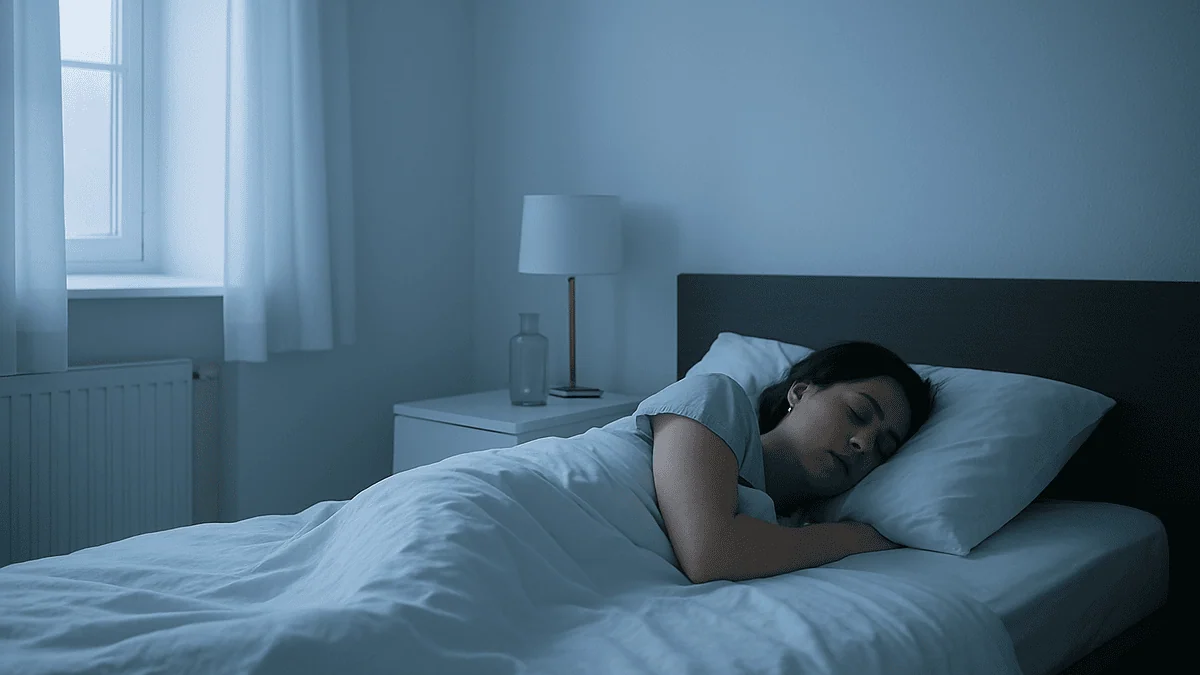
Key Takeaways
- In the general population the male-to-female ratio for sleep apnea is roughly two or three to one, yet sleep clinics have historically seen eight to ten men for every woman, and that gap is the measurable size of underdiagnosis.
- Women's breathing events cluster in REM sleep, which makes up only about a fifth of the night, so a whole-night score can read "mild" while dreaming sleep is severely disrupted.
- Insomnia, morning headaches, nocturia and low mood are documented presentations of sleep apnea, and none of them points an untrained eye toward the airway.
- Home sleep tests cannot detect arousals and divide events by hours of recording rather than hours asleep, two features that specifically undercount women with apnea-driven insomnia.
- The largest randomised trial of CPAP for heart-attack and stroke prevention included roughly four in five men and averaged about three hours of nightly use, so the question remains open for women rather than settled.
- Tirzepatide (Zepbound), approved by the FDA in December 2024, is the first medicine indicated for obstructive sleep apnea, but only for adults who also have obesity, and the prescribing decision rests with the clinician.
Sleep apnea in women is frequently missed because it often presents as insomnia, daytime fatigue, morning headaches, low mood or waking to urinate rather than the loud snoring and witnessed breathing pauses seen in men. Hormonal protection before menopause, screening tools built around male patterns, and milder test scores all delay diagnosis. A clinician-ordered sleep study is the only way to confirm it.
She was 52, running a department and a household, and she had not slept through the night in two years. Her chart said anxiety, then perimenopause, then “fatigue, likely stress.” Nobody asked whether her breathing stopped at night, partly because nobody, including her, thought it did. Scenes like this one are suddenly everywhere online, and sleep apnea in women has become one of the most-searched sleep topics as of early 2026.
Two things lit the fuse. In December 2024 the US Food and Drug Administration approved tirzepatide (Zepbound) for moderate to severe obstructive sleep apnea in adults with obesity, the first medicine ever cleared for the condition, and that announcement pulled sleep apnea into mainstream conversation. Around the same time, a wave of women began posting near-identical stories: years of being told it was hormones or burnout, then a sleep study that explained everything.
The viral version flattens the science. What follows is the fuller picture: why the condition looks different in women, why the tests and checklists were tuned to men, and what the evidence can and cannot promise.
Why sleep apnea in women looks different from the textbook picture
Obstructive sleep apnea is a condition in which the throat muscles relax during sleep and repeatedly narrow or close the airway, cutting off airflow for ten seconds or longer at a time. The classic patient in older medical teaching was a middle-aged man with a thick neck who snored like a chainsaw and nodded off in meetings. Women were studied far less, and when they were, their results looked quieter.
Quieter does not mean milder in effect. Compared with men at the same severity score, women tend to have more partial airway narrowings (hypopneas) than complete blockages (apneas), shorter events, and a clustering of events during rapid eye movement (REM) sleep, the dreaming stage when muscle tone is lowest. REM makes up only about a fifth of the night, so a woman whose breathing collapses almost exclusively in that stage can score “mild” overall while her REM periods are severely disrupted.
Women also show more frequent brief awakenings, called arousals, in response to airflow resistance that never quite meets the threshold for an apnea. The brain lifts out of deep sleep to tighten the throat, the airway opens, and the sleeper drops back down, often with no memory of it. The National Heart, Lung, and Blood Institute lists trouble staying asleep, morning headaches and daytime fatigue among sleep apnea symptoms precisely because this pattern is so common.
Put these differences together and you get a condition that produces fragmented, unrefreshing sleep rather than dramatic choking spells. The woman experiences it as insomnia and exhaustion. Her bed partner, if there is one, may hear only soft snoring or nothing at all. The physiology is real; it simply fails to match the picture most people, and some clinicians, still carry in their heads.
How to tell if a woman has sleep apnea: sleep apnea symptoms in women that get missed
Start with what she reports in the daytime, because that is where the diagnosis usually hides. The Mayo Clinic and Cleveland Clinic both list the shared symptoms: loud snoring, witnessed breathing pauses, gasping, dry mouth, morning headache, excessive sleepiness and poor concentration. Women have all of these, but the balance shifts toward the subtle end of the list.
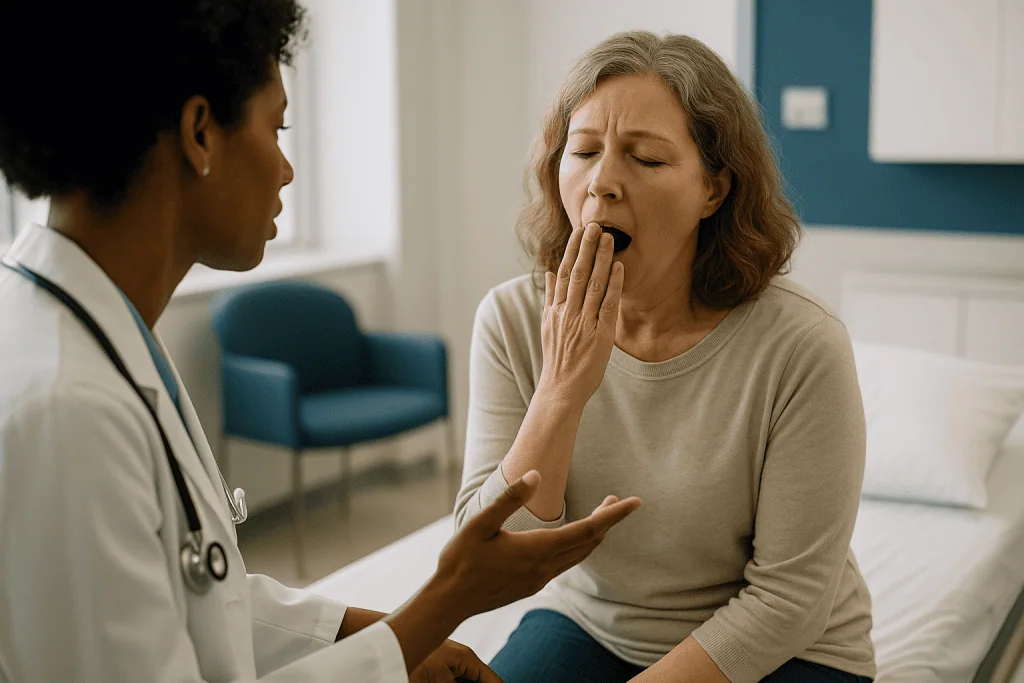
Patterns clinicians and researchers describe more often in women include:
- Insomnia, particularly waking in the second half of the night and struggling to drift back off, rather than trouble falling asleep.
- Fatigue described as heaviness or lack of energy, instead of actual dozing. Many women score low on sleepiness questionnaires even when their sleep is badly fragmented.
- Morning headaches that fade within an hour or two of waking, a possible signature of overnight drops in blood oxygen and rises in carbon dioxide.
- Low mood, irritability or anxiety that does not respond as expected to usual care.
- Nocturia, the medical term for waking at night to urinate, which repeated airway collapse can drive through pressure changes in the chest that signal the kidneys to release fluid.
- Brain fog, word-finding trouble and poor memory, which in midlife are easily filed under menopause.
- Restless sleep, night sweats or palpitations on waking.
Notice how few of those items point a doctor toward breathing. Each one has a more familiar explanation, and each explanation is partly right some of the time. The question that cuts through is simple: has anyone ever told you that you snore, stop breathing or gasp in your sleep? Many women cannot answer because they sleep alone or their partner sleeps soundly. A phone recording app over a few nights is not a diagnosis, but it can be the nudge that turns a vague complaint into a referral.
Can you have sleep apnea without waking up or snoring?
Yes on both counts, and this is one of the main reasons women are missed. The awakenings that define fragmented sleep in apnea are mostly cortical arousals: the brain’s electrical activity shifts toward wakefulness for three to fifteen seconds, the throat muscles regain tone, air flows, and sleep resumes. These events are visible on a sleep study’s brainwave tracing and invisible to the sleeper. Someone can have dozens of them an hour and swear she slept straight through.
What she notices instead is the aftermath. Deep slow-wave sleep and REM sleep get repeatedly interrupted, so the restorative work those stages do, including memory consolidation and hormonal regulation, is shortchanged. Seven or eight hours in bed can still deliver the functional equivalent of a short, broken night.
Snoring is a similarly unreliable gatekeeper. Snoring is the sound of soft tissue vibrating in a partly narrowed airway. If the airway closes completely, the sound stops altogether; if it narrows only slightly, the vibration may be too soft to hear. Women, on average, have narrower airways and more of the partial-closure events, so their snoring is often described as light, intermittent or absent. The NHS notes that snoring is a common but not universal feature of sleep apnoea, and that some people are unaware of symptoms until a partner mentions them.
There is also a group whose main problem is upper airway resistance: airflow is limited enough to trigger arousals but not enough to meet apnea or hypopnea definitions. Women are over-represented here. Whether this is a separate condition or the mild end of the same spectrum is still debated among sleep specialists, but the fatigue it causes is not in dispute. A sleep study that measures arousals and airflow limitation, not just oxygen dips, is what reveals it.
Why diagnosis comes late: the stress, anxiety and menopause detour
Delay has several layers, and none of them is a single person’s fault. The first is expectation. When the mental image of a patient does not match the person in the room, the right question goes unasked. Studies of referral patterns have repeatedly found that men are referred to sleep clinics several times more often than women, a gap far wider than the true difference in prevalence.
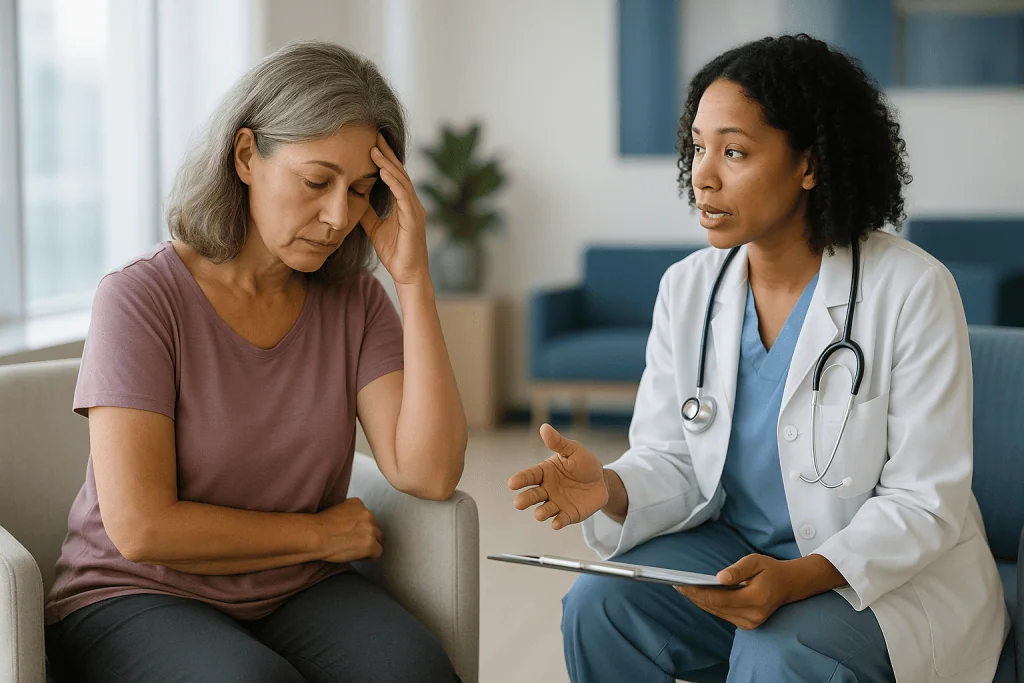
The second layer is overlap. The daytime symptoms women report, insomnia, low energy, mood change, poor concentration, are genuinely common in depression, anxiety, iron deficiency, thyroid disease and the menopausal transition. A clinician who tests for those and finds something plausible may reasonably stop looking. Treating the anxiety is not wrong; it is just incomplete if the engine underneath is a collapsing airway.
The third is the tools. The STOP-BANG questionnaire, one of the most widely used screening checklists, awards a point for male sex and another for a neck circumference threshold derived largely from male anatomy. The Epworth Sleepiness Scale asks how likely you are to doze in various situations, which captures sleepiness but not the fatigue-without-dozing pattern more typical of women. A woman can have significant apnea and score as low risk on both.
The fourth is the test itself. Scoring rules that require a 4% drop in blood oxygen to count a hypopnea, rather than the 3% drop or arousal that current sleep medicine guidance recommends, undercount the briefer, shallower events women tend to have. Home testing kits generally cannot detect arousals at all, which hides REM-predominant and resistance-type patterns.
Layer those together and a decade can pass. Johns Hopkins describes patients who lived with symptoms for years before the diagnosis, and women are disproportionately in that group.
What changed recently
The single biggest shift is pharmacological. On 20 December 2024, the FDA approved tirzepatide (Zepbound) for adults with moderate to severe obstructive sleep apnea and obesity, making it the first medicine with an indication for the condition. The approval rested on two year-long randomised trials in which participants lost substantial weight and their breathing-event scores fell markedly compared with placebo. Whether, and for whom, a medicine belongs alongside or instead of airway devices is a decision for the treating clinician, and the approval does not apply to people without obesity.
A second shift is in how severity is understood. Sleep specialists have increasingly questioned whether the apnea-hypopnea index, the number of breathing events per hour that has defined severity since the 1990s, captures what matters. Newer measures weight how long oxygen stays low and how much sleep is fragmented. Research along these lines has reported that at a given index score, women can show as much or more cardiovascular strain as men, which is the finding behind headlines claiming women are “hit harder.” That evidence is observational and still being replicated, but it has shifted the conversation away from treating women’s lower scores as reassuring.
Third, awareness is finally catching up with the data. Patient-education pages from the NHS, the Mayo Clinic and the Cleveland Clinic now explicitly list insomnia, fatigue, mood symptoms and nocturia among sleep apnea presentations, where older material led with snoring and sleepiness alone. MedlinePlus likewise frames sleep apnea as a condition affecting people of all sexes and ages, with risk rising after menopause.
What has not changed is the diagnostic standard. A sleep study ordered and interpreted by a qualified clinician remains the only way to confirm the condition, whatever the viral checklist suggests.
How common is sleep apnea in women, really?
The honest answer is: more common than clinics suggest and less certain than social media claims. Population studies that tested people regardless of symptoms, rather than counting diagnoses, have found a male-to-female ratio of roughly two or three to one in the general population. In sleep clinics the historical ratio has been closer to eight or ten to one. That gap between community prevalence and clinic attendance is the measurable footprint of underdiagnosis.
The widely repeated claim that “90% of women with sleep apnea don’t know it” traces back to US cohort research from the 1990s estimating that roughly nine in ten women with moderate to severe apnea had not been diagnosed. Diagnosis rates have improved since then, and the figure should be read as historical rather than current. Even so, more recent estimates still place the undiagnosed share among women well above that of men.
Age changes everything. Before menopause, prevalence in women is substantially lower than in men of the same age. After menopause, the gap narrows sharply, and by the late sixties and seventies the rates are much closer. The Cleveland Clinic and NHLBI both list being past menopause as a risk factor, alongside excess weight, a family history, a large neck, nasal congestion and certain facial structures.
Body weight matters for both sexes, but it is not the whole story. Women with apnea are, on average, heavier than women without it, yet a meaningful share of women with the condition are not overweight at all; narrow jaws, large tonsils and hormonal factors can be enough. Assuming a slender woman cannot have apnea is one more way the diagnosis is delayed.
Sleep apnea and menopause: what the hormones actually do to the airway
Two hormones carry much of the explanation. Progesterone, which falls steeply at menopause, acts as a respiratory stimulant: it increases the drive to breathe and appears to raise the tone of the muscles that hold the upper airway open during sleep. Estrogen influences where the body stores fat and may help keep the airway tissues less inflamed and less prone to swelling. As both decline, the throat becomes easier to collapse and fat shifts from hips and thighs toward the abdomen and neck, the distribution more typical of men and more strongly linked to apnea.
The effect shows up in the numbers. Across the menopausal transition, the prevalence and severity of sleep-disordered breathing rise in women even after adjusting for age and weight gain, which suggests the hormonal change itself is doing some of the work. Mayo Clinic and NHLBI material both name menopause as an independent risk factor for this reason.
The overlap with menopausal symptoms is where diagnosis goes astray. Night sweats, broken sleep, fatigue, irritability, poor concentration and weight gain belong to both lists. A woman in her early fifties describing all six is describing menopause, and she may also be describing sleep apnea. The two commonly coexist, and treating one does not resolve the other.
A natural question follows: does menopausal hormone therapy protect the airway? Observational data have hinted at lower apnea rates among users, but the randomised evidence is small, inconsistent and not strong enough to recommend hormone therapy as an apnea treatment. Current practice is to decide on hormone therapy for its established indications and to evaluate and manage sleep apnea on its own merits. Anyone already prescribed hormone therapy should raise sleep concerns with the prescribing clinician rather than change anything independently.
Sleep apnea during pregnancy and in women with PCOS
Sleep apnea is not only a midlife story. Pregnancy raises the risk through several mechanisms: weight gain, fluid retention that swells the nasal passages and throat, and a growing uterus that pushes the diaphragm upward and reduces lung volume. Snoring that starts or worsens in the second and third trimesters is common, and a proportion of those women meet criteria for obstructive sleep apnea on testing.
Why it matters: observational studies, pooled across many thousands of pregnancies, link sleep-disordered breathing to higher rates of gestational hypertension, pre-eclampsia (a pregnancy complication marked by high blood pressure and organ stress) and gestational diabetes. The associations persist after adjusting for body weight, though association is not proof of cause, and randomised trials testing whether treating apnea in pregnancy improves outcomes are still limited in size. Guidance from major obstetric and sleep bodies therefore encourages clinicians to ask pregnant patients about snoring and daytime sleepiness and to refer for evaluation when the picture fits, especially where blood pressure is rising.
Polycystic ovary syndrome, or PCOS, a hormonal condition affecting ovulation and androgen levels, is the other under-recognised link. Women with PCOS have markedly higher rates of obstructive sleep apnea than women of similar weight without PCOS. Higher androgen levels, insulin resistance and central fat distribution are the leading explanations. Because PCOS and apnea both worsen insulin resistance, the two can feed each other, and fatigue in a young woman with PCOS deserves more than a shrug.
Most pregnancy-related apnea improves after delivery as fluid and weight normalise, but it does not always resolve, and women who had it are at higher risk of having it again. A postpartum check-in on sleep, rather than assuming new-baby tiredness explains everything, is sensible.
How sleep apnea in women is diagnosed, and where the tests fall short
Diagnosis rests on a sleep study, and there are two kinds. In-laboratory polysomnography records brain waves, eye movements, muscle activity, heart rhythm, airflow, breathing effort and blood oxygen through the night; it can stage sleep and detect arousals. Home sleep apnea testing uses a simplified kit that typically measures airflow, effort, oxygen and heart rate but not brain activity, so it cannot tell when you are asleep or how often you are being jolted toward wakefulness.
Results are summarised as the apnea-hypopnea index, the average number of breathing events per hour of sleep. Conventional thresholds are 5 to 14 for mild, 15 to 29 for moderate and 30 or more for severe. Those cut-offs were set long before the sex differences described above were understood, and they treat a woman with a REM-clustered score of 12 and heavy fragmentation the same as a man with a scattered 12 and little fragmentation.
Several practical traps follow. Home tests divide events by hours of recording rather than hours of sleep, which dilutes the score for anyone who lies awake, as many women with apnea-driven insomnia do. Home tests miss arousal-based events entirely. A single night can miss REM-predominant apnea if REM sleep was short that night. Scoring that requires a 4% oxygen drop undercounts the shallower hypopneas women have.
The practical implication is not that home testing is useless; it is accurate for people with a high pre-test probability of moderate to severe disease. It is that a negative home test in a woman whose symptoms strongly suggest apnea should prompt a conversation about laboratory testing, not a closed file. Specialists increasingly report REM-specific and fragmentation-weighted measures alongside the headline index for exactly this reason.
What are the treatment options for sleep apnea in women?
Treatment aims to keep the airway open during sleep, reduce the strain on the heart and brain, and restore restful sleep. No single option suits everyone, and the choice depends on severity, anatomy, body weight, preferences and other conditions. The table summarises the mainstream options named in NHS, Mayo Clinic and Cleveland Clinic guidance.
| Option | How it works | Who it generally suits | Strength of evidence |
|---|---|---|---|
| CPAP (continuous positive airway pressure) | A bedside machine delivers gently pressurised air through a mask, splinting the airway open | Moderate to severe apnea; symptomatic mild apnea | Strong: many randomised trials for symptoms, blood pressure and sleep quality |
| Mandibular advancement device | A dentist-fitted mouthpiece holds the lower jaw forward to widen the throat | Mild to moderate apnea; people who cannot tolerate CPAP | Moderate: randomised trials show benefit, usually smaller than CPAP |
| Positional therapy | Devices or training keep the sleeper off the back | Apnea that occurs mainly when supine | Moderate for selected patients |
| Weight management | Reduces fat around the airway and abdomen | Apnea with overweight or obesity | Moderate to strong; benefit scales with weight lost |
| Tirzepatide (Zepbound) | Injectable medicine for weight management, approved for OSA with obesity in 2024 | Moderate to severe apnea plus obesity, at clinician discretion | Two year-long randomised trials |
| Hypoglossal nerve stimulation | Implanted device stimulates the tongue nerve to keep the airway open | Moderate to severe apnea, CPAP intolerance, specific anatomy | Moderate: trials and registries, no large head-to-head data |
| Airway surgery | Removes or repositions tissue (tonsils, palate, jaw) | Specific anatomical obstructions | Variable by procedure |
Women are more likely than men to report difficulty tolerating CPAP masks, often because standard sizes were designed around male faces, and mask refitting rather than abandonment is the usual first step. Oral appliances appear to work at least as well in women as in men for mild to moderate disease. Every option, including any medicine, is prescribed and adjusted by the treating clinician; this article names them so readers can ask informed questions, not so anyone can self-select.
What the evidence actually says, graded by strength
It helps to separate what is firmly established from what is promising and what is speculation.
Strong evidence (multiple randomised trials). CPAP reduces breathing events, improves daytime sleepiness, lowers blood pressure modestly, and improves quality-of-life scores in symptomatic patients. Mandibular advancement devices improve symptoms and event counts in mild to moderate disease. Weight loss, however achieved, reduces apnea severity in people with obesity.
Moderate evidence (smaller trials, consistent observational data). Women present with more insomnia, fatigue and mood symptoms and fewer witnessed apneas than men. REM-predominant apnea is more common in women. Sleep-disordered breathing in pregnancy is associated with hypertensive disorders and gestational diabetes. PCOS raises apnea risk independent of weight.
Weaker or unsettled evidence. Whether treating apnea prevents heart attacks and strokes is the biggest open question. Large observational studies link untreated apnea to cardiovascular disease, but the largest randomised trial of CPAP for cardiovascular prevention, with about 2,700 participants, found no reduction in major cardiac events; average nightly use was only around three hours, and roughly four in five participants were men. That leaves the question genuinely unanswered for women rather than answered in the negative. Claims that women are harmed “more” than men at equal severity rest on observational imaging and cohort data and need replication. Menopausal hormone therapy as an apnea treatment is not supported by adequate trials.
Expert opinion. Recommendations to screen women with insomnia, treatment-resistant hypertension or unexplained fatigue for apnea come largely from clinical consensus. They are sensible, and they are opinion.
Reading the evidence this way guards against two errors: dismissing women’s milder scores as unimportant, and promising that a machine or a medicine will prevent outcomes the trials have not yet shown it prevents.
Common myths about sleep apnea in women, corrected
Viral posts are good at spreading alarm and poor at nuance. Here are the claims circulating most widely and what the evidence supports.
“If you don’t snore, you don’t have it.” False. Snoring is common but not required, and women’s snoring is more often soft or intermittent. Complete airway closure can be silent.
“Only overweight people get sleep apnea.” Excess weight is the strongest modifiable risk factor, yet a substantial minority of patients, and a larger share of women, are at a normal weight. Jaw shape, tonsil size, nasal anatomy and hormones all contribute.
“A home test that came back normal rules it out.” Not reliably in women. Home kits cannot detect arousal-based events or REM-clustered patterns and dilute scores when the sleeper lies awake. A negative result with strong symptoms warrants laboratory testing.
“Mouth taping or a wedge pillow treats it.” Taping the lips shut does not stop the throat from collapsing and can be unsafe for someone whose nose blocks. Side-sleeping helps a subset with position-dependent apnea, which only a study can identify. Neither replaces evaluation.
“The new weight-loss injection means everyone can skip CPAP.” Tirzepatide is approved only for people with both moderate to severe apnea and obesity, was studied over one year, and its long-term place relative to airway devices is still being worked out. The decision belongs to the prescribing clinician.
“It’s just menopause; it will pass.” Menopausal sleep disturbance is real, but apnea that emerges around menopause does not fade with hot flashes. If anything, prevalence keeps climbing with age.
“Women are hit harder, so it’s an emergency.” The observational signal of greater cardiovascular strain per event in women is worth taking seriously, but it is not grounds for panic. It is grounds for testing.
What untreated sleep apnea does to a woman's heart, metabolism and mood
Each airway collapse sets off a predictable chain. Oxygen falls, carbon dioxide rises, the brain triggers a surge of adrenaline to reopen the throat, blood pressure and heart rate spike, and the sleeper partly wakes. Repeated dozens or hundreds of times a night, over years, those surges leave fingerprints.
The best-documented is blood pressure. Sleep apnea is one of the most common identifiable causes of hypertension that resists usual treatment, and randomised trials show that CPAP lowers blood pressure by a few millimetres of mercury on average, more in people with resistant hypertension. The Mayo Clinic and NHLBI list high blood pressure, heart rhythm disturbances such as atrial fibrillation, heart failure and stroke among the associated complications; those associations are strongest in observational data, and the trial evidence that treatment prevents them remains incomplete, as the previous section explained.
Metabolism suffers too. Intermittent low oxygen and broken sleep impair insulin sensitivity, raise appetite hormones and favour weight gain, which in turn worsens the apnea. Type 2 diabetes and obstructive sleep apnea travel together often enough that diabetes clinics increasingly ask about snoring and fatigue.
For women specifically, the mood and cognitive burden deserves emphasis. Fragmented sleep is a well-established driver of depressive symptoms, and women with apnea report depression and anxiety at higher rates than men with apnea. Several studies have found that depressive symptoms improve when apnea is treated, which does not mean the depression was never real; it means its fuel supply was reduced. Memory and concentration complaints follow a similar pattern.
Finally, there is the daily risk nobody tabulates: drowsy driving. Sleepiness behind the wheel does not care about sex, and someone who insists she is “tired, not sleepy” can still have a microsleep at 60 miles per hour. Treating apnea restores alertness in most people who use their therapy consistently.
When to see a doctor about sleep apnea in women
Make an appointment, rather than waiting for the next routine visit, if any of the following apply to you or to someone you sleep beside.
- You have been told you snore loudly, stop breathing, choke or gasp during sleep, even occasionally.
- You wake unrefreshed most mornings despite spending seven or more hours in bed, particularly if you also wake two or more times a night.
- Morning headaches, a dry mouth on waking, or night-time urination have become routine without another explanation.
- You have high blood pressure that needs several medicines to control, atrial fibrillation, type 2 diabetes, or a stroke in your history, and your sleep has never been assessed.
- You are pregnant and have started snoring, or your blood pressure is rising.
- You have PCOS and persistent fatigue.
- Low mood, anxiety or brain fog has not improved as expected with the care you have been offered.
Seek urgent care the same day if you or a bed partner notice long pauses in breathing followed by blue or grey lips, if you have chest pain or a racing, irregular heartbeat on waking, if you fall asleep while driving or operating machinery, or if sudden severe breathlessness wakes you and does not settle within minutes. Those are not symptoms to monitor at home.
At the visit, bring specifics: how many nights a week you wake, any recordings of your breathing, your blood pressure readings, and a list of medicines and supplements. Ask directly whether a sleep study is appropriate and, if a home test is offered, whether its limitations in women have been considered. Should the result come back negative while symptoms persist, ask about laboratory polysomnography.
Everything after that, from which treatment to try to whether a medicine is suitable, is a decision for you and your treating clinician. Never start, stop or adjust a prescribed therapy on the basis of an article or a post, including this one.
Frequently asked questions
How to tell if a woman has sleep apnea?
Only a sleep study can confirm it, but the pattern that should prompt one is unrefreshing sleep, night-time waking, morning headaches, fatigue, low mood or waking to urinate, with or without snoring. Ask a bed partner, or record a few nights on your phone, then raise the question with a clinician rather than relying on an online checklist.
What are the most common sleep apnea symptoms in women?
Insomnia, especially waking in the early hours, daytime fatigue without obvious dozing, morning headaches, irritability or low mood, brain fog, night sweats and nocturia are reported more often by women than men. Loud snoring and witnessed breathing pauses can occur too, but they are less consistent, which is why these quieter symptoms deserve attention.
Can you have sleep apnea without snoring?
Yes. Snoring is vibration in a partly narrowed airway; a fully closed airway makes no sound, and a slightly narrowed one may be too quiet to notice. Women tend to have more of these partial events and narrower airways, so silent or light-snoring apnea is more common in them. Absence of snoring should never be used to rule the condition out.
Can you have sleep apnea without waking up?
You can. The awakenings that fragment sleep in apnea are brief brain arousals lasting seconds, which are visible on a sleep study but rarely remembered. Someone can experience dozens an hour and feel she slept through the night, noticing only exhaustion, poor concentration or headaches the next day. That mismatch is one reason women are diagnosed late.
Is there a link between sleep apnea and menopause?
There is. Falling progesterone reduces the drive to breathe and airway muscle tone, and falling estrogen shifts fat toward the abdomen and neck. Prevalence of sleep apnea rises across the menopausal transition even after adjusting for age and weight. Because menopausal symptoms and apnea symptoms overlap heavily, the two are often confused, and they commonly coexist.
Why is nocturia a sign of sleep apnea?
When the airway collapses, the chest strains against a blocked throat, stretching the heart and prompting it to release a hormone that tells the kidneys to shed salt and water. The bladder fills faster, and the arousal that follows each event makes the fullness noticeable. Waking twice or more a night to urinate, without a urinary cause, is a recognised clue.
Is sleep apnea during pregnancy dangerous?
Observational studies link sleep-disordered breathing in pregnancy to higher rates of gestational hypertension, pre-eclampsia and gestational diabetes, even after accounting for weight. Whether treating it improves those outcomes is still being tested in trials. Snoring that begins or worsens in pregnancy, particularly alongside rising blood pressure, should be reported to the maternity team for assessment.
How to fix sleep apnea in women?
Sleep apnea is managed rather than fixed. Options include CPAP, a dentist-fitted mandibular advancement device, positional therapy, weight management, an implanted nerve stimulator, surgery for specific anatomy and, for adults with obesity, the approved medicine tirzepatide. The right combination depends on severity and anatomy, and it is chosen and adjusted by the treating clinician, not self-selected.
What are the treatment options for sleep apnea if I can't tolerate CPAP?
Mask refitting is the usual first step, since many masks were designed around male faces. If CPAP still fails, mandibular advancement devices have good evidence in mild to moderate disease, positional therapy helps when apnea is back-dependent, and hypoglossal nerve stimulation or surgery may suit particular anatomy. A sleep specialist weighs these against your study results.
Does a normal home sleep test mean I definitely don't have sleep apnea?
Not in women with strong symptoms. Home kits cannot measure brain arousals, miss REM-clustered patterns if that night’s REM was short, and spread events across total recording time rather than actual sleep, which lowers scores for anyone who lies awake. A negative home result alongside persistent symptoms is a reason to discuss laboratory polysomnography with your clinician.
References
- Sleep Apnea: Symptoms, Causes and Risk Factors (National Heart, Lung, and Blood Institute)
- Sleep Apnea (Cleveland Clinic)
- Sleep apnoea (NHS)
- Sleep Apnea (MedlinePlus)
This article is for general information only and is not a substitute for professional medical advice. Please consult a qualified doctor about your individual situation.

More from the Blog
Sleep Paralysis: The Terrifying, Harmless Glitch Between Sleep States
Sleep paralysis is a brief, harmless overlap between REM sleep and waking: the mind becomes alert while the muscle paralysis that normally accompanies dreaming…
Sleep and the Immune System: How Short Sleep Blunts Vaccines and Invites Colds
Sleep and the immune system are tightly linked. In controlled studies, adults who slept fewer than six hours a night were about four times…
Waking Up Too Early: The Common Causes and How to Push Your Wake Time Back
Waking up too early usually comes from a body clock that has drifted earlier, lighter sleep in the second half of the night, or…
Social Jet Lag: Why Weekend Lie-Ins Feel Like Time-Zone Travel to Your Body
Social jet lag is the mismatch between the sleep schedule your body clock prefers and the one your weekday alarm imposes, measured as the…
Orthosomnia: When Sleep Tracking Becomes the Thing Keeping You Awake
Orthosomnia is an informal term for a preoccupation with achieving perfect sleep data from a wearable or app, to the point that worry about…
How Long Can You Go Without Sleep? Deprivation, Hour by Hour
Most people can stay awake for one to two days before microsleeps, memory lapses, and mood changes set in; by 72 hours, hallucinations and…