

Surgery or Radiotherapy First for Neck Cancer? How the Multidisciplinary Team Decides
Key Takeaways
- Surgery and radiotherapy are both definitive local treatments; for some early larynx and throat tumors, mainstream guidance treats them as comparable options where function decides.
- Mouth cancers are usually treated with surgery first, while many throat and voice box tumors are treated with radiotherapy or chemoradiotherapy to preserve the organ.
- The pathology report after surgery, usually available within a few weeks, is what determines whether radiotherapy is added afterward.
- A curative-intent radiotherapy course typically runs Monday to Friday for around three to seven weeks, with side effects peaking in the final weeks and the fortnight after.
- External beam radiotherapy leaves no radiation in the body; you are not radioactive after a session and pose no risk to others.
- HPV-positive oropharyngeal cancers respond differently and are staged separately, so asking whether your tumor was tested for HPV is a reasonable first question.
There is no single right order. For neck and throat cancers the multidisciplinary team weighs where the tumor sits, how far it has spread, whether the voice box or swallowing can be preserved, HPV status, general fitness and the person's own priorities. Some early tumors respond similarly to either surgery or radiotherapy, so function and side effects often decide; larger tumors usually need both approaches in sequence.
The clinic letter says Thursday, 2 p.m., and the family group chat has already split into two camps. One cousin is certain you should “just cut it out.” Another swears by a colleague who had radiotherapy and never lost her voice. You sit somewhere in the middle, holding a scan report full of words you had to look up, wondering why nobody has simply told you which is better.
Here is the honest part that rarely makes it into the group chat: for many head and neck tumors, the surgery vs radiotherapy neck cancer question does not have a universal answer. It has a personalized one, built from imaging, biopsy results, a swallowing assessment and a frank conversation about what you most want to keep.
That is what the multidisciplinary team meeting is for. This article walks through what those specialists are actually looking at, why the same diagnosis can lead to different first steps for two different people, and what the weeks after each path tend to look like.
Surgery vs radiotherapy for neck cancer: why there is rarely one right answer
“Neck cancer” is a household phrase, not a diagnosis. Under that umbrella sit cancers of the voice box (larynx), the throat behind the mouth (oropharynx), the lower throat (hypopharynx), the mouth itself, the salivary glands and, sometimes, lymph nodes in the neck where the cancer first became noticeable. Each of these behaves differently and sits next to different structures that matter for speaking, swallowing and breathing. The NHS groups them together as head and neck cancers precisely because their treatment planning shares the same logic even though the details vary.
Surgery and radiotherapy are both local treatments. Each aims to remove or destroy the tumor and any nearby spread while leaving as much normal tissue working as possible. The difference lies in how they do it. Surgery removes tissue physically, in one event, and gives the team a specimen to examine under the microscope. Radiotherapy uses high-energy X-rays delivered over weeks to damage cancer cell DNA so the cells cannot keep dividing.
Neither is “stronger.” For small tumors in some locations, mainstream guidance treats them as reasonable alternatives with broadly similar control, which is why the choice often turns on function and side effects rather than raw effectiveness. For larger tumors, the question stops being either-or and becomes which to do first, and whether chemotherapy should be added. Understanding that shift is the key to understanding everything the team discusses on your behalf.
What actually happens in surgery for head and neck cancer
Surgery for a head and neck cancer ranges from a short operation through the mouth to an all-day reconstruction. At the simpler end, a surgeon may remove a small tumor from the tongue, tonsil or vocal cord using instruments or a laser passed through the open mouth, with no external cut. Transoral robotic surgery (TORS), meaning surgery performed through the mouth with a surgeon-controlled robotic arm for reach and visibility, belongs to this minimally invasive group. Mayo Clinic describes these approaches as options when the tumor is small enough to reach and remove completely without harming key structures.
At the more extensive end are operations such as partial or total laryngectomy (removing part or all of the voice box), removal of part of the jaw, or a neck dissection, which means removing lymph nodes from one or both sides of the neck to check for and remove spread. When large amounts of tissue come out, reconstructive surgeons may rebuild the area using skin, muscle or bone moved from the forearm, thigh or leg, a technique called a free flap.
Surgery has one advantage no scan can match: pathology. The removed tissue tells the team exactly how deep the tumor went, whether its edges were clear, and how many lymph nodes were involved. Those findings then decide whether radiotherapy is needed afterward. The NHS notes that radiotherapy following surgery is common when the risk of cancer cells remaining is judged to be higher, which is why some people who “chose surgery” end up having both.
What actually happens during radiotherapy for throat and neck cancer
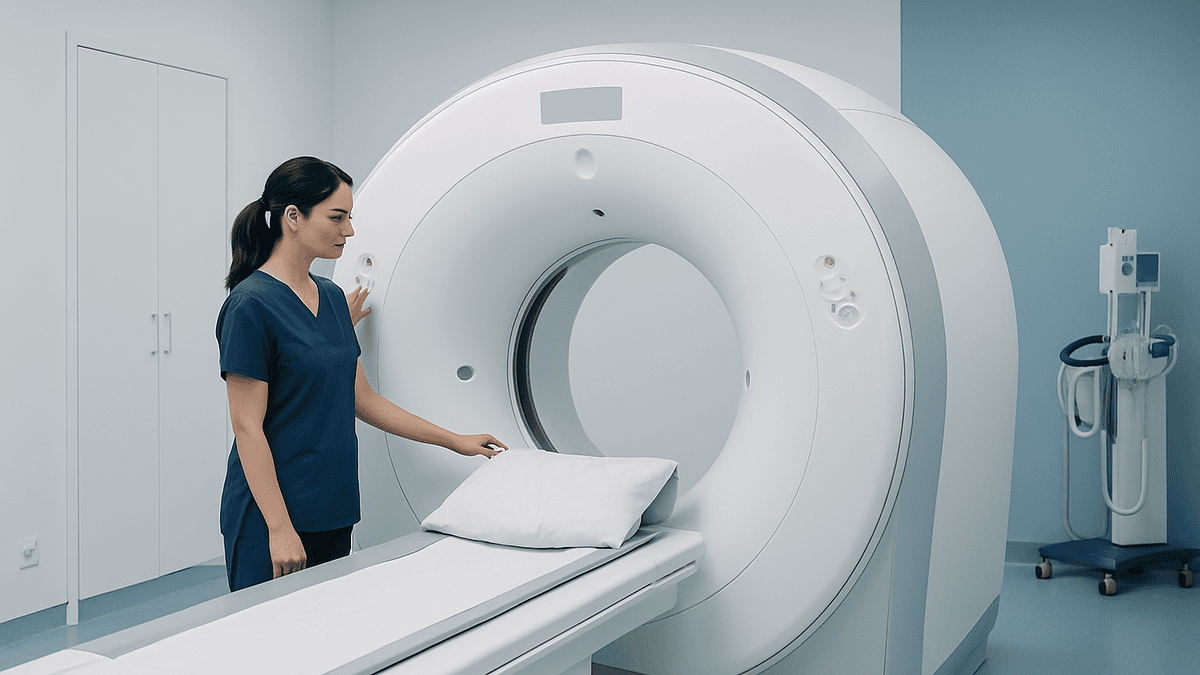
The first appointment is not treatment at all. It is planning. You lie on a CT scanner while a thin thermoplastic mask is molded over your face and shoulders; it hardens in minutes and will hold you in exactly the same position at every session. Radiation oncologists then draw the tumor and the tissues to protect onto that scan, and physicists calculate beam angles that concentrate dose on the target while sparing the spinal cord, salivary glands and swallowing muscles as much as geometry allows. Modern techniques such as intensity-modulated radiotherapy (IMRT), meaning beams shaped and varied in strength across the field, exist for exactly this purpose.
Treatment itself is quick and painless. Each session lasts a few minutes of beam time inside a longer appointment for positioning. According to the NHS, a curative-intent course for laryngeal cancer is usually given once a day, Monday to Friday, over about three to seven weeks. The machine never touches you and you feel nothing during the beam.
Side effects, however, build cumulatively. Because the radiation passes through the lining of the mouth and throat and through salivary tissue, soreness, thick saliva and altered taste typically appear a couple of weeks in and peak toward the end of the course, as Mayo Clinic explains in its overview of radiation therapy. Teams plan for this in advance with dietitians, speech and language therapists and dental checks, which is one reason the timetable feels crowded before the first beam is ever switched on.
Who sits on the multidisciplinary team, and what they look at
The multidisciplinary team (MDT) is a standing meeting, often weekly, where every new head and neck cancer diagnosis is discussed by the specialists who will share responsibility for care. The NHS describes this as standard practice for cancer treatment planning. Around the table, physically or on screen, you would typically find a head and neck surgeon, a radiation oncologist, a medical oncologist who prescribes chemotherapy or immunotherapy, a radiologist reading the scans live, a pathologist reporting the biopsy, a specialist nurse, and allied professionals such as a speech and language therapist and a dietitian. Restorative dentists and psychologists join when relevant.
What they weigh falls into a handful of headings:
- Site and stage: exactly where the tumor is, how big it is, and whether lymph nodes or distant organs are involved, using the TNM system (tumor, nodes, metastasis).
- Resectability: whether a surgeon can remove the whole tumor with a rim of healthy tissue without unacceptable loss of function.
- Function at stake: voice, swallowing, breathing, appearance and the ability to eat by mouth.
- Biology: HPV status for oropharyngeal tumors, and the microscopic grade.
- Fitness: heart, lung and kidney health, prior radiation to the area, and ability to tolerate long anesthesia or weeks of daily treatment.
- Preference: what the person has said matters most to them.
The output is a recommendation, not a verdict. It goes back to you through your treating clinician, who explains the reasoning and the alternatives. If the case is finely balanced, the team should say so plainly rather than dress a preference up as certainty.
Who is usually offered surgery first, and who is usually asked to wait
Some patterns recur across mainstream guidance, even though every plan is individual.
Surgery tends to lead when the tumor is in the mouth. The NHS lists surgery as the usual first treatment for mouth cancer, partly because oral tissues tolerate radiotherapy poorly, with a higher risk of long-term jawbone damage, and partly because the surgeon can often reach the tumor directly and reconstruct well. Surgery also leads when a tumor sits where a complete removal is likely to leave good function, when the disease has come back after earlier radiotherapy (repeat irradiation of the same tissue carries high risk), when a tumor is causing airway obstruction that needs relief, or when a salivary gland tumor is involved, since many of those are less sensitive to radiation.
Radiotherapy, with or without chemotherapy, tends to lead when removing the tumor would mean losing the voice box or a large part of the throat and the team judges that organ-preserving treatment offers comparable control. It also leads for many oropharyngeal tumors, especially HPV-related ones, and for people whose heart or lung disease makes a long operation risky.
“Asked to wait” has two meanings. Sometimes it means radiotherapy is deferred until surgery is complete and pathology is known, because that result changes the radiation plan. Sometimes it means surgery is held in reserve as a salvage option if radiotherapy does not clear the disease, an approach the NHS describes for laryngeal cancer. Waiting for a decision is not the same as being denied treatment; it is the team keeping the most function-preserving sequence available.
Laryngeal cancer surgery or radiotherapy: why the voice box is the classic example
If any single diagnosis explains the whole debate, it is cancer of the larynx. The voice box is small, exquisitely functional and unforgiving. Remove too much and speech is lost; treat too gently and the disease persists in a location where recurrence threatens the airway.
For an early tumor confined to a vocal cord, the NHS states that radiotherapy alone or surgery alone, often laser surgery through the mouth, are both standard options. Both are intended to control the cancer while preserving voice. The differences are practical. Laser surgery is one procedure with a short recovery, and it keeps radiotherapy available for the future. Radiotherapy avoids an anesthetic but occupies several weeks, dries the throat and, if the cancer later recurs, may leave surgery as the main remaining option. Voice quality after each is broadly comparable in most reports, though outcomes vary with tumor position and depth, so a laryngologist’s assessment of your specific cord is decisive.
For more advanced laryngeal cancer, the conversation changes. The NHS describes two main routes: chemoradiotherapy aimed at preserving the larynx, or total laryngectomy followed by radiotherapy where needed. Laryngectomy means the voice box is removed and breathing is rerouted through an opening in the neck called a stoma; speech is relearned using a valve, an electronic device or esophageal speech. Teams consider how well the larynx is working before treatment: a voice box that already cannot protect the airway during swallowing may not be worth preserving in name only. That candor, uncomfortable as it is, protects people from a treatment that keeps an organ but not its function.
Head and neck cancer treatment options at a glance
Tables cannot replace an MDT discussion, but they help you follow one. The comparison below summarizes how mainstream sources such as the NHS, Mayo Clinic and the National Cancer Institute characterize the main local treatment routes. Where a cell says “varies,” that is the honest answer, not an evasion.
| Factor | Surgery first | Radiotherapy first (with or without chemotherapy) |
|---|---|---|
| Typical treatment time | One operation; hospital stay from a day to a few weeks depending on extent | Daily sessions Monday to Friday over roughly 3–7 weeks (NHS) |
| Information gained | Full pathology: margins, depth, node count | Response judged on scans and examination after treatment |
| Anesthesia required | Yes, sometimes prolonged | No |
| Main early effects | Pain, swelling, temporary feeding tube or tracheostomy in larger operations | Sore mouth and throat, thick saliva, taste change, skin reaction, fatigue |
| Main long-term effects | Scarring, altered anatomy, possible permanent change to voice or swallowing | Dry mouth, dental risk, throat stiffness, thyroid underactivity, swallowing change |
| Commonly favored for | Mouth cancers, salivary gland tumors, recurrence after radiotherapy, airway threat | Many throat and larynx tumors where organ preservation is realistic |
| What stays in reserve | Radiotherapy afterward if pathology shows risk | Salvage surgery if disease persists |
Two rows deserve emphasis. “Information gained” explains why some teams favor surgery even when radiotherapy would probably work: the pathology can allow a smaller, gentler radiation plan afterward, or none at all. “What stays in reserve” explains the opposite preference: radiotherapy generally cannot be repeated to the same area at full intensity, so teams protect that option when surgery can do the job first. Neither logic is universally right, which is the point of having both specialists in the room.
Why chemotherapy sometimes joins radiotherapy (chemoradiation)
Chemotherapy on its own does not usually control head and neck cancer in the way surgery or radiotherapy can. Its main role here is as a sensitizer. Given during the radiotherapy course, certain platinum-based drugs make cancer cells less able to repair the DNA damage the beams cause, so the same radiation dose does more. This combination, called concurrent chemoradiotherapy, is described by the NHS and the National Cancer Institute as a standard option for more advanced tumors of the throat and larynx when the goal is to avoid major surgery, and after surgery when pathology shows features of high risk such as cancer at the edge of the specimen or spread beyond a lymph node capsule.
The trade-off is real. Adding chemotherapy increases nausea, kidney strain, hearing effects and the severity of mouth and throat soreness, and it requires blood tests and fitness checks throughout. Medical oncologists therefore weigh age, kidney function and hearing before recommending it, and some people are offered radiotherapy alone or an alternative drug class when platinum is unsuitable. Those choices sit entirely with the prescribing team.
Chemotherapy given before any local treatment, called induction chemotherapy, is used in specific situations, for example to shrink a very large tumor, but it is not routine. Immunotherapy, which helps the immune system recognize cancer cells, currently has its clearest role in cancer that has spread or returned rather than as a first treatment, according to NCI. If it comes up in your discussion, ask what the evidence base is for your stage specifically rather than in general.
Does HPV change the surgery vs radiotherapy neck cancer decision?
Increasingly, yes. Human papillomavirus (HPV) is a common sexually transmitted virus, and certain strains can cause cancer at the back of the throat, particularly in the tonsils and base of the tongue. The National Cancer Institute reports that most oropharyngeal cancers diagnosed in the United States are now linked to HPV, and that these tumors tend to occur in younger people with less tobacco and alcohol exposure.
Biology is the reason it matters for treatment. HPV-positive oropharyngeal tumors generally respond better to radiotherapy and chemoradiotherapy than tumors caused by smoking, and mainstream staging systems now classify them separately for exactly that reason. Because these patients are often younger and may live for decades after treatment, the long-term side effects of therapy, dry mouth, dental decay, throat stiffness and swallowing difficulty, weigh more heavily in the discussion. A great deal of current research asks whether treatment can be safely reduced for this group, either by using less radiation or by choosing transoral surgery that allows a gentler post-operative plan.
What the evidence actually shows is more cautious than headlines suggest. Trials comparing transoral surgery with radiotherapy for early HPV-positive tumors have found that both control disease well, with different side-effect profiles rather than a clear winner. Treatment reduction remains under study and is not standard outside clinical trials. So HPV status will almost certainly influence how your team frames the options, but it does not hand them a formula. If you have an oropharyngeal tumor, ask whether it has been tested for HPV, and how that result shaped the recommendation you received.
What the following weeks usually look like after surgery
Recovery scales with the operation. After a transoral removal of a small tumor, many people go home within a day or two with a sore throat, a soft diet and instructions to rest the voice. After a free-flap reconstruction or laryngectomy, the picture is different: a hospital stay measured in weeks rather than days, a temporary breathing tube in the neck while swelling settles, and feeding through a tube into the stomach until the surgical joins have healed. Mayo Clinic notes that speech therapists and dietitians are involved from the outset in these larger operations, because relearning to swallow and speak begins in hospital.
Pain is usually manageable and improves steadily. Swelling, numbness of the skin over the neck and shoulder stiffness after a neck dissection are common and can persist for months; physiotherapy for the shoulder is often part of the plan because a nerve that helps lift the arm runs through the operative field.
Around two to three weeks after surgery, the pathology report arrives and the MDT meets again. This is the moment when “surgery first” may become “surgery then radiotherapy.” If radiation is recommended, teams generally aim to start it within about six weeks of the operation, because longer gaps are associated with poorer control in the literature, a timeframe the NHS reflects in its planning of post-operative treatment. Dental assessment, mask fitting and nutrition planning therefore begin while the wounds are still healing, which can feel relentless. It is not a sign that something has gone wrong; it is the sequence working as intended.
Radiotherapy for throat cancer side effects: what the weeks during and after look like
The first week of radiotherapy is often anticlimactic. The sessions are short, you feel nothing, and life continues. By the second or third week the lining of the mouth and throat becomes inflamed, a condition called mucositis, saliva thickens and taste flattens or disappears. Skin on the neck reddens and may peel. Fatigue deepens. By the final weeks, swallowing can be painful enough that many people rely on nutritional drinks, and some need a temporary feeding tube. The NHS lists these among the expected side effects of head and neck radiotherapy and stresses that they are anticipated and actively managed rather than endured alone.
The hardest fortnight is usually the one after treatment ends. Effects continue to build for a week or two before turning, because the tissue damage lags behind the dose. Then recovery begins: soreness eases first, taste returns gradually over weeks to months, and saliva improves partially, though a degree of dry mouth is often permanent. Mayo Clinic notes that some side effects can persist long term or appear months later, including thyroid underactivity, dental decay driven by dry mouth, and stiffening of the throat muscles that can slowly affect swallowing.
What not to do after radiation treatment comes down to protecting healing tissue. Avoid smoking and alcohol, which slow recovery and raise the risk of the cancer returning. Do not skip the swallowing exercises your speech therapist gives you; keeping those muscles moving through the sore weeks is one of the few things shown to help long-term function. Do not have teeth extracted without your oncology team’s involvement, because irradiated jawbone heals poorly. And do not stop lifelong dental care; fluoride trays and regular checks are part of treatment, not an afterthought.
What people often get wrong
“Surgery removes it, radiation just shrinks it.” Both are given with the intention of destroying every cancer cell in the treated area. Radiotherapy at full dose is a definitive treatment, not a holding measure, and for some tumor sites mainstream guidance regards it as equivalent to surgery for control.
“Radiation stays in your body.” External beam radiotherapy passes through you and is gone the instant the machine switches off. Mayo Clinic is explicit that you are not radioactive afterward and pose no risk to children or pregnant relatives. The only exception is internal radiotherapy using implanted sources, which is uncommon for head and neck cancer and comes with its own specific instructions.
“The team is choosing the cheaper option.” Recommendations at an MDT are built on stage, function and evidence. If you sense a choice was made for reasons that were not explained, ask directly; a good team will walk you through its reasoning.
“If I stop radiation early when I feel better, I have had enough.” Radiation works cumulatively, and unplanned gaps or early stops reduce its effect. Decisions to pause or stop are made by the radiation oncologist for medical reasons, such as severe reactions that need time to settle, never on the basis of how the tumor feels.
“Minimally invasive means minimal side effects.” Transoral and robotic approaches avoid external scars and often shorten recovery, but bleeding and swallowing difficulty can still occur, and many people still need radiotherapy afterward based on pathology.
“Two opinions means someone is wrong.” When surgery and radiotherapy are genuinely balanced, two expert teams can reasonably differ. That is information about the closeness of the call, and it means your priorities should carry more weight, not less.
Questions to ask your care team
Take a notebook or a second pair of ears to the consultation. Questions that tend to unlock the most useful answers include:
- Exactly where is the tumor and what is its TNM stage? Has it been tested for HPV?
- Was my case discussed at a multidisciplinary meeting, and was the recommendation unanimous or finely balanced?
- If surgery is proposed, what will be removed, how will it be reconstructed, and how might my voice, swallowing and appearance change?
- How likely is it that I would still need radiotherapy after surgery, and what would decide that?
- If radiotherapy is proposed, how many weeks, will chemotherapy be added, and what is the plan for nutrition and swallowing during treatment?
- What happens if the first treatment does not fully clear the disease? What is kept in reserve?
- Which long-term side effects are likely to be permanent with each route?
- Who is my named contact between appointments, and how do I reach the team out of hours?
- Should I see a dentist, dietitian or speech and language therapist before treatment starts?
- Is there a clinical trial that fits my situation, and what would taking part involve?
Two habits make these questions land. First, say what matters most to you out loud: keeping your voice for work, eating at family meals, avoiding weeks of daily hospital visits, or simply finishing treatment as fast as possible. Teams cannot weigh a priority they have not heard. Second, ask for the reasoning behind the recommendation rather than just the recommendation. “Why this, and why not the other?” is the question that turns a verdict into a shared decision, and it is one every good clinician expects.
When to call your doctor
Head and neck treatment affects the airway and the ability to eat and drink, so some problems cannot wait for the next scheduled appointment. Your team will give you a direct number; use it. Seek urgent care, including emergency services if severe, for:
- Difficulty breathing, noisy breathing, or a feeling that the airway is closing.
- Bleeding from the mouth, throat or a wound that does not stop with gentle pressure, or coughing or vomiting blood.
- Fever, shaking or feeling suddenly unwell, especially during chemotherapy, when infection can become serious quickly.
- Inability to swallow fluids for a day, or signs of dehydration such as dizziness, very dark urine or confusion.
- Sudden swelling of the face or neck, or a wound that becomes red, hot, foul-smelling or leaks fluid.
- Severe pain not controlled by the medicines you were prescribed.
- Chest pain, or a swollen, painful calf, which can indicate a blood clot after surgery.
- A feeding tube or breathing tube that becomes blocked or dislodged.
Contact the team promptly, though not necessarily as an emergency, for weight loss of more than a few pounds in a week, worsening mouth or throat soreness that stops you eating, a new lump or persistent hoarseness after treatment, or low mood that is not lifting. MedlinePlus and the NHS both emphasize that treatment complications are more easily managed when reported early. Nothing in this article replaces that call; the decision about what to do next belongs to the clinicians who know your case, and they would far rather hear from you about a problem that turns out to be minor than miss one that was not.
Frequently asked questions
Which is better for neck cancer, surgery or radiotherapy?
Neither is better in general. The right first treatment depends on the exact site, stage, HPV status, your fitness and which functions matter most to you. For some small tumors both give similar control and the team chooses by side effects; for larger tumors both are often used in sequence. The multidisciplinary team makes a recommendation, which you and your treating clinician then discuss.
How long does radiotherapy stay in your body?
It does not stay at all. External beam radiotherapy passes through the tissue while the machine is on and is gone the moment it switches off. Mayo Clinic confirms you are not radioactive afterward and can safely be around children and pregnant people. The tissue effects, such as soreness and dry mouth, continue because of the damage already done, not because radiation remains.
What is the success rate of radiation therapy for neck cancer?
There is no single figure, and any number quoted without your stage attached is not meaningful. Control depends heavily on tumor size, lymph node involvement, HPV status, smoking history and whether chemotherapy is combined. For early laryngeal cancer, the NHS describes radiotherapy as a standard option comparable to surgery. Ask your radiation oncologist for the range that applies to your specific stage and site.
What not to do after radiation treatment for throat cancer?
Avoid smoking and alcohol, which slow healing and raise recurrence risk. Do not skip the swallowing exercises from your speech therapist, since they help preserve long-term function. Do not have teeth removed without your oncology team’s input because irradiated jawbone heals poorly. Keep up lifelong dental care, protect the treated skin from sun, and report problems early rather than waiting them out.
When to stop radiation therapy?
Only when your radiation oncologist decides, and usually only at the planned end of the course. Radiotherapy works cumulatively, so unplanned breaks or early stopping reduce its effect. Doctors may pause treatment briefly for severe reactions or infection, then resume. Feeling better partway through does not mean the tumor has been fully treated; the schedule is calculated to deliver a complete dose.
Laryngeal cancer: surgery or radiotherapy, which preserves the voice?
For early vocal cord tumors, the NHS lists both laser surgery and radiotherapy as standard voice-preserving options, and reported voice outcomes are broadly comparable, varying with tumor position. For advanced laryngeal cancer, chemoradiotherapy may preserve the voice box while total laryngectomy removes it and requires learning a new way to speak. The team assesses how well the larynx is already working before recommending either.
What are the head and neck cancer treatment options besides surgery and radiotherapy?
Chemotherapy is used mainly alongside radiotherapy to make it more effective, or for cancer that has spread. Immunotherapy, which helps the immune system recognize cancer cells, currently has its clearest role in recurrent or metastatic disease according to the National Cancer Institute. Targeted drugs and clinical trials may be options. Supportive care from dietitians, dentists and speech therapists is part of every plan.
Will I need radiotherapy after surgery for neck cancer?
Possibly. The decision rests on the pathology report from the removed tissue, which typically takes a couple of weeks. Features such as cancer close to the cut edge, multiple involved lymph nodes or spread beyond a node capsule usually lead the team to recommend radiotherapy, sometimes with chemotherapy. Clear margins and no node involvement may mean no further treatment. Your surgeon will explain the result.
How long does recovery take after head and neck cancer surgery?
It depends entirely on the operation. Small transoral removals often mean a hospital stay of a day or two and a sore throat for a week or so. Larger operations with reconstruction or laryngectomy involve weeks in hospital, temporary tubes for breathing and feeding, and months of speech and swallowing rehabilitation. Your surgical team will give you a realistic range for your specific procedure.
Does HPV-positive throat cancer need less treatment?
Not yet as standard. HPV-positive oropharyngeal cancers generally respond better to treatment and are staged separately, and trials are testing whether radiation or chemotherapy can be safely reduced. Until those results become guideline recommendations, most people receive standard doses. Ask your team whether your tumor was tested for HPV and whether a clinical trial of reduced-intensity treatment is available for your stage.
References
- NHS: Laryngeal (larynx) cancer, treatment
- NHS: Mouth cancer, treatment
- MedlinePlus: Head and neck cancer
This article is for general information only and is not a substitute for professional medical advice. Please consult a qualified doctor about your individual situation.

More from the Blog
Follow-Up After Testicular Cancer: Why Marker Checks and Scans Continue for Years
After testicular cancer, follow-up typically continues for five years or longer because most relapses appear within the first two years but a small number…

Before Bladder Tumor Resection (TURBT): Urine Tests, Cystoscopy and Blood Thinner Review
Preparing for TURBT usually involves three checks: a urine test to rule out infection, a cystoscopy (camera look inside the bladder) to map the…

Why Does Cancer Treatment Sometimes Include a Neck Dissection? Lymph Node Spread Explained
Cancer treatment sometimes includes a neck dissection because many head and neck cancers spread first to the lymph nodes of the neck, and those…

Preparing for Therapeutic Apheresis: Hydration, a Light Meal and Your Vascular Access Plan
To prepare for plasmapheresis, drink normally the day before and the morning of the session, eat a light meal a few hours ahead rather…

What Protons Change: How Proton Therapy Stops at the Tumor Instead of Passing Through
Proton therapy and photon radiation both treat cancer with high-energy beams, but they behave differently inside the body. Photon (X-ray) beams deposit dose along…

Infection Risk After a Stem Cell Transplant: Protective Isolation, Masks and When to Call
Infection risk after a stem cell transplant is highest in the first few weeks, when conditioning treatment has wiped out white blood cells and…