

What a Bladder Cancer Tumor Board Weighs Before Recommending Surgery or Immunotherapy
Key Takeaways
- A bladder cancer tumor board brings a urologist, medical oncologist, radiation oncologist, pathologist, radiologist and specialist nurse together to review one case and issue a recommendation, which the patient and treating team then decide on.
- The first question the board settles is whether the tumor has reached the bladder muscle, because that boundary separates bladder-keeping local treatment from treatment aimed at the whole body.
- If the TURBT specimen contains no muscle, the board cannot trust the stage, and a repeat resection within weeks is standard before committing to BCG or cystectomy.
- BCG works by provoking an immune response in the bladder lining, whereas checkpoint inhibitors release a brake on T cells throughout the body; they are matched to different stages, not ranked against each other.
- Cisplatin-based chemotherapy before bladder removal is the evidence-based sequence for fit patients with muscle-invasive disease, which is why kidney function is checked before the surgical plan is finalized.
- Regular cystoscopy for years after treatment is built into every plan because bladder cancer has a well-documented tendency to return in the lining, so a recurrence is an anticipated event rather than a failure.
A bladder cancer tumor board is a scheduled meeting where urologists, medical and radiation oncologists, pathologists and radiologists review one person's case together. Before recommending surgery, BCG or checkpoint immunotherapy, the group weighs tumor stage and grade, whether the cancer has reached the bladder muscle, pathology subtype, imaging, kidney function, overall fitness and the patient's own priorities. The final plan is then discussed with the patient by the treating team.
The cystoscopy took eleven minutes. The wait to hear what it meant took eleven days. Somewhere in that gap, a woman who had only noticed a pink tinge in the toilet bowl learned that a group of specialists she would never meet in one room had spent part of a Tuesday morning talking about her bladder.
That meeting was a bladder cancer tumor board. The name sounds bureaucratic, and the process can feel invisible from the patient’s side. Yet it is where the most consequential decisions in bladder cancer care are shaped: whether a tumor can be shaved away through a scope, whether the bladder itself should be removed, whether a weakened bacterium or an antibody that unlocks immune cells is the better first move.
This explainer walks through what those specialists are actually looking at, in what order, and why two people with “bladder cancer” can leave the same board with very different recommendations.
What is a tumor board, and who sits around the table?
A tumor board is a regular meeting at which doctors from different specialties review the details of a person’s cancer and agree on treatment options together, rather than one clinician deciding alone. The National Cancer Institute describes it as a treatment planning approach that may include medical oncologists, radiation oncologists and surgical oncologists, with other specialists added depending on the cancer type.
For a bladder cancer tumor board, the core group usually looks like this:
- A urologist, the surgeon who performs the scope procedures and, when needed, bladder removal.
- A medical oncologist, who manages chemotherapy and immunotherapy given by vein.
- A radiation oncologist, who assesses whether radiotherapy, often combined with chemotherapy, is a realistic bladder-sparing route.
- A pathologist, who has looked at the tissue under the microscope and can answer questions about grade, depth and unusual cell types.
- A radiologist, who presents the CT, MRI or bone scan images and points out what is certain and what is ambiguous.
- A specialist nurse or care coordinator, who often knows the patient best and raises practical concerns such as mobility, support at home and what the person has said they want.
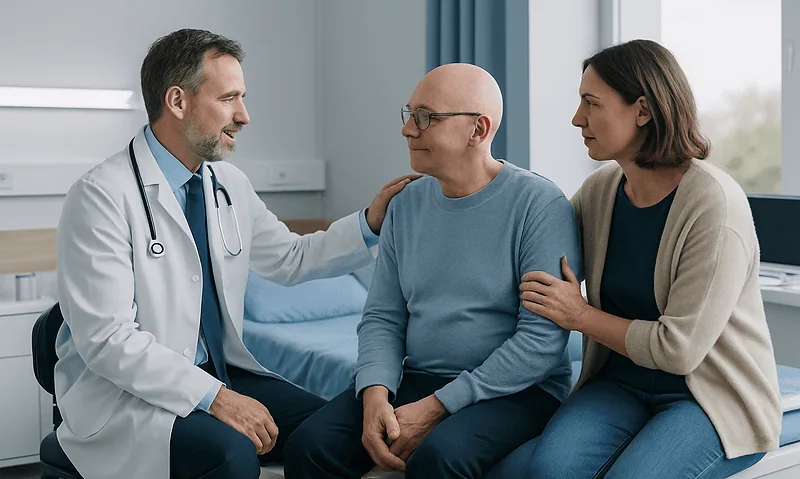
Patients do not normally attend. That bothers some people, understandably. The reason is practical: the board is a technical working session, and several cases are reviewed in sequence. What should happen afterward is a conversation in clinic where the recommendation is explained, alternatives are laid out, and the patient’s response can change the plan.
One point worth stating plainly. A tumor board produces a recommendation, not an order. The treating team and the patient still make the decision, and a person is entitled to ask what the board considered and what the dissenting views, if any, were.
How a bladder cancer tumor board actually works, step by step
The sequence rarely varies. First, the presenting clinician, usually the urologist, summarizes the story in a few sentences: age, how the cancer was found, other medical conditions, what the person has said about their goals. A board that skips this step and jumps straight to the scan is, in my view, doing it wrong, because fitness and preference shape every later branch of the discussion.

Second, the radiologist walks the room through the imaging. The questions are specific. Is the bladder wall thickened? Are there enlarged lymph nodes in the pelvis? Is there any sign of blockage of the tubes from the kidneys (hydronephrosis), which often hints that a tumor has grown deeper than it looks? Is there anything suspicious in the liver, lungs or bones?
Third, the pathologist describes what was removed during the transurethral resection of bladder tumor, or TURBT, the procedure in which a surgeon passes an instrument through the urethra and cuts away visible tumor. Grade, depth, the presence of muscle in the sample, carcinoma in situ and any unusual subtype are all stated out loud.
Fourth, the group debates. A typical exchange: the urologist proposes bladder removal; the radiation oncologist asks whether the person meets the usual criteria for a bladder-preserving combination of chemotherapy and radiation; the medical oncologist asks about kidney function because that affects whether cisplatin-based chemotherapy is an option before surgery; the nurse mentions that the patient lives alone and has already said they fear a urostomy.
Finally, a recommendation is recorded, often with a second-choice alternative. The treating team then books a clinic appointment. According to the NHS, a multidisciplinary team meeting of this kind is standard practice for bladder cancer in the UK, and similar structures exist across most health systems.
Non muscle invasive bladder cancer staging: the first fork in the road
Before anything else, the board sorts the cancer into one of two broad groups. Non-muscle-invasive bladder cancer means the tumor is confined to the inner lining or the thin layer just beneath it. Muscle-invasive bladder cancer means it has grown into the thick muscle wall of the bladder. The NHS notes that most bladder cancers, roughly 7 in 10 at diagnosis, fall into the non-muscle-invasive group.
Staging is the system doctors use to describe how far a cancer has spread. For bladder cancer, the depth part of staging reads like a cross-section of the bladder wall:
- Ta: a tumor on the surface lining, often shaped like a tiny cauliflower.
- Tis (carcinoma in situ): a flat, high-grade patch that has not grown outward but behaves aggressively.
- T1: growth into the connective tissue beneath the lining, but not yet into muscle.
- T2 and beyond: growth into the muscle, then through it, then into nearby organs.
Grade sits alongside stage. Grade describes how abnormal the cells look under the microscope; low-grade cells resemble normal bladder lining, high-grade cells do not. A low-grade Ta tumor and a high-grade T1 tumor are both “non-muscle-invasive,” yet the board will treat them as very different problems, because high-grade T1 disease carries a meaningful risk of progressing to muscle invasion, as outlined in the National Cancer Institute’s treatment summary.
Here is the detail that surprises many patients: the pathologist checks whether the TURBT sample actually contains muscle. If no muscle was captured, the board cannot be sure the tumor has not reached it. In that situation a repeat TURBT is commonly recommended before any decision about BCG or surgery, a step the NHS and Mayo Clinic both describe as routine for higher-risk tumors.
Why the "muscle-invasive or not" question changes everything
The bladder’s muscle layer is more than a landmark. Below it lies a network of blood and lymph vessels, and once cancer reaches that network the chance it has seeded cells elsewhere rises sharply. That is why the treatment philosophy flips at this boundary.
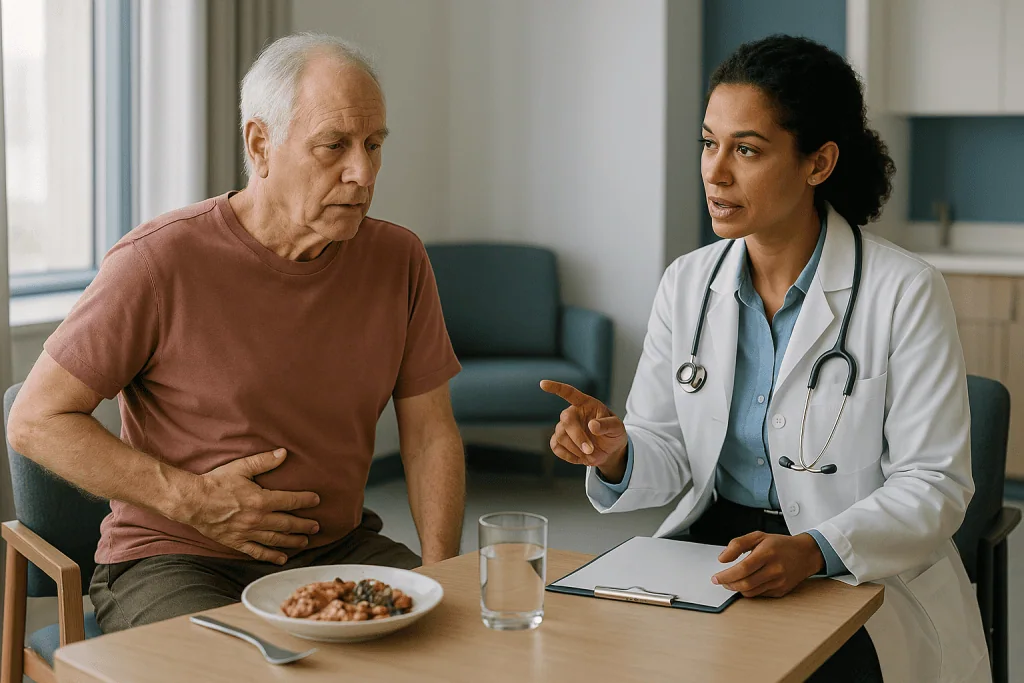
For non-muscle-invasive disease, the goal is to control the cancer inside the bladder while keeping the bladder. Treatment is delivered locally: scope resections, and medicine placed directly into the bladder through a catheter, a method called intravesical therapy. Follow-up cystoscopies become part of life; the Mayo Clinic describes checks every three to six months for the first few years after treatment, with the interval set by the care team based on risk.
For muscle-invasive disease, the goal shifts to treating both the bladder and any cells that may have escaped. The National Cancer Institute’s summary lists removal of the bladder (radical cystectomy), chemotherapy given before surgery in people fit enough to receive it, and bladder-preserving combinations of TURBT, chemotherapy and radiation as the main evidence-based paths.
What the board is really weighing at this fork is risk tolerance in both directions. Treat a T1 high-grade tumor too gently and it may progress while being watched. Remove a bladder for a cancer that could have been controlled locally and the person lives with a permanent change to how they pass urine. Neither error is acceptable, which is why the pathology, imaging and repeat resection findings are examined so carefully before the fork is chosen.
A further nuance: carcinoma in situ, despite being “flat” and technically non-invasive, is grouped with high-risk disease and usually prompts a discussion about immunotherapy into the bladder rather than observation alone.
What the pathology report tells the board, including the sarcoma question
Pathology is the study of tissue under the microscope. The report from a TURBT is the single document a bladder cancer tumor board reads most closely, and several lines in it carry disproportionate weight.
Cell type comes first. More than nine in ten bladder cancers in the United States are urothelial carcinoma, arising from the cells that line the bladder, according to the National Cancer Institute. Squamous cell carcinoma and adenocarcinoma are less common and often behave differently; squamous tumors, for instance, are more closely linked to long-term bladder irritation or infection. People sometimes ask about “sarcoma bladder cancer.” A sarcoma is a cancer arising from muscle, fat or connective tissue rather than from the lining; sarcomas of the bladder are rare, and when one is found the board usually involves a sarcoma specialist and treats the case outside the standard urothelial pathway.
Variant features matter too. Pathologists may describe micropapillary, plasmacytoid, sarcomatoid or small-cell patterns within an otherwise urothelial tumor. These descriptors signal more aggressive behavior and may push a board toward earlier, more intensive treatment, or toward chemotherapy first.
The report also notes lymphovascular invasion, meaning cancer cells seen inside small vessels, and whether carcinoma in situ is present alongside the main tumor. Each of these nudges the risk estimate upward.
Patients can ask for a copy of this report. Reading it with a clinician is more useful than reading it alone, but having it in hand means the clinic conversation can refer to the actual words the board discussed, not a paraphrase of them. When a report is unclear, boards will sometimes request a second pathology opinion before deciding; that is prudence, not indecision.
Imaging, kidney function and the person behind the scan
Scans answer two questions for the board: how far has this gone, and what can this body tolerate?
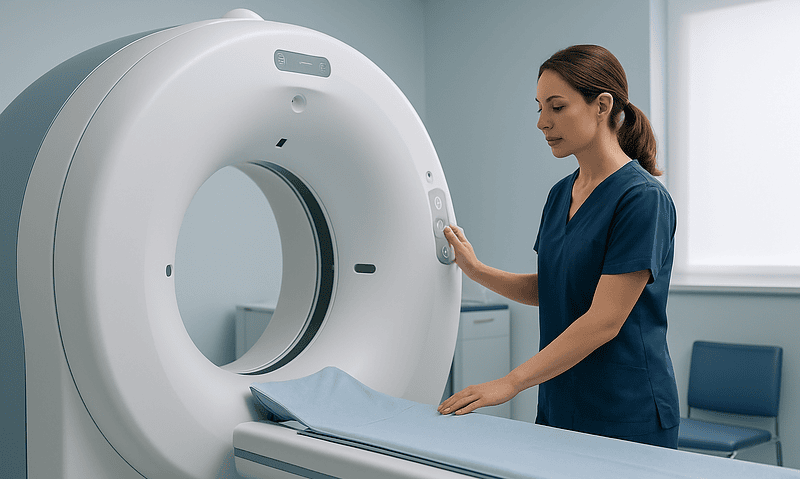
A CT urogram, a contrast scan that outlines the kidneys, ureters and bladder, is the standard first imaging test, as the Mayo Clinic and NHS both describe. It can show whether a tumor is blocking urine flow from a kidney, whether lymph nodes are enlarged, and whether the lining of the upper urinary tract has its own tumors, which happens in a minority of cases. MRI of the pelvis may be added when the depth of invasion is uncertain. A chest CT checks the lungs, and a bone scan is considered if there is bone pain or abnormal blood tests.
Kidney function sits at the center of the chemotherapy decision. Cisplatin, the chemotherapy backbone with the strongest evidence before bladder removal, is cleared by the kidneys and can damage them, along with hearing and nerves. The National Cancer Institute’s summary notes that cisplatin-based combinations before surgery are reserved for people whose kidneys, hearing, nerve function and general fitness allow it. A person with reduced kidney function, which is common in older adults and in anyone whose tumor has been blocking a ureter, may be steered toward surgery alone or toward a different systemic treatment.
Then there is the person. Age by itself is not a barrier to major surgery, but frailty is. Boards look at heart and lung health, diabetes control, previous abdominal operations, smoking status and whether the person can manage a stoma or the self-catheterization sometimes needed with a reconstructed bladder. The specialist nurse’s note, “he says he would rather have radiotherapy than a bag,” belongs on the table alongside the scan, and good boards treat it that way.
The surgical options a bladder cancer tumor board weighs
Surgery in bladder cancer spans a wide range, from a short scope procedure to one of the larger operations in urology.
TURBT. The transurethral resection is both diagnostic and therapeutic for early tumors. The NHS describes it as the usual first treatment for non-muscle-invasive bladder cancer, often followed by a single instillation of chemotherapy into the bladder shortly afterward to reduce the chance of regrowth. The board checks that the resection was complete and that muscle was sampled.
Repeat TURBT. For high-grade T1 tumors, or when muscle was absent from the first specimen, a second resection within weeks is commonly recommended to confirm staging before committing to BCG or cystectomy.
Radical cystectomy. This operation removes the bladder, nearby lymph nodes and, depending on sex and tumor location, the prostate or the uterus and part of the vagina. Because urine still needs somewhere to go, the surgeon builds a urinary diversion. The Mayo Clinic describes the main types: an ileal conduit, where a piece of bowel carries urine to a stoma on the abdomen with an external pouch; and a neobladder, a reservoir made from bowel that is connected to the urethra. A neobladder is not suitable for everyone, and the board considers tumor location, kidney function and the person’s ability to manage it.
Partial cystectomy. Removing only part of the bladder is an option in a small number of carefully selected cases, usually a single tumor in a location that can be removed with a margin, and no carcinoma in situ elsewhere.
Risks are discussed in neutral terms: bleeding, infection, blood clots, bowel complications, changes to sexual function and, for diversions, long-term effects on kidney function and salt balance. The alternatives, including bladder preservation, are presented alongside, not as an afterthought.
Where immunotherapy fits, from BCG to checkpoint inhibitors
Immunotherapy is any treatment that works by prompting the immune system to attack cancer. In bladder cancer it comes in two very different forms, and patients often conflate them.
BCG into the bladder. Bacillus Calmette-Guérin is a weakened strain of a bacterium related to tuberculosis. Instilled into the bladder through a catheter and held for a period before being passed, it provokes an inflammatory immune response in the bladder lining that attacks cancer cells. The NHS describes it as a standard treatment for high-risk non-muscle-invasive bladder cancer, given as an initial course over several weeks and often followed by maintenance instillations for a longer period, with the exact schedule set by the urology team. Side effects commonly include burning, urinary frequency and flu-like symptoms for a day or two after each instillation; rarely, the bacterium can cause a wider infection that requires treatment.
Checkpoint inhibitors by vein. These are antibodies that block proteins such as PD-1 or PD-L1, which act as brakes on T cells. Releasing the brake lets T cells recognize and attack tumor cells throughout the body. The National Cancer Institute’s summary lists this class in advanced or metastatic urothelial cancer, after bladder removal in selected higher-risk cases, and in some people whose non-muscle-invasive cancer has stopped responding to BCG. Treatment is given as infusions in cycles over months, and its characteristic risks are immune-related: inflammation of the bowel, thyroid, liver, skin or lungs, which the oncology team monitors with blood tests and symptom checks.
The board’s job is matching the form of immunotherapy to the stage. BCG is a local treatment for a local problem. Checkpoint inhibitors are a whole-body treatment for a cancer that has, or may have, moved beyond the bladder. Whether either is appropriate, and in what sequence, is a decision for the prescribing clinician after the board’s review.
Chemotherapy and bladder-preserving treatment: what the evidence actually shows
Chemotherapy means medicines that kill rapidly dividing cells, given by vein or, in bladder cancer, sometimes directly into the bladder. Its role depends entirely on stage.
For non-muscle-invasive disease, a single instillation of chemotherapy into the bladder soon after TURBT is described by the NHS as a way to reduce the chance of tumors returning. Courses of intravesical chemotherapy are also used for intermediate-risk tumors, and increasingly as an option when BCG has not worked.
For muscle-invasive disease, the strongest evidence supports cisplatin-based combination chemotherapy before cystectomy in people fit enough to receive it. The National Cancer Institute’s treatment summary reports that this neoadjuvant approach improves survival compared with surgery alone across pooled trials, which is why boards ask about kidney function so early. Exact benefit varies with stage and fitness, and a board will be honest that it is a modest average improvement rather than a guarantee for any one person.
Bladder preservation, sometimes called trimodality therapy, combines a thorough TURBT with chemotherapy given alongside radiotherapy to sensitize tumor cells to radiation. The National Cancer Institute lists it as an option for selected people with muscle-invasive disease, particularly those with a single tumor, no hydronephrosis, no widespread carcinoma in situ and a bladder that works well. Direct randomized comparisons with cystectomy are limited, so boards describe it as an evidence-based alternative in suitable candidates rather than as equivalent for everyone.
For metastatic disease, chemotherapy, checkpoint inhibitors and newer antibody-drug conjugates, which link a chemotherapy molecule to an antibody that homes in on tumor cells, are all part of the discussion. Sequencing is individualized and belongs with the medical oncologist.
Bladder cancer immunotherapy vs surgery: a side-by-side view
The table below is a simplified map of how a bladder cancer tumor board tends to pair treatment paths with disease groups. Real cases overlap categories, and the board’s recommendation may differ from any row here for good reasons.
| Treatment path | Usually considered for | What it involves | What the board weighs most |
|---|---|---|---|
| TURBT with or without a single bladder instillation | Low- and intermediate-risk non-muscle-invasive tumors | Scope resection; chemotherapy placed in the bladder soon afterward | Completeness of resection; grade; number and size of tumors |
| BCG course and maintenance | High-risk non-muscle-invasive disease, including carcinoma in situ and high-grade T1 | Catheter instillations over weeks, then maintenance | Repeat TURBT findings; ability to tolerate instillations; prior BCG response |
| Radical cystectomy, often after cisplatin-based chemotherapy | Muscle-invasive disease; BCG-unresponsive high-risk disease | Bladder removal with lymph nodes and a urinary diversion | Kidney function; fitness; diversion preference; variant histology |
| Bladder-preserving chemoradiation | Selected muscle-invasive cases; people unfit for or declining surgery | Maximal TURBT, then radiotherapy with sensitizing chemotherapy | Single tumor; no hydronephrosis; limited carcinoma in situ; bladder function |
| Systemic immunotherapy or chemotherapy | Advanced or metastatic disease; selected post-surgery cases | Infusions in cycles over months | Spread on imaging; organ function; prior treatments; goals of care |
Two patterns are worth noticing. Immunotherapy and surgery are rarely rivals; for high-risk non-muscle-invasive disease the usual question is whether BCG has failed badly enough that cystectomy should follow. And “bladder-sparing” is not the same as “less serious”: chemoradiation is a demanding course with its own long-term bladder and bowel effects, which the radiation oncologist will explain in clinic.
Who is usually offered surgery first, and who is usually asked to wait
Boards are, at heart, sorting machines, and it helps to know the sorting rules.
Usually moved toward cystectomy sooner: people with confirmed muscle-invasive urothelial cancer and no distant spread; people with high-grade non-muscle-invasive disease that has returned despite an adequate course of BCG; people whose pathology shows aggressive variant patterns; and people with hydronephrosis or a tumor that cannot be fully resected through the scope. For the fit among them, chemotherapy before surgery is normally proposed first, which means “surgery first” often really means “surgery in a few months.”
Usually asked to wait or to take a less invasive path: people whose first TURBT lacked muscle in the specimen and need a repeat resection before staging is trusted; people with low- or intermediate-risk tumors, for whom surveillance cystoscopy and intravesical therapy are standard; people who need a medical work-up, such as cardiac testing, before a major operation can be planned safely; and people who have said they want to explore bladder preservation and meet the criteria for it.
A third group sits between: people with muscle-invasive disease who are not fit for cystectomy. The board does not simply discharge them. The National Cancer Institute’s summary and the NHS both describe radiotherapy, with or without chemotherapy, as an established route in this situation.
Waiting is not the same as neglect, and it deserves saying twice. A repeat TURBT, a kidney function check or a cardiology opinion is the board protecting the person from an irreversible decision made on incomplete information. Patients who feel the pace is wrong in either direction should say so; the specialist nurse is usually the fastest route to having a case re-presented.
What the days and weeks after a tumor board decision usually look like
The clinic appointment that follows the board is where the recommendation becomes a plan, and patients can shape what happens next by arriving with questions and, ideally, a second person to listen.
If the path is BCG, the first weeks involve a catheter visit roughly once a week for the initial course, each lasting a couple of hours including the holding time, with maintenance visits spaced out afterward according to the schedule set by the urology team. Cystoscopy to check the bladder follows the course. Mild urinary symptoms and tiredness for a day or two after each visit are common.
If the path is chemotherapy before cystectomy, the oncology team arranges a port or cannula plan, baseline hearing and kidney tests and a cycle calendar spanning several months. A repeat CT at the end helps the surgeon plan.
If the path is cystectomy, pre-operative assessment covers anesthesia, nutrition and, where relevant, a meeting with a stoma nurse who will mark the abdomen and teach pouch care before the operation. The NHS describes a hospital stay measured in days rather than hours, followed by recovery at home over weeks, during which walking early and staying hydrated matter for clot prevention and bowel recovery.
If the path is chemoradiation, radiotherapy is delivered in daily sessions over several weeks, with bladder irritation, bowel changes and fatigue building through the course and easing afterward.
For every path, follow-up is structured. The Mayo Clinic notes that people treated for bladder cancer need regular checks for years because the cancer has a known tendency to return in the lining. The board’s job does not end with the first recommendation; most cases come back to the same table at least once.
What people often get wrong about tumor boards and bladder cancer
“The board decides, so I have no say.” The board recommends. Patients decide, with their treating team. A recommendation that conflicts with what a person values should prompt a second clinic conversation, and often a second presentation to the board with the person’s preferences stated explicitly.
“Non-muscle-invasive means it is not really cancer.” It is cancer, and high-grade non-muscle-invasive disease can progress. What the label does mean is that bladder-keeping treatment is the standard starting point.
“If they recommend chemotherapy, surgery must be off the table.” For muscle-invasive disease, chemotherapy before cystectomy is the evidence-based sequence for fit patients, not a substitute for surgery.
“Immunotherapy is gentler than surgery.” BCG is local and usually tolerable, but checkpoint inhibitors can cause serious immune-related inflammation that needs prompt medical attention. Gentler is the wrong frame; different is the right one.
“Fatigue means the cancer has spread.” Fatigue is non-specific. Blood in the urine is the symptom the NHS and Mayo Clinic list first for bladder cancer; tiredness on its own is far more often caused by treatment, anemia, poor sleep or the stress of diagnosis. Persistent fatigue still deserves a conversation, not a conclusion.
“A second opinion insults my doctors.” Boards exist precisely because one view is not enough. Asking for an outside opinion on pathology or on a cystectomy recommendation is ordinary and should be supported.
“Recurrence means the first treatment failed.” Bladder cancer returns in the lining often enough that surveillance is built into every plan. A recurrence is a known possibility being caught by a system designed to catch it; what matters is its grade, stage and timing relative to prior treatment.
Questions to ask your care team after the board has met
The best clinic conversations are the ones where the patient already knows what the board looked at. These questions tend to produce the most useful answers.
- What stage and grade did the board assign, and was muscle present in my TURBT specimen?
- Did the pathologist describe carcinoma in situ, lymphovascular invasion or any variant pattern, and how did that change the discussion?
- What did the imaging show, and was anything uncertain enough that the board wanted more tests?
- Was a repeat TURBT discussed, and if not, why was it unnecessary in my case?
- If surgery is recommended, was chemotherapy before surgery considered, and what about my kidney function or fitness shaped that answer?
- Was bladder preservation discussed, and do I meet the usual criteria for it? If not, which criterion did I miss?
- If BCG is recommended, what would count as it not working, and what would the next step be?
- If a checkpoint inhibitor is proposed, what immune-related side effects should I watch for, and who do I call if they appear?
- Which urinary diversion options are open to me, and can I speak with someone living with each?
- Was there disagreement on the board, and what was the second-choice plan?
- How will follow-up be organized, how often will I need cystoscopy, and for how many years?
- Would you support me getting a second opinion on the pathology or the recommendation?
Write the answers down, or ask whether the clinic letter can include them. A plan that can be read back a week later, when the adrenaline has faded, is a plan a person can actually consent to.
When to call your doctor
Treatment for bladder cancer, whatever path the board recommends, comes with a short list of signs that should not wait for the next scheduled visit. Seek care the same day if you notice any of the following.
- Heavy bleeding in the urine, passing clots, or inability to pass urine at all.
- Fever, shaking chills or feeling very unwell within the days after a BCG instillation, a cystoscopy or chemotherapy; after BCG in particular, a persistent high fever can signal the bacterium spreading beyond the bladder.
- During chemotherapy, any fever at all, since infection can escalate quickly when white cell counts are low.
- During checkpoint immunotherapy, new persistent diarrhea, shortness of breath, a dry cough, severe headache, yellowing of the skin or eyes, or a widespread rash; these can be immune-related inflammation that needs prompt assessment.
- After cystectomy, a swollen or painful calf, sudden chest pain or breathlessness, a wound that becomes red, hot or leaks, or a stoma that turns dark or stops producing urine.
- Severe one-sided back or flank pain with fever, which can indicate a blocked, infected kidney.
- New bone pain, unexplained weight loss or confusion, which the treating team will want to assess rather than attribute to stress.
Call emergency services for chest pain, severe breathlessness, heavy uncontrolled bleeding or collapse. For anything else on the list, contact the oncology or urology team through the number given at the start of treatment; most services run a dedicated line for exactly these calls.
Everything above is general guidance drawn from mainstream sources such as the NHS, the Mayo Clinic and the National Cancer Institute. The treating team knows the specific plan and the specific person, and their advice takes precedence over any article.
Frequently asked questions
What is a tumor board for bladder cancer?
A tumor board is a scheduled meeting where specialists from surgery, oncology, radiation, pathology and radiology review a person’s bladder cancer together and agree on treatment options. The patient does not usually attend, but the recommendation is explained afterward in clinic, where it can be questioned, declined or adjusted. The final decision rests with the patient and the treating team, not the board.
How does non muscle invasive bladder cancer staging affect the board's recommendation?
It determines whether the bladder can usually be kept. Non-muscle-invasive disease (stages Ta, Tis and T1) is typically managed with scope resection, intravesical chemotherapy or BCG, and surveillance. Within that group, high-grade T1 and carcinoma in situ are treated as higher risk, often prompting repeat resection and BCG rather than observation, because they can progress to muscle invasion.
What are the chances chemotherapy controls bladder cancer?
There is no single figure, because the answer depends on stage, pathology and fitness. For muscle-invasive disease, the National Cancer Institute’s summary reports that cisplatin-based chemotherapy before bladder removal improves survival on average compared with surgery alone in suitable patients. For metastatic disease, chemotherapy aims to control rather than eliminate the cancer. The treating oncologist can give estimates specific to one person’s situation.
What is sarcoma bladder cancer?
A sarcoma is a cancer that starts in muscle, fat or connective tissue rather than in the bladder’s lining cells. Bladder sarcomas are rare; the overwhelming majority of bladder cancers are urothelial carcinomas arising from the lining. When a sarcoma is found, the tumor board usually brings in a sarcoma specialist, and treatment follows sarcoma principles rather than the standard urothelial pathway.
Is fatigue a common symptom of bladder cancer?
Fatigue is not a typical first sign. The NHS and Mayo Clinic list blood in the urine as the most common symptom, with urinary frequency, urgency or burning next. Tiredness on its own is non-specific and is more often related to treatment, anemia, sleep or stress. Persistent, unexplained fatigue should still be raised with a doctor, especially alongside weight loss or bone pain.
What happens if bladder cancer recurs 6 months after treatment?
The case returns to the tumor board. For non-muscle-invasive cancer that comes back early after an adequate BCG course, the board treats this as BCG-unresponsive and weighs cystectomy, further intravesical therapy or systemic immunotherapy. After cystectomy, a recurrence prompts restaging scans and a discussion about chemotherapy or checkpoint inhibitors. Timing, grade and stage of the recurrence shape the recommendation.
Bladder cancer immunotherapy vs surgery: which does the board prefer?
Neither by default; they answer different questions. BCG immunotherapy is standard for high-risk non-muscle-invasive disease, while radical cystectomy is standard for muscle-invasive disease and for high-risk tumors that keep returning despite BCG. Checkpoint inhibitors are used mainly for advanced disease or selected post-surgery cases. The board matches the treatment to stage, pathology and fitness rather than ranking one over the other.
Why does the board want a repeat TURBT before deciding?
Because staging is only reliable if the specimen includes bladder muscle. If the first resection captured no muscle, or showed high-grade T1 disease, a second resection within a few weeks confirms whether the tumor has invaded deeper and whether anything was left behind. The NHS and Mayo Clinic both describe this as routine for higher-risk tumors, and it protects against both under- and over-treatment.
Can I keep my bladder if the cancer is muscle-invasive?
Sometimes. The National Cancer Institute lists bladder-preserving treatment, combining thorough TURBT with radiotherapy and sensitizing chemotherapy, as an option for selected people, typically those with a single tumor, no blocked kidney, limited carcinoma in situ and good bladder function. It is also used when surgery is not possible. The radiation oncologist on the board assesses suitability case by case.
What is the difference between an ileal conduit and a neobladder?
Both are ways to carry urine after bladder removal. An ileal conduit uses a short piece of bowel to route urine to a stoma on the abdomen, collected in an external pouch. A neobladder is a reservoir built from bowel and connected to the urethra, allowing urine to be passed in a more familiar way, though it requires training and is not suitable for everyone. The surgeon discusses which fits the person.
References
This article is for general information only and is not a substitute for professional medical advice. Please consult a qualified doctor about your individual situation.
Add us as a Preferred Source to see more of our trusted health content across Google Search, AI Overviews and Discover.

More from the Blog

Questions Worth Asking Your Surgeon and Oncologist Before Colon Cancer Treatment
Before colon cancer surgery, ask what stage the cancer is, exactly which section of bowel will be removed, whether the operation will be keyhole…
Stage 3 Lung Cancer Survival Rates: How Stages 1 to 3 Compare by Age, Treatment and Cancer Type
Stage 3 lung cancer survival rate figures are group averages, not predictions. In the SEER registry, people whose lung cancer had spread to nearby…
Which Biomarker Tests Are Run on a Lung Cancer Biopsy, and How Do They Steer Treatment?
A lung cancer biopsy is usually tested for a panel of biomarkers: gene changes such as EGFR, ALK, ROS1, KRAS, BRAF, MET, RET, NTRK…
Why CAR-T Patients Need a Caregiver: What Companions Watch for During the First Weeks
Treatment centers ask CAR-T patients to have a dedicated adult caregiver, usually for at least the first four weeks after the cell infusion, because…
Seeking a Second Opinion on a Cervical Cancer Plan: What to Bring and What to Ask
A cervical cancer second opinion means asking a different gynecologic oncology team to review your biopsy slides, imaging, and stage and say whether they…

How Skin Cancer Treatment Is Planned: Why Type and Depth Matter More Than Size Alone
Skin cancer treatment is planned around the cancer's type, its depth and its location, not simply how wide it looks. Basal cell carcinoma, squamous…