

What Happens During IUI Insemination? Sperm Preparation, the Catheter and the Timing

Key Takeaways
- The insemination itself takes only a few minutes; most of the appointment is the roughly hour-long laboratory wash and a brief rest afterward.
- Raw semen cannot be placed in the uterus because seminal fluid contains prostaglandins that cause severe cramping; washing removes them and concentrates motile sperm.
- An egg can be fertilized for only about 12 to 24 hours after release, which is why IUI is timed to the day of ovulation rather than the week.
- A trigger injection contains the same hormone a pregnancy test detects, so testing early after a trigger can produce a false positive.
- The main risk of medicated IUI is multiple pregnancy, and clinics may cancel a cycle when scans show too many follicles developing.
- IUI requires at least one open fallopian tube and a reasonable post-wash sperm count; without them, teams usually discuss other options.
During an IUI procedure, a semen sample is washed in a laboratory to concentrate the healthiest moving sperm, then placed directly into the uterus through a thin, flexible catheter passed through the cervix. The insemination itself takes only a few minutes, is timed to the day of ovulation, and is usually followed by a short rest and a pregnancy test about two weeks later.
The appointment card says 8:15. By 8:20 you are in a paper gown, and by 8:35 you are back in the parking lot wondering whether that was really it. Many people describe their first intrauterine insemination that way: months of tracking, a flurry of lab calls, and then a procedure shorter than the drive in.
Knowing what happens during IUI procedure appointments does not change the outcome, but it changes how the morning feels. The vocabulary alone can be disorienting: washed sperm, trigger, catheter, luteal phase. Each is a plain idea dressed in clinical language.
This explainer walks through the three parts the title names: how the sperm sample is prepared, what the catheter is and what it feels like, and why the timing is counted in hours rather than days. Along the way it corrects a few persistent myths and sets out the questions worth asking your care team before you book the first cycle.
What happens during the IUI procedure, step by step?
Intrauterine insemination, or IUI, is a fertility treatment in which prepared sperm is placed directly into the uterus around the time an egg is released. It skips the cervix and the upper vagina, so more moving sperm reach the fallopian tubes where fertilization normally happens. Nothing else about conception is changed: the egg is still released by the ovary, fertilization still happens in the tube, and the embryo still has to implant on its own.
On the day, the sequence is predictable. A semen sample is produced or a frozen sample is thawed, and the laboratory washes it over roughly an hour. You lie on an examination table, a speculum (the hinged instrument used in a cervical screening test) is placed to allow the clinician to see the cervix, and a thin, flexible catheter is passed through the cervical opening into the uterine cavity. The prepared sperm, a volume smaller than a teaspoon, is released through the catheter. The catheter and speculum come out, and you rest briefly before going home.
The Mayo Clinic describes the insemination itself as taking only a few minutes, and most of the visit is check-in, confirmation of identity on the sample, and the wait for the lab. There is no anesthesia, no incision, and no requirement for someone to drive you.
What makes IUI more than a simple transfer is everything that happens before: cycle monitoring, ovulation detection, and sometimes medicines to encourage one or more follicles to mature. Those pieces are covered in the sections that follow, because they are where most of the decisions, and most of the questions, actually sit.
Who is IUI usually for, and who is usually asked to consider other options?
IUI makes sense when the main obstacle is getting enough healthy sperm to the right place at the right time. The Mayo Clinic and the NHS list the typical situations: unexplained infertility, mild reductions in sperm count or movement, cervical mucus that is hostile to sperm, ejaculation or erection difficulties, and ovulation disorders when the procedure is combined with ovulation-inducing medicines. It is also the standard route for people using donor sperm, including single women and female same-sex couples, and for anyone who cannot have vaginal intercourse.
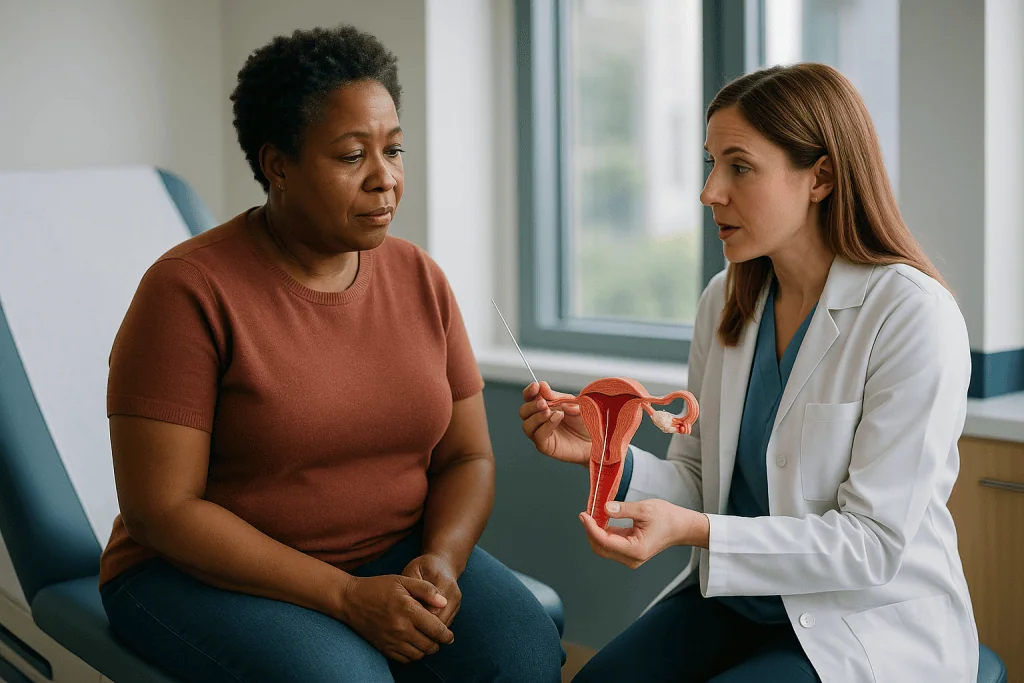
The anatomy has to cooperate. At least one open fallopian tube is needed, which is why a tubal patency test (an X-ray or ultrasound check that dye or fluid can pass through the tubes) is often requested first. A reasonable number of moving sperm after washing is also needed, and clinics set their own thresholds.
Some people are usually guided elsewhere rather than asked to wait. When both tubes are blocked, when sperm numbers are severely reduced, or when endometriosis is moderate to severe, the Mayo Clinic notes that IUI is less likely to help and in vitro fertilization (IVF), in which eggs are fertilized in the laboratory, is often discussed instead. Age matters too: because egg quality declines over time, teams may suggest fewer IUI cycles before moving on for older patients, although the exact cut-offs vary and should come from your own clinician.
The honest summary is that IUI is a gentle first-line option for the right diagnosis and a poor fit for the wrong one. The workup that precedes it is not a hurdle; it is the part that decides whether the procedure is worth your time.
Before the day: tracking ovulation and the trigger decision
Everything about IUI hinges on knowing when the egg will be released. There are two ways to find out, and most clinics use some combination.
The first is watching for the natural surge of luteinizing hormone (LH), the pituitary signal that tells a mature follicle to rupture. Home urine kits detect that surge, and ovulation typically follows within a day or so, which is why the Mayo Clinic describes IUI being scheduled a day or two after a positive test. Blood tests can do the same job with more precision.
The second is ultrasound monitoring. A transvaginal scan measures the leading follicle, the fluid-filled sac that holds the egg, and the clinician estimates maturity from its size. When the follicle looks ready, a trigger injection may be offered. The trigger is a hormone (human chorionic gonadotropin, or a similar agent) that mimics the LH surge and makes the timing of ovulation predictable. The insemination is then booked at a fixed interval afterward, which turns a guessing game into a calendar entry.
Neither approach is better in every case. Natural surge detection suits people who ovulate regularly and want fewer appointments; triggering suits those with irregular cycles or anyone taking medicines to grow follicles. The choice, and any prescription involved, belongs to the prescribing clinician who knows your hormone results.
One practical point: if you are producing a fresh sample, the lab will give you an abstinence window beforehand. Too short and the sample volume drops; too long and the proportion of sluggish sperm rises. Follow the lab’s instruction rather than internet folklore.
Sperm preparation: what washing a sample actually means
Raw semen cannot go into the uterus. Seminal fluid contains prostaglandins, hormone-like compounds that can cause intense cramping when they meet the uterine lining, along with bacteria, dead cells and debris. Washing removes all of that and concentrates the sperm most likely to reach an egg. The Cleveland Clinic puts the laboratory time at about an hour.

Two methods are common. In density gradient centrifugation, the sample is layered over a column of fluid and spun; motile, normally shaped sperm travel through to the bottom while fluid and debris stay higher up. In the swim-up method, a layer of culture medium is placed over the sample and the most active sperm swim into it on their own. Both finish with a small pellet of concentrated sperm suspended in a clean medium, ready for the catheter.
The laboratory also counts what remains. A post-wash total motile sperm count tells the team how many moving sperm will actually be inseminated, and clinics use it both to plan the cycle and, if the number is persistently low, to discuss whether a different treatment would serve you better.
Frozen samples, whether from a partner or a donor, are thawed and washed on the same morning. Freezing lowers the proportion of surviving motile sperm, which is why donor banks quote post-thaw numbers rather than pre-freeze ones.
Identity checks run through every step. Expect to confirm names and dates of birth more than once; two members of staff usually verify the sample against your record before anything is loaded into the catheter. Tedious as it feels, that ritual is the safeguard, not the formality.
Is IUI painful? The catheter, the speculum and what it really feels like
The honest answer is that most people describe IUI as uncomfortable rather than painful, and the discomfort is brief. The Mayo Clinic describes the procedure as usually painless, with some people experiencing mild cramping.
The catheter is a soft plastic tube roughly the width of a thin drinking straw. It passes through the cervical canal, a channel that is normally only a few millimetres wide, which is why a pinch or a wave of period-type cramping can occur as it goes in. The sensation usually fades within seconds of the catheter being withdrawn. The speculum, held open for a minute or two, is often the more memorable part, particularly for anyone who finds pelvic examinations difficult.
A few factors change the experience. A cervix that is tightly closed, angled sharply, or scarred from a previous procedure can make the pass harder; clinicians may use a slightly firmer catheter or a stylet to guide it, and some will perform a trial pass in a prior cycle to map the route. Tension makes everything tighter, so slow breathing and asking the clinician to narrate what they are doing genuinely helps.
Light spotting afterward is common and comes from the cervix, not the uterus. Some people notice fluid leaking after standing up; this is cervical mucus and the medium the sperm were suspended in, not the sperm themselves, which were deposited above the cervix and stay there.
If you have had painful speculum examinations, a history of pelvic pain, or a known cervical stenosis, mention it when booking. Teams have practical ways to make the pass gentler, and knowing in advance lets them plan for it.
How long does IUI take, from arrival to leaving?
Plan on a morning, not a day. The insemination itself is measured in minutes, but the appointment is built around the laboratory.
If a fresh sample is being used, it is produced at the clinic or delivered within a set window, then washed for about an hour according to the Cleveland Clinic. During that hour you are typically asked to wait nearby. Clinics that use frozen samples start the thaw ahead of your arrival, which shortens the wait. Once the prepared sample is ready, identity checks, positioning, the speculum, and the catheter pass together take perhaps ten to fifteen minutes of actual procedure room time.
Afterward you are usually asked to lie still for a short rest. Clinics vary; many suggest somewhere between ten and thirty minutes, and the Cleveland Clinic describes this brief period of lying down after insemination. Research has not shown that longer rest changes the chance of pregnancy, so this is more about comfort and a moment to settle than about keeping anything in place.
Monitoring visits are the hidden time cost. A medicated cycle might involve several ultrasound scans and blood tests spread across the first two weeks of the cycle, each a short appointment but each requiring travel and time off. A natural cycle tracked with home kits may involve only the insemination visit.
Most people return to normal activity the same day. The NHS notes that you can go home shortly after the procedure, and there is no evidence-based reason to lie flat for hours or skip work, though some choose a quiet day for their own peace of mind.
Why IUI timing is counted in hours, not days
The window is narrow because of a biological asymmetry. Once released, an egg can be fertilized for only about 12 to 24 hours, while sperm can survive in the female reproductive tract for up to five days, according to the Cleveland Clinic. In natural conception, that asymmetry means intercourse before ovulation is more useful than intercourse after it.
IUI works slightly differently. Washing strips sperm of seminal fluid and starts a process called capacitation, the chemical change that makes sperm able to penetrate an egg. Washed sperm are ready sooner but may not survive as long as sperm deposited naturally. The practical goal is therefore to have motile sperm waiting in the tubes when the egg arrives, without placing them so early that they have faded.
That is why clinics anchor the insemination to a known event. With a natural LH surge, the Mayo Clinic describes IUI being performed a day or two after the positive test, which lines up with expected ovulation. With a trigger injection, the interval is fixed in advance so that insemination coincides with release.
Some clinics perform a single insemination; others offer two on consecutive days. Systematic reviews have compared the approaches, and the evidence does not consistently favor one over the other, so this is a clinic-level decision rather than a settled rule.
If your surge arrives on a weekend or the follicle matures faster than expected, the plan may shift by a day or a cycle may be cancelled. Frustrating as that is, a cancelled cycle timed well beats a completed one timed badly.
Natural cycle versus medicated cycle IUI: what changes
The catheter and the lab work are identical either way. What differs is what happens to the ovaries beforehand, and that choice shapes the monitoring, the risks and the number of eggs in play.
| Feature | Natural cycle IUI | Medicated (stimulated) IUI |
|---|---|---|
| Ovulation | Your own cycle, one egg | Medicines encourage one or more follicles to mature |
| Medicines | None, or a trigger only | Oral ovulation-inducing agents or injectable gonadotropins, plus often a trigger |
| Monitoring | Home LH kits, sometimes one scan | Several ultrasound scans and blood tests |
| Multiple pregnancy risk | Close to the background rate | Raised; the Mayo Clinic and NHS both flag this as the main risk |
| Who it usually suits | Regular ovulation; donor sperm; cervical or mild male factor | Irregular or absent ovulation; unexplained infertility when natural cycles have not worked |
| Cycle cancellation | Rare, usually for a missed surge | More common, if too many follicles grow or none respond |
Oral ovulation-inducing medicines work by nudging the pituitary to release more follicle-stimulating hormone; injectable gonadotropins supply that hormone directly and are more potent, which is why they require closer scanning. Both are prescribed and adjusted only by the treating clinician, and the aim in IUI is deliberately modest: one or two mature follicles, not the dozen that IVF seeks.
Guidance from the NHS notes that fertility drugs with IUI increase the chance of twins or more, and multiple pregnancy carries higher risks for both parent and babies. Many teams will cancel or convert a cycle when scans show too many follicles. That is not a failure of the cycle; it is the safety system working.
What to expect after IUI: the two-week wait, week by week
The hours after insemination are usually unremarkable: mild cramping, perhaps a little spotting, then nothing. The absence of sensation is normal and tells you nothing about the result.
In the first few days, if fertilization happens, it does so in the fallopian tube within the egg’s roughly 24-hour window described by the Cleveland Clinic. The fertilized egg then travels toward the uterus over several days, and implantation into the lining occurs roughly a week after ovulation. None of this is detectable from the outside. Breast tenderness, bloating and fatigue during this stretch are very commonly caused by progesterone, which rises after ovulation in every cycle, pregnant or not, and rises higher if a trigger injection or progesterone support was used.
Around days seven to ten, some people notice light spotting. This can be implantation bleeding, but it can equally be a hormonal fluctuation, and the two are indistinguishable without a test.
The Mayo Clinic and NHS both advise a pregnancy test about two weeks after insemination. Testing earlier is tempting and frequently misleading: a trigger injection contains the same hormone that pregnancy tests detect, so a test taken within days of the shot can read positive even when no pregnancy exists, and a very early test can read negative before hormone levels have risen enough. Your clinic will tell you the exact date and whether to use a home test or a blood test.
Exercise, work, sex and travel can generally continue as normal unless your team advises otherwise. There is no evidence that bed rest, specific foods or avoiding movement changes the result, and most clinicians would rather you kept your routine than spent two weeks on the sofa reading symptom forums.
What are the risks and side effects of IUI?
IUI is among the lowest-risk fertility procedures, and most of its risks come from the medicines rather than the catheter.
From the procedure itself, the Mayo Clinic lists a small risk of infection, since an instrument is passed through the cervix, and the possibility of light vaginal spotting from the cervix. Cramping is common and short-lived. Allergic reactions to the culture medium are rare. Perforation of the uterus is a theoretical risk with any uterine instrument but is very uncommon with the soft catheters used for IUI.
From the medicines, the main concern is multiple pregnancy. Ovulation-inducing drugs can mature more than one follicle, and the Mayo Clinic and NHS both identify twins and higher-order multiples as the most significant risk of medicated IUI. Multiple pregnancy raises the chances of preterm birth, low birth weight and pregnancy complications, which is why clinics monitor follicle numbers and cancel cycles that look too productive.
Ovarian hyperstimulation syndrome, in which the ovaries swell and fluid shifts into the abdomen, is mostly a concern with the higher medicine doses used in IVF. It is uncommon in IUI cycles but not impossible, particularly with injectable gonadotropins, and the warning signs are covered in the section on when to call your doctor.
Emotional strain deserves a line of its own. Monthly cycles of hope and disappointment are hard, and many fertility units offer counselling or can signpost to it. Asking about psychological support is as legitimate as asking about catheter type.
None of these risks means IUI should be avoided; they are the information you need to weigh the procedure fairly against alternatives, with your own team.
Alternatives to IUI and how it fits in the wider treatment ladder
IUI sits in the middle rung of fertility treatment. Below it are timed intercourse, ovulation induction without insemination, and lifestyle and medical management of the underlying cause, such as treating thyroid disease or addressing weight-related ovulation problems. Above it is IVF, with or without intracytoplasmic sperm injection (ICSI), in which a single sperm is injected directly into an egg in the laboratory.
The National Institutes of Health describes this spectrum of treatments, from medicines that stimulate ovulation through surgical correction of anatomical problems to assisted reproductive technologies. Where you start depends on diagnosis, age, how long you have been trying, and how many attempts you are willing to make at each level.
Timed intercourse is the obvious alternative for couples who can have vaginal sex and whose sperm parameters are normal; for them, IUI adds procedure without adding much biology. Ovulation induction alone may be enough for someone who does not ovulate but has no other barrier. IVF becomes the better fit when tubes are blocked, sperm numbers are very low, or several well-timed IUI cycles have not worked, because it bypasses the tube entirely and allows the laboratory to confirm fertilization.
Surgery is occasionally the alternative: removing a polyp or fibroid distorting the uterine cavity, or treating endometriosis, can improve the odds of any subsequent treatment.
Doing nothing further is also an option, and a legitimate one. Some people decide, after reviewing the evidence with their team, that the emotional and practical cost of continued cycles is more than they want to carry. A good consultation treats that choice with the same respect as any other.
What people often get wrong about IUI
The first myth is that IUI is a milder version of IVF. It is not a version of IVF at all. Fertilization happens inside the body, unseen, exactly as it would naturally; the procedure only shortens the sperm’s journey. People sometimes expect laboratory confirmation that fertilization occurred, and there is none.
The second is that lying down afterward keeps the sperm in. The sperm are deposited above the cervix and the uterus is not an open bucket; gravity does not pull them out. The short rest clinics offer is about comfort and recovery from the speculum, and studies have not shown that longer rest improves outcomes.
The third is that fluid leaking afterward means the procedure failed. The leakage is cervical mucus and the small volume of medium, not the concentrated sperm.
The fourth is that a positive home test a few days after a trigger injection is a pregnancy. The trigger contains the same hormone the test detects, so early tests can be false positives. Wait for the date your clinic gives you.
The fifth is that more medicine means better odds. In IUI, more follicles mainly means more risk of multiples, which is why teams aim for one or two and cancel cycles that overshoot.
The sixth is that first-cycle success rates quoted online apply to you. Published figures are averages across very different ages and diagnoses. The only number that matters is the one your clinician gives you after seeing your test results, and a careful clinician will give it as a range with its uncertainties attached rather than as a promise.
Questions to ask your care team before your first IUI cycle
A good consultation leaves you knowing why this treatment, why now, and what would prompt a change of plan. These questions help get there.
- Which part of my diagnosis is IUI designed to address, and what evidence supports it for that diagnosis?
- Has tubal patency been confirmed, and what were the post-wash sperm numbers on the last analysis?
- Will this be a natural or a medicated cycle, and what is the reasoning?
- How many monitoring visits should I expect, and can any be done closer to home?
- Will a trigger injection be used, and how will the insemination be timed to it?
- Do you perform one insemination per cycle or two, and why?
- What follicle count would lead you to cancel the cycle, and what happens then?
- How many IUI cycles would you suggest before reviewing whether to move to another option?
- What is the realistic chance per cycle for someone with my age and findings, and how confident are you in that estimate?
- What side effects should I expect from any medicines, and which symptoms should prompt a call?
- When exactly should I test, and should it be a home test or a blood test?
- What counselling or support is available during the cycle?
Write the answers down or bring someone who will. The two-week wait is easier when the plan for both outcomes has already been agreed, and the decision to continue, pause or change course stays with you and your treating team rather than with the result of a single cycle.
When to call your doctor after IUI
Most people need no contact with the clinic between insemination and test day. A few symptoms do warrant a same-day call, and a smaller number warrant urgent care.
Call the clinic the same day for: a fever or chills in the days after the procedure, which could indicate infection; vaginal discharge that is foul-smelling or discolored; bleeding heavier than spotting; pelvic pain that is worsening rather than settling; or pain during urination. If you used ovulation-inducing medicines, call promptly for marked abdominal bloating, rapid weight gain over a day or two, nausea or vomiting, or noticeably reduced urination, since these can be early signs of ovarian hyperstimulation syndrome.
Seek urgent care, by emergency services if needed, for: severe or sudden abdominal pain, especially with shoulder-tip pain or fainting, which can signal an ectopic pregnancy or ovarian torsion; shortness of breath or chest pain; a leg that is swollen, red or painful, which can indicate a blood clot; or heavy bleeding that soaks through a pad in an hour.
After a positive test, the same red flags apply, and one-sided pelvic pain or bleeding should be reported immediately so that an ectopic pregnancy, where the embryo implants outside the uterus, can be ruled out.
Mild cramping, light spotting on the day, breast tenderness and mood changes are expected and do not need a call unless they worry you. When in doubt, ring. Fertility units expect these calls and would rather hear from you unnecessarily than not hear from you when it mattered. Every clinical decision, from cancelling a cycle to changing medicine, rests with your treating team.
Frequently asked questions
How painful is the IUI process?
Most people describe IUI as mildly uncomfortable rather than painful. The catheter passing through the cervix can cause a brief pinch or period-like cramp that fades within seconds, and the speculum is often the more awkward part. No anesthesia is needed. If you have had painful pelvic examinations before, tell the clinic when booking so they can plan a gentler approach.
How many days after IUI do you conceive?
Fertilization, if it happens, occurs within about a day of ovulation, since the egg is viable for roughly 12 to 24 hours. The fertilized egg then travels to the uterus and implants roughly a week later. None of this can be felt, and the earliest reliable confirmation is the pregnancy test your clinic schedules about two weeks after insemination.
How successful is IUI on the first try?
There is no single figure that applies to everyone. Published averages combine people of very different ages, diagnoses and cycle types, so they say little about an individual. Your clinician can give a personalized estimate after reviewing your test results, and a careful one will present it as a range. Many people need more than one cycle, and teams usually agree in advance how many to try.
How much do three rounds of IUI cost?
This article does not give prices, because costs vary widely by country, insurance, funding eligibility and whether medicines, monitoring and donor sperm are included. Ask your clinic for an itemized breakdown covering each element of a cycle, and ask what happens financially if a cycle is cancelled. In some health systems, including the NHS, IUI may be funded for specific groups.
What is the IUI procedure step by step?
The sequence is: ovulation is confirmed by home kit, blood test or ultrasound, sometimes with a trigger injection; a semen sample is produced or thawed and washed for about an hour; you lie on an examination table; a speculum is placed; a thin catheter is passed through the cervix; the prepared sperm is released into the uterus; the instruments are removed; you rest briefly and go home.
How long does IUI take from start to finish?
The insemination takes a few minutes, but plan for a morning. The laboratory wash takes about an hour if a fresh sample is used, the procedure room time is around ten to fifteen minutes, and most clinics suggest a short rest of ten to thirty minutes afterward. Monitoring visits in the days beforehand add further short appointments, particularly in medicated cycles.
What should I expect after IUI in the two-week wait?
Expect mild cramping and possibly light spotting on the day, then usually nothing. Breast tenderness, bloating and fatigue are common and are mostly caused by progesterone, which rises after ovulation whether or not pregnancy occurs. Normal activity can continue. Test on the date your clinic gives you, typically about two weeks after insemination, and avoid earlier testing if a trigger was used.
Does lying down after IUI improve the chances?
Research has not shown that resting longer after insemination changes the chance of pregnancy. The sperm are placed above the cervix and do not fall out when you stand. The short rest most clinics offer is for comfort and to recover from the speculum. Fluid leaking afterward is cervical mucus and culture medium, not the inseminated sperm.
Why would an IUI cycle be cancelled?
Common reasons are too many follicles developing in a medicated cycle, which raises the risk of twins or higher-order multiples; no follicle responding; a missed ovulation surge; or a sperm sample that falls below the laboratory’s threshold after washing. Cancellation is a safety measure rather than a failure, and your team will explain what changes for the next attempt.
Can I have sex, exercise or travel after IUI?
Unless your clinic advises otherwise, yes. There is no evidence that intercourse, exercise or travel after insemination lowers the chance of pregnancy, and the NHS notes that you can go home shortly after the procedure. Some clinics suggest intercourse around insemination day to add sperm to the window. Follow your own team’s specific guidance.
References
- Cleveland Clinic: IUI (Intrauterine Insemination)
- NHS: Intrauterine insemination (IUI)
- Cleveland Clinic: Ovulation
- NIH (NICHD): What are the treatments for infertility?
This article is for general information only and is not a substitute for professional medical advice. Please consult a qualified doctor about your individual situation.

More from the Blog

The Endometriosis Diet: What Anti-Inflammatory Eating Can and Cannot Do
An endometriosis diet rich in vegetables, fruit, whole grains, legumes, fish and olive oil, with fewer trans fats, processed meats and alcohol, may ease…

FSH Test and Antral Follicle Count: The Ovarian Reserve Tests Beyond AMH
An FSH test measures follicle-stimulating hormone, the pituitary signal that recruits eggs each cycle; a higher day-2-to-5 level suggests the ovaries need more prompting…

Period Bloating, Cravings and Fatigue: The Hormone Timeline Behind the Symptoms
Period bloating is mostly fluid shift and slower digestion driven by the rise and fall of progesterone and estrogen in the week before bleeding,…

Before Artificial Fertilisation Begins: The Tests Both Partners Complete and Why They Matter
Before IUI or IVF starts, both partners usually complete a structured workup: a semen analysis for the male partner; hormone blood tests, an ultrasound…

Azoospermia vs Oligospermia: How Each Male Infertility Diagnosis Changes the Treatment Plan
Azoospermia means a semen analysis finds no sperm at all; oligospermia means sperm are present but fewer than the reference range, commonly under 15…

Does Bed Rest Help After Embryo Transfer? Common Myths Your Clinic Wants You to Drop
Bed rest after embryo transfer has not been shown to improve the chance of pregnancy. Randomized trials and systematic reviews found no benefit from…