

What Pancreatic Cancer Follow-Up Includes: Imaging, Blood Tests and Supportive Care
Key Takeaways
- Major oncology guidelines (ASCO, NCCN) suggest surveillance visits every 3–6 months for the first two years after pancreatic surgery and every 6–12 months afterward, because most recurrences appear in those first two years.
- The CA 19-9 blood test is useful only as a trend across consecutive visits; a single elevated value can reflect a blocked bile duct or infection, and a minority of people never produce the marker at all.
- Contrast-enhanced CT of the chest, abdomen and pelvis is the standard surveillance scan, with MRI or PET-CT reserved for specific questions such as contrast allergy or an unexplained rising marker.
- The final pathology report, covering margins, lymph nodes and grade, is the document that most shapes both adjuvant chemotherapy decisions and how intensively someone is followed.
- Fat malabsorption after pancreatic surgery is common, treatable with pancreatic enzyme replacement, and one of the most important things to fix because untreated weight loss undermines strength and chemotherapy tolerance.
- Diabetes after pancreatic resection behaves differently from type 2 disease, with sharper highs and lows, so glucose monitoring at follow-up is closer and more individualized than a routine annual check.
Pancreatic cancer follow-up after surgery usually combines regular clinic visits, CT scans of the chest and abdomen, and blood tests including the CA 19-9 tumor marker, most often every few months in the first two years and less often afterward. It also covers digestion, blood sugar, nutrition, fatigue and emotional support. The exact schedule is set by the treating oncology team based on the individual situation.
The drain is out, the incision has faded to a pink line, and the hospital wristband went in the trash weeks ago. Then a letter arrives with a scan appointment, and the calm that took months to build wobbles. People who have been through a Whipple operation often say the strangest part is not the surgery itself but the quiet stretch after it, when the question shifts from “Can they remove it?” to “How will anyone know if it comes back?”
That question has a real answer, and it is more structured than most people expect. Pancreatic cancer follow up after surgery is not a single scan or a single blood test. It is a planned rhythm of imaging, laboratory work, symptom conversations and practical support for a body that has lost part of an organ it relies on to digest food and regulate sugar.
This explainer walks through what that rhythm usually includes, why each piece is there, and which parts of it deserve your attention most.
What pancreatic cancer follow up after surgery is actually for
Surgery for pancreatic cancer, whether a Whipple procedure (removal of the head of the pancreas, the first part of the small intestine, the gallbladder and part of the bile duct) or a distal pancreatectomy (removal of the tail and often the body of the pancreas), is the only treatment that can remove the tumor completely. Yet the pancreas sits deep in the abdomen, wrapped around major blood vessels and rich in lymphatic channels, and microscopic cancer cells can already be elsewhere at the time of the operation. Follow-up exists because the surgeon’s report, however reassuring, cannot see what a microscope cannot see.
Follow-up has three jobs. The first is to detect recurrence, meaning cancer that has come back either in the surgical bed or at a distant site such as the liver or lungs, at a point when further treatment is still an option. The second is to catch and manage the consequences of the operation itself: poor digestion, weight loss, new or worsened diabetes, bile duct narrowing, vitamin deficiencies. The third, easy to overlook, is to support the person rather than the scan, which means fatigue, mood, work, sleep and relationships all belong on the agenda.
Mainstream guidance from bodies such as the American Society of Clinical Oncology and the National Comprehensive Cancer Network frames surveillance as a shared plan between oncologist, surgeon, primary care clinician and, increasingly, dietitians and specialist nurses. The Mayo Clinic’s treatment overview describes this multidisciplinary approach as standard rather than optional. What follows is the general shape of that plan; the specifics for any individual sit with the treating team.
How does pancreatic cancer surveillance work in practice?
Picture a clinic visit roughly every three months in the beginning. Before the appointment, blood is drawn and a scan is done. On the day, a clinician reviews the images and the numbers, examines the abdomen, asks about weight, appetite, bowel habit, pain and energy, and compares all of it with the last visit. The comparison is the point. A single CA 19-9 value or a single small spot on a scan means little; the direction of travel over several visits means much more.
The oncology guidelines most widely used in the United States (ASCO and NCCN) suggest visits every 3–6 months for the first two years after surgery, then every 6–12 months for several more years. That front-loading is deliberate: the same guideline literature notes that most recurrences appear within the first two years, so the surveillance net is tightest when the risk is highest.
Each element of surveillance answers a slightly different question:
- Imaging asks: is there a new mass, an enlarging lymph node, fluid in the abdomen, or a change in the liver or lungs?
- Tumor marker blood tests ask: is the biochemical signal that the tumor left behind rising again?
- Routine blood tests ask: is the liver draining bile properly, is blood sugar controlled, are nutrients being absorbed?
- The conversation asks: has anything changed that the tests cannot measure?
No single component is decisive. Surveillance works because the pieces cross-check one another, and because the person being followed is an active participant who reports changes between visits rather than waiting for the next scheduled scan.
Which CT scan after Whipple surgery is used, and how often?
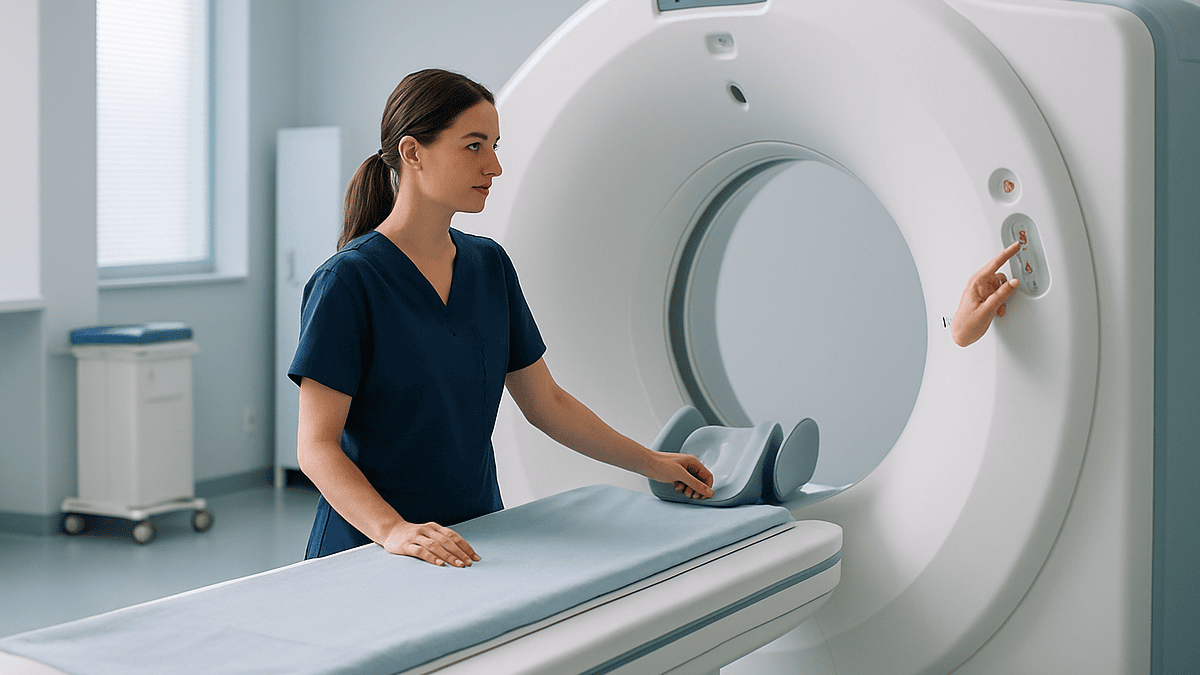
The workhorse of pancreatic cancer surveillance is a contrast-enhanced CT scan of the chest, abdomen and pelvis. A CT scan is a series of X-ray images assembled by computer into cross-sectional slices; the intravenous contrast dye makes blood vessels and organs stand out so that a new nodule or a thickening near the surgical site is easier to see. Most protocols use a “pancreas protocol” CT, which times the image capture to the moment contrast flows through the pancreatic bed.
The first post-operative CT is usually done after adjuvant chemotherapy starts or finishes, then repeated at each surveillance interval. Reading a post-Whipple scan is a specialist skill. The anatomy has been rearranged, scar tissue is expected, and the reconstructed connections between pancreas, bile duct and intestine can look unusual to an untrained eye. Radiologists therefore compare each new scan directly with the previous one, which is why bringing prior imaging when changing hospitals matters so much.
MRI (magnetic resonance imaging, which uses magnetic fields rather than X-rays) is sometimes chosen instead, particularly for people who cannot receive CT contrast because of kidney function or allergy, or when a liver lesion needs clearer characterization. PET-CT, which highlights areas of high sugar metabolism, is used selectively rather than routinely, typically when a rising tumor marker is not explained by CT findings. The National Cancer Institute’s treatment summary lists all three as standard tools without recommending one for every situation.
Radiation exposure from repeated CT is a legitimate question to raise. Clinicians weigh that small long-term risk against the immediate value of detecting recurrence, and the balance generally favors scanning during the high-risk years, then spacing scans out.
What does CA 19-9 after surgery tell your team?
CA 19-9 is a carbohydrate antigen, a sugar-protein molecule shed into the blood by many pancreatic cancers. It is measured with a simple blood draw, and MedlinePlus describes it as a tumor marker used mainly to track treatment response and watch for recurrence rather than to diagnose cancer in the first place. That distinction matters after surgery.
A well-behaved CA 19-9 falls toward the normal range in the weeks after the tumor is removed. A value that then climbs steadily across two or three consecutive tests is often the earliest hint of recurrence, sometimes months before anything shows on a CT scan. This is why the marker is checked at nearly every visit.
Three caveats keep the test honest. First, a minority of people genetically do not produce CA 19-9 at all, so a normal value in them proves nothing; oncologists usually establish this from the pre-surgery level. Second, the marker rises in benign conditions too: a blocked bile duct, pancreatitis, cholangitis and some liver disorders can all push it up. A single elevated result during an infection or after a stent problem is not a diagnosis of recurrence. Third, laboratories use slightly different assays, so comparing results across different labs can mislead.
The practical takeaway is that trends beat snapshots. A team looks for a sustained rise, correlates it with imaging, and considers benign explanations before drawing conclusions. If the marker rises and scans stay clear, the usual response is closer follow-up with repeat imaging, not immediate treatment. Asking your clinician what your baseline was before surgery, and what pattern would prompt concern, turns an anxious number into a useful one.
Who is followed this closely, and who is usually asked to wait?
Structured surveillance is standard for anyone who has had a pancreatic cancer removed with the intent of eliminating all visible disease, regardless of age. That includes people after a Whipple, a distal pancreatectomy or, less commonly, a total pancreatectomy (removal of the entire gland). It also includes people who received chemotherapy or chemoradiation before surgery, since their risk profile is shaped by how the tumor responded.
Two groups are often handled differently. People who are too frail or unwell to tolerate further chemotherapy if recurrence were found sometimes choose, together with their team, a lighter surveillance plan focused on symptoms rather than routine scans. The logic is candid: surveillance is only worthwhile if detecting something would change what is done next. Guidelines explicitly leave room for this shared decision.
The second group is people still recovering from significant surgical complications. A leak from the pancreatic connection, a deep abdominal infection, delayed stomach emptying or a slow return of nutrition can push the start of adjuvant chemotherapy back by weeks. In that setting, the immediate follow-up is intensive but surgical: repeat scans for fluid collections, drain checks, wound care and nutrition support. Formal cancer surveillance begins once recovery allows it. The Mayo Clinic notes that a hospital stay after a Whipple commonly lasts a week or more and that full recovery can take weeks to months, so the timeline is elastic.
People whose tumor turned out on final pathology to be a different diagnosis, such as a neuroendocrine tumor or a precancerous cystic lesion, are followed too, but on schedules specific to those conditions. A conversation about which category you fall into, and why, is a reasonable request at the first post-operative visit.
A typical pancreatic cancer follow-up schedule at a glance
Schedules vary between countries and institutions, and the treating team adjusts them to the individual, but the elements below appear in most guideline-based plans. The timing column reflects the intervals suggested in ASCO and NCCN guidance; it is a typical range, not a promise.
| Component | What it checks | Typical timing (first 2 years) | Typical timing (years 3 onward) |
|---|---|---|---|
| Clinic visit and physical exam | Symptoms, weight, abdomen, overall function | Every 3–6 months | Every 6–12 months |
| CT chest, abdomen, pelvis | Local recurrence, liver, lung, peritoneal disease | Every 3–6 months | Every 6–12 months, then as advised |
| CA 19-9 blood test | Biochemical trend suggesting recurrence | Each visit | Each visit |
| Liver function, full blood count | Bile drainage, anemia, general health | Each visit | Each visit |
| Blood glucose or HbA1c | New or worsening diabetes | Each visit or as needed | At least yearly |
| Nutritional review | Enzyme needs, weight, vitamins | Each visit | Yearly or when symptoms change |
| Psychosocial check | Mood, anxiety, sleep, work, support | Each visit | Each visit |
A few points behind the table. The frequency of scans in the later years is where guidelines diverge most; some programs continue routine CT to five years, others shift to symptom-driven imaging after two or three. Vitamin monitoring is often forgotten unless a dietitian is embedded in the clinic, yet fat-soluble vitamin (A, D, E, K) and B12 deficiencies are well-recognized after pancreatic surgery because fat digestion is impaired and part of the stomach or duodenum may be gone. Nobody should read this table as a contract; read it as the skeleton your own plan is built on.
What the first weeks after a Whipple usually look like
The early phase of follow-up is less about cancer surveillance and more about a body relearning how to eat. In the first two to four weeks at home, appetite is typically small, meals are frequent and modest, and weight often continues to drift downward before it stabilizes. The Mayo Clinic’s description of Whipple recovery emphasizes that feeling well again is a matter of weeks to months rather than days, and that stamina returns before appetite does.
A first surgical review commonly happens two to three weeks after discharge. The wound is inspected, any remaining drain is removed, and the final pathology report is discussed. This report is the single most consequential document of the whole journey: it states tumor size, lymph node involvement, whether the surgical margins were free of cancer, and the tumor’s grade. Those details shape the recommendation about adjuvant chemotherapy and the intensity of later surveillance. Ask for a copy and ask for it to be explained in plain words.
Common early issues include delayed gastric emptying (the stomach empties slowly for a time, causing fullness and nausea), loose or pale, floating stools signaling fat malabsorption, and fatigue that feels disproportionate to activity. Each has a management path, and reporting them early prevents small problems from becoming admissions.
A medical oncology consultation is typically arranged within the first four to eight weeks, because guideline-based adjuvant chemotherapy is generally started once a person has recovered enough to tolerate it, ideally within about twelve weeks of surgery. That window is a target, not a cliff edge; people who need longer to recover still benefit from the discussion, and the decision about timing rests with the oncologist and the individual together.
How adjuvant chemotherapy fits into pancreatic cancer follow-up
Adjuvant chemotherapy means drug treatment given after surgery to attack cancer cells too small to see. For pancreatic cancer it is recommended by essentially every major guideline for people fit enough to receive it, because the operation alone leaves a high risk of relapse. The NHS treatment overview and the National Cancer Institute’s summary both describe chemotherapy after surgery as a standard part of care for resected disease.
The regimens in common use are combinations of cytotoxic drugs, medicines that damage rapidly dividing cells, given in cycles over a course that runs for months rather than weeks. Which combination is offered depends largely on fitness: the more intensive multi-drug regimens are reserved for people who have recovered well and have good organ function, while gentler single-drug or two-drug options are used when that is not the case. This is a clinical judgment made by the medical oncologist, and it is entirely appropriate to ask what alternatives were considered and why.
During chemotherapy, follow-up temporarily intensifies. Blood counts are checked before each cycle, side effects such as neuropathy (nerve tingling in fingers and toes), nausea, diarrhea and mouth soreness are tracked, and a CT scan is usually done partway through and at the end. That end-of-treatment scan becomes the new baseline against which all future surveillance images are compared.
People sometimes wonder whether chemotherapy is still worthwhile if they feel well and the surgeon described the operation as clean. The evidence base says yes for those who can tolerate it, and the reasoning is the same as the reasoning for follow-up itself: a clean operation removes what can be seen, and chemotherapy targets what cannot. Any decision to decline, delay or stop belongs in a frank conversation with the treating oncologist.
Digestion, enzymes and eating after pancreatic surgery
The pancreas makes the enzymes that break down fat, protein and starch. Remove part of it, reroute the plumbing, and food can pass through partly undigested. The result, called pancreatic exocrine insufficiency, shows up as bloating, cramping, oily or pale stools that float and are hard to flush, unexplained weight loss and, over time, deficiencies in fat-soluble vitamins. The Cleveland Clinic and Johns Hopkins both list this as one of the most common long-term effects of pancreatic surgery.
The standard response is pancreatic enzyme replacement therapy, a class of prescription capsules containing pig-derived digestive enzymes taken with food so they mix with the meal in the small intestine. The mechanism is straightforward substitution: the capsule supplies what the remaining pancreas cannot. How much is needed varies with meal size and fat content, and adjustments are made by the prescribing clinician or a specialist dietitian based on symptoms and weight, so no general dosing guidance belongs here.
Beyond enzymes, the practical eating advice that dietitians give after a Whipple tends to converge on a few themes:
- Small, frequent meals rather than three large ones, because the reconstructed stomach tolerates volume poorly.
- Protein at every meal to protect muscle during recovery.
- Not avoiding fat wholesale; with enzymes, fat is a valuable source of calories.
- Chewing thoroughly and sitting upright after eating to ease slow stomach emptying.
- Separating fluids from solids by twenty to thirty minutes if early fullness is a problem.
Weight is one of the most useful numbers in the entire follow-up program. A steady weight, or a slow regain, suggests digestion is working. Ongoing loss despite a reasonable appetite is a signal to review enzyme use and look for other causes, and it should never be dismissed as “just recovery.”
Diabetes after pancreatic surgery: what to expect at follow-up
The pancreas also makes insulin, the hormone that moves sugar from the blood into cells, and glucagon, which raises blood sugar when it falls. Removing pancreatic tissue can tip a person into diabetes, worsen diabetes that already existed, or, after a total pancreatectomy, guarantee it. Diabetes caused by pancreatic disease or surgery is sometimes called type 3c diabetes, and it behaves differently from the common type 2 form.
The differences matter for follow-up. Because glucagon is lost along with insulin, blood sugar can swing sharply in both directions; low sugars (hypoglycemia) can be as much of a problem as high ones. Poor digestion adds a second variable, since absorbed calories fluctuate with enzyme use and meal composition. For these reasons, glucose monitoring after pancreatic surgery is closer and more individualized than the annual check that many people with type 2 diabetes receive.
Typical monitoring includes fasting glucose or HbA1c (a blood test reflecting average sugar over roughly three months) at surveillance visits, with home glucose checks for anyone who is symptomatic or already on treatment. The Mayo Clinic’s Whipple guidance flags new diabetes as a recognized complication and recommends discussing it before surgery so it does not arrive as a surprise.
Treatment, when needed, ranges from dietary adjustment to oral glucose-lowering medicines to insulin, and the choice is made by an endocrinologist or diabetes specialist working alongside the oncology team. Insulin is often preferred after major pancreatic resection because it can be matched to the erratic absorption pattern. Whatever the plan, the follow-up questions are consistent: are sugars stable, are lows being recognized, and is the diabetes plan adapting as enzymes, weight and chemotherapy change the picture?
How often does pancreatic cancer return after surgery, and what is pancreatic cancer recurrence after Whipple like?
The honest answer is that recurrence after pancreatic cancer surgery is common, more common than after surgery for most other solid tumors, and that this is the whole reason surveillance and adjuvant chemotherapy exist. The National Cancer Institute’s treatment summary states plainly that even after complete surgical removal, the disease frequently returns. Exact figures depend heavily on the pathology report: tumors with cancer-free margins, no lymph node involvement and a good response to chemotherapy carry a materially lower risk than tumors with positive margins or many involved nodes. Because those variables differ so much between individuals, a single population percentage would be more misleading than helpful here; the number that matters is the one your oncologist derives from your own pathology.
Recurrence follows recognizable patterns. Distant recurrence, most often in the liver, lungs or the lining of the abdomen (peritoneum), is more common than recurrence at the original site. Local recurrence in the surgical bed does occur and can be difficult to distinguish from scar tissue on imaging, which is where a rising CA 19-9 or a PET-CT may help. Guideline literature consistently observes that the majority of recurrences declare themselves within the first two years, with the risk tapering thereafter but never reaching zero.
When recurrence is found, the conversation shifts to systemic treatment, meaning chemotherapy that circulates throughout the body, sometimes with radiation for localized problems or procedures to relieve blocked bile ducts or intestines. Options depend on fitness, prior treatments and how much time has passed since surgery. Early detection through surveillance does not change the biology of the disease, but it widens the range of choices available and often means treatment starts before symptoms undermine strength. That is the modest, real benefit that follow-up offers.
Supportive care and life after Whipple surgery: fatigue, mood and getting back to living
Ask people a year out from pancreatic surgery what surprised them most, and cancer rarely tops the list. Fatigue does. So do the mental gymnastics of the week before a scan, a phenomenon so common that oncology nurses have a name for it, scan anxiety. Supportive care is the part of follow-up designed for these realities, and good programs treat it as core rather than as a soft extra.
Fatigue after major abdominal surgery and chemotherapy is multifactorial: anemia, poor calorie absorption, deconditioning, disrupted sleep and low mood all feed it. The follow-up response is to test for the correctable causes (blood count, iron, vitamin D, B12, thyroid, glucose) and then to prescribe the one intervention with the most consistent evidence for cancer-related fatigue, which is graded physical activity. Walking programs and light resistance work, built up gradually, are recommended in survivorship guidance from major cancer organizations; a physiotherapist or exercise specialist can tailor them.
Emotional health deserves equal weight. Depression and anxiety are common after a pancreatic cancer diagnosis, and they are treatable with talking therapies, peer support and, when appropriate, medication prescribed by the treating team. Many centers now screen for distress at each visit with a brief questionnaire; if yours does not, raising it yourself is entirely legitimate.
Practical life questions belong here too. Returning to work often happens in stages, with reduced hours first. Driving is usually fine once the abdomen no longer hurts with sudden movements and any sedating medicines have stopped. Alcohol is generally advised against or kept minimal because of the pancreas and liver. Travel is possible with planning: carry enzymes and any diabetes supplies in hand luggage, keep a summary of your surgery and medicines, and confirm where you would seek care if unwell.
What people often get wrong about pancreatic cancer follow-up
“A clear scan means the cancer is gone.” A clear scan means nothing large enough to see is present today. It is genuinely good news, but CT cannot detect clusters of a few thousand cells, which is why surveillance continues and why adjuvant chemotherapy is offered even after clean imaging.
“If CA 19-9 goes up, the cancer is back.” A single rise can reflect a bile duct problem, an infection, pancreatitis or simple lab variation. Oncologists act on sustained trends confirmed by repeat testing and imaging, not on one number. Equally, a normal CA 19-9 is reassuring only in people whose tumor produced it in the first place.
“Once follow-up spaces out, I am in the clear.” Longer intervals reflect falling risk, not zero risk. Late recurrences happen, and new symptoms between visits should always be reported rather than saved for the next appointment.
“Loose stools and weight loss are just part of recovery.” Persistent fat malabsorption is a treatable problem, and untreated it erodes strength, immunity and the ability to tolerate chemotherapy. Enzyme adjustment is one of the highest-value interventions in the whole program.
“Diet can starve the cancer.” There is no mainstream evidence that sugar-free, ketogenic or juice-based diets prevent recurrence, and restrictive eating after pancreatic surgery risks malnutrition, which is far better documented as harmful. Dietitians recommend adequate calories and protein, not elimination.
“Supplements are harmless insurance.” Some herbal products interact with chemotherapy or strain the liver. The NIH Office of Dietary Supplements is clear that “natural” does not mean inert. Anything beyond clinician-recommended vitamin replacement should be discussed with the team first.
“Asking about recurrence risk is being negative.” Understanding your individual risk from your pathology is what allows informed choices about chemotherapy, surveillance intensity and how to live in between scans. Good teams welcome the question.
Questions to ask your care team
The first post-operative visits are dense with information, and people routinely leave having forgotten what they meant to ask. Bringing a written list, and a second person to listen, changes that. These questions are drawn from what patients most commonly say they wish they had raised earlier.
- What did my pathology report show about margins, lymph nodes and tumor grade, and how does that shape my risk?
- What was my CA 19-9 before surgery, and does my tumor produce it? What pattern of results would concern you?
- Which scans will I have, how often, and who will contact me with results? What happens if I have not heard by a certain time?
- Am I a candidate for adjuvant chemotherapy, which options were considered, and what would make you choose one over another?
- How will my digestion be assessed, and who adjusts my enzyme plan if symptoms change?
- Will my blood sugar be monitored, and who manages diabetes if it develops?
- Which vitamins or minerals should be checked, and how often?
- Which symptoms should prompt me to call between visits, and which number do I call, including out of hours?
- Is there a dietitian, specialist nurse, psychologist or exercise program I can access through this service?
- Is genetic counseling or testing appropriate for me or my family?
- When will follow-up become less frequent, and what will decide that?
- If the cancer were to return, what would the next steps look like, in broad terms?
None of these questions is out of bounds, and none of them commits you to anything. They simply move the plan from something done to you toward something built with you. Keep the answers somewhere you can find them; a single folder or a note on your phone with dates, results and contact numbers becomes surprisingly valuable when memory is crowded and appointments are months apart.
When to call your doctor
Surveillance visits are scheduled, but the body does not consult the calendar. Between appointments, certain changes warrant a same-day call to the oncology or surgical team, and a few warrant emergency care. The list below reflects red flags described in patient guidance from the NHS, the Mayo Clinic and the Cleveland Clinic; it is not a self-diagnosis tool, and the team’s own instructions take precedence.
Contact the care team promptly if you notice:
- Yellowing of the skin or the whites of the eyes, dark urine or pale stools, which can signal a blocked bile duct.
- New or worsening pain in the upper abdomen or back, especially if it is persistent or wakes you at night.
- Unintended weight loss that continues despite eating, or a sudden change in stool pattern that does not settle.
- Persistent vomiting, inability to keep fluids down, or a swollen abdomen.
- Fever or shaking chills, particularly during chemotherapy, when a low white cell count can turn a minor infection into a serious one.
- Symptoms of low blood sugar (sweating, shakiness, confusion) or persistently high readings if you monitor at home.
- New leg swelling or calf pain, which can indicate a blood clot; cancer and surgery both raise clot risk.
- Low mood, hopelessness or anxiety that is interfering with daily life.
Seek emergency care immediately for chest pain, sudden breathlessness, vomiting blood or passing black tarry stools, a rigid or severely painful abdomen, fainting, or confusion. Do not wait for the next clinic day to report any of these.
Everything in this article is general information about what pancreatic cancer follow-up usually includes. The decisions about your imaging, your blood tests, your medicines and your supportive care rest with the team that knows your history, and this explainer is meant to help you take part in those conversations, not to replace them.
Frequently asked questions
How often does pancreatic cancer return after surgery?
Recurrence after pancreatic cancer surgery is common, which is why adjuvant chemotherapy and structured surveillance are standard. The individual risk depends strongly on pathology: clear margins, uninvolved lymph nodes and a good chemotherapy response lower it considerably, while positive margins or several involved nodes raise it. Most recurrences appear within the first two years. Because these factors vary so much, the most meaningful estimate is the one your oncologist derives from your own pathology report rather than a general population figure.
What is the average survival rate for people with pancreatic cancer?
Population survival statistics for pancreatic cancer are published by national cancer registries such as the National Cancer Institute’s, and they differ enormously by stage, by whether surgery was possible and by response to chemotherapy. Those figures describe large groups diagnosed years ago, not any individual person, and they lag behind current treatment. For a number that reflects your situation, ask your oncologist to interpret your pathology and treatment response; that conversation is more informative than any headline statistic.
How long does it take for pancreatic cancer to go from stage 1 to stage 4?
There is no reliable timeline, and anyone quoting a fixed one is guessing. Research using genetic analysis of tumors suggests the disease often develops over years before it is detectable, yet progression from a small tumor to distant spread can be fast in some people and slower in others. Speed depends on tumor biology, location and individual factors that cannot be predicted. This uncertainty is exactly why surveillance after surgery is front-loaded into the first two years.
What are some examples of stage 4 pancreatic cancer survivors?
Some people do live for extended periods with metastatic pancreatic cancer, particularly when the disease responds well to chemotherapy or when a tumor carries a specific genetic change that can be targeted. Individual stories, while encouraging, are not evidence of what will happen to anyone else, and this article does not profile named individuals. If you are facing stage 4 disease, the most useful questions are about molecular testing of your tumor, clinical trial eligibility and how your team defines a good response.
What does CA 19-9 after surgery mean if it is rising?
A rising CA 19-9 after surgery is a signal to look harder, not a diagnosis. Oncologists typically repeat the test to confirm a sustained trend, check liver function for a blocked bile duct, and review or bring forward imaging. Infections, pancreatitis and stent problems can all raise the marker temporarily. If the trend continues and scans remain clear, closer surveillance with repeat imaging is the usual response, and sometimes a PET-CT is used to search for a source.
What does a CT scan after Whipple surgery look for?
A CT scan after Whipple surgery looks for new masses or nodules in the surgical bed, liver, lungs and abdominal lining, enlarged lymph nodes, fluid collections and narrowing of the reconstructed bile or pancreatic connections. Radiologists compare each scan with the previous one because post-surgical anatomy and scar tissue can mimic disease. The scan is usually done with intravenous contrast and timed to highlight the pancreatic region. Keeping copies of earlier imaging is valuable if you ever change treatment centers.
Do I still need chemotherapy if my surgery removed all the cancer?
Guidelines from major oncology bodies recommend adjuvant chemotherapy after pancreatic cancer surgery for people fit enough to receive it, even when the operation removed all visible disease. The reasoning is that microscopic cells may remain beyond what a surgeon or scan can detect. The specific regimen depends on recovery and fitness, and the decision, including timing, belongs to you and your medical oncologist. Asking which options were considered and why is entirely appropriate.
How long is follow-up after pancreatic cancer surgery?
Most guideline-based programs continue structured surveillance for at least five years, with visits every 3–6 months in the first two years and every 6–12 months after that, according to ASCO and NCCN guidance. Some centers continue routine scans throughout that period; others move to symptom-driven imaging after two or three years. Monitoring of digestion, vitamins and blood sugar often continues indefinitely because those are consequences of the surgery rather than of the cancer.
What is life after Whipple surgery like for digestion and eating?
Life after Whipple surgery usually involves smaller, more frequent meals, protein at each meal, and pancreatic enzyme replacement taken with food to compensate for lost digestive enzymes. Early fullness, loose or greasy stools and slow weight regain are common in the first months and usually improve with enzyme adjustment and dietitian support. Fat-soluble vitamin and B12 levels may need periodic checking. Persistent weight loss or diarrhea should always be reported rather than accepted as normal.
Can anything reduce the risk of pancreatic cancer recurrence after Whipple?
The intervention with the strongest evidence for reducing recurrence risk after pancreatic surgery is completing guideline-recommended adjuvant chemotherapy when fit enough to do so. Beyond that, maintaining adequate nutrition, staying physically active as recovery allows, not smoking and limiting alcohol support overall health and treatment tolerance. No diet, supplement or alternative therapy has been shown in mainstream evidence to prevent recurrence, and restrictive eating after pancreatic surgery carries real risks of malnutrition.
References
- MedlinePlus: CA 19-9 blood test (pancreatic cancer)
- NHS: Pancreatic cancer, treatment
- Cleveland Clinic: Pancreatic cancer
This article is for general information only and is not a substitute for professional medical advice. Please consult a qualified doctor about your individual situation.

More from the Blog

Getting Ready for Mohs Surgery: Medicines to Mention, Allergies, Implanted Devices and the Wait
Preparing for Mohs surgery is mostly about information and logistics. Give your team a complete list of prescription medicines, blood thinners, supplements and allergies;…

How Hormone Therapy Is Given: Injections, Implants and Daily Tablets Compared
Hormone therapy for cancer is given in three main ways: tablets or capsules taken by mouth each day, injections given under the skin or…

Does Melanoma Need Treatment After Surgery? How Adjuvant Therapy Decisions Are Made
Not always. Whether melanoma needs treatment after surgery depends mainly on its stage. Thin, early melanomas are usually managed with surgery and follow-up alone.…

SBRT vs Conventional Radiation Therapy: Fewer Visits, Tighter Margins, Different Planning
SBRT (stereotactic body radiation therapy) and conventional radiation therapy use the same type of X-ray energy, but SBRT delivers a larger share of the…

Robotic Partial Nephrectomy Step by Step: Small Incisions, the Robot and Saving the Kidney
A robotic partial nephrectomy is keyhole surgery in which a surgeon, seated at a console, controls slender instruments through several small abdominal incisions to…
What an Ovarian Cancer Tumor Board Considers Before Recommending Surgery Timing
An ovarian cancer tumor board weighs where the cancer sits on imaging, whether all visible disease can realistically be removed, the patient's fitness for…