

What to Expect After a Neuroendoscopic Procedure: Blocked Nose, Headache and No-Lifting Weeks

Key Takeaways
- The nasal congestion and crusting that follow endoscopic pituitary surgery come from swollen, operated lining and can persist for several weeks; they are expected, not a sign of infection.
- Lifting, bending and nose-blowing restrictions exist to protect a skull-base seal that is glued rather than grown in the early weeks, and they are timed to healing, not to how you feel.
- A thin, clear, salty drip from one nostril, worse on leaning forward, is the hallmark of a cerebrospinal fluid leak and warrants a same-day call because of the risk of meningitis.
- The pituitary controls water balance, so sudden intense thirst with large volumes of pale urine after surgery signals a treatable hormone disruption that the team checks for with regular sodium tests.
- Cortisol replacement, if prescribed, is tapered by the endocrinologist and must not be stopped abruptly; patients on it need sick-day rules for fever or vomiting.
- After endoscopic third ventriculostomy, the NHS warns the new opening can close weeks or years later, so returning headache, vomiting and drowsiness should always be assessed.
Recovery after neuroendoscopic surgery, most often performed through the nose to reach the pituitary gland or skull base, typically involves a hospital stay of a few nights, a congested nose and dull headache for one to several weeks, and a period of avoiding heavy lifting, straining and nose blowing so the repaired base of the skull can seal. Hormone levels, thirst and any clear nasal drip are monitored closely, and the exact timeline is set by the surgical team.
The first thing many people notice on waking is not pain. It is the odd, stuffed sensation of breathing through the mouth, as if a heavy cold arrived while they slept. A nurse is asking them to squeeze a hand, name the day, and tell her whether they feel thirsty. Somewhere above the bed, a bag of fluid ticks along. The surgery is done, and the questions begin.
For anyone facing recovery after neuroendoscopic surgery, those questions tend to cluster around three things: why the nose feels blocked, how long the headache will hang about, and why the discharge sheet is so insistent about not lifting the grocery bags. Each of those rules has a mechanism behind it, and the mechanism is more reassuring than the rule alone.
This explainer walks through what surgeons actually do with that camera, why the body reacts the way it does, and which changes are ordinary and which deserve a phone call. The decisions, always, sit with the team that did the operation.
What actually happens during a neuroendoscopic procedure?
Neuroendoscopy means operating on the brain or its surroundings with an endoscope, a thin rigid tube carrying a light and a camera that sends a magnified picture to a screen. Instead of opening a window in the skull, the surgeon uses natural corridors. The most common one is the nose.
In an endoscopic endonasal (through-the-nose) approach, the scope passes along the nasal passage to the sphenoid sinus, an air pocket that sits directly below the pituitary gland at the center of the head. The pituitary is the pea-sized gland that directs many of the body’s hormones. Surgeons open the thin bone at the back of the sinus, work on the tumor or lesion, and then rebuild the floor with tissue, sometimes a graft taken from inside the nose or from the thigh or abdomen, so that the fluid bathing the brain stays where it belongs. Mayo Clinic describes this transsphenoidal route as the usual way pituitary tumors are removed.
The second family of procedures goes through a small hole in the skull into the fluid-filled chambers of the brain, the ventricles. Endoscopic third ventriculostomy, used for some forms of hydrocephalus (a buildup of fluid in those chambers), creates a tiny opening in the floor of a ventricle so fluid can drain around a blockage. The NHS lists it as an alternative to a shunt for certain patients.
Both approaches share the same appeal: less tissue disturbed on the way in, which is why recovery is measured in weeks rather than months. They also share a vulnerability. The route in must be sealed on the way out, and everything about post-operative rules follows from protecting that seal.
Why is my nose blocked after pituitary surgery?
A blocked nose after pituitary surgery is not a cold and not, in most cases, a sign that something has gone wrong. The nasal lining has been moved aside, stretched and sometimes partly borrowed to patch the skull base, and it responds the way any injured lining does: by swelling and producing mucus.

Several things stack up at once. Swollen tissue narrows the airway. Dried blood forms crusts along the passages. Dissolvable packing or splints, if used, take up space for a while. And the mucus-clearing conveyor belt of the nose, the tiny hairs called cilia, works poorly on freshly operated tissue, so secretions sit rather than drain. Johns Hopkins patient information describes congestion, crusting and a reduced sense of smell as expected in the weeks after endoscopic pituitary surgery.
The temptation to clear it out is enormous. Resist it. Blowing the nose creates a sharp pressure spike inside the sinuses at exactly the spot the surgeon has just rebuilt. Most teams instead ask patients to use a saline spray or gentle rinse several times a day, to sleep with the head raised, and to let crusts soften and fall away on their own. Sneezing happens; the usual advice is to sneeze with the mouth open so the pressure escapes forward rather than upward.
Congestion typically eases over a number of weeks as swelling settles and the lining regrows, and a surgeon or ear, nose and throat specialist may clean the passages at a follow-up visit. Persistent one-sided blockage, foul smell, or a steady clear drip that tastes salty are different and are covered under warning signs later. Ordinary stuffiness is tedious, not dangerous.
Headache after transsphenoidal surgery: what is normal?
A headache after transsphenoidal surgery is one of the most common complaints in the first days, and most of it has mundane causes. The sinus lining is inflamed, which produces a pressure-type ache across the forehead and behind the eyes, much like a sinus infection without the infection. Reduced airflow through the nose changes how the sinuses equalize pressure. Add disrupted sleep, mouth breathing, dehydration and the tail end of anesthesia, and a dull head is almost inevitable.
Where the approach went through the skull into a ventricle, the scalp incision itself is tender and the brain’s fluid dynamics have been altered, which can produce a positional headache that changes when sitting or lying.
Pattern matters more than intensity. A headache that is present most of the day, responds partly to the medicines the team has prescribed, and slowly loosens its grip over a week or two fits the expected picture. MedlinePlus, in its overview of brain surgery recovery, notes that pain and swelling around the operated area are expected and that discomfort should gradually improve.
A different kind of headache has a different meaning. One that is suddenly the worst of your life, that comes with a stiff neck, fever, repeated vomiting, drowsiness that is hard to shake, or a new clear nasal drip when you bend forward, points toward possible infection or a leak of spinal fluid and needs same-day medical attention. A headache that is strictly worse when upright and eases when flat can also signal low fluid pressure from a leak.
Nobody expects you to diagnose the difference at home. The expectation is that you notice a change in pattern and report it.
Recovery after neuroendoscopic surgery: the first days in hospital
The hospital phase is short but busy. Patient information from Johns Hopkins describes a typical stay of a few days after endoscopic pituitary surgery, though the team lengthens it whenever the fluid balance or the skull-base repair needs watching.

Neurological checks come first and often: eye movements, vision in each field, strength, alertness. The pituitary sits directly beneath the optic nerves, so vision is checked repeatedly. Next comes fluid bookkeeping. Nurses measure what goes in and what comes out, because the back part of the pituitary controls a hormone that tells the kidneys to hold onto water, and it can be temporarily stunned by surgery. A sudden torrent of pale urine and a fierce thirst is the classic sign, and blood sodium is tracked with regular tests.
Blood is also drawn for cortisol, the stress hormone made under pituitary direction. Some patients are given a short course of steroid replacement while the gland recovers; whether and for how long is a decision for the endocrine team, not a fixed rule.
Movement starts early. Sitting out of bed the day after surgery, then walking the corridor, lowers the risk of blood clots in the legs and helps the lungs. Compression stockings or calf pumps are common. Eating and drinking resume as nausea allows.
Before discharge, expect a briefing that covers nasal care, the no-straining rules, signs of a leak, and which numbers to call. If a lumbar drain, a thin tube in the lower back that temporarily lowers spinal fluid pressure, was placed to protect the repair, it comes out before you go home. Someone should be with you for the first nights.
What do the first six weeks usually look like?
Timelines vary with the operation, the size of the repair and the person, and every figure below is a typical range drawn from patient information published by Mayo Clinic and Johns Hopkins rather than a promise. Your team’s sheet overrides this table.
| Stage | What is usually happening | What is usually allowed |
|---|---|---|
| Days 1–3 | Hospital monitoring; nasal congestion, headache, fatigue; fluid and hormone checks | Walking, short sits out of bed, light meals, saline nasal care |
| Week 1–2 | Home; crusting and stuffiness peak; energy low; possible taste and smell changes | Gentle walks, showers, reading and screens as tolerated; no bending low, lifting or straining |
| Week 2–4 | Headache easing; first outpatient review, often with nasal cleaning and blood tests | Longer walks, light desk work if cleared; driving only when the team agrees |
| Week 4–6 | Lining regrowing; skull-base repair maturing | Gradual return to lifting and exercise on the team’s timetable; flying discussed individually |
| Beyond 6 weeks | Follow-up imaging and endocrine review scheduled by the team | Most ordinary activity, with hormone follow-up continuing |
Two patterns are worth knowing in advance. Fatigue outlasts pain. People are frequently surprised that a small incision or no visible incision at all still leaves them wanting a nap at two in the afternoon three weeks later; anesthesia, disrupted sleep, hormone shifts and a healing wound at the center of the head all draw on the same energy budget.
The other is that recovery is rarely linear. A good day followed by a heavier one is normal. A steady downward trend over several days is not, and belongs in a phone call.
Lifting restrictions after brain surgery: why no lifting, straining or bending?
Lifting restrictions after brain surgery are written for pressure, not for muscles. When you lift a heavy bag, strain on the toilet, cough hard or bend with your head below your waist, the pressure inside the chest and abdomen rises and is transmitted straight through the veins to the fluid surrounding the brain. That fluid, cerebrospinal fluid, presses against whatever is sealing the route the surgeon used. In the nose, that seal is a layer of tissue and sometimes a graft laid over an opening in bone only a few millimeters thick. In the first weeks it is glued, not grown.
A pressure spike can lift the edge of that seal and open a path for fluid to trickle into the sinus and out of the nose. That is why the same instruction sheet that forbids lifting also forbids nose blowing, drinking through a straw in some programs, and holding the breath while straining. Johns Hopkins patient guidance lists avoiding bending, lifting and straining for several weeks as standard after endoscopic pituitary surgery, and Mayo Clinic’s pituitary tumor information describes the risk of a spinal fluid leak as a recognized complication of the transsphenoidal route.
The practical translation most teams use is roughly the weight of a full kettle or a small child’s lunchbox rather than the child, keeping the head above the heart when reaching for things, and asking for help with anything on the floor. Stool softeners are often suggested so that the bathroom does not become a strain test; whether you need one is your team’s call.
The restriction lifts gradually rather than on a single day, usually after a follow-up visit where the nasal cavity has been inspected. Ask for the specific date and the specific weight rather than guessing.
Who is usually offered neuroendoscopic surgery, and who is asked to wait?
The endoscopic route through the nose is now the standard way to reach the pituitary and much of the skull base, and Cleveland Clinic describes surgery as the usual first treatment for pituitary adenomas (non-cancerous pituitary tumors) that are pressing on the optic nerves, producing excess hormones that cannot be controlled with medicine, or growing on serial scans. Some tumors that overproduce a particular hormone, prolactin, are usually treated with medicine first, and surgery is reserved for those where medicine fails or is not tolerated. Small, silent tumors found by chance are often simply watched.
Endoscopic third ventriculostomy is considered for hydrocephalus caused by a blockage in the fluid pathway, and the NHS notes that it is not suitable for every type of hydrocephalus; where fluid is not being absorbed rather than being blocked, a shunt is more likely to be recommended.
Being asked to wait is not the same as being turned down. Surgeons commonly defer when hormone levels are dangerously high and need calming first, when a chest or sinus infection is active, when blood thinners need a supervised pause, or when imaging suggests the tumor extends in a direction that needs a different approach or a combined one. Pregnancy, uncontrolled diabetes and untreated sleep apnea are other reasons for a pause and a plan.
Alternatives are real and neutral: watchful waiting with repeat scans, medicines that shrink certain tumors or block their hormones, and focused radiation for residual or recurrent tissue. Each carries its own trade-offs, and the choice is made jointly by neurosurgery, endocrinology and, often, ear, nose and throat surgery, with the patient’s priorities in the room.
Hormones, thirst and the pituitary: what is being watched and why
The pituitary is small and temperamental. Handling it, or removing a tumor next to it, can temporarily or permanently change how much of each hormone it releases. Two problems dominate the early weeks.
The first is water. The back of the gland stores a hormone called vasopressin, which tells the kidneys to conserve water. If its release is disrupted, the kidneys let water pour out. Mayo Clinic describes this condition, diabetes insipidus (now often called arginine vasopressin deficiency), as producing intense thirst and large volumes of dilute urine; it is unrelated to blood sugar despite the name. After pituitary surgery it is frequently short-lived, sometimes follows a confusing pattern of appearing, fading and returning, and occasionally persists. Because both too little and too much water disturb blood sodium, teams check sodium regularly in the first one to two weeks and ask patients to drink to thirst rather than forcing fluids.
The second is cortisol. The front of the gland tells the adrenal glands to make this hormone, which keeps blood pressure and energy stable under stress. If the signal is weak after surgery, a person feels profoundly tired, nauseated and dizzy on standing. Blood tests in hospital and at follow-up decide whether temporary replacement is needed, and if so, for how long. That decision, and any change to it, belongs to the endocrinologist.
Thyroid hormone, growth hormone and the sex hormones can also shift, usually more slowly, and are reviewed at the six-week to three-month mark. None of this is a sign the operation went badly. Cleveland Clinic notes that hormone imbalance is a known effect of pituitary surgery, which is exactly why follow-up is built in.
Spinal fluid leak: the complication every team watches for
Cerebrospinal fluid is the clear liquid that cushions the brain and spinal cord. When the route into the skull passes through the nose, the barrier between that fluid and the outside world is rebuilt by hand, and a leak through that barrier is the complication that shapes nearly every post-operative rule. Mayo Clinic lists it among the recognized risks of transsphenoidal surgery, and describes a leak as fluid that drips from the nose or down the back of the throat, often worse when leaning forward.
What does it feel like? People describe a steady drip of thin, watery, sometimes salty or metallic fluid from one nostril, unlike the thicker mucus and crusts of ordinary healing. A headache that is markedly worse standing and better lying down can accompany it, because fluid loss lowers the pressure that normally supports the brain. Occasionally the first sign is a fever and stiff neck, because the same opening that lets fluid out can let bacteria in.
Why does it matter so much? Left alone, a leak raises the risk of meningitis, infection of the brain’s lining. Caught early, it is usually manageable: bed rest with the head raised, sometimes a temporary lumbar drain to lower pressure, and in some cases a return to the operating room to reinforce the repair. Most leaks that occur are noticed within the first two weeks, which is why that period carries the strictest activity rules.
The point of describing this is not to alarm. It is so that a small, odd drip is reported the same day rather than filed under stuffy nose. A phone call that turns out to be nothing costs a few minutes; a missed leak costs far more.
Endoscopic third ventriculostomy recovery time and other brain neuroendoscopy
Not all neuroendoscopy goes through the nose. When the scope enters through a small opening in the skull, usually above the hairline, recovery has a different flavor: no nasal congestion, a scalp wound to keep clean, and a closer watch on the brain’s fluid pressure.
Endoscopic third ventriculostomy recovery time is typically short in hospital terms. The NHS describes it as a procedure that avoids leaving a permanent shunt in place, with patients often mobilizing within a day. The incision is small and covered by hair. Headache in the first days is common and usually reflects the incision and the fluid shift rather than anything sinister.
The concern that shapes follow-up is whether the new opening keeps working. If it narrows or closes, the original symptoms of hydrocephalus return: worsening headache, nausea and vomiting, blurred or double vision, unsteadiness, drowsiness or confusion. The NHS is explicit that this can happen weeks, months or even years later, so families are asked to keep those symptoms in mind long after the wound has healed. Repeat imaging at intervals set by the team checks the ventricle size.
Other intraventricular neuroendoscopy, such as removing a cyst blocking the fluid pathway or taking a biopsy from a tumor deep in the brain, follows a similar pattern: a brief stay, scalp wound care, avoidance of heavy lifting for a period the surgeon defines, and attention to any return of pressure symptoms. Seizure precautions and driving restrictions depend on where in the brain the work was done and on local regulations, and should be discussed explicitly before discharge.
The through-the-skull route trades the nasal nuisances for a wound you can see. Neither is easier in every respect; they are simply different.
Smell, taste, sleep and energy: the parts nobody warns you about
The discharge sheet covers leaks and lifting. It rarely mentions that coffee may taste flat for a month.
Smell relies on a patch of nerve endings high in the nasal cavity, close to where the endoscope travels. Swelling, crusting and the simple fact that little air reaches that patch mean smell is dulled early on, and because flavor is mostly smell, food follows. Johns Hopkins patient information lists reduced smell and taste among the expected temporary effects of endoscopic pituitary surgery. For most people it returns as the nose clears; a minority notice a lasting change, particularly if tissue from the septum was used in the repair, and this is worth asking about before the operation.
Sleep is disrupted for reasons that stack: mouth breathing dries the throat and wakes you; sleeping propped up is unfamiliar; hospital nights are noisy; and cortisol, the hormone that sets your daily rhythm, may be temporarily out of tune. A humidifier by the bed and a wedge pillow help many people. Sleeping flat is usually discouraged in the early weeks because it raises pressure in the head.
Energy returns in steps rather than a slope. Anesthesia lingers in subtle ways for days; hormone adjustments take weeks. Low mood in the second and third week is common enough that some teams warn about it in advance; it usually lifts as sleep and appetite recover, but persistent low mood, tearfulness or loss of interest should be raised with the team, because cortisol and thyroid levels are part of that picture.
None of these are reasons for worry on their own. They are reasons to plan a slower return than you might for a knee or a hernia.
Medicines after neuroendoscopic surgery: what they do and how long they are used
Several groups of medicines commonly appear after neuroendoscopic surgery. What follows describes mechanism and typical purpose only; whether any of them is prescribed, and for how long, is decided by the surgical and endocrine teams, and nothing here should prompt starting, stopping or adjusting anything.
Pain relief usually begins with a simple analgesic and adds a stronger option for the first few days if needed. Strong opioid painkillers are generally kept short because they cause constipation, and straining on the toilet is precisely what the repair does not need. Anti-inflammatory painkillers are sometimes avoided early because of bleeding concerns; the team will say which class is acceptable for you.
Steroid replacement, when used, stands in for cortisol while the pituitary recovers. It is tapered rather than stopped abruptly, on a schedule the endocrinologist sets, because the body cannot instantly resume production. Missing doses during a fever or vomiting illness can be dangerous for anyone dependent on replacement, which is why patients on it are given sick-day rules and often a card or bracelet.
A synthetic form of vasopressin may be used if the kidneys are losing too much water. It is typically given for days rather than months after surgery, with sodium checks to avoid overcorrection, and stopped when the gland recovers on its own.
Saline nasal sprays and rinses are not medicines in the strict sense but do the heavy lifting of nasal recovery, keeping crusts soft and the lining moist. Antibiotics are sometimes given while packing is in place. Stool softeners, as mentioned, protect the repair. Each has a purpose; each has an end date set by the prescriber.
What people often get wrong about recovery after neuroendoscopic surgery
“No incision means no real surgery.” The absence of a visible scar hides the fact that the base of the skull has been opened and closed. The tissue inside is healing as any wound does, and the fatigue is proportional to the work done, not the size of the mark.
“A blocked nose means infection.” Congestion, crusting and thick discharge for weeks are the expected consequence of operating through the nasal lining. Infection announces itself with fever, worsening pain, foul smell or spreading redness, not with stuffiness alone.
“Once I feel fine, I can lift.” The skull-base seal is weakest when you feel your best, in weeks two to four, because pain has faded while the tissue is still knitting. The lifting date on your sheet is a healing timeline, not a comfort timeline.
“Drinking lots of water is always safe.” After pituitary surgery, the water-balance system can swing in either direction. Forcing fluids when the body is briefly retaining water can drive blood sodium dangerously low. The usual advice is to drink to thirst and report any dramatic change in urine volume or thirst.
“The scan at three months tells me everything.” Imaging shows structure; blood tests show function. A clear scan and a low hormone level can coexist, which is why endocrine follow-up continues even when the pictures look good.
“Third ventriculostomy is a one-time fix.” The NHS is clear that the opening can close later, sometimes years on, so knowledge of the warning symptoms is a lifelong tool rather than a six-week one.
Most myths share a root: treating a delicate internal repair like a superficial one. The correction is the same each time: follow the pressure rules, not your pain level.
Questions to ask your care team before you go home
A ten-minute conversation before discharge prevents most of the two-in-the-morning searching. These are the questions patients most often wish they had asked.
- Was a graft or flap used to repair the skull base, and does that change how long my nose will feel blocked or how my smell may be affected?
- Exactly how many weeks should I avoid lifting, and what weight counts as heavy? When does bending become acceptable again?
- How should I clear my nose, how often, and what do I do if I sneeze or cough hard?
- Am I going home on steroid replacement or a water-balance medicine? If so, who adjusts it, what are the sick-day rules, and what is the plan for stopping?
- When are my next blood tests for sodium and cortisol, and who will call me with the results?
- What does a spinal fluid leak look like in practice, and which number do I call, day or night, if I think I have one?
- When can I drive, return to work, exercise and fly, and is any of that conditional on a follow-up visit?
- Who cleans the nasal cavity at follow-up, and when is that appointment?
- Was the whole tumor removed, or is there residual tissue, and how and when will that be monitored?
- If I had a ventriculostomy, what symptoms would suggest the opening has closed, and how urgently should they be assessed?
Write the answers down or ask a companion to. Post-operative memory is reliably worse than people expect, and a written plan removes the guesswork from the first fortnight.
When to call your doctor
Most days after neuroendoscopic surgery will be dull and slow, which is what healing looks like. A short list of changes deserves a same-day call to the surgical team, and some deserve emergency services.
Call the team the same day if you notice a steady drip of clear, watery, salty-tasting fluid from the nose or down the throat, especially on leaning forward; a headache that is much worse standing and better lying down; a sudden large increase in urine volume with intense thirst, or the opposite, passing very little urine while feeling bloated, confused or nauseated; a fever; worsening rather than easing nasal pain, foul-smelling discharge or fresh bleeding that does not settle with sitting upright and gentle pressure; new visual blurring, double vision or loss of part of your visual field; profound weakness, dizziness on standing or vomiting if you are on cortisol replacement; or a wound that is red, swollen or leaking.
Treat as an emergency, calling your local emergency number, any of the following: the worst headache of your life or one that arrives suddenly like a blow; a stiff neck with fever or light sensitivity; a seizure; a new drooping face, arm weakness or slurred speech; heavy nosebleeding that will not stop; drowsiness you cannot shake or confusion; or, after a ventriculostomy, escalating headache with vomiting and sleepiness, which the NHS lists among the signs that the drainage pathway may have closed.
Nobody on the team minds a call that turns out to be nothing. The calls they regret are the ones that came a day late. Keep the number where you can find it, and when in doubt, dial.
Frequently asked questions
How long does a blocked nose last after pituitary surgery?
Congestion usually eases over several weeks as swelling settles and the nasal lining regrows, though the exact course depends on how much tissue was moved and whether a graft was used. Johns Hopkins patient information lists stuffiness, crusting and reduced smell as expected after endoscopic pituitary surgery. Saline sprays, head elevation and a cleaning visit with your surgeon speed comfort; blowing the nose does not and can disturb the repair.
How long does a headache after transsphenoidal surgery usually last?
A dull, pressure-type headache across the forehead and behind the eyes is common for the first one to two weeks and then gradually fades as sinus inflammation settles. It should respond at least partly to the pain relief your team prescribed. A headache that is sudden and severe, worse when upright, or accompanied by fever, stiff neck, vomiting or a clear nasal drip needs same-day assessment.
What are typical lifting restrictions after brain surgery through the nose?
Most teams ask patients to avoid heavy lifting, straining, bending with the head low and nose blowing for several weeks, because these raise pressure on the freshly sealed skull base and can open a spinal fluid leak. The specific weight limit and end date vary and are usually confirmed at a follow-up visit once the nasal cavity has been inspected. Ask for both numbers in writing.
What is the endoscopic third ventriculostomy recovery time?
The hospital phase is often brief, with many patients walking within a day and going home once headache and nausea have settled, according to NHS guidance on hydrocephalus treatment. The scalp incision is small. Longer-term, the key task is knowing the signs that the new opening has narrowed, such as returning headache, vomiting, vision changes or drowsiness, which can appear months or years later.
Why am I so thirsty and passing so much urine after pituitary surgery?
Surgery near the pituitary can temporarily disrupt vasopressin, the hormone that tells the kidneys to hold onto water. Mayo Clinic describes the result, diabetes insipidus, as intense thirst with large volumes of dilute urine. It is often short-lived after surgery but needs blood sodium monitoring and sometimes a synthetic hormone for a period. Report any sudden change in thirst or urine volume to your team promptly.
How can I tell a spinal fluid leak from ordinary nasal discharge?
Ordinary post-operative discharge is thick, mucus-like, often blood-tinged and mixed with crusts. A cerebrospinal fluid leak is thin, watery, clear and often salty or metallic tasting, tends to drip steadily from one nostril, and worsens when you lean forward. It may come with a headache that improves lying down. If you suspect a leak, call the surgical team the same day rather than waiting for the next appointment.
When can I fly after neuroendoscopic surgery?
There is no universal date; it depends on the repair, any lumbar drain, and your hormone stability, so the surgeon’s clearance is what counts. Cabin pressure changes and the difficulty of equalizing a swollen nose are the main concerns, along with being far from the team if a leak appears. On any long journey after surgery, walk regularly, keep hydrated as advised, and carry your medication plan and emergency contact details.
Will my sense of smell and taste come back?
For most people, smell and therefore flavor return as swelling and crusting clear over the following weeks. Johns Hopkins lists reduced smell and taste among the expected temporary effects of endoscopic pituitary surgery. A smaller number notice a lasting change, more likely when tissue from the septum was used to rebuild the skull base. If smell has not begun improving by your follow-up visit, raise it so the team can examine the nasal cavity.
Do I need hormone tablets for the rest of my life after pituitary surgery?
Not necessarily. Some hormone changes after surgery are temporary and settle as the gland recovers; others persist and need long-term replacement. Cleveland Clinic notes hormone imbalance as a known effect of pituitary surgery, which is why blood tests are repeated over the following weeks and months. Whether any replacement is started, continued or stopped is decided by your endocrinologist on the basis of those results.
Is it normal to feel exhausted and low three weeks after surgery?
Yes, fatigue commonly outlasts pain by weeks. Lingering anesthesia effects, poor sleep from mouth breathing, hormone shifts and the healing wound at the center of the head all draw on the same reserves, and a dip in mood in the second or third week is common. Persistent low mood, dizziness on standing, nausea or profound weakness should be reported, because cortisol and thyroid levels may be part of the picture.
References
- Hydrocephalus: Treatment (NHS)
- Brain surgery (MedlinePlus Medical Encyclopedia)
- Pituitary Adenomas (Cleveland Clinic)
This article is for general information only and is not a substitute for professional medical advice. Please consult a qualified doctor about your individual situation.

More from the Blog
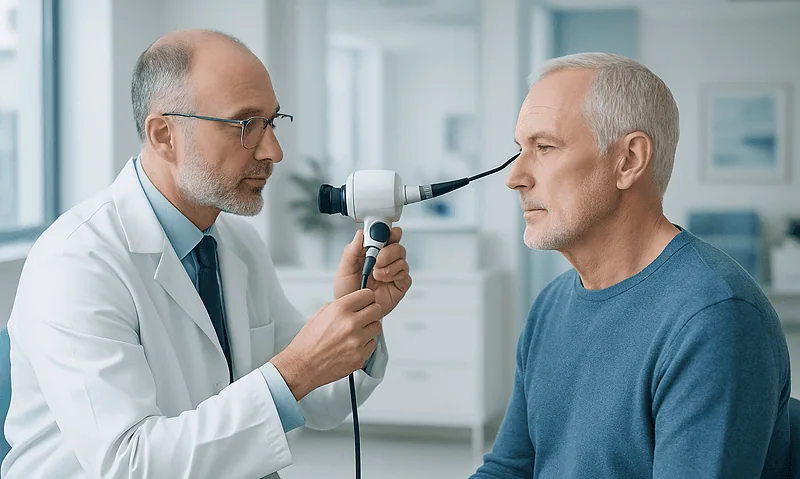
How Neuroendoscopic Surgery Reaches Deep Brain Areas Through a Keyhole or the Nose
Neuroendoscopic surgery uses a thin, lighted tube with a camera to reach deep parts of the brain through a small skull opening or through…

Is Everyday Life With HSP Manageable? Stairs, Driving, Work and Pacing Strategies
For most people, daily life with HSP (hereditary spastic paraplegia) is manageable, though it usually needs adjusting over time. HSP causes gradually increasing stiffness…

Trigger Assessment Before Migraine Treatment: What Your Neurologist Wants Tracked
A migraine trigger assessment is a structured period, usually several weeks to a few months, of recording attacks alongside sleep, meals, stress, menstrual cycle,…

What to Ask Your Neurologist When an Autonomic Neuropathy Plan Involves Several Specialists
When several specialists share an autonomic neuropathy plan, ask your neurologist who coordinates the whole plan, which symptom each clinician owns, how test results…

Spinal Cord Disorder Follow-Up: Which Bladder, Bowel or Weakness Changes Need an Urgent Call
After a spinal cord disorder, call your care team the same day for any new loss of bladder or bowel control, difficulty passing urine,…

Fetal Surgery or Repair After Birth for Spina Bifida: What Does Each Pathway Involve?
Fetal surgery for spina bifida closes the spinal opening before birth, usually between about 19 and 26 weeks of pregnancy, through an incision in…