

Who May Benefit From Cancer Rehabilitation: Fatigue, Weakness and Limb Swelling
Key Takeaways
- Cancer-related fatigue differs from ordinary tiredness in that rest does not relieve it, and the National Cancer Institute notes it can persist for months or years after treatment ends.
- Regular moderate exercise has some of the strongest evidence for lessening cancer-related fatigue, which is why rehabilitation programs prescribe graded activity rather than more rest.
- Lymphedema can appear months or years after node surgery or radiation, so new tightness or puffiness in a treated limb warrants assessment whenever it occurs.
- Decongestive lymphatic therapy has four parts, skin care, compression, manual lymphatic drainage and exercise, and moves from an intensive phase to lifelong daily self-management.
- Supervised, gradually progressed resistance training is considered safe for people with or at risk of lymphedema, overturning older advice to avoid lifting.
- Rehabilitation referral is appropriate before surgery, during chemotherapy or radiation, after treatment and in advanced disease; timing and modifications are set by the oncology team.
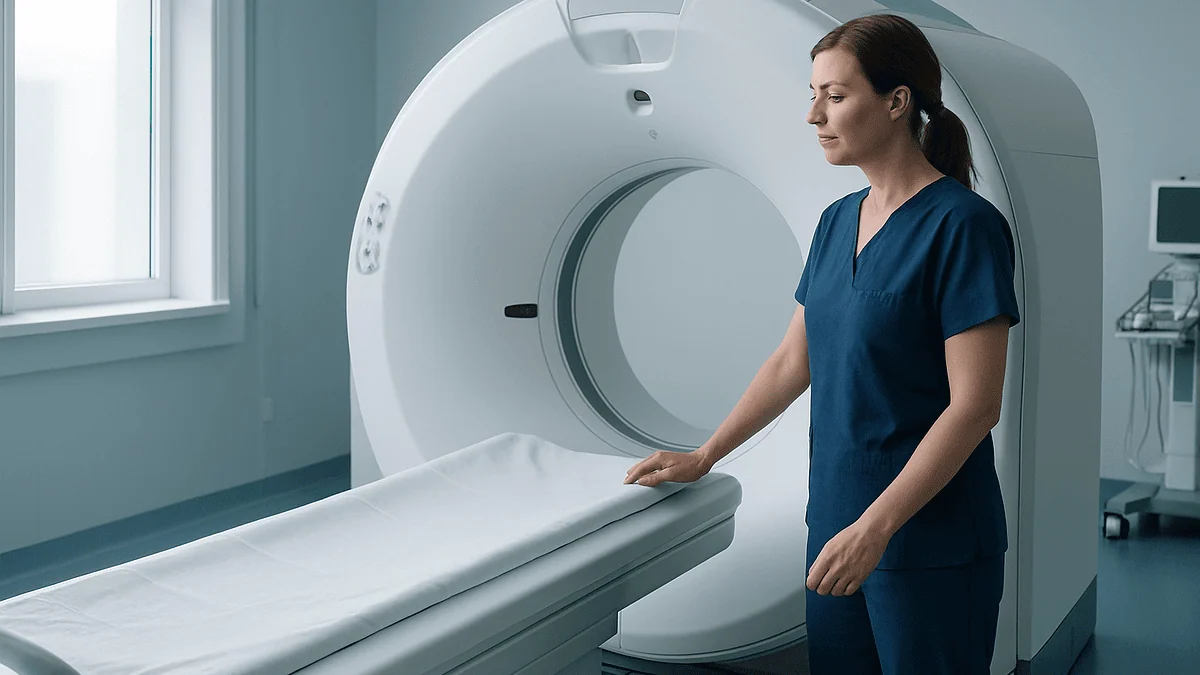
Cancer rehabilitation is usually considered for anyone whose cancer or its treatment has left them with persistent fatigue, muscle weakness, limb swelling (lymphedema), stiffness, nerve symptoms or difficulty with daily tasks. It is not limited to people who have finished treatment; referrals are made before surgery, during chemotherapy or radiation, and in advanced disease. The treating oncology team decides on timing and suitability.
The laundry basket is the tell. Six weeks after her last infusion, a woman who once carried it upstairs without thinking now sets it on the third step, sits down beside it, and waits for her heart to stop pounding. Her scans are reassuring. Her blood counts have recovered. Yet her body behaves as if it belongs to someone twenty years older, and her right arm has started to feel tight in its sleeve.
This is the gap that cancer rehabilitation is built to fill: the space between “treatment went well” and “I feel like myself.” The question of who needs cancer rehabilitation gets asked far less often than it should, partly because many people assume exhaustion and weakness are simply the price of survival.
They are not. Fatigue, deconditioning and lymphedema each have physiology behind them, and each responds to specific, supervised work. Knowing when that work is worth asking about is the point of this article.
Who needs cancer rehabilitation, and what does the term actually cover?
Cancer rehabilitation is a branch of medicine that helps people keep or regain physical function, energy and independence when a tumor or its treatment has taken some of it away. In practice that means a team: often a physiatrist (a physician who specializes in physical medicine and rehabilitation), physical and occupational therapists, sometimes a lymphedema-trained therapist, a speech-language pathologist, a dietitian and a psychologist.
The people who need it fall into recognizable groups. Someone recovering from a mastectomy whose shoulder no longer lifts above ninety degrees. Someone whose legs have wasted after weeks in a hospital bed for leukemia treatment. Someone on a platinum-based chemotherapy whose feet have gone numb and who has begun to trip on rugs. Someone whose calf has swollen after pelvic surgery and radiation. And, most commonly of all, someone whose fatigue has outlasted every other side effect.
The National Cancer Institute describes cancer-related fatigue as different from ordinary tiredness: it is not relieved by rest and can persist for months or years after treatment ends. That distinction matters for referral. Tiredness that sleep fixes is a nuisance; tiredness that sleep does not fix is a functional problem, and functional problems are what rehabilitation treats.
Timing is broader than most people assume. Referral can happen before surgery (called prehabilitation, meaning conditioning the body ahead of a planned treatment), during active chemotherapy or radiation, after treatment has finished, or at any stage of advanced disease where comfort and mobility matter. The common thread is a loss of function that someone can name, whether it is climbing stairs, buttoning a shirt or getting through an afternoon without lying down.
Why would a cancer patient go to rehab?
The word “rehab” carries baggage. People picture a gym full of athletes with knee braces, or a residential facility, and struggle to see where a person with lymphoma fits. The honest answer is that cancer treatment is one of the most physically disruptive experiences a body can go through, and it leaves the same kinds of damage that a serious injury or a long illness would.
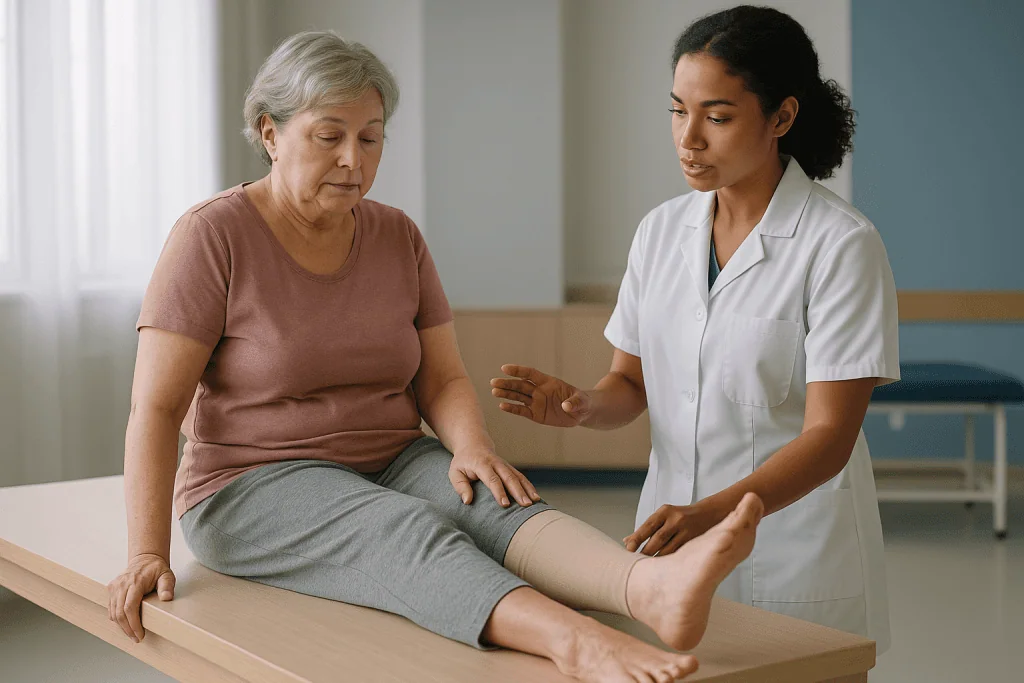
Consider what a typical course of treatment does. Surgery cuts through muscle and disturbs nerves and lymphatic vessels. Chemotherapy lowers red blood cell counts, which reduces the oxygen delivered to working muscle, and some agents injure the long nerves that reach the hands and feet. Radiation stiffens tissue over months as scar-like changes develop. Steroids used to manage nausea or swelling can weaken proximal muscles, the large ones at the hips and shoulders. Weeks of low appetite strip protein from muscle. Then there is the simple arithmetic of inactivity: every day spent mostly in bed or on the couch costs strength that does not return on its own.
Rehabilitation exists to reverse what can be reversed and to adapt around what cannot. Mayo Clinic notes that for cancer-related fatigue, regular moderate exercise is among the interventions with the best evidence, which runs directly against the instinct to rest more. Supervised programs also address shoulder range after breast surgery, swallowing after head and neck treatment, balance after neuropathy, and bladder or bowel function after pelvic surgery.
The other reason someone goes is that nobody else on the team owns these problems. An oncologist watches the cancer. A surgeon watches the wound. A rehabilitation team watches whether you can still live your life, and that is a distinct job.
How cancer rehabilitation works: what actually happens at the first visit
A first appointment is mostly listening and measuring. The clinician wants to know what you could do before diagnosis, what you can do now, and what specifically has changed. “I’m tired” becomes “I nap every afternoon and cannot cook dinner standing.” “My arm feels heavy” becomes a measured circumference at several points on each arm, compared side to side.
Then come baseline tests. Grip strength with a handheld dynamometer, a device that measures squeezing force. A timed sit-to-stand test, counting how many times you can rise from a chair in thirty seconds. A six-minute walk, recording distance and how breathless you become. Shoulder and hip range of motion measured with a goniometer, a simple protractor for joints. Balance checks such as standing on one leg or walking heel-to-toe. For fatigue, a validated questionnaire scores how much it interferes with daily life, because there is no blood test for it.
These numbers are not academic. They set a starting line so that progress can be seen in figures rather than feelings, and they identify the weakest link. Someone may believe fatigue is their main problem when the measurements show that hip weakness is forcing every step to cost more energy than it should.
From there the team writes a plan. It usually combines a supervised element, meaning sessions with a therapist to teach technique and progress the load safely, with a home element that carries most of the actual training volume. The plan names specific goals with dates for reassessment. If lymphedema is present, a trained therapist begins measuring, teaching skin care and fitting compression. Everything is coordinated with the oncology team so that exercise is paused or modified around low blood counts, surgery dates or radiation fatigue.
Cancer-related fatigue: why rest alone rarely fixes it
Ordinary tiredness is a fuel problem: you have spent energy, you refill it with sleep and food. Cancer-related fatigue behaves differently. According to the National Cancer Institute, it is more severe, more distressing and not improved by sleep or rest. People describe waking already exhausted, or hitting a wall mid-morning that no coffee touches.
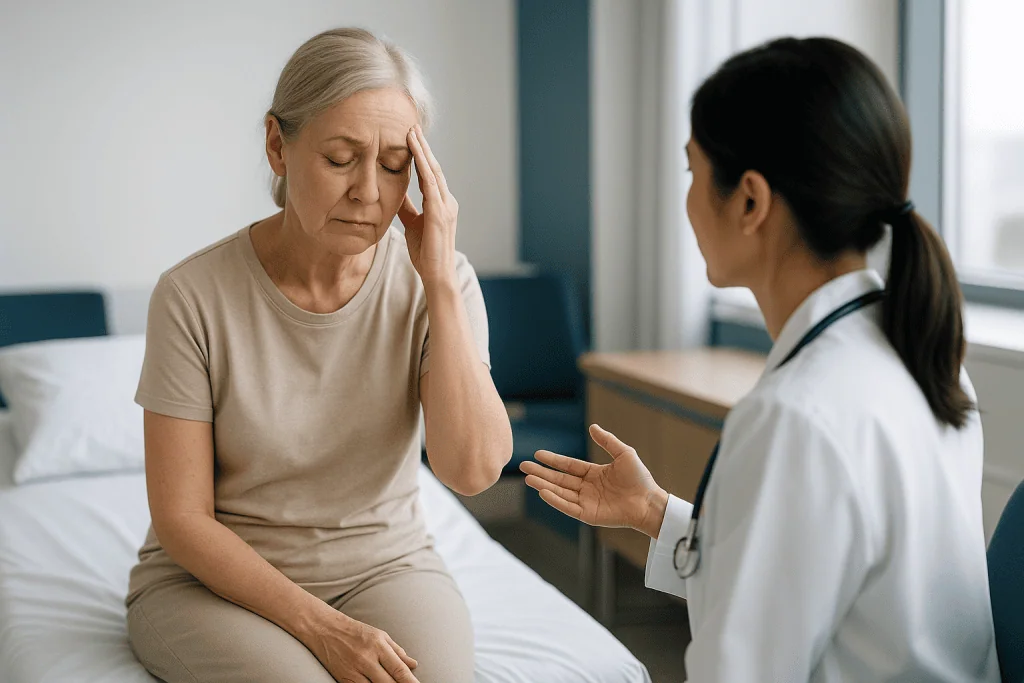
Several mechanisms overlap. Anemia, a shortage of red blood cells, means muscles and brain receive less oxygen. Inflammatory signaling molecules called cytokines, released by tumors and by the immune response to treatment, act on the brain in ways that produce a flu-like heaviness. Sleep is fragmented by pain, steroids, hot flashes or anxiety. Appetite falls and protein intake with it. And then deconditioning, meaning the loss of fitness that follows inactivity, makes every task cost a larger share of shrinking reserves. The result is a loop: tiredness leads to rest, rest leads to weakness, weakness makes the next task more tiring.
Breaking that loop is the core of fatigue rehabilitation. Mayo Clinic lists graded physical activity, sleep hygiene, energy conservation strategies and treatment of contributing conditions such as anemia, pain, depression or thyroid problems as the main approaches. Medicines have a limited role; the evidence for stimulants in cancer fatigue is mixed, and any decision about them rests with the oncology team.
The message that surprises patients most is that more rest can make fatigue worse. Rest still matters, but it needs to be planned rather than reactive: short scheduled breaks before exhaustion, rather than collapsing after it. A rehabilitation program teaches this pacing alongside the physical work, and the two reinforce each other.
Cancer fatigue physical therapy: what graded activity really means
“Exercise” is a frightening word to someone who cannot stand at the sink. Physical therapy for cancer fatigue therefore starts far below where most people imagine, and the principle is gradual, measured increase rather than effort.
A therapist typically begins with the baseline walk test and a rating of how hard the person perceives the work, using a simple scale from very light to very hard. The first prescription may be a few minutes of slow walking twice a day at an intensity the person rates as light, along with two or three seated strengthening movements. That is deliberately modest. The goal in the first weeks is consistency and confidence, not improvement in numbers.
Progression follows rules rather than mood. Duration is increased before intensity. A common approach adds a small amount of walking time each week as long as fatigue the next day is no worse than before. If a session triggers a crash, the next one is scaled back rather than skipped. This is the difference between graded activity and simply “trying to do more,” which tends to produce a boom-and-bust pattern of a good day followed by three bad ones.
Strength training earns its place because weak muscles work closer to their maximum for any given task, and that inefficiency is itself tiring. Even modest gains in leg strength can make standing to cook or climbing stairs noticeably less draining. The National Cancer Institute’s fatigue guidance notes that exercise, including strength and aerobic work, is one of the interventions most consistently shown to lessen fatigue during and after treatment.
Therapists also weave in energy conservation: sitting to dress, keeping frequently used items at waist height, batching errands. None of it is glamorous. All of it adds back hours of usable day.
Weakness and deconditioning: the muscle you lose in a hospital bed
Muscle does not wait politely while you are treated. Bed rest, poor appetite, steroids and inflammation all pull in the same direction, and the loss concentrates in the muscles you need most for independence: the quadriceps at the front of the thigh, the gluteals at the hip and the muscles around the shoulder blade.
The medical term for treatment-related loss of muscle mass and strength is sarcopenia, and it shows up in ordinary ways. Rising from a low chair requires pushing off with both hands. Stepping into a bathtub feels unsafe. Carrying groceries from the car takes two trips instead of one. People often attribute these changes to fatigue when the measurements point to weakness, and the distinction changes the plan.
Rehabilitation for weakness relies on progressive resistance training, meaning muscles are asked to work against a load that is gradually increased over weeks. The load can be body weight, elastic bands, light dumbbells or machines; what matters is that the effort is challenging but controlled and that it grows. Therapists prioritize functional movements: sit-to-stand, step-ups, wall push-ups, bridging, and reaching overhead. These translate directly into daily tasks.
Protein intake is part of the equation, because muscle cannot rebuild without raw material. A rehabilitation dietitian looks at total intake and timing, particularly when nausea, taste changes or mouth soreness make eating hard. Specific targets are individualized and set by the dietitian rather than taken from a general chart.
Safety adjustments are routine. Low platelet counts, meaning the blood cells that help clotting are reduced, may rule out heavy lifting for a period. Bone metastases may require avoiding twisting or high-impact loads. A port or recent surgical site changes which arm bears weight. These are reasons to modify, not reasons to abandon.
Limb swelling after cancer: cancer rehab for lymphedema
Lymphedema is swelling caused by a build-up of lymph fluid when the vessels or nodes that normally drain it have been removed, scarred or blocked. In cancer care it most often follows surgery that removes lymph nodes, radiation to a node region, or a tumor pressing on lymphatic pathways. The arm after breast cancer treatment is the classic site, but legs after pelvic or groin node surgery and the face or neck after head and neck treatment are common too.
The NHS notes that lymphedema can appear months or even years after treatment, so a new tightness in a sleeve or a sock line that stays indented long after the sock comes off deserves attention regardless of how long ago treatment ended. Early signs are subtle: heaviness, aching, rings or watches fitting more snugly, or a faint puffiness at the back of the hand or top of the foot. Skin may later feel thicker.
Rehabilitation for lymphedema centers on what the NHS calls decongestive lymphatic therapy, delivered by a specially trained therapist. It has four components: skin care to prevent infection, because lymph-rich tissue is prone to cellulitis; compression using bandages initially and then fitted garments; manual lymphatic drainage, a very light skin-stretching massage that guides fluid toward working lymph channels; and specific exercises performed in compression that use muscle contraction as a pump. The NHS describes an intensive phase followed by a longer maintenance phase in which the person manages the limb daily with a garment and self-care.
Two myths need correcting here. Lymphedema is managed, not resolved; the aim is a smaller, softer, comfortable limb and fewer infections. And exercise does not worsen it. The National Cancer Institute states that properly progressed exercise, including resistance training, is safe with lymphedema and may help.
Who is cancer rehabilitation usually for, and who is usually asked to wait?
Referral criteria are less rigid than for many specialties, but patterns exist. Rehabilitation is usually offered when someone reports a functional loss that has persisted for more than a few weeks, when a planned treatment is known to threaten function (a major abdominal operation, a mastectomy with node removal, head and neck radiation), or when a specific problem such as lymphedema, neuropathy or a frozen shoulder has been identified.
People living with advanced or metastatic cancer are firmly inside this group, not outside it. Goals shift toward preserving the ability to transfer from bed to chair, to walk to the bathroom, to manage stairs at home, and toward controlling swelling and pain. The World Health Organization frames rehabilitation as part of universal health coverage across the course of any serious illness, including at the end of life, and oncology practice increasingly reflects that.
Who is typically asked to wait, or to modify? Someone with an unhealed surgical wound may need clearance before stretching across it. Someone whose platelet count is very low will usually be steered away from resistance work until it recovers. Someone with a suspected blood clot, an untreated bone metastasis at risk of fracture, uncontrolled pain, a fever or an active infection in a swollen limb needs those problems addressed first. Someone in the depths of a severe nadir, the low point in blood counts after chemotherapy, may be asked to keep activity gentle and indoors for a few days.
None of these are permanent exclusions. They are sequencing decisions, and they belong to the oncology and rehabilitation teams working together. What the patient can do is ask the question early: “Would a rehabilitation referral help with this?” The answer is often yes sooner than expected.
Fatigue, weakness and swelling side by side: what each one usually needs
The three problems in this article’s title are often lumped together as “recovery,” yet they call for different clinicians, different tools and different measures of progress. Seeing them side by side clarifies why a single generic “take it easy and build up slowly” instruction so often fails.
| Problem | What is going on | Main rehabilitation tools | How progress is measured | Who usually leads |
|---|---|---|---|---|
| Cancer-related fatigue | Inflammation, anemia, disrupted sleep and deconditioning combine; rest does not restore energy | Graded aerobic activity, light strengthening, sleep routines, pacing and energy conservation, treating contributors | Fatigue questionnaire scores, six-minute walk distance, hours of usable activity per day | Physical therapist, physiatrist, sometimes psychologist |
| Weakness and deconditioning | Muscle loss from inactivity, steroids, low protein intake and inflammation | Progressive resistance training on functional movements, protein-focused nutrition, balance work | Sit-to-stand count, grip strength, stair climb time | Physical therapist, dietitian, occupational therapist |
| Lymphedema | Lymph fluid accumulates where nodes or vessels have been removed, scarred or blocked | Skin care, compression bandaging then garments, manual lymphatic drainage, exercise in compression | Limb circumference or volume, skin softness, infection frequency | Lymphedema-trained therapist |
The table also explains why the same person may see several people. Fatigue and weakness usually share a program. Lymphedema requires a therapist with specific training, because ordinary deep massage or aggressive compression on an untrained hand can aggravate swelling or skin. When all three are present, which is not unusual after breast cancer treatment, the team sequences them: swelling controlled first so the arm can be loaded safely, then strength, with fatigue pacing running throughout.
What the following weeks usually look like in a cancer rehabilitation program
People often expect rehabilitation to feel like a sprint toward normal. It is closer to tending a garden: small, repeated work with progress that becomes visible only when you compare the picture to one taken a month earlier.
The first one to two weeks are usually about establishing routine and safety. Supervised sessions are typically short, and home tasks are deliberately easy so that nothing provokes a setback. Many people feel a little worse before they feel better as unused muscles register the new demand; therapists warn about this so it is not mistaken for harm. For lymphedema, the intensive bandaging phase is time-consuming, with frequent therapist visits and bulky wraps that stay on most of the day.
By around the third or fourth week, measurable changes tend to appear: a few more sit-to-stands, a longer walk before breathlessness, a sleeve that fits differently. Fatigue is the slowest to move, and the National Cancer Institute cautions that it may persist for months or, in some people, years after treatment ends. That is not a reason to stop; it is a reason to judge progress by function rather than by whether tiredness has vanished.
Reassessment usually happens at set intervals, often every few weeks, repeating the baseline tests. Goals are adjusted, the load is progressed, and the plan is adapted around any new treatment. Someone starting a fresh chemotherapy cycle may hold steady rather than progress that week. Someone who has recovered strength may be discharged to a community exercise class with a written maintenance plan.
The lymphedema path has its own rhythm: once the limb has reduced and stabilized, the person is fitted with a garment and moves into daily self-management with periodic reviews. Garments wear out and need replacing at intervals set by the therapist, and skin care becomes a lifelong habit.
Cancer rehabilitation exercises you may be taught, and why technique matters
Most programs are built from a surprisingly short list of movements, chosen because they mirror daily life and can be scaled from nearly effortless to genuinely challenging.
- Sit-to-stand: rising from a chair without using the arms, repeated in sets. It trains the thighs and hips that stairs and toilets depend on.
- Step-ups: stepping onto a low step and back down, progressing to a higher step. This builds the single-leg strength that walking actually requires.
- Wall push-ups and rows with a band: gentle upper-body loading that restores the ability to push open a door or pull a cupboard.
- Shoulder flexion and “wall walking”: after breast or chest surgery, sliding the fingers up a wall to regain overhead reach, within limits set by the surgeon.
- Ankle pumps and heel raises: calf contraction that pumps both blood and lymph, useful for leg swelling and for clot prevention during periods of inactivity.
- Balance drills: tandem stance, single-leg stand with fingertips on a counter, and heel-to-toe walking for anyone with numb feet.
- Diaphragmatic breathing: slow belly breathing, which in lymphedema programs is used to encourage central lymph flow and in fatigue programs to manage breathlessness.
Technique matters more than repetitions. A sit-to-stand performed by lurching forward trains the wrong muscles; performed slowly with weight through the heels it trains exactly the right ones. Overhead stretching pushed into pain after surgery can strain healing tissue; stopping at a gentle pull achieves the same range over time without setbacks. This is why the supervised element exists: a therapist corrects the movement once, and the home practice then does the work correctly hundreds of times.
Anyone with lymphedema is usually asked to wear compression during exercise and to progress load especially gradually. The National Cancer Institute’s guidance supports resistance training in this group when supervised and progressive, which contradicts older advice to avoid lifting entirely.
Nerves, balance and falls: the quieter reasons people are referred
Some of the most consequential referrals come from problems that are easy to underestimate. Chemotherapy-induced peripheral neuropathy, meaning damage to the long nerves of the hands and feet from drugs such as the platinum agents, taxanes or vinca alkaloids, produces numbness, tingling, burning or a sensation of walking on pebbles. The National Cancer Institute notes that these symptoms can begin during treatment and may improve slowly afterward, but that in some people they persist.
The functional cost is balance. Feet that cannot feel the floor send poor information to the brain, and the risk of tripping on a curb or losing footing in the dark rises. Add weak hip muscles and a rug, and a fall becomes likely. Falls in someone with low platelets, thinning bones or bone metastases are not minor events.
Rehabilitation for neuropathy cannot repair the nerve, and it should never be described as doing so. What it does is retrain the system around the deficit. Balance drills teach the brain to lean more on vision and the inner ear. Strengthening the ankles and hips provides a wider margin for recovery when a stumble starts. Occupational therapists assess the home for lighting, grab bars and hazards, and help with fine motor tasks such as buttons and keys. Footwear is reviewed, because a firm sole gives a numb foot better feedback than a soft one.
Any medicine used for neuropathic pain, such as certain anticonvulsant or antidepressant classes, acts on nerve signaling rather than on the damage itself, and typically takes weeks to show an effect. Whether one is appropriate is a decision for the prescribing oncologist or pain specialist, and rehabilitation runs alongside rather than instead of that conversation.
What people often get wrong about who needs cancer rehabilitation
“Rehab is for after treatment.” The strongest case for rehabilitation is often before or during treatment. Prehabilitation ahead of major surgery aims to build reserve, and programs run during chemotherapy exist precisely to blunt fatigue and muscle loss while they are happening.
“If I’m tired I should rest more.” For cancer-related fatigue, Mayo Clinic and the National Cancer Institute both point to regular moderate activity as one of the best-supported approaches. Unplanned extra rest tends to deepen deconditioning and worsen the very problem it is meant to relieve.
“Lifting will bring on or worsen lymphedema.” Older advice told people to avoid ever lifting with the affected arm. Current guidance from the National Cancer Institute supports supervised, gradually progressed resistance exercise in people with or at risk of lymphedema. Sudden heavy exertion without preparation is the concern, not strength itself.
“Swelling that appears years later can’t be from cancer treatment.” The NHS is explicit that lymphedema can develop months or years after surgery or radiation. New swelling in a treated limb deserves assessment whenever it appears.
“Rehab is pointless if the cancer is advanced.” Function and comfort matter at every stage. Being able to get to the bathroom independently, sit up in bed without help or control a swollen leg changes daily life regardless of prognosis.
“Any massage helps swelling.” Manual lymphatic drainage is a very light, specific technique. Deep tissue massage on a lymphedematous limb can increase fluid load and irritate fragile skin.
“A good program will get me back to exactly where I was.” Sometimes it does. Sometimes the goal is a strong, adapted version of normal. Honest programs set goals in measurable functions and revise them, rather than promising a return to a before picture.
Questions to ask your care team about cancer rehabilitation
Referral often depends on a patient raising the subject, so it helps to arrive with specific questions. The list below is written to be read aloud in an appointment.
- Which of my symptoms, fatigue, weakness, swelling, numbness or stiffness, would a rehabilitation team be able to help with, and which are likely to settle on their own?
- Is there anything in my current treatment or blood counts that means I should wait or modify exercise right now?
- Am I at risk of lymphedema because of my surgery or radiation, and what early signs should I watch for?
- Would prehabilitation before my planned surgery be appropriate?
- Who on the rehabilitation team will I see, and does the lymphedema therapist have specific training in decongestive therapy?
- How will progress be measured, and how often will we reassess?
- What should I do on days when fatigue is severe: skip, reduce or continue?
- Are there movements or loads I should avoid because of my particular cancer or surgery, for example twisting with spinal disease or overhead reach after chest surgery?
- How does the rehabilitation plan fit around my chemotherapy cycles or radiation schedule?
- If I develop new swelling, redness or pain in a limb, who do I contact, and how quickly?
- What does a maintenance plan look like once formal sessions end?
- Are there other supportive services, such as nutrition, psychology or social work, that should be part of this?
Writing the answers down, or bringing someone who can, is worth doing. Rehabilitation plans involve many small instructions, and the details are what make them work. If a question cannot be answered in the room, ask who can answer it and when.
When to call your doctor: red flags that should not wait for the next rehab session
Rehabilitation is designed to be safe, and the team will pause it when needed. Some symptoms, though, signal problems that need medical assessment the same day rather than a note in the therapy diary.
Contact your oncology team or seek urgent care promptly if you notice any of the following:
- Sudden swelling, pain or warmth in one leg or arm, especially the calf, which can indicate a blood clot; cancer and its treatment raise clotting risk.
- New chest pain, sudden shortness of breath, coughing up blood or fainting.
- A swollen limb that becomes red, hot, streaky or painful, or any fever with lymphedema, which may mean cellulitis, an infection that needs prompt antibiotics.
- Fever during or after chemotherapy, particularly when blood counts are expected to be low.
- New or rapidly worsening weakness or numbness in the legs, new difficulty walking, or any new problem controlling bladder or bowel, particularly with back pain, which can signal pressure on the spinal cord.
- A fall, even one that seems minor, if you have low platelets, bone metastases or are taking blood thinners.
- Sudden severe bone pain at a known metastasis site, which may indicate a fracture.
- Confusion, a severe headache, or fatigue so profound that you cannot stay awake or get out of bed.
- New swelling of the face, neck or arm accompanied by breathlessness or a feeling of fullness in the head.
For less dramatic changes, such as fatigue that is clearly worsening week over week, a limb that is slowly enlarging despite compression, or exercise that consistently leaves you worse the next day, the right step is a call to the rehabilitation or oncology team before the next scheduled visit. These are the signals that the plan needs adjusting, and adjusting early is always easier than recovering from a setback. Every decision about pausing, restarting or changing treatment sits with the team who knows your history.
Frequently asked questions
Why would a cancer patient go to rehab?
A cancer patient goes to rehabilitation because treatment often leaves measurable losses in strength, stamina, joint range, balance or limb size that do not recover on their own. Surgery disturbs muscle and lymphatics, chemotherapy lowers blood counts and can injure nerves, radiation stiffens tissue, and weeks of inactivity waste muscle. Rehabilitation teams measure these losses and treat them with targeted exercise, compression, pacing and adaptations so that daily life becomes possible again.
Which patients need rehabilitation during or after cancer treatment?
Patients who report a persistent functional loss, whether fatigue that limits daily tasks, weakness, limb swelling, numbness affecting balance, restricted shoulder or hip movement, or swallowing and speech changes, are usually candidates. So are people facing a major operation who could benefit from prehabilitation, and people with advanced disease who want to preserve mobility and comfort. The oncology team decides on timing and any modifications based on blood counts, wounds and bone involvement.
How long can you live with stage 4 cancer untreated?
There is no single answer, because stage 4 cancers differ enormously by type, growth rate, location and a person’s overall health, and no responsible source can give a figure without knowing those details. This is a question to raise directly with your oncologist, who can discuss what is known for your specific diagnosis. Whatever the outlook, rehabilitation remains relevant: it aims to protect mobility, manage swelling and preserve independence at every stage of illness.
What support services are available to cancer patients beyond medical treatment?
Most cancer centers connect patients with social workers, patient navigators, dietitians, psychologists and rehabilitation teams as part of routine care. Community organizations run support groups, exercise classes designed for people in treatment, transportation help and counseling. Ask your oncology nurse or social worker what is available locally and how referrals work; they can also explain how rehabilitation fits alongside these services rather than replacing them.
Does cancer fatigue physical therapy really help if I am too tired to exercise?
Yes, it is designed precisely for that situation. Programs start below the level most people imagine, sometimes with a few minutes of slow walking and seated movements, and progress only when the previous level is tolerated. Mayo Clinic and the National Cancer Institute identify regular moderate activity as one of the best-supported approaches to cancer-related fatigue, because deconditioning is part of what drives it. The therapist adjusts around treatment cycles and bad days.
What does cancer rehab for lymphedema involve?
It involves decongestive lymphatic therapy delivered by a specially trained therapist. The NHS describes four elements: skin care to reduce infection risk, compression with bandages and later fitted garments, manual lymphatic drainage, which is a very light skin-stretching technique, and specific exercises performed in compression. An intensive phase is followed by a maintenance phase of daily self-management. The aim is a smaller, softer, comfortable limb with fewer infections, not complete disappearance of the swelling.
Can cancer rehabilitation exercises make lymphedema worse?
Properly supervised and gradually progressed exercise is not considered to worsen lymphedema, and the National Cancer Institute notes that resistance training can be done safely in people with or at risk of it. The concern is sudden, unaccustomed heavy exertion without preparation, or deep massage on the affected limb. Therapists usually ask people to wear compression during exercise, start light and increase load slowly while monitoring limb measurements.
When should cancer rehabilitation start, before or after treatment?
Both, depending on the situation. Prehabilitation before major surgery aims to build reserve so recovery is easier. Programs during chemotherapy or radiation work to limit fatigue and muscle loss while they are occurring. After treatment, rehabilitation addresses what remains. There is no requirement to finish treatment first, and many clinicians consider earlier referral preferable. The oncology team sets timing and any restrictions around counts, wounds or radiation.
How long does cancer rehabilitation take to show results?
Strength and walking distance often change measurably within the first several weeks of consistent work, while fatigue tends to improve more slowly; the National Cancer Institute notes it may persist for months or, in some people, years after treatment. Lymphedema reduction depends on how long the swelling has been present and how established it is. Progress is tracked with repeated measurements at set intervals, and goals are revised rather than promised.
Is rehabilitation worthwhile if cancer has spread?
It often is. In advanced or metastatic disease, goals shift toward preserving the ability to move from bed to chair, walk safely at home, control swelling and manage pain and breathlessness. The World Health Organization frames rehabilitation as part of care across the full course of serious illness, including palliative stages. Safety modifications, such as avoiding certain loads near bone metastases, are set by the treating team.
References
This article is for general information only and is not a substitute for professional medical advice. Please consult a qualified doctor about your individual situation.

More from the Blog
Infection Risk After a Stem Cell Transplant: Protective Isolation, Masks and When to Call
Infection risk after a stem cell transplant is highest in the first few weeks, when conditioning treatment has wiped out white blood cells and…
How Engraftment After a Stem Cell Transplant Shows Up in Your Blood Counts Week by Week
Engraftment after a stem cell transplant is the point when transplanted stem cells settle in the marrow and begin producing new blood cells. Counts…
When Is Radiation Chosen Over Surgery for Vulvar Cancer, and When Are Both Used?
Surgery is usually the first treatment for vulvar cancer that can be removed with a clear margin of healthy tissue while preserving bladder, bowel…
What Is Normal Healing After Vulvar Cancer Surgery and What Needs a Prompt Call
After vulvar cancer surgery, mild swelling, bruising, thin pinkish drainage, numbness and soreness that eases week by week are usually part of normal healing.…
Lymphedema After Breast Cancer Treatment: How It Is Monitored and Managed Long Term
Lymphedema after breast cancer treatment is persistent swelling of the arm, hand, breast or chest wall caused by damage to lymph nodes and vessels…
Targeted Therapy for Chronic Myeloid Leukemia: How Daily Treatment and Monitoring Work
Targeted therapy for chronic myeloid leukemia uses daily oral tyrosine kinase inhibitors (TKIs) that block BCR-ABL1, the abnormal enzyme driving the disease. Treatment is…