Congenital Heart Disease
Congenital Heart Disease is a heart defect present from birth. Learn symptoms, causes, diagnosis, treatment options, and lifelong care.

Quick answer
Congenital heart disease is a structural problem of the heart or major blood vessels present at birth, ranging from mild defects to complex conditions that affect blood flow and heart function. Treatment depends on the type and severity and may include monitoring, medication, catheter-based procedures, or surgery, with evaluation and care provided by pediatric and adult congenital heart specialists at…
What is congenital heart disease?
Congenital heart disease is a general term for problems with the structure of the heart that are present at birth. The word “congenital” simply means that a condition exists from birth, rather than developing later in life. In congenital heart disease, the walls of the heart, the valves that control blood flow, or the large blood vessels that carry blood to and from the heart did not form in the usual way during pregnancy.
Congenital heart disease covers a wide range of conditions. Some are minor, such as a small hole between two chambers of the heart that may close on its own. Others are complex, involving several parts of the heart at once, and may need treatment soon after birth. Because the term includes so many different defects, no two people with congenital heart disease have exactly the same experience.
Congenital heart disease is one of the most common types of birth defect worldwide. It affects babies of all backgrounds, and in most cases it occurs without any clear cause. Thanks to modern diagnosis and treatment, many children born with heart defects now grow into adulthood. As a result, there is a growing population of adults living with congenital heart disease who need lifelong follow-up care.
Understanding what is congenital heart disease, how it is found, and how it is treated can help patients and families feel more prepared when they talk with their care team.
Symptoms of congenital heart disease
Congenital heart disease symptoms vary widely depending on the type of defect, how severe it is, and the age of the person. Some serious defects cause obvious signs within hours or days of birth. Milder defects may cause no symptoms at all for years and may only be discovered by chance, for example when a doctor hears a heart murmur (an unusual sound made by blood flowing through the heart) during a routine checkup.
Common signs and symptoms in babies and young children may include:
- Bluish color of the lips, tongue, or fingernails (called cyanosis), which suggests the blood is not carrying enough oxygen
- Fast or labored breathing, especially during feeding or rest
- Poor feeding, tiring quickly during feeds, or sweating while feeding
- Poor weight gain or slow growth compared with other children the same age
- Frequent chest infections or repeated episodes of breathing difficulty
- Swelling of the legs, abdomen, or around the eyes
- Unusual tiredness or reduced activity for the child’s age
In older children, teenagers, and adults, congenital heart disease symptoms may look somewhat different and can include:
- Shortness of breath during exercise or everyday activity
- Getting tired more easily than peers during physical activity
- Fainting or near-fainting, especially during exertion
- Palpitations (an awareness of a fast, pounding, or irregular heartbeat)
- Chest discomfort in some cases
How symptoms appear often depends on the type of defect. Defects that let oxygen-poor blood mix with oxygen-rich blood tend to cause cyanosis, sometimes from birth. Defects that cause extra blood to flow to the lungs, such as certain holes in the heart, often cause breathlessness, feeding problems, and slow growth in infancy. Some valve problems and small holes may cause no noticeable symptoms for many years, and a few are only detected in adulthood.
It is also important to know that a heart murmur on its own does not always mean a heart defect. Many healthy children have harmless, so-called “innocent” murmurs. A doctor decides whether further testing is needed based on the whole clinical picture.
Causes and risk factors
In most individual cases, doctors cannot identify a single, specific cause of congenital heart disease. The heart forms very early in pregnancy, often before a woman knows she is pregnant, and its development can be affected by a mix of genetic and environmental influences. Recognized congenital heart disease causes and risk factors include:
- Genetic changes: Some heart defects run in families, and having a parent or sibling with congenital heart disease slightly increases the chance of a baby being affected. Certain gene changes are also linked with heart defects.
- Chromosomal conditions: Conditions such as Down syndrome (an extra copy of chromosome 21) are associated with a higher likelihood of heart defects, which is why babies with these conditions are usually screened carefully.
- Maternal health conditions: Poorly controlled diabetes during pregnancy and certain infections in early pregnancy, such as rubella (German measles), are linked with a higher risk of heart defects in the baby.
- Medications and substances during pregnancy: Some prescription medicines, as well as alcohol use and smoking during pregnancy, are associated with an increased risk. Pregnant women are generally advised to review all medicines with their doctor.
- Other factors: In many cases, a combination of small genetic and environmental influences is thought to be involved, and no single cause can be pointed to.
It is important for parents to understand that most heart defects are not caused by anything a parent did or failed to do. Even with the healthiest possible pregnancy, congenital heart disease can still occur.
Diagnosis of congenital heart disease
Congenital heart disease diagnosis can happen at different points in life: before birth, shortly after birth, during childhood, or occasionally in adulthood. Doctors use a combination of physical examination and specialized tests to confirm a defect and understand exactly how it affects the heart.
Before birth
Many heart defects can be suspected during routine pregnancy ultrasound scans. If a problem is suspected, doctors may recommend a fetal echocardiogram, which is a detailed ultrasound scan of the baby’s heart performed while the baby is still in the womb. Finding a defect before birth allows the medical team to plan care for the newborn in advance.
After birth and in childhood
In newborns, a simple screening test called pulse oximetry, which measures the oxygen level in the blood using a small sensor on the skin, can help detect some serious defects before symptoms appear. When a defect is suspected because of symptoms, a murmur, or an abnormal screening result, doctors may use the following tests:
- Echocardiogram: An ultrasound scan of the heart, and the main test used to confirm most congenital heart defects. It shows the heart’s structure and how blood flows through it, without radiation or needles.
- Electrocardiogram (ECG or EKG): A recording of the heart’s electrical activity through small stickers placed on the skin. It can show rhythm problems or strain on parts of the heart.
- Chest X-ray: An image that shows the size and shape of the heart and whether there is extra fluid in the lungs.
- Cardiac MRI or CT scan: Detailed imaging tests that give precise pictures of the heart and blood vessels, often used for complex defects or planning treatment.
- Cardiac catheterization: A procedure in which a thin, flexible tube (catheter) is passed through a blood vessel to the heart. It allows doctors to measure pressures inside the heart and, in some cases, treat the defect at the same time.
In adults, congenital heart disease is sometimes discovered during tests done for other reasons, such as an unexplained murmur, abnormal ECG, or symptoms like breathlessness. The same tests are used, and adults with known defects usually need periodic imaging to monitor their heart over time.
Treatment options for congenital heart disease
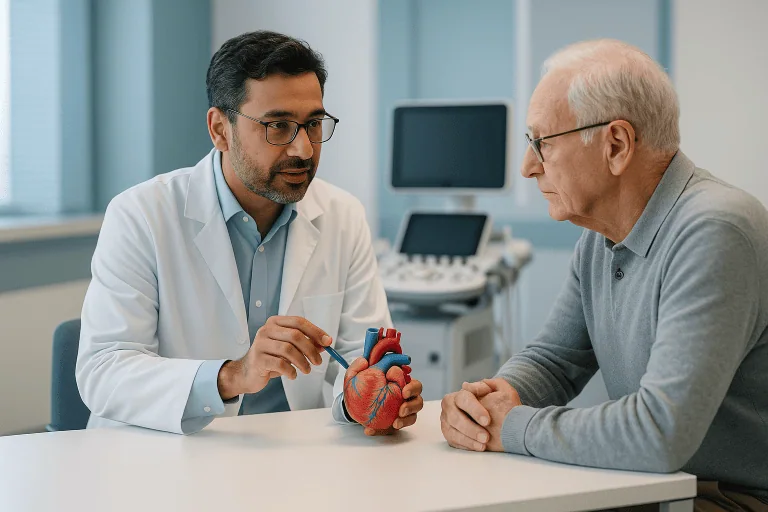
Congenital heart disease treatment depends on the specific defect, how severe it is, and the patient’s age and overall health. Some defects need no treatment at all, while others require medication, catheter-based procedures, or surgery. Care is usually planned by a team that includes cardiologists (heart specialists) and, when needed, heart surgeons. In hospital settings such as Acibadem, this care is coordinated through the Cardiology Department together with pediatric heart specialists.
Watchful waiting
Some mild defects, such as small holes between the heart chambers, may close on their own as a child grows, or may never cause problems. In these cases, doctors often recommend regular checkups and echocardiograms rather than immediate treatment. This approach, sometimes called watchful waiting or active monitoring, avoids unnecessary procedures while making sure any change is noticed early.
Medication
Medicines do not repair a structural defect, but they can help the heart work better and relieve symptoms. Depending on the situation, your doctor may prescribe medicines that:
- Help the heart pump more effectively
- Reduce extra fluid in the body and lungs (diuretics, often called “water pills”)
- Control an irregular heart rhythm
- Lower blood pressure or reduce the workload on the heart
In certain newborns, a medicine may be used temporarily to keep a natural blood vessel open until a procedure or operation can be performed.
Catheter-based procedures
Many defects can now be treated without open surgery. In a catheter procedure, a specialist passes a thin tube through a blood vessel, usually in the groin, up to the heart. Through this tube, doctors can close certain holes with a small device, widen narrowed valves or vessels with a balloon, or place a stent (a small mesh tube that holds a vessel open). Recovery from catheter procedures is generally faster than after surgery, though not every defect is suitable for this approach.
Surgery
Some defects need open-heart surgery to repair. Surgeons may close holes with stitches or patches, repair or replace faulty valves, or reconstruct blood vessels. Complex defects sometimes require a series of planned operations over months or years. In children, these operations are performed by specialized teams; you can read more about this on the Pediatric Cardiac Surgery page. In a small number of people with very severe disease, a heart transplant may eventually be considered, although this is uncommon.
Ongoing care
Even after a successful repair, most people with congenital heart disease need lifelong follow-up. Repaired hearts can develop new issues over time, such as valve leakage or rhythm problems, and regular monitoring helps catch these early. Adults who were treated as children are usually advised to stay under the care of a cardiologist experienced in congenital conditions.
Living with congenital heart disease and outlook
The outlook for people with congenital heart disease has improved greatly over recent decades. Many children with heart defects, including complex ones, now survive into adulthood and lead active lives. That said, the long-term outlook depends heavily on the specific defect, how well it responds to treatment, and whether complications develop. No doctor can promise a particular outcome, and honest, individualized discussion with your care team is the best way to understand your situation.
Living well with congenital heart disease often involves:
- Regular follow-up appointments, even when you feel well, because some problems develop silently
- Taking medicines as prescribed and telling your doctor about side effects rather than stopping on your own
- Staying active within safe limits. Many people with congenital heart disease can exercise, but the right level of activity varies, so it should be discussed with a cardiologist.
- Good dental care and hygiene, because some heart defects raise the risk of endocarditis, an infection of the heart’s inner lining. Some patients may need antibiotics before certain dental procedures; your doctor will advise whether this applies to you.
- Pregnancy planning. Many women with congenital heart disease can have healthy pregnancies, but pregnancy puts extra strain on the heart, so specialist advice before conceiving is generally recommended.
- Emotional support. Living with a long-term heart condition, or caring for a child who has one, can be stressful. Support from family, patient groups, or mental health professionals can help.
For parents, it is natural to worry about a child’s future. In many cases, children with treated heart defects attend school, play, and take part in most activities like their peers, with some individual adjustments guided by their doctors.
Frequently asked questions
What is congenital heart disease in simple terms?
Congenital heart disease means the heart did not form in the usual way before birth. It can involve holes in the walls of the heart, valves that are too narrow or leaky, or blood vessels that are connected abnormally. Some defects are minor and cause no problems, while others are serious and need treatment early in life. Because it covers many different conditions, the effect on each person varies widely.
Can congenital heart disease heal on its own?
Some mild defects, particularly certain small holes between the heart chambers, can close by themselves as a child grows. However, many defects do not resolve on their own and need medication, a catheter procedure, or surgery. Only a doctor, using tests such as an echocardiogram, can say whether a specific defect is likely to improve without treatment, which is why regular follow-up matters even for mild cases.
How serious is congenital heart disease?
Seriousness ranges enormously. Some people live their whole lives with a minor defect that never causes symptoms, while others have complex conditions that require surgery in the first days of life and lifelong specialist care. In general, outcomes have improved substantially with modern treatment, and many people with even complex defects reach adulthood. Your care team can explain what the outlook typically looks like for your specific condition.
What are the first symptoms of congenital heart disease in babies?
Early congenital heart disease symptoms in babies often include a bluish tint to the lips or skin, fast or difficult breathing, tiring or sweating during feeds, and poor weight gain. Some babies show no symptoms at first and are identified through newborn screening or when a doctor hears a murmur. If you notice any of these signs in your baby, it is sensible to have them checked by a doctor promptly.
Is congenital heart disease treatment always surgery?
No. Congenital heart disease treatment depends on the defect. Some conditions only need monitoring, others are managed with medicines, and many can now be treated with catheter-based procedures that avoid open surgery. Surgery remains necessary for certain defects, especially complex ones, but the treatment plan is tailored to each patient after detailed testing.
Can adults be diagnosed with congenital heart disease?
Yes. Some milder defects cause few or no symptoms for decades and are only discovered in adulthood, sometimes during tests done for another reason. Adults may notice breathlessness, palpitations, or reduced exercise capacity. In addition, adults who had heart defects repaired in childhood need continued follow-up, because some problems can develop or return later in life.
What is recovery like after congenital heart surgery?
Recovery varies with the type of operation and the patient’s age and overall condition. After open-heart surgery, patients typically spend time in an intensive care unit followed by a hospital stay, and then gradually return to normal activities over weeks. Catheter procedures usually involve a much shorter recovery, often just a day or two in the hospital. Your surgical team will give guidance specific to your case, including when to resume school, work, or exercise.
When to see a doctor
If you or your child has a known heart defect, keep all scheduled follow-up appointments even when things feel fine. Beyond routine care, certain warning signs need urgent medical attention. Seek emergency care right away if you notice any of the following:
- Blue or gray color of the lips, tongue, face, or fingernails, especially if it is new or worsening
- Severe difficulty breathing, very fast breathing, or pauses in breathing in a baby
- Fainting or collapse, particularly during exercise
- Chest pain that is severe or does not go away
- A very fast, pounding, or irregular heartbeat that does not settle
- A baby who refuses feeds, is unusually limp, drowsy, or hard to wake
- Rapid swelling of the legs, abdomen, or face
- Fever with new symptoms in someone with a known heart defect, since infections of the heart lining can be serious
For less urgent concerns, such as gradually worsening tiredness, breathlessness during activity, slow growth in a child, or a murmur mentioned at a checkup, arrange an appointment with a doctor for evaluation. Early assessment allows problems to be identified and managed before they become more serious, and your doctor can refer you to a cardiologist if further testing is needed.
Medically reviewed by the Acıbadem International Medical Board September 3, 2026
See our medical review board →
Update history
- PublishedJune 8, 2026
- Medical review approvedSeptember 3, 2026
- Last content updateSeptember 2, 2026