Lung Nodules
Lung Nodules are small spots in the lungs. Learn causes, symptoms, diagnosis, follow-up, and treatment options from specialists.
Quick answer
Lung nodules are small growths in the lung that may be benign or, less commonly, an early sign of cancer, and they are evaluated based on their size, shape, and change over time. At Acibadem in Turkey, assessment typically includes imaging such as chest CT, risk review, and when needed further tests or biopsy, with treatment ranging from monitoring to…
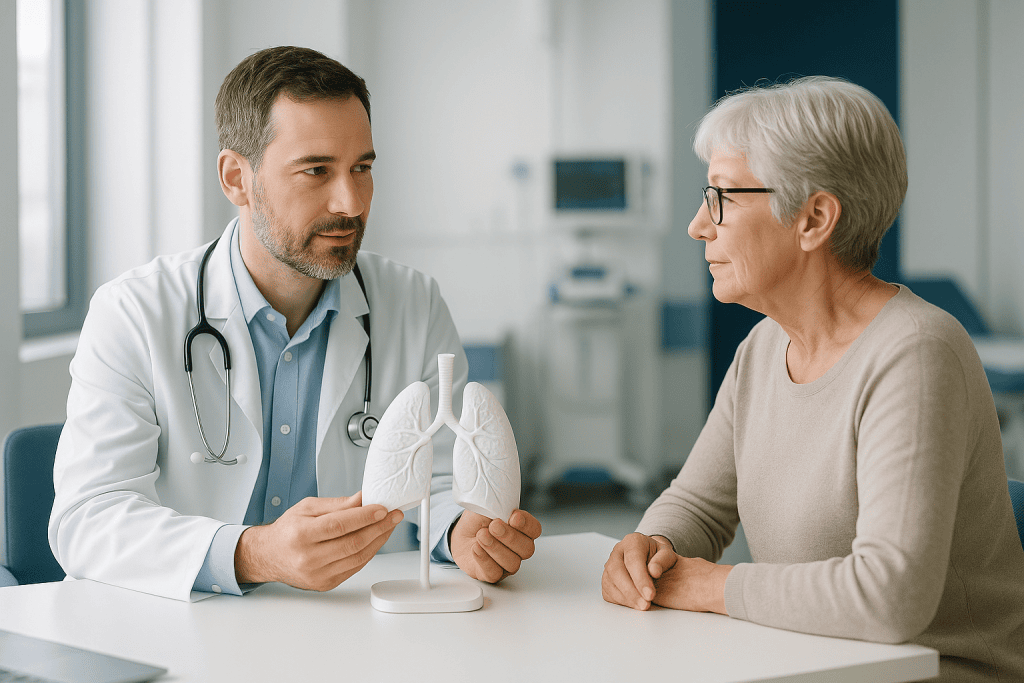
Lung nodules are small, rounded spots or growths seen inside the lung, most often found on a chest X-ray or CT scan done for another reason. Many lung nodules are benign, but they should be assessed by a specialist to decide whether monitoring, further testing, or treatment is needed.
Overview
Lung nodules, also called pulmonary nodules, are small spots in the lung that are usually found on imaging tests such as a chest X-ray or computed tomography scan. They are not a diagnosis by themselves; rather, they are an imaging finding that can have many possible causes. A nodule may be a tiny scar, a sign of a past infection, a benign growth, or, less commonly, an early cancer.
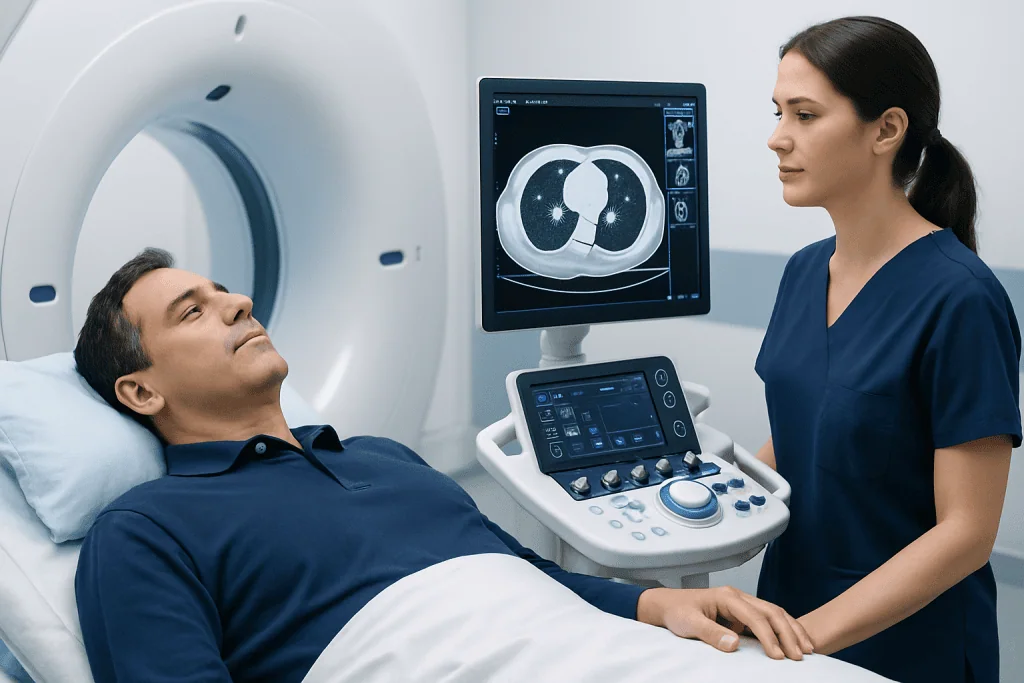
Many lung nodules are discovered incidentally when a person has imaging for another concern, such as chest discomfort, persistent cough, injury, preoperative evaluation, or routine screening in people at higher risk for lung cancer. CT scans can detect very small nodules that may not be visible on a standard chest X-ray, which is why nodules are increasingly identified during modern medical care.
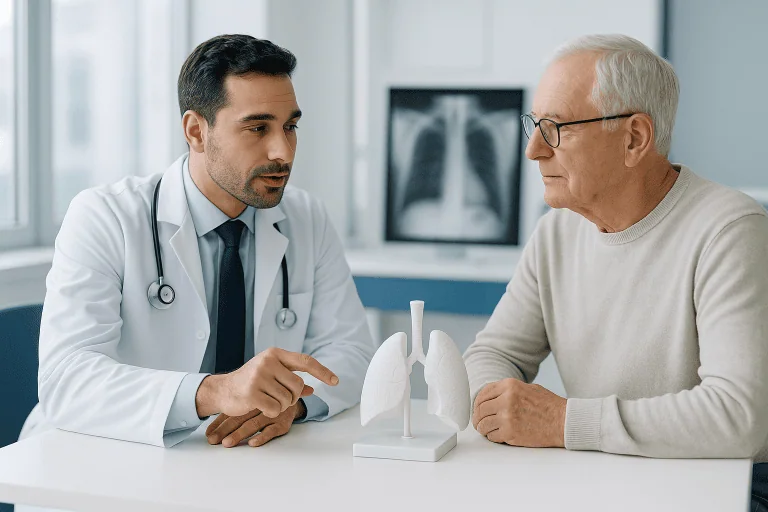
The medical importance of a lung nodule depends on several features, including its size, edges, density, location, and whether it changes over time. A specialist also considers the person’s age, smoking history, exposure history, previous infections, and any history of cancer. This structured assessment helps separate nodules that can be safely monitored from those that need more detailed testing.
Symptoms
Most lung nodules do not cause symptoms. They are commonly too small to interfere with breathing, and many people feel completely well when the nodule is found. For this reason, the presence or absence of symptoms alone cannot confirm whether a nodule is harmless or needs further evaluation.
When symptoms are present, they may be related to the underlying cause rather than the nodule itself. For example, an infection may cause cough, fever, mucus production, or tiredness. Inflammatory lung conditions may be associated with shortness of breath, chest tightness, or symptoms in other parts of the body, depending on the condition involved.
Symptoms that deserve medical attention include a cough that does not improve, coughing up blood, unexplained weight loss, persistent chest pain, recurrent chest infections, or new shortness of breath. These symptoms do not automatically mean cancer, but they are important signals that a qualified doctor should assess promptly.
Causes & Risk Factors
Lung nodules can form for many reasons. Benign causes include healed infections, small areas of scarring, non-cancerous tumors, enlarged lymph tissue, or inflammatory conditions that produce granulomas. Granulomas are small clusters of immune cells that can develop after certain infections or inflammatory diseases and may remain visible on lung imaging for years.
Infections are a common cause of nodules in many parts of the world. Previous bacterial, fungal, or mycobacterial infections may leave a small mark in the lung after the active illness has resolved. Inflammatory and autoimmune conditions can also create nodules, sometimes along with other lung findings that help guide diagnosis.
Some nodules are caused by cancer, either a primary lung cancer that begins in lung tissue or a metastasis from another cancer elsewhere in the body. The risk is influenced by factors such as current or previous smoking, older age, exposure to asbestos or other harmful inhaled substances, a family history of lung cancer, and a personal history of cancer. Nodule characteristics on CT, such as growth, irregular borders, or certain density patterns, may also increase concern.
Risk does not depend on one factor alone. A small nodule in a young non-smoker may be managed differently from a growing nodule in an older person with a long smoking history. This is why individualized assessment by a pulmonologist, radiologist, thoracic surgeon, or oncology specialist is important.
Diagnosis
Diagnosis begins with a careful review of the imaging test that found the lung nodule. CT scan is usually the most useful imaging method because it provides detailed information about size, shape, density, borders, and location. If previous chest imaging is available, comparing old and new scans is very helpful because a nodule that remains stable over time is often less concerning than one that grows.
The doctor also takes a detailed medical history. This may include smoking history, occupational or environmental exposures, travel, previous infections, immune system problems, family history, and any past or current cancer. A physical examination may be normal, especially when the nodule is small, but it can reveal clues to infection, inflammation, or another medical condition.
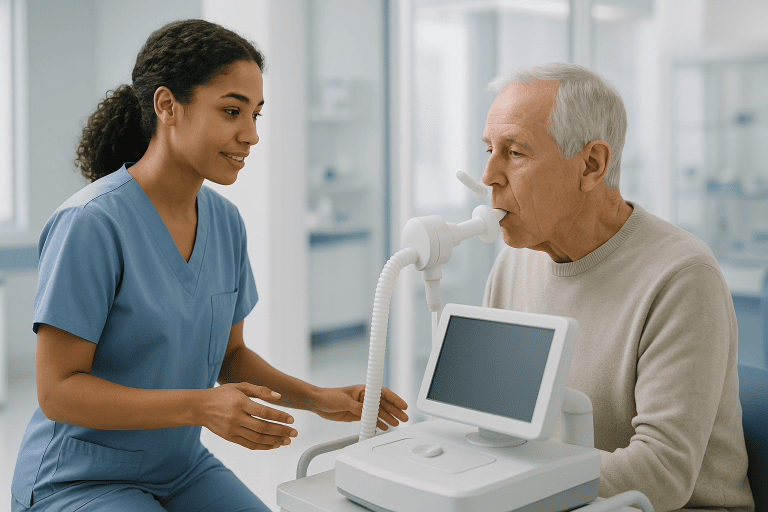
Depending on the level of concern, further testing may be recommended. Options can include repeat CT imaging after a defined interval, positron emission tomography combined with CT, blood tests when infection or inflammation is suspected, or tissue sampling. Tissue sampling may be performed through bronchoscopy, image-guided needle biopsy, or a surgical biopsy, depending on where the nodule is located and how safely it can be reached.
The goal of diagnosis is to avoid both under-testing and over-testing. Some nodules only need surveillance, while others need a faster and more detailed work-up. Decisions are typically based on established clinical guidelines, imaging appearance, patient risk factors, and discussion between the patient and specialist.
Treatment Options
Treatment for lung nodules depends entirely on the likely cause and the assessed risk. A lung nodule itself is an imaging finding, so there is no single standard treatment for every patient. The right approach is decided by a specialist after reviewing the CT features, medical history, risk factors, symptoms, and, when needed, biopsy results.
For many low-risk nodules, the recommended approach is active surveillance with repeat imaging. This means the nodule is watched over time to see whether it stays stable, shrinks, or grows. The timing and number of follow-up scans depend on nodule size, appearance, and the person’s risk profile. Surveillance helps avoid unnecessary procedures while still keeping the nodule under appropriate medical observation.
If a nodule is thought to be caused by infection or inflammation, treatment may focus on the underlying condition. This can involve medical therapy, further tests to identify the organism or inflammatory disorder, and follow-up imaging to confirm improvement. In some cases, no treatment is needed if the nodule represents an old, healed process.
If a nodule is suspicious for cancer or confirmed to be cancer, care may involve a multidisciplinary team. Options may include surgery to remove the nodule, radiotherapy, systemic cancer treatments, or a combination of approaches, depending on the diagnosis and the patient’s overall health. These decisions are individualized and should be made after specialist assessment, staging when appropriate, and clear discussion of benefits and risks.
Living With / Prognosis
Living with a lung nodule can cause understandable worry, especially while waiting for follow-up tests. It may help to know that many nodules are benign and that careful monitoring is a common and evidence-based approach. Patients should keep copies of imaging reports, attend scheduled follow-up appointments, and tell their doctor about any new or changing symptoms.
Prognosis depends on the cause of the nodule. A nodule from old scarring or a healed infection may remain unchanged and require no active treatment. Nodules caused by active infection or inflammation often improve when the underlying condition is managed. When a nodule is cancerous, earlier detection may allow more treatment options, which is why appropriate evaluation and follow-up are important.
Healthy lifestyle steps can support lung health, although they do not replace medical evaluation. People who smoke should ask their doctor about evidence-based support to stop smoking. Avoiding secondhand smoke, following occupational safety advice for dust or chemical exposure, staying physically active as tolerated, and keeping vaccinations up to date when recommended can all contribute to respiratory well-being.
International patients who need assessment of lung nodules may benefit from coordinated care among pulmonology, radiology, thoracic surgery, pathology, and oncology teams. Acibadem International provides diagnosis and treatment for lung nodules through multidisciplinary specialists in JCI-accredited hospitals, with care planned according to each patient’s medical findings.
When to See a Doctor
A person should see a doctor if a lung nodule is reported on any chest X-ray, CT scan, or other imaging test. Even when the nodule is likely benign, a healthcare professional should decide whether previous images should be reviewed, whether a CT scan is needed, and whether follow-up imaging is appropriate.
Medical review is especially important for people who smoke or used to smoke, those with a history of cancer, people exposed to asbestos or other harmful inhaled substances, and anyone with a family history of lung cancer. A specialist should also assess nodules that are described as growing, irregular, solid with concerning features, or associated with enlarged lymph nodes or other abnormal imaging findings.
Prompt medical attention is recommended for symptoms such as coughing up blood, persistent or worsening cough, unexplained weight loss, chest pain, fever that does not resolve, or increasing shortness of breath. These symptoms can have many causes, but they should not be ignored. A qualified doctor can arrange appropriate tests and guide the safest next steps.
Frequently asked questions
What is a lung nodule?
A lung nodule is a small, rounded area seen within the lung on an imaging test such as a CT scan or chest X-ray. It is also called a pulmonary nodule. A nodule is not automatically cancer; it is a finding that needs interpretation based on its appearance and the patient’s risk factors.
Are lung nodules cancer?
Many lung nodules are benign, especially when they are small, stable over time, or related to old infection or scarring. Some nodules can be cancer, particularly if they grow, have suspicious imaging features, or occur in a person with higher risk factors. A specialist assessment helps determine the level of concern and the best next step.
Do lung nodules cause symptoms?
Most lung nodules do not cause symptoms and are found incidentally during imaging for another reason. If symptoms occur, they often come from the underlying cause, such as infection or inflammation. Persistent cough, coughing up blood, unexplained weight loss, chest pain, or shortness of breath should be discussed with a doctor.
How are lung nodules diagnosed?
Diagnosis usually starts with a detailed CT scan and comparison with any previous imaging. Doctors evaluate the nodule’s size, shape, density, location, and whether it has changed. Depending on risk, they may recommend follow-up CT scans, PET-CT, blood tests, bronchoscopy, needle biopsy, or surgical biopsy.
What is the treatment for lung nodules?
Treatment depends on the cause and risk level. Some nodules only need monitoring with repeat imaging, while others may require treatment for infection or inflammation. If cancer is suspected or confirmed, options may include surgery, radiotherapy, systemic treatment, or combined care decided by a specialist team.
Can a lung nodule disappear?
Some lung nodules can shrink or disappear, especially if they are related to infection or inflammation. Others may remain stable for many years, such as small scars or healed granulomas. Follow-up imaging helps doctors understand whether the nodule is changing and whether further action is needed.
When should a lung nodule be biopsied?
A biopsy may be considered when imaging features, growth, size, symptoms, or personal risk factors make the nodule more concerning. Not every nodule needs a biopsy, because some can be safely monitored and biopsy has its own risks. The decision is made after a specialist reviews the CT scan, medical history, and safest method for obtaining tissue if needed.
This article is for general information only and is not a substitute for professional medical advice. Please consult a qualified doctor about your individual situation.
Medically reviewed by the Acıbadem International Medical Board June 20, 2026
See our medical review board →
Update history
- PublishedJune 8, 2026
- Medical review approvedJune 20, 2026
- Last content updateJune 11, 2026