Sexual Dysfunction
Learn what sexual dysfunction is, its symptoms and causes, how doctors diagnose it, and which treatment options may help, from counseling to medication.

Quick answer
Sexual dysfunction is a persistent problem with sexual desire, arousal, orgasm or pain that causes distress and interferes with satisfying sexual activity. It affects men and women of all ages and is usually caused by a mix of physical factors, such as diabetes, blood vessel disease, hormones or medications, and psychological factors like stress or anxiety. Many cases improve with treatment.
What is sexual dysfunction?
Sexual dysfunction is a persistent or recurring problem that occurs during any stage of the sexual response cycle and that prevents a person or couple from experiencing satisfaction from sexual activity. The sexual response cycle is the sequence of physical and emotional changes that happen with sexual activity, usually described as desire, arousal, orgasm and resolution (the return to a relaxed state). A difficulty at any of these points can be described as a form of sexual dysfunction.
Occasional problems are very common and are not, by themselves, a medical condition. Stress, tiredness, alcohol or a new relationship can all affect sexual function for a short time. Doctors generally use the term sexual dysfunction when the problem lasts for months, happens on most occasions and causes distress to the person or strain in a relationship.
Sexual dysfunction affects both men and women and can appear at any age, although it becomes more common with advancing age and with long-term health conditions. It is often grouped into four broad types:
- Desire disorders: a lack of interest in sex or reduced sexual thoughts.
- Arousal disorders: difficulty becoming or staying physically aroused, such as erectile dysfunction (trouble getting or keeping an erection) in men or poor lubrication and genital sensation in women.
- Orgasm disorders: orgasm that comes too early (premature ejaculation), is delayed, or does not happen at all.
- Pain disorders: pain during or after sex, known medically as dyspareunia, or involuntary tightening of the vaginal muscles, known as vaginismus.
Many people find the subject difficult to raise with a doctor, but sexual problems are a recognized part of general health. They are frequently linked to other conditions, and treating them often improves quality of life.
Sexual dysfunction symptoms
Sexual dysfunction symptoms depend on the type of problem and on the person’s sex, but the common thread is a change from what was normal for that person, lasting long enough to cause worry or frustration. Symptoms may include:
- Little or no interest in sex, or a noticeable drop in desire compared with the past
- Difficulty getting an erection, or an erection that does not stay firm enough for sex
- Ejaculation that happens sooner than wanted, often before or shortly after penetration
- Ejaculation or orgasm that is very delayed or does not occur despite adequate stimulation
- Difficulty becoming physically aroused, including reduced vaginal lubrication or reduced genital sensation
- Pain in the genitals or pelvis during or after sexual activity
- Involuntary tightening of the vaginal muscles that makes penetration difficult or impossible
- Anxiety, low mood or avoidance of intimacy related to the problem
In men, the most frequently reported sexual dysfunction symptoms are erectile dysfunction and premature ejaculation. Erectile dysfunction that develops gradually over months or years is more often linked to blood vessel or nerve problems, while erectile dysfunction that appears suddenly, or that happens only in certain situations, is more often linked to stress or anxiety. Men who still have firm erections on waking, for example, may have a problem that is at least partly psychological.
In women, symptoms often overlap. Low desire, difficulty with arousal and trouble reaching orgasm frequently occur together, and pain during sex can lead to reduced desire over time because sex becomes associated with discomfort. Symptoms may also change with life stages, such as after childbirth or around menopause (the point when menstrual periods stop permanently), when falling estrogen levels can cause vaginal dryness and thinning of the vaginal tissue.
Symptoms can be lifelong, meaning they have been present since the start of sexual activity, or acquired, meaning they developed after a period of normal function. They may also be generalized, occurring in every situation, or situational, occurring only with a certain partner or in certain circumstances. These patterns help doctors narrow down the likely cause.
Causes and risk factors
Sexual dysfunction causes are often a mix of physical and psychological factors, and in many cases more than one cause is present at the same time. Doctors usually consider both groups rather than looking for a single explanation.
Physical causes include:
- Blood vessel disease: conditions such as high blood pressure, high cholesterol and atherosclerosis (narrowing of the arteries) reduce blood flow to the genitals, which is a common cause of erectile dysfunction.
- Diabetes: long-standing high blood sugar can damage both blood vessels and nerves involved in sexual response.
- Hormonal changes: low testosterone in men, and the drop in estrogen at menopause in women, can reduce desire and arousal. Thyroid disorders and high levels of the hormone prolactin can also play a role.
- Neurological conditions: multiple sclerosis, Parkinson’s disease, spinal cord injury and stroke can interrupt the nerve signals needed for arousal and orgasm.
- Surgery or injury: operations on the prostate, bladder, bowel or pelvis, and pelvic radiation therapy, may damage nerves and blood vessels.
- Medications: some antidepressants, blood pressure medicines, antihistamines and hormone treatments are known to affect desire, erection or orgasm.
- Alcohol, smoking and recreational drugs: these can impair blood flow, nerve function and hormone balance.
- Chronic illness and pain: kidney disease, liver disease, heart failure and long-term pain conditions can all reduce sexual function.
Psychological and relationship causes include stress, anxiety about performance, depression, poor body image, guilt or shame about sex, past sexual trauma, and unresolved conflict with a partner. Once a problem has occurred, worry about it happening again can create a cycle in which anxiety itself becomes the main cause.
Risk factors that make sexual dysfunction more likely include older age, obesity, a sedentary lifestyle, smoking, heavy alcohol use, diabetes, heart disease, depression or anxiety disorders, use of certain long-term medications, previous pelvic surgery or radiation, and relationship difficulties. Having a risk factor does not mean a problem will develop, but it increases the chance.
Sexual dysfunction diagnosis
There is no single test that confirms sexual dysfunction. Instead, sexual dysfunction diagnosis is based mainly on a careful conversation about symptoms, followed by a physical examination and, where needed, tests to look for an underlying cause. Doctors typically ask that the problem has been present for several months and is causing distress before making a formal diagnosis, and they will consider whether it might be better explained by another medical or mental health condition or by a medication.
Medical and sexual history. Your doctor may ask when the problem started, whether it happens every time or only in some situations, whether you have morning erections (for men), whether sex is painful, and how the problem is affecting you and your relationship. You may be asked about other health conditions, medications, alcohol and drug use, mood and stress. Some clinics use short standardized questionnaires to measure the severity of erectile function or female sexual function and to track changes over time.
Physical examination. This usually includes checking blood pressure, weight and general health, and examining the genitals. In men, the doctor may check the penis and testicles and, where relevant, the prostate. In women, a pelvic examination may be done to look for causes of pain such as infection, skin conditions, thinning of the vaginal tissue or scarring.
Blood tests. These are often used to look for contributing conditions. Common tests include blood glucose or HbA1c (a measure of average blood sugar) for diabetes, cholesterol and other lipids, testosterone, thyroid hormones and prolactin. Other tests may be added depending on symptoms.
Specialized tests. These are not needed for everyone and are usually reserved for men whose erectile dysfunction does not respond to first-line treatment or who are being considered for surgery. They may include a penile Doppler ultrasound, which uses sound waves to measure blood flow into and out of the penis after an injection that produces an erection, and a nocturnal penile tumescence test, which records erections during sleep to help separate physical from psychological causes.
Psychological assessment. Because mood, anxiety and relationship factors are so often involved, your doctor may ask about these directly or may suggest an assessment by a psychologist or sex therapist.
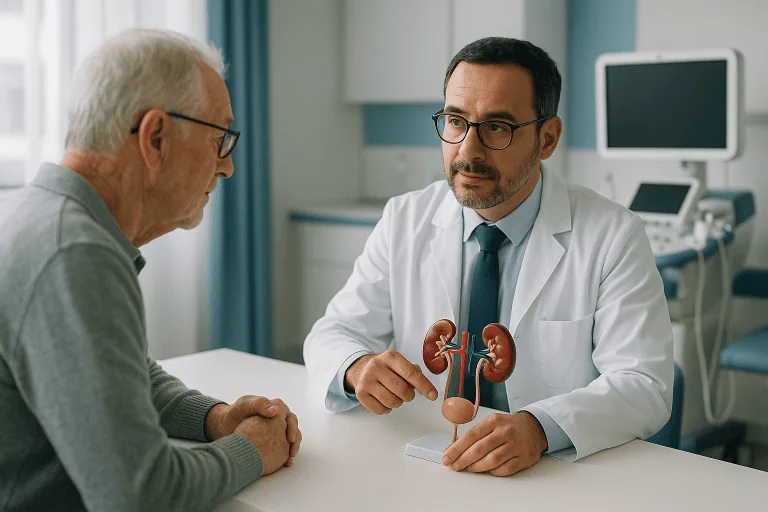
At Acibadem, sexual dysfunction in men is generally evaluated in the Urology department, while problems in women are usually assessed by gynecology, often with input from endocrinology or mental health specialists when needed.
Sexual dysfunction treatment options
Sexual dysfunction treatment options depend on the type of problem, its likely cause and the person’s preferences and overall health. In many cases, treating an underlying condition or adjusting a medication improves symptoms, and a combination of approaches is often more effective than any single one.
Treating the underlying cause and lifestyle changes. Improving control of diabetes, blood pressure and cholesterol, losing excess weight, exercising regularly, stopping smoking and reducing alcohol can all help, particularly with erectile dysfunction. If a medication is thought to be responsible, your doctor may be able to adjust the dose or switch to an alternative. Never stop a prescribed medicine without medical advice.
Counseling and sex therapy. Talking therapies are often recommended, whether the cause is mainly psychological or physical, because the emotional impact of sexual problems is significant either way. Sex therapy is a form of counseling that focuses specifically on sexual concerns and may include structured exercises for couples, techniques for managing anxiety and strategies for delaying ejaculation. Cognitive behavioral therapy, which helps change unhelpful thought patterns, is also used.
Medications. For erectile dysfunction, oral medicines known as PDE5 inhibitors (phosphodiesterase type 5 inhibitors) increase blood flow to the penis in response to sexual stimulation. They are not suitable for everyone, particularly men taking nitrate medicines for heart disease, so a medical review is needed first. For premature ejaculation, certain antidepressants in the SSRI class or topical numbing creams may be prescribed. Hormone treatments, such as testosterone replacement for men with confirmed low testosterone or local vaginal estrogen for women with dryness after menopause, may be considered when a deficiency is confirmed. Lubricants and vaginal moisturizers are simple options for dryness and discomfort.
Devices and physical therapy. A vacuum erection device draws blood into the penis, after which a ring at the base holds the erection. Pelvic floor physical therapy, which trains the muscles that support the pelvic organs, can help with certain types of pain, with vaginismus and, in some men, with erectile function and ejaculation control. Vaginal dilators of gradually increasing size are commonly used for vaginismus and for narrowing after radiation therapy.
Injections and other procedures. When oral medicines do not work, men may be offered medication injected directly into the side of the penis or inserted into the urethra (the tube that carries urine) to produce an erection. These are effective for many men but require training in the technique.
Surgery. A penile implant, also called a penile prosthesis, is a device placed inside the penis during surgery to allow an erection to be produced manually. It is usually considered only when other treatments have failed or are unsuitable. Surgery to repair blood vessels is rarely performed and is generally limited to younger men with a specific injury. In women, surgery is uncommon and is reserved for clearly defined physical problems causing pain.
Your doctor will discuss the likely benefits, side effects and limitations of each option. Treatment is often adjusted over time, and it is common to try more than one approach before finding what works.
Living with sexual dysfunction and outlook
The outlook for sexual dysfunction varies widely. Problems that are mainly related to stress, anxiety or relationship factors often improve with counseling and time. Problems linked to a treatable physical cause, such as a medication side effect or an untreated hormone deficiency, frequently improve once the cause is addressed. When the cause is a long-term condition such as diabetes, nerve damage or blood vessel disease, the aim is usually to manage the problem rather than to cure it, and many people find an approach that allows a satisfying sex life even if function is not fully restored.
Living well with sexual dysfunction often involves open communication with a partner, realistic expectations and a willingness to adapt. Intimacy does not depend only on intercourse, and many couples find that broadening their definition of sex reduces pressure and improves satisfaction. Managing general health, including sleep, exercise, alcohol intake and mental health, supports sexual function over the long term.
Erectile dysfunction in particular deserves attention because it can be an early sign of blood vessel disease elsewhere in the body. Men who develop erectile dysfunction, especially in middle age, may benefit from a check of their heart health even if they have no other symptoms. Regular follow-up allows treatment to be adjusted as needs change.
Frequently asked questions
What is sexual dysfunction, and how is it different from a normal bad night?
Sexual dysfunction is a problem with desire, arousal, orgasm or pain that is persistent, happens on most occasions and causes distress. Almost everyone has occasional difficulty related to tiredness, stress or alcohol, and this is not a medical condition. Doctors usually consider a diagnosis only when the problem has continued for several months and is affecting well-being or a relationship.
What are the most common sexual dysfunction symptoms in men and women?
In men, the most common symptoms are difficulty getting or keeping an erection and ejaculating sooner than wanted. In women, low desire, difficulty becoming aroused, trouble reaching orgasm and pain during sex are the most frequently reported. Symptoms often overlap, and low desire in particular can develop as a consequence of another problem rather than being the original cause.
What are the main sexual dysfunction causes?
Causes are usually a combination of physical and psychological factors. Common physical causes include blood vessel disease, diabetes, hormonal changes, nerve conditions, pelvic surgery and side effects of medications such as some antidepressants and blood pressure drugs. Common psychological causes include stress, performance anxiety, depression, past trauma and relationship difficulties. In many cases more than one factor is involved.
How is a sexual dysfunction diagnosis made?
Diagnosis is based mostly on a detailed conversation about symptoms and medical history, a physical examination and blood tests to look for conditions such as diabetes, low testosterone or thyroid problems. Specialized tests, such as an ultrasound of blood flow in the penis, are used only in selected cases. A psychological or relationship assessment may also be suggested because emotional factors are so commonly involved.
What sexual dysfunction treatment options are available?
Options include treating underlying health conditions, lifestyle changes, adjusting medications, counseling or sex therapy, oral medicines, hormone treatment where a deficiency is confirmed, lubricants, vacuum devices, pelvic floor physical therapy, penile injections and, in selected cases, surgery such as a penile implant. The best approach depends on the type and cause of the problem, and a combination of treatments is often used.
Can sexual dysfunction be a sign of a more serious health problem?
Sometimes. Erectile dysfunction, in particular, shares the same risk factors as heart disease and can appear before other symptoms of blood vessel disease. New sexual problems can also be an early sign of diabetes, hormone disorders or, less commonly, neurological conditions. For this reason, doctors often check general health when someone reports a new sexual problem, even if the person otherwise feels well.
Does sexual dysfunction always get worse with age?
Sexual function does change with age, and some decline in desire, arousal or erection firmness is common. However, age alone does not make sexual dysfunction inevitable, and many older adults remain sexually active and satisfied. Long-term health conditions and medications that accumulate with age are often more important than age itself, and many of these can be managed.
When to see a doctor
It is reasonable to see a doctor whenever a sexual problem has lasted more than a few months, is causing you or your partner distress, or is affecting your relationship. You should also seek advice if the problem began after starting a new medication or alongside other new symptoms such as tiredness, weight change, urinary problems or changes in mood. Sexual problems are a routine part of medical care, and early assessment can identify treatable causes.
Seek urgent medical attention if you experience any of the following:
- An erection lasting more than four hours, especially after using an erectile dysfunction medicine or injection. This is called priapism and can cause permanent damage if not treated quickly.
- Chest pain, shortness of breath, fainting or a fast or irregular heartbeat during or after sexual activity or after taking a medicine for sexual function.
- Sudden severe pain in the penis, testicles or pelvis, or a bent, swollen or bruised penis after injury during sex.
- Heavy or unexpected vaginal bleeding during or after sex, or bleeding after menopause.
- Blood in the urine or semen, or a new lump or swelling in the genitals.
- Sudden numbness or weakness in the legs or genital area, or new difficulty controlling the bladder or bowel, together with sexual problems, as this can indicate a nerve or spinal problem.
- Thoughts of harming yourself or severe low mood related to the problem.
These signs do not necessarily mean something serious is happening, but they need prompt medical assessment rather than watchful waiting.
Medically reviewed by the Acıbadem International Medical Board September 9, 2026
See our medical review board →
Update history
- PublishedSeptember 9, 2026
- Medical review approvedSeptember 9, 2026
- Last content updateSeptember 9, 2026