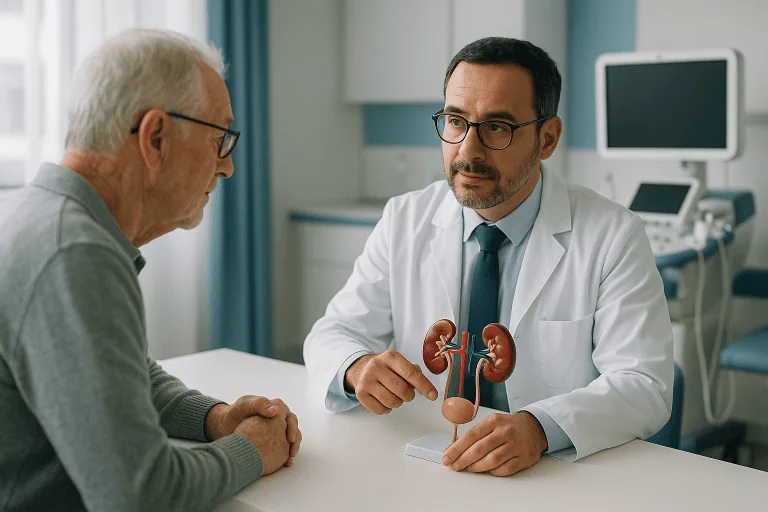
Sexual Dysfunction Treatment
Sexual dysfunction care evaluates physical, hormonal, psychological and relationship-related causes of problems such as erectile dysfunction, low libido, painful intercourse or orgasm difficulties. Treatment is personalized with medical, counseling and lifestyle options.

Quick answer
Sexual dysfunction covers persistent problems with desire, arousal, erection, comfort, ejaculation or orgasm. Care begins with a structured medical evaluation, history, examination and targeted tests, to identify physical, hormonal, medication-related or psychological causes. Treatment is matched to the cause and may include lifestyle change, medication review, oral therapies, pelvic floor rehabilitation, counselling, devices or, in selected cases, surgery.
Erectile Dysfunction, Sexual Dysfunction and What the Terms Actually Mean
Sexual dysfunction is the medical term for persistent problems with sexual desire, arousal, erection, comfort during intercourse, ejaculation or orgasm that cause distress. Erectile dysfunction, difficulty achieving or maintaining an erection firm enough for satisfying sexual activity, is the most widely recognised form, but it is only one of many. Care for these problems is a structured medical evaluation followed by a treatment plan matched to the cause, and it is available to men, women and couples of any age.
These problems are common, but they can feel deeply personal and difficult to discuss. A change in erection quality, desire, arousal, comfort, ejaculation, orgasm or sexual confidence affects more than physical health. It touches emotional wellbeing, relationships and self-image. Many people delay asking for help because they feel embarrassed, assume the problem is “just stress”, or worry that the consultation will be uncomfortable or judgemental. That delay is understandable, but it is rarely useful.
In reality, sexual difficulties are medical concerns that deserve careful, respectful evaluation. They may relate to blood flow, hormones, nerve function, medications, pelvic health, menopause, prostate or gynaecological conditions, diabetes, cardiovascular disease, anxiety, depression, trauma, relationship strain, or, very often, a combination of several of these at once. Erectile dysfunction in particular can be an early signal of a broader health issue, because the blood vessels that supply the penis are narrow and tend to show the effects of vascular disease before larger arteries do. Identifying that early has value well beyond the bedroom.
Seeking care does not mean something is “wrong” with you or your relationship. It means you are taking a considered step towards understanding your body. The goal of sexual dysfunction care is to identify the causes, relieve distress, improve function where possible and support a healthier, more satisfying intimate life. At Acibadem, evaluation and treatment are approached with discretion, medical precision and sensitivity to each patient’s personal, cultural and relationship context.
What is sexual dysfunction?
Sexual dysfunction is an umbrella term, not a single diagnosis. It covers any persistent difficulty in the sexual response cycle, desire, arousal, orgasm, as well as pain connected to sexual activity. In men, that includes erectile dysfunction, premature or delayed ejaculation and reduced desire. In women, it includes low desire, arousal difficulties, difficulty reaching orgasm, vaginal dryness and painful intercourse. It also includes changes in sexual function after surgery, childbirth, cancer treatment or menopause. Two things distinguish a dysfunction from ordinary variation: the problem persists over time, and it causes distress. Occasional difficulty during periods of stress, illness or fatigue is normal and does not, on its own, need a diagnosis.
What is ED?
If you are asking what is ED, the abbreviation stands for erectile dysfunction: the persistent inability to achieve or maintain an erection sufficient for satisfying sexual activity. “Persistent” is the operative word. A single disappointing experience is not erectile dysfunction; a pattern that continues over weeks or months, and that bothers you or your partner, is worth evaluating. The pattern itself carries diagnostic information: a gradual decline suggests different causes than a sudden change, and difficulty in every situation suggests different causes than difficulty only in some. A detailed overview of assessment and options is available on our erectile dysfunction treatment page.
Is impotence the same as erectile dysfunction?
Impotence is an older word for the same condition; clinicians now prefer “erectile dysfunction” because it is more precise and carries less stigma. Much of what circulates online about impotence and treatment reflects the older framing: the idea of a fixed, shameful state rather than a symptom with identifiable causes. Modern practice treats erection difficulty as a clinical finding to be investigated, in the same way a doctor would investigate breathlessness or chest discomfort. If you encounter the word impotence in older material or in translation, you can read it as erectile dysfunction; the evaluation and the options are the same.
What does “libido” actually mean?
The libido meaning is simple: libido is sexual desire: your level of interest in sexual activity, as distinct from your physical ability to respond. The distinction matters clinically. A man can have a normal libido and still experience erectile dysfunction; a woman can have normal arousal responses and still have little desire to initiate or engage. Because desire and physical function have different drivers, hormones, mood, relationship quality and fatigue weigh more heavily on desire, while circulation and nerve function weigh more heavily on physical response: a careful evaluation always asks about both separately.
What Sexual Dysfunction Care Involves
Sexual dysfunction care is a structured medical evaluation and a personalised treatment plan for problems that interfere with sexual desire, arousal, performance, comfort or satisfaction. Depending on the symptoms and medical history, it may involve urology, gynaecology, endocrinology, psychiatry, psychology, pelvic floor therapy, cardiology, neurology or pain medicine. Few areas of medicine cross as many specialty boundaries, which is why fragmented, single-specialty treatment so often disappoints.
The care pathway begins by clarifying the exact problem and how long it has been present, then identifying the physical, hormonal, psychological and relationship-related factors that may be contributing. This sounds obvious, but it is where many previous treatment attempts have gone wrong: a symptom was treated before it was understood.
Treatment is not limited to medication. Depending on the cause, care may include lifestyle changes, management of chronic disease, hormone evaluation and treatment when appropriate, medication review with the prescribing doctor, oral or topical therapies, pelvic floor rehabilitation, counselling, sex therapy, couples counselling, treatment for pain or vaginal symptoms, devices, injection-based therapies for selected patients, or surgery in specific situations, such as penile implant placement for severe erectile dysfunction that has not responded to other measures.
A careful diagnosis matters because the same symptom can have very different causes. Low desire may be related to hormonal imbalance, depression, relationship stress, medication side effects, chronic pain or plain exhaustion. Painful intercourse may reflect pelvic floor muscle dysfunction, vaginal dryness, endometriosis, infection, a skin condition or scar tissue. Erectile dysfunction may be related to vascular health, diabetes, neurological conditions, testosterone levels, medications or performance anxiety, and frequently to more than one of these. Effective care begins with the full picture, not the most convenient explanation.
Who May Benefit from a Sexual Dysfunction Evaluation
You may benefit from an evaluation if changes in sexual function persist, cause distress, affect your relationship or appear alongside other health symptoms. Some patients seek help after a sudden change; others notice a gradual decline over months or years. Both patterns deserve attention, and neither is “too minor” to raise with a doctor.
Common reasons people request care include difficulty achieving or maintaining an erection, reduced sexual desire, pain with intercourse, vaginal dryness, reduced genital sensation, difficulty becoming aroused, premature ejaculation, delayed ejaculation, inability to reach orgasm, changes after childbirth, sexual pain after menopause, sexual difficulties after prostate, pelvic or gynaecological surgery, and concerns related to cancer treatment. Patients also seek second opinions when previous treatment has not helped or when the diagnosis has never been clearly explained to them.
Diagnosis begins with a private, detailed medical discussion. The physician will ask about symptoms, timing, medications, past surgery, chronic illness, mental health, hormonal history, menstrual or menopausal status where relevant, lifestyle, sleep, alcohol and tobacco use, relationship context and previous treatments. This conversation is conducted respectfully and confidentially. You are encouraged to speak openly, but only at a pace that feels comfortable: a good clinician will not push past what you are ready to say at a first visit.
A physical examination may be recommended, depending on the concern. For men, this may include evaluation of genital anatomy, prostate health when appropriate, blood pressure, vascular signs and features that suggest hormonal imbalance. For women, examination may assess vaginal tissue health, pelvic floor tenderness, skin changes, signs of infection, scarring, prolapse or specific pain triggers. In some cases examination is not needed at the first visit at all, particularly when the priority is history, counselling or review of previous records.
Laboratory tests may assess hormones, blood sugar, cholesterol, thyroid function, kidney or liver function and markers of general health. Additional diagnostic tools may include pelvic ultrasound, penile vascular ultrasound for selected erectile dysfunction cases, nerve function assessment when indicated, urine or infection testing, medication review, validated questionnaires and mental health screening. The aim is not to over-test. It is to choose investigations that answer a meaningful clinical question: a principle worth remembering if a previous clinic ordered everything and explained nothing.
Conditions Addressed by Sexual Dysfunction Care
Sexual dysfunction care addresses a wide range of conditions in men, women and couples, across different ages, sexual orientations and relationship structures. The treatment plan should reflect the individual’s anatomy, medical background, goals and personal values, not a template.
- Erectile dysfunction: Difficulty achieving or maintaining an erection sufficient for satisfying sexual activity. It may be linked to vascular disease, diabetes, hypertension, obesity, low testosterone, neurological conditions, prostate treatment, medications or psychological factors, often several together.
- Low libido or reduced desire: A decline in sexual interest that causes distress. Causes may include hormonal changes, depression, anxiety, chronic illness, relationship stress, fatigue, pain, medication effects or major life transitions.
- Painful intercourse: Pain before, during or after sexual activity. In women, this may involve vaginal dryness, pelvic floor dysfunction, vulvar pain syndromes, infection, endometriosis, menopause-related tissue changes or scar tissue. In men, pain may involve prostatitis, penile curvature, skin conditions or pelvic floor tension.
- Arousal difficulties: Reduced physical response, lubrication, genital sensation or subjective excitement, usually with more than one contributing factor.
- Orgasm difficulties: Difficulty reaching orgasm, delayed orgasm or reduced orgasm intensity, which may relate to medication, nerve function, hormonal status, psychological factors or pain.
- Ejaculation concerns: Premature ejaculation, delayed ejaculation, painful ejaculation, retrograde ejaculation, or changes after prostate or pelvic surgery.
- Menopause-related sexual symptoms: Vaginal dryness, discomfort, recurrent irritation, reduced desire or pain related to hormonal change and tissue sensitivity.
- Sexual function after cancer treatment: Effects of prostate, colorectal, bladder, gynaecological or breast cancer treatment, including surgery, radiotherapy, chemotherapy, hormone therapy and changes in body image.
- Pelvic floor-related sexual dysfunction: Muscle tension, weakness, spasm or coordination problems contributing to pain, erection issues, ejaculation concerns or reduced sensation.
- Medication-related sexual dysfunction: Sexual side effects of antidepressants, blood pressure medications, hormonal therapies, pain medicines and other treatments.
Because sexual function depends on several body systems working together, care often requires collaboration between specialties. A patient with erectile dysfunction and chest symptoms may need cardiovascular assessment before sexual activity or ED medication is considered safe. A patient with painful intercourse may need both gynaecological care and pelvic floor therapy. A patient with low desire may benefit from endocrine evaluation, mental health support and a structured medication review. Coordinated care exists precisely to prevent these threads from being handled in isolation.
What Causes Erectile Dysfunction and Other Sexual Problems?
There is rarely a single cause, and the honest answer to most “what caused this” questions is a short list rather than one word. That said, some patterns are well established and worth knowing before an evaluation, because they shape which tests are useful and which treatments are realistic.
What is the main cause of erectile dysfunction?
There is no single main cause, but in middle-aged and older men the most frequent physical contributor is vascular: reduced blood flow into the penis due to the same processes that narrow arteries elsewhere, which is why diabetes, high blood pressure, high cholesterol, smoking and obesity appear so often in the background of erectile dysfunction. In younger men, psychological contributors, performance anxiety, stress, relationship difficulty, are more often at the centre, though physical causes still occur. Hormonal problems, neurological conditions, prostate treatment and medication side effects account for a further share. Most men who are evaluated carefully turn out to have both a physical and a psychological component, because a few difficult experiences reliably generate anxiety about the next one.
Why does an SSRI cause sexual dysfunction?
SSRIs (selective serotonin reuptake inhibitors) increase serotonin activity in the brain, and serotonin has a broadly dampening effect on the sexual response: it can blunt desire, slow arousal and, most characteristically, delay or block orgasm and ejaculation. Raised serotonin signalling also appears to reduce the influence of dopamine, which drives motivation and sexual interest, and some patients describe reduced genital sensation. These effects are a recognised, dose-related property of the drug class rather than a sign that something else is wrong. Importantly, depression itself also suppresses desire and function, so untangling drug effect from illness effect takes a careful history. Any change to an antidepressant, dose, timing or switching, belongs with the prescribing doctor, because stopping abruptly carries its own risks.
Does Prozac cause sexual dysfunction?
Prozac (fluoxetine) is an SSRI, and sexual side effects, reduced desire, delayed orgasm, erection difficulty, are a well-recognised part of its profile, as they are for the class as a whole. Whether a given person experiences them, and how strongly, varies considerably. If sexual symptoms began after starting fluoxetine, that timing is a meaningful diagnostic clue and worth reporting to the doctor who prescribed it, who can weigh options while protecting the treatment of the underlying condition.
Does mirtazapine cause sexual dysfunction?
Mirtazapine can cause sexual side effects, but it is generally considered less likely to do so than SSRIs, because it works through a different mechanism that includes blocking some of the serotonin receptors implicated in sexual suppression. “Less likely” is not “never”: reduced desire and other changes are still reported, and mirtazapine’s other effects, notably sedation and weight gain, can influence sexual interest indirectly. As with any antidepressant, the assessment is individual, and decisions about the medication itself rest with the treating doctor.
How common is post-SSRI sexual dysfunction?
Honestly: nobody knows precisely. Post-SSRI sexual dysfunction (PSSD), sexual symptoms that persist after an SSRI has been stopped, is a recognised and researched phenomenon, but reliable frequency estimates do not exist, partly because persistent symptoms can also reflect returning depression, other health changes or unrelated causes, and partly because the condition has historically been under-reported and under-studied. What can be said is that most medication-related sexual side effects resolve after the medication is appropriately discontinued under medical supervision, and that persistent symptoms deserve a proper evaluation rather than dismissal, both to rule out other treatable causes and to document what remains.
How Sexual Dysfunction Care Is Performed: From First Visit to Treatment Plan
Preparation before your appointment
Before the visit, it helps to gather the information that lets a care team understand your situation quickly. You will usually be asked to bring prior medical records, surgical reports, medication lists, laboratory results, imaging studies and details of any previous sexual health treatment. If you have had prostate, pelvic, gynaecological, colorectal or cancer treatment, those records matter most of all, because they change both the likely causes and the safe options.
You may also be asked to complete confidential questionnaires about sexual function, mood, urinary symptoms, pain or relationship impact. These tools do not replace a physician’s assessment; they organise the conversation and give a baseline against which change can be measured. If you would like a partner involved, this can usually be arranged. If you prefer a private consultation, that preference is respected without comment.
Preparation also includes a safety review. Some erectile dysfunction treatments are not appropriate alongside certain heart medications or with unstable cardiovascular disease. Hormonal therapies require careful assessment of benefits, risks and contraindications. Patients with pain, bleeding, infection or recent surgery may need specific examinations or tests before any treatment begins. None of this is bureaucracy; it is the difference between treatment that is merely available and treatment that is safe for you.
The diagnostic visit
The first consultation focuses on listening, defining the problem and identifying likely causes. A typical evaluation unfolds in a predictable sequence:
- Step 1: Detailed history: when symptoms started, whether they are constant or situational, sudden or gradual, and what makes them better or worse.
- Step 2: Pattern analysis: erectile dysfunction present in all situations suggests a stronger physical component; difficulty mainly in specific circumstances points towards performance anxiety, relationship stress or particular triggers. Many patients have both.
- Step 3: Targeted examination: only where it answers a question, performed step by step with attention to comfort and consent.
- Step 4: Selected tests: laboratory work and imaging chosen to confirm or exclude the specific causes the history has raised.
- Step 5: Explanation and plan: what has been found, what remains uncertain, and which treatment sequence follows from it.
The medical assessment may include blood pressure measurement, body composition review, examination of circulation and nerve signs, genital or pelvic examination when indicated, and review of cardiovascular and metabolic risk factors. For women with painful intercourse, examination is performed gently and progressively. For men with erection concerns, a urological examination may assess penile anatomy, testicular size, signs of hormonal imbalance and prostate findings where relevant.
Laboratory testing may include fasting glucose or HbA1c, a lipid profile, testosterone and related hormones in men when clinically appropriate, thyroid testing, prolactin in selected cases, kidney and liver function, and other tests guided by symptoms. In women, hormonal assessment is considered selectively, particularly around menopause, early ovarian insufficiency, endocrine disease or low desire. Not every patient needs extensive hormone testing, and a clinic that tests everyone identically is not tailoring anything.
Diagnostic technology and specialist testing
Modern sexual dysfunction care uses diagnostic technology selectively. Ultrasound may evaluate pelvic organs, uterine or ovarian conditions, prostate-related issues or penile blood flow where vascular erectile dysfunction is suspected. Doppler-based vascular assessment can help determine whether blood inflow or venous function contributes to erection difficulty. Laboratory platforms cover hormonal and metabolic evaluation, and validated scoring systems track symptom severity and treatment response over time.
For patients with pelvic pain, evaluation may include pelvic floor assessment, imaging to investigate structural causes, infection testing or referral to pain specialists. For patients with neurological disease, prior spine surgery or loss of genital sensation, neurological evaluation may be recommended. Where sexual dysfunction may signal cardiovascular risk, cardiology assessment helps determine whether sexual activity and certain treatments are safe. In every case, technology clarifies the diagnosis and guides decisions: it does not replace clinical judgement, and the most useful pathway remains a thoughtful history, a targeted examination, appropriate testing and multidisciplinary interpretation.
Treatment options and how they are selected
After assessment, the care team recommends a personalised plan, and many patients begin with conservative measures: education about the sexual response, lifestyle changes, better management of diabetes, hypertension or cholesterol, improved sleep, less alcohol and tobacco, medication review with the prescriber, and support for anxiety or depression. These steps sound unglamorous, but arousal and performance depend directly on vascular, hormonal and neurological health, so they can move the needle meaningfully.
When treating erectile dysfunction specifically, options may include oral medications where safe, vacuum erection devices, counselling for performance anxiety, testosterone treatment only when deficiency is confirmed and clinically appropriate, penile injection therapy for selected patients, or surgery, a penile prosthesis, in severe cases that have not responded to other therapies. The choice depends on cause, severity, patient preference, medical safety and previous response, and the sequence usually runs from least to most invasive.
For low desire, treatment may involve addressing contributing medical conditions, reviewing medications with the prescribing doctor, treating depression or anxiety, relationship or sex therapy, hormone management in carefully selected cases, and strategies to reduce pain or fatigue. In women, menopause-related symptoms may be treated with vaginal moisturisers, lubricants, local hormonal therapies where appropriate, non-hormonal options and pelvic floor rehabilitation. Painful intercourse improves most reliably when the underlying cause is treated directly, rather than being managed as a purely psychological issue: a mistake many patients have already encountered before they arrive.
For orgasm or ejaculation concerns, treatment may include medication review, behavioural techniques, counselling, pelvic floor therapy, neurological evaluation, treatment of prostatitis or pelvic pain, and, through the prescriber, adjustment of medicines that contribute to delayed orgasm or ejaculation changes. In patients recovering from cancer treatment or pelvic surgery, sexual rehabilitation is planned over months and may combine devices, medication, counselling and body image support.
How to reverse erectile dysfunction?
Whether erectile dysfunction can be reversed depends entirely on its cause, and it is worth being sceptical of anyone who promises reversal before diagnosis. When ED is driven by modifiable factors, poor metabolic control, inactivity, smoking, heavy alcohol use, medication side effects, performance anxiety, addressing those factors can restore function, sometimes without ongoing treatment. When ED reflects established vascular disease, nerve injury or the after-effects of prostate surgery, the realistic goal shifts from reversal to reliable management: treatments that produce erections when wanted, even if the underlying condition remains. Both outcomes are legitimate; the evaluation exists to tell you which one applies to you.
What is the best advice for erectile dysfunction?
The best single piece of advice is to get it properly evaluated rather than self-treating, because erectile dysfunction is both a treatable symptom and a potential early marker of cardiovascular and metabolic disease. Beyond that: look after vascular health through activity, weight, blood pressure, blood sugar and smoking; be honest with the doctor about medications, alcohol and mood; involve your partner in the conversation if you can; and be wary of unregulated online products, which are at best unverified and at worst unsafe alongside heart medication. Avoid the trap of avoidance: the longer intimacy is sidestepped, the more anxiety accumulates around it.
Can sexual dysfunction be cured?
“Cure” is usually the wrong frame, and an honest clinic will say so. Some sexual problems resolve completely once their cause is treated: an adjusted medication, a treated infection, a managed hormone problem, rehabilitated pelvic floor muscles, resolved anxiety. Others, particularly those rooted in chronic disease, nerve injury or long-standing pain, are managed rather than eliminated, with treatments that restore comfortable and satisfying sexual activity even though the underlying condition persists. What can be promised is a process: an accurate diagnosis, treatment matched to it, and honest reassessment when the first approach is not enough.
Typical duration of visits and treatment
The first evaluation usually takes longer than a standard medical visit, because it includes detailed history, review of prior records and discussion of sensitive concerns. Some diagnostic tests are completed the same day; others require scheduling or follow-up. Where several specialties are involved, appointments can usually be coordinated to reduce unnecessary waiting between assessments.
Treatment duration varies widely. Medication trials are assessed over several weeks. Pelvic floor therapy runs as a series of sessions. Counselling or sex therapy may continue for several months, depending on goals. Hormonal or metabolic treatment requires monitoring over time. Surgery, where indicated, has its own preparation and recovery period. A good plan states in advance when improvement might realistically be noticed and what should prompt a follow-up conversation.
Recovery and follow-up
Recovery in this field does not usually mean recovery from a procedure. More often it means gradual improvement in symptoms, confidence, comfort and communication. Follow-up matters because first-line treatment frequently needs adjustment: a medication may work but cause side effects; pain may improve but require pelvic floor retraining; desire may return slowly as sleep, mood, hormones and relationship factors are addressed in parallel.
If a procedure is performed, injection therapy training, treatment of a specific gynaecological condition, penile prosthesis surgery, recovery instructions are individualised, covering activity, any period of sexual abstinence, wound care, warning signs and follow-up scheduling, with follow-up contact planned in advance rather than left to chance. If your sexual difficulties began after an operation of any kind, our guide to resuming sexual activity after surgery explains how that return is typically paced and what usually needs medical clearance first.
Why Acting Early Matters
Many people live with sexual dysfunction for years before seeking help. Some symptoms are temporary; persistent ones deserve evaluation, and earlier is genuinely better. Erectile dysfunction can be associated with blood vessel disease, diabetes, hypertension or metabolic syndrome, conditions worth finding regardless of their sexual consequences. Painful intercourse tends to worsen as pelvic floor muscles become increasingly guarded and untreated tissue irritation continues. Low desire linked to depression, medication effects, hormonal problems or chronic illness commonly improves when the underlying issue is addressed, but only once it has been identified.
Delay also affects relationships. Partners frequently misinterpret sexual changes as rejection, lost attraction or emotional distance. Open discussion with medical guidance reduces blame and helps couples understand that sexual dysfunction usually has treatable medical and psychological contributors. Early care can also interrupt a familiar cycle in which one difficult sexual experience produces anxiety, anxiety produces avoidance, and avoidance produces further difficulty.
Some patterns are prioritised in clinical assessment because they can point to conditions that benefit from earlier attention: new pelvic pain, bleeding after intercourse, genital lesions, sudden erectile dysfunction alongside other vascular symptoms, severe low mood, sexual changes after starting a new medication, loss of genital sensation, painful erections, penile curvature that interferes with intercourse, and sexual pain following surgery or cancer treatment. A timely evaluation establishes whether specialised care is needed or whether reassurance and simpler measures are enough.
How does a woman deal with erectile dysfunction in a partner?
The most useful starting point is understanding that erectile dysfunction is a medical symptom, not a verdict on attraction or on the relationship: a distinction that spares both partners a great deal of unearned blame. Practical steps that help: talk about it outside the bedroom rather than in the moment; encourage evaluation without pressuring, since ED can flag health issues that matter beyond sex; keep physical intimacy going in forms that do not depend on erection, which lowers the performance pressure that feeds the problem; and consider attending the consultation together if both partners are comfortable. Couples counselling has a place when the difficulty has already strained communication. What tends not to help is silence, which each partner fills with the worst available interpretation.
Benefits of Sexual Dysfunction Treatment
The benefits depend on the cause, but patients typically gain three things: clarity about what is happening, relief of symptoms where treatment succeeds, and an informed plan where it takes longer.
| Benefit | What It Means for You |
|---|---|
| Clearer diagnosis | Understanding whether symptoms relate to hormones, circulation, medications, pelvic health, mood, pain, relationship factors, or several causes together. |
| Personalised treatment | Care matched to your symptoms, medical history, safety considerations, preferences and relationship context, rather than a one-size approach. |
| Improved comfort and function | Treatment may reduce pain, improve arousal or erection quality, address orgasm or ejaculation concerns, and make sexual activity more comfortable. |
| Better overall health awareness | Evaluation may reveal cardiovascular, metabolic, hormonal or mental health issues that can be treated to support both sexual and general wellbeing. |
| Reduced anxiety and avoidance | Education, counselling and symptom improvement help rebuild confidence and reduce fear around sexual activity. |
| Support for relationships | Where appropriate, couples-based care improves communication, reduces misunderstanding and helps partners navigate treatment together. |
Recovery Timeline and What to Expect
Sexual dysfunction treatment is a stepwise process. Progress depends on the diagnosis and the type of therapy, but the broad shape of the pathway is consistent.
| Time Period | What Patients Can Expect |
|---|---|
| Day 1 | Initial consultation, medical history review, discussion of symptoms and goals, and planning of examination or tests if needed. Some patients receive early guidance on lifestyle, medication safety questions to raise with their prescriber, or symptom relief. |
| First week | Laboratory tests, imaging or specialist assessments may be completed. Treatment may begin for straightforward concerns; complex cases may go to multidisciplinary review. |
| First month | Medication trials, pelvic floor therapy, counselling, hormonal management or pain treatment may be under way. Follow-up assesses response and adjusts the plan. |
| Several months | Many patients notice gradual change in comfort, confidence, desire or function. Conditions involving pain, chronic disease, surgical recovery or relationship strain may need continued care. |
| Longer term | Maintenance may include periodic monitoring, chronic disease management, ongoing therapy where useful, and adjustment if health status, medications or circumstances change. |
What Influences Outcomes and a Good Result
A good result is not defined the same way for every patient. For one person it means reliable erections; for another, pain-free intimacy, restored desire, improved orgasm, safe sexual activity after heart disease, or confidence after cancer treatment. The most meaningful outcome is the one aligned with your health, your values and goals that are actually achievable, which is why the goal-setting conversation belongs at the start of care, not the end.
Several factors shape results. The underlying cause is the biggest. Symptoms driven mainly by medication side effects may improve once the prescriber adjusts treatment, while symptoms rooted in diabetes, nerve injury or prior pelvic surgery usually require longer-term management. Duration matters too: long-standing pain or entrenched avoidance patterns take more time to unwind than a recent change. General health, cardiovascular fitness, hormone status, sleep, stress, mental health and relationship dynamics all play a role, and rarely a small one.
Accurate diagnosis remains the strongest single foundation. Treating erectile dysfunction without considering heart health, or treating painful intercourse without evaluating pelvic floor function, produces incomplete results. Equally, focusing only on hormones when mood, medication or relationship strain are the major contributors leaves most of the problem untouched. The failures patients describe from previous care are usually failures of diagnosis, not of treatment technology.
Your own participation matters as well. Taking medications as directed, attending pelvic floor therapy, following safety instructions, reporting side effects, making the agreed lifestyle changes and engaging with counselling when recommended all influence progress. Sexual function responds to both body and mind; addressing only one side reliably limits improvement.
Finally, expectations should be realistic and compassionate. Some treatments work quickly; others need adjustment over weeks. Some patients improve substantially; others need ongoing strategies to manage symptoms well. A careful care team explains likely benefits, limitations and alternatives in advance, so decisions are informed rather than rushed, and tells you plainly when the evidence for an option is thin.
Why Coordinated, Multidisciplinary Care Matters
Because sexual dysfunction can involve urology, gynaecology, endocrinology, mental health, pelvic floor function and chronic disease management simultaneously, coordination is not a luxury in this field; it is the treatment model. Patients who have already tried single-specialty treatment often describe the same frustration: each doctor addressed one piece of the problem competently while the whole remained unsolved.
At Acibadem, care is guided by evidence-based medical protocols and individualised assessment rather than assumptions. When symptoms are complex, physicians from the relevant specialties collaborate through specialist boards and multidisciplinary review, particularly valuable for patients with a cancer history, pelvic surgery, cardiovascular risk, endocrine disease, chronic pelvic pain or several previous unsuccessful treatments.
Experienced physicians assess both common and complex concerns: erectile dysfunction, menopause-related symptoms, painful intercourse, low libido, ejaculation disorders and sexual function after major illness or surgery. Diagnostic pathways may include advanced laboratory testing, ultrasound-based imaging, vascular assessment, pelvic evaluation and mental health screening where appropriate. The purpose throughout is to identify the contributors that matter for each patient and to avoid unnecessary intervention, no test without a question, no treatment without a diagnosis.
Technology supports rather than leads. Imaging helps detect structural or vascular contributors; laboratory systems evaluate hormones and metabolic health; minimally invasive techniques are available when an underlying gynaecological, urological or pelvic condition needs procedural treatment. Coordinated scheduling and shared records mean that findings from one specialty reach the next without the patient having to carry the story between departments: a practical detail that matters more in sexual medicine than almost anywhere else, because retelling an intimate history to each new doctor is itself a barrier to care.
Personalised planning is central. A patient with erectile dysfunction and diabetes may need metabolic optimisation, cardiovascular review and ED therapy together. A woman with pain after menopause may need gynaecological assessment, local tissue treatment and pelvic floor support. A couple facing low desire after cancer treatment may need sexual rehabilitation, counselling and management of treatment-related symptoms. The plan follows the diagnosis, safety considerations and the patient’s own goals, in that order.
For patients who value discretion, sensitive consultations are handled professionally, with attention to cultural expectations and personal boundaries. Patients decide whether a partner is included and set the pace of the conversation themselves.
A Realistic Way Forward
Sexual dysfunction can be distressing, but it is a legitimate medical concern with many possible paths to improvement. Whether the symptoms are new or long-standing, whether they involve desire, erection, arousal, pain, ejaculation, orgasm or intimacy after illness: a careful evaluation clarifies what is happening and which options are appropriate for your specific situation.
The pattern across this whole field is consistent: the problems are common, the causes are identifiable more often than most people expect, and the treatments work best when they follow an accurate diagnosis rather than precede one. With respectful evaluation, evidence-based treatment and coordinated follow-up, many patients regain comfort, confidence and a clearer sense of control over their sexual wellbeing, not because anything was promised, but because the underlying causes were finally found and addressed.
Preparation
- Patients are usually asked to share a detailed medical, sexual and medication history. Blood tests, hormone evaluation, urine tests or imaging may be recommended depending on symptoms. Avoid stopping prescribed medicines before the visit unless advised by a doctor.
Aftercare
- Follow the individualized treatment plan, which may include medication, hormonal care, psychotherapy, pelvic floor therapy or lifestyle changes. Regular follow-up helps adjust treatment and monitor side effects or progress. Partner participation may be recommended when relationship factors are involved.
Frequently Asked Questions
What affects the cost of sexual dysfunction treatment?
Cost depends on the underlying cause, the specialists involved, required blood tests or imaging, medication choices, counseling needs, hormone evaluation, any procedure or device, follow-up plan and international patient services such as interpretation or transfers.
How can I get a personalised quote?
You can request a free consultation with Acibadem International. Sharing your symptoms, medical history, current medications and any previous test results helps the medical team suggest the right specialists and prepare a personalised estimate.
Is the consultation confidential?
Sexual dysfunction care is handled with medical confidentiality and privacy. International patient coordinators can also help arrange appointments discreetly and support communication with the care team.
Will I need more than one specialist?
Some patients need a single specialist, while others may benefit from a multidisciplinary approach involving urology, gynecology, endocrinology, psychiatry, psychology, physiotherapy or other services. This can affect both treatment planning and cost.
Are tests always required before treatment?
Not always, but tests are often recommended when symptoms suggest hormonal, metabolic, vascular, neurological or medication-related causes. A specialist decides which tests are appropriate after reviewing your history and symptoms.
Does a package include medication and follow-up?
Package contents vary by treatment plan. A quote should clearly state whether consultations, diagnostics, interpreter support, prescribed medications, therapy sessions, procedures and follow-up communication are included.
Medically reviewed by the Acıbadem International Medical Board September 1, 2026
See our medical review board →
Update history
- PublishedJune 8, 2026
- Medical review approvedSeptember 1, 2026
- Last content updateSeptember 8, 2026
References3
- Sexual Problems in Women medlineplus.gov
- Sexual Dysfunction my.clevelandclinic.org
- Erection problems (erectile dysfunction) nhs.uk