26 Weeks Pregnant: Symptoms, Baby Development, and What to Expect

At 26 weeks, many pregnancies are in the late second trimester, with noticeable baby movement and ongoing growth. Common symptoms this week include back pain, heartburn, leg cramps, swelling, fatigue, and trouble sleeping.
Key Takeaways
- At 26 weeks, many pregnancies are in the late second trimester, with noticeable baby movement and ongoing growth.
- Common symptoms this week include back pain, heartburn, leg cramps, swelling, fatigue, and trouble sleeping.
- The baby is often about the length of a scallion and is continuing lung, brain, and sensory development.
- Regular prenatal care, balanced nutrition, hydration, and gentle activity can support comfort and health.
- Urgent symptoms such as bleeding, severe pain, fluid leakage, or reduced fetal movement should be discussed with a doctor promptly.
At 26 weeks pregnant, the baby is developing rapidly, movements often feel stronger, and the pregnant body is adapting to steady growth. This week commonly brings a larger belly, sleep disruption, heartburn, pelvic pressure, and other normal second-trimester changes, while also marking a good time to review self-care and warning signs.
Overview: What 26 Weeks Pregnant Usually Feels Like
At 26 weeks pregnant, the baby is growing quickly and the pregnant body is working harder to support that growth. Many people feel stronger kicks and rolling movements, while also noticing everyday changes such as a heavier abdomen, back discomfort, heartburn, and interrupted sleep. For most, these experiences are a normal part of the late second trimester.
This week is also a transition point: the uterus has enlarged enough to affect posture, digestion, and energy levels more clearly than earlier in pregnancy. Symptoms can vary widely from person to person, and even from one pregnancy to another. Some people feel relatively comfortable, while others need more rest and symptom management.
Routine prenatal care remains important at this stage. Checkups help monitor blood pressure, fetal growth, and signs of common pregnancy concerns such as anemia or gestational diabetes. If symptoms feel unusual, severe, or sudden, a qualified obstetric clinician should assess them rather than assuming they are normal pregnancy changes.
Symptoms This Week
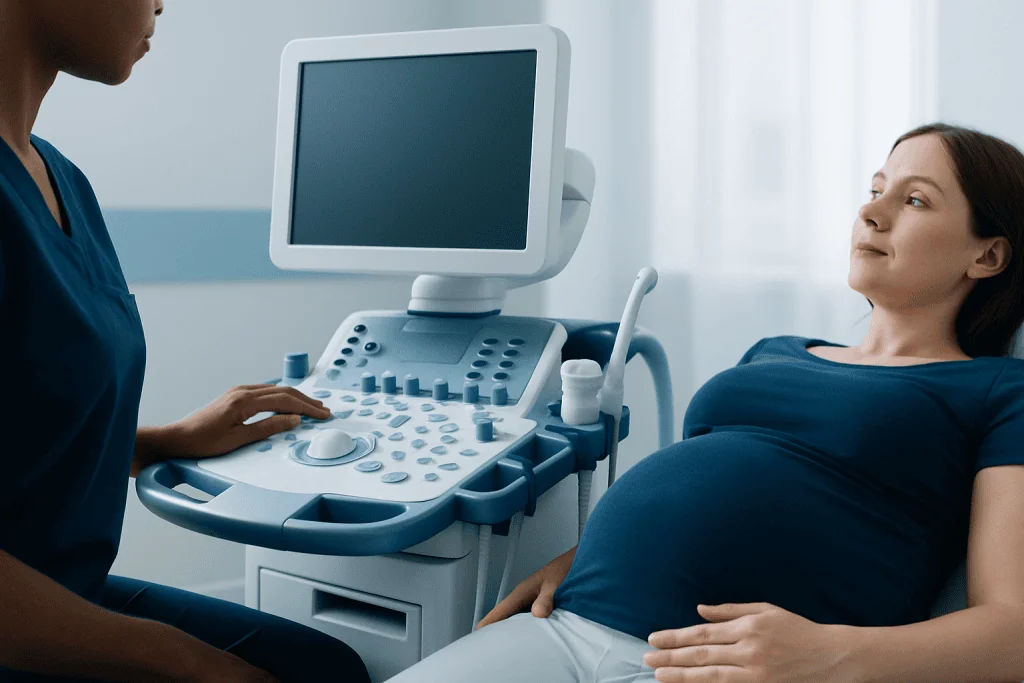
At 26 weeks pregnant, common symptoms often relate to the baby’s size and the body’s changing hormones. The growing uterus can place pressure on the back, pelvis, bladder, and digestive system, while hormonal changes can affect sleep, mood, and circulation. Mild discomforts are common, but symptoms should still be discussed at prenatal visits.
Many people notice stronger fetal movement this week. Kicks, stretches, and rolls may become easier to recognize, though patterns can still vary. There may also be more Braxton Hicks contractions, which are usually mild, irregular tightenings of the uterus that come and go without becoming steady or more intense.
- Back pain or posture-related discomfort
- Heartburn, bloating, or constipation
- Leg cramps, especially at night
- Swelling in the feet or ankles
- Shortness of breath with exertion
- More frequent urination
- Difficulty sleeping
- Mild pelvic pressure
Some symptoms can overlap with medical conditions that deserve attention. For example, significant swelling, severe headaches, or visual changes should be reported because they may need evaluation for blood pressure-related complications. If a clinician is concerned about preterm labor, infections, or other pregnancy conditions, further testing may be recommended.
Baby Development at 26 Weeks

By 26 weeks, the baby is continuing a period of rapid growth and organ development. A helpful size comparison is a scallion, although exact length and weight vary. The baby’s movements often feel stronger because muscles are developing and there is still enough room in the uterus for active stretching and turning.
The lungs are maturing, although they are not yet ready for life outside the uterus without significant support. The brain and nervous system are also advancing quickly, with ongoing development in sensory pathways and sleep-wake patterns. The baby may respond to sound, and some pregnant people begin to notice movement after hearing voices or music.
The eyes continue to develop, and the skin is gradually changing as more fat is stored beneath it. These changes help prepare the baby for birth and early newborn life. Prenatal visits around this time help track healthy growth and can identify concerns early if there are questions about fetal size, movement, or the pregnancy’s overall progress.
Body Changes at 26 Weeks
The body often feels different week by week now because the uterus is expanding above the pelvis and affecting nearby organs. The center of gravity shifts forward, which can strain the lower back and make standing for long periods less comfortable. Abdominal muscles and ligaments stretch, sometimes causing brief pulling sensations known as round ligament pain.
Digestive changes are also common. Pregnancy hormones relax smooth muscle, which can slow digestion and contribute to constipation, bloating, and reflux. Pressure from the uterus on the stomach can make heartburn more noticeable, especially after large meals or when lying down soon after eating.
Circulation changes may cause mild swelling in the feet and ankles, especially later in the day or in warm weather. Increased blood volume can also contribute to feeling warmer, more tired, or occasionally lightheaded. If symptoms suggest a more specific issue such as gestational diabetes or a blood pressure disorder, clinicians may recommend closer monitoring and additional tests.
Checklist: What to Do This Week
A practical week-26 checklist can help make pregnancy feel more manageable. This is a good time to review upcoming appointments, discuss screening tests, and pay attention to hydration, rest, and nutrition. Small, steady habits often improve comfort more than major changes.
- Attend all scheduled prenatal visits and ask about any new symptoms
- Track the baby’s usual movement patterns without becoming overly anxious about exact counts unless advised
- Choose balanced meals with iron, protein, calcium, fiber, and fluids
- Use pillows or side-lying positions to support sleep and reduce back strain
- Continue gentle exercise such as walking or prenatal stretching if approved by a doctor
- Prepare questions about birth planning, work adjustments, or travel safety
If a clinician recommends it, this may also be the period for testing related to blood sugar, anemia, or Rh status. Some people benefit from additional support such as prenatal physiotherapy, nutritional guidance, or evaluation in a dedicated high-risk pregnancy care program when there are medical concerns or multiple risk factors.
For people with ongoing pelvic discomfort, back pain, or fluid leakage concerns, timely evaluation matters. Depending on symptoms, the care team may use examinations, fetal monitoring, or obstetric ultrasound to check the baby’s wellbeing and the pregnancy environment.
Comfort Measures and Self-Care
Everyday self-care at 26 weeks pregnant focuses on reducing strain and supporting healthy routines. Resting on the side, using a pillow between the knees, wearing supportive footwear, and avoiding long periods of standing can ease back and pelvic discomfort. Many people also find that eating smaller, more frequent meals helps with heartburn and bloating.
Hydration and fiber are especially important if constipation is becoming troublesome. Fruits, vegetables, whole grains, and regular movement can support bowel function. If symptoms are persistent, a doctor or midwife can advise on pregnancy-safe options rather than relying on over-the-counter remedies without guidance.
Emotional wellbeing matters too. Hormonal changes, physical discomfort, and the practical demands of pregnancy can affect mood and sleep. Gentle exercise, regular routines, support from family or friends, and open discussions at prenatal visits can be helpful. If worries feel overwhelming, professional support should be sought.
When more advanced assessment or maternity care is needed, Acibadem International’s multidisciplinary specialists in JCI-accredited hospitals diagnose and treat pregnancy-related conditions for international patients, including evaluation through services such as prenatal care and delivery.
When to Seek Medical Care
Most symptoms at 26 weeks pregnant are uncomfortable rather than dangerous, but some need prompt medical attention. A pregnant person should contact a doctor, midwife, or maternity unit if something feels significantly different from usual, especially if symptoms are strong, persistent, or worsening.
- Vaginal bleeding
- Fluid leaking from the vagina
- Regular contractions, cramping, or back pain that may suggest preterm labor
- Markedly reduced or absent fetal movement after movement has become established
- Severe headache, vision changes, or sudden swelling
- Fever, painful urination, or signs of infection
- Severe abdominal pain or persistent vomiting
These symptoms do not always mean there is a serious problem, but they should not be ignored. Clinicians may evaluate for concerns such as preterm labor or preeclampsia, among other causes. Early assessment can guide the safest next steps for both parent and baby.
Frequently asked questions
How many months is 26 weeks pregnant?
Twenty-six weeks pregnant is generally considered part of the sixth month of pregnancy, although month-by-month comparisons can vary slightly. Clinicians usually track pregnancy by weeks because this is more precise.
What symptoms are common at 26 weeks pregnant?
Common symptoms include stronger baby movements, back pain, heartburn, bloating, constipation, leg cramps, swelling in the feet or ankles, and trouble sleeping. Mild shortness of breath with activity can also happen as the uterus expands.
How big is the baby at 26 weeks?
At 26 weeks, the baby is often compared in length to a scallion. Exact size varies, but the baby is continuing steady growth while the lungs, brain, and senses mature.
Is it normal to feel pelvic pressure at 26 weeks pregnant?
Mild pelvic pressure can be normal because the uterus is larger and the body’s ligaments are stretching. However, pressure that is severe, rhythmic, or paired with cramping, bleeding, or fluid leakage should be assessed promptly.
Should fetal movement be regular at 26 weeks?
Many people notice more distinct movement patterns by 26 weeks, but the pattern may not yet be perfectly predictable. If movement becomes much less than usual or stops, a maternity clinician should be contacted right away.
What can help with heartburn at 26 weeks pregnant?
Smaller meals, avoiding trigger foods, staying upright after eating, and not eating close to bedtime may help reduce heartburn. If symptoms are frequent or severe, a doctor can recommend pregnancy-safe treatment options.
References
- World Health Organization
- American College of Obstetricians and Gynecologists
- National Institute for Health and Care Excellence
- Centers for Disease Control and Prevention
- March of Dimes
This article is for general information only and is not a substitute for professional medical advice. Please consult a qualified doctor about your individual situation.
Persistent digestive symptoms? Get evaluated in Turkey
JCI-accredited · board-certified surgeons · reply within 24h
Add us as a Preferred Source to see more of our trusted health content across Google Search, AI Overviews and Discover.
Check your numbers in seconds
BMI, calories, due date, blood pressure and 30+ more clinical calculators — free, instant, doctor-reviewed ranges.