27 Weeks Pregnant: Symptoms, Baby Development, and What to Expect

At 27 weeks pregnant, the baby is growing quickly and movements may feel stronger and more regular. Common symptoms this week include back pain, leg cramps, heartburn, swelling, and trouble sleeping.
Key Takeaways
- At 27 weeks pregnant, the baby is growing quickly and movements may feel stronger and more regular.
- Common symptoms this week include back pain, leg cramps, heartburn, swelling, and trouble sleeping.
- Routine prenatal visits help monitor blood pressure, baby growth, and signs of complications.
- Balanced nutrition, hydration, light activity, and rest can help manage common discomforts.
- Urgent symptoms such as bleeding, severe headache, fluid leakage, or decreased movement need prompt medical advice.
At 27 weeks pregnant, many people notice stronger fetal movements, more visible body changes, and the approach of the third trimester. This week often brings normal discomforts such as back pain, heartburn, and sleep changes, while the baby continues steady growth and organ development.
Overview: What 27 Weeks Pregnant Usually Feels Like
At 27 weeks pregnant, the pregnancy is nearing the start of the third trimester. For many, this week brings a mix of excitement and increased physical awareness, as the baby becomes larger and movements may feel stronger, more frequent, and easier to recognize throughout the day.
Many symptoms at this stage are related to the growing uterus and changing hormone levels. It is common to notice fatigue, mild swelling, back discomfort, heartburn, and interrupted sleep. These changes are often expected, but regular prenatal care remains important to track both maternal health and the baby’s development.
This point in pregnancy is also a good time to review day-to-day habits, prepare for later prenatal visits, and discuss any concerns about symptoms, work, travel, exercise, or birth planning with a qualified obstetric care team. If a pregnancy has risk factors such as high blood pressure or diabetes, closer monitoring may be recommended.
Symptoms This Week
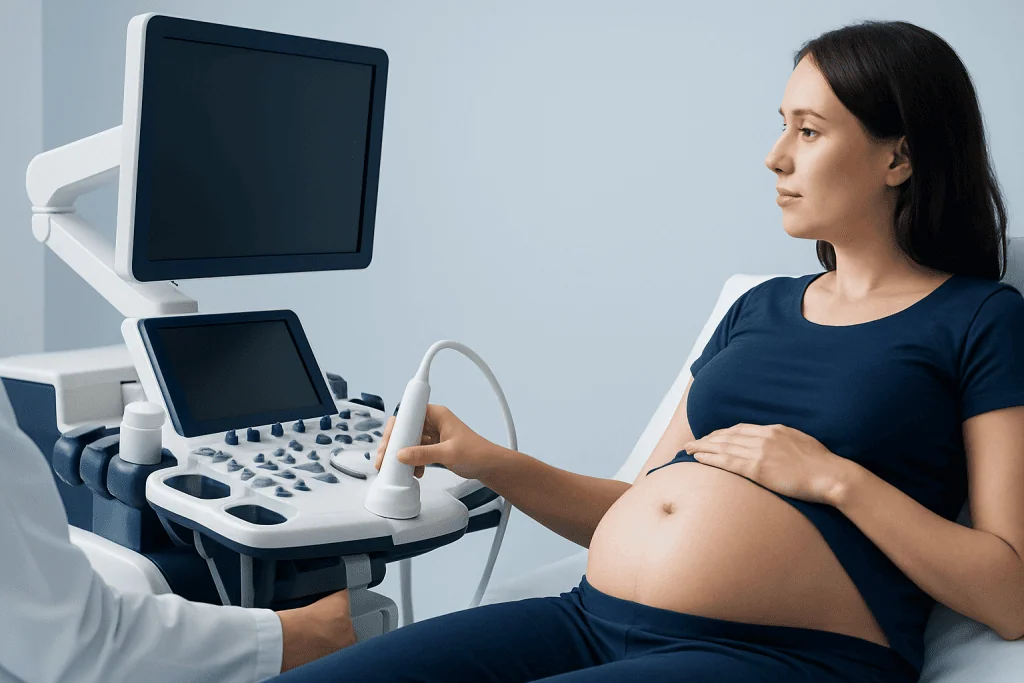
At 27 weeks pregnant, symptoms can vary widely from person to person. Some feel relatively comfortable, while others notice more physical strain as the abdomen grows. Common symptoms this week include lower back pain, pelvic pressure, heartburn, constipation, gas, leg cramps, mild ankle swelling, and shortness of breath with exertion.
Sleep can become more difficult because of a changing sleep position, frequent urination, active fetal movement, or general discomfort. Braxton Hicks contractions may also begin or become more noticeable. These are usually irregular, mild tightening sensations that come and go and do not steadily increase in intensity.
Breast changes may continue, and some people notice small amounts of leaking colostrum, the first form of breast milk. Skin changes such as itching over the stretching abdomen, a darker line on the belly, or increased pigmentation can also occur. Emotional changes are common too, including excitement, worry, or mood shifts as the pregnancy progresses.
- Backache and posture-related discomfort
- Heartburn or indigestion after meals
- Leg cramps, especially at night
- Mild swelling of feet or ankles
- Trouble sleeping or vivid dreams
- More noticeable fetal movement
Baby Development at 27 Weeks

By 27 weeks pregnant, the baby is continuing a period of rapid growth and maturation. A common size comparison is roughly a cauliflower, although exact size and weight vary. The baby’s body is becoming more proportionate, and fat stores are gradually increasing under the skin, helping the body look less thin than in earlier weeks.
The lungs are still developing, but important progress is being made in the structures needed for breathing after birth. The brain and nervous system are also maturing quickly. The baby may now have more regular sleep and wake cycles, and parents often begin to notice patterns in movement at certain times of day.
Hearing is well developed, so the baby may respond to familiar voices or sounds. Kicks, rolls, and stretches can feel stronger as space becomes more limited. During prenatal care, a doctor may review the baby’s growth, heartbeat, and overall well-being, and may recommend additional evaluation if there are concerns about growth or movement.
Body Changes at 27 Weeks
The body continues adapting to support the pregnancy at 27 weeks. The uterus expands upward and outward, shifting posture and placing more demand on the back, abdominal muscles, and pelvic floor. This can lead to aches in the lower back, hips, ribs, or pelvis, especially after standing for long periods or at the end of the day.
Blood volume is increased during pregnancy, and circulation changes can contribute to swelling, feelings of warmth, dizziness with sudden position changes, or visible veins in the legs. Hormones also relax smooth muscle, which can slow digestion and contribute to bloating, constipation, and reflux symptoms. If symptoms become severe or disruptive, a doctor can suggest safe ways to manage them.
Weight gain continues during this stage, but the exact amount differs based on pre-pregnancy health, nutrition, and the course of the pregnancy. Prenatal visits may include tracking weight, blood pressure, urine testing, and discussion of symptoms. Some people are screened around this time for gestational diabetes or monitored more closely for signs of preeclampsia if symptoms or risk factors are present.
Checklist: What to Do This Week
A practical weekly checklist can help make 27 weeks pregnant feel more manageable. This is a good time to stay consistent with prenatal appointments, review any test results, and ask about vaccines, travel plans, work accommodations, or exercise. If fetal movement patterns are becoming familiar, it may help to pay attention to the baby’s usual active times.
Daily habits can also support comfort and well-being. Eating smaller, balanced meals may help with heartburn and energy levels. Adequate water intake, regular gentle movement, and enough fiber can support digestion and reduce constipation. Sleep may improve with a pillow between the knees or under the abdomen when lying on the side.
Depending on the pregnancy plan, this week may also be a good time to begin preparing for the next phase. Some may start researching childbirth classes, infant feeding, and newborn care. Others may discuss symptoms such as ongoing pelvic pain, swelling, or glucose concerns with their clinician, especially if there is a history of gestational diabetes. In some cases, specialist input such as obstetric and gynecologic care or perinatology care may be helpful for higher-risk pregnancies.
- Attend scheduled prenatal appointments
- Ask about test results and upcoming screenings
- Stay hydrated and eat regular, balanced meals
- Use gentle exercise and stretching if approved by a doctor
- Rest with side-lying sleep support if uncomfortable
- Notice the baby’s usual movement pattern
Looking Ahead to the Third Trimester
At 27 weeks pregnant, many people begin thinking ahead to the third trimester. In the coming weeks, the baby will continue gaining weight, and symptoms linked to body mechanics and sleep may become more noticeable. Planning early can reduce stress and make it easier to adjust to changing energy levels and comfort needs.
This is often a helpful time to review maternity leave planning, hospital preferences, transportation, and support at home after birth. Some may want to discuss pain management preferences for labor, feeding plans, or whether any health conditions could affect delivery. If there are concerns about the baby’s growth, maternal blood pressure, or early contractions, a doctor may recommend closer observation or additional imaging such as ultrasound evaluation.
For international patients who need pregnancy-related assessment or specialist care, Acibadem International’s multidisciplinary teams and JCI-accredited hospitals provide diagnosis and treatment across a range of maternal-fetal health needs. The right plan depends on the individual pregnancy, symptoms, and medical history.
When to Seek Medical Care
Most symptoms at 27 weeks pregnant are not dangerous, but some need prompt medical advice. A pregnant person should contact a doctor urgently if there is vaginal bleeding, fluid leakage, regular painful contractions, or a clear decrease in the baby’s usual movement. Severe abdominal pain, fainting, chest pain, or shortness of breath at rest also require prompt assessment.
It is also important to seek care for a severe headache, vision changes, sudden swelling of the face or hands, or persistent upper abdominal pain, as these can be warning signs of serious complications such as high blood pressure disorders in pregnancy. Fever, burning with urination, or significant vomiting should also be discussed with a clinician.
When symptoms are uncertain, it is safer to ask. A prenatal care team can help distinguish common pregnancy discomforts from signs that need immediate attention. Timely communication is especially important in pregnancies affected by diabetes, high blood pressure, twins, or a previous history of preterm birth.
Frequently asked questions
Is 27 weeks pregnant considered the third trimester?
Twenty-seven weeks is generally considered the end of the second trimester or the transition point into the third trimester, depending on the calendar used. In practical terms, it is a stage when third-trimester changes are beginning and prenatal monitoring remains important.
How big is the baby at 27 weeks pregnant?
A baby at 27 weeks is often compared in size to a cauliflower. Exact measurements vary, but growth is steady, and the baby is continuing to gain weight while the lungs, brain, and body fat develop further.
What symptoms are normal at 27 weeks pregnant?
Common symptoms include back pain, heartburn, mild swelling, constipation, leg cramps, fatigue, and trouble sleeping. Stronger fetal movement is also typical. Even normal symptoms should be discussed with a doctor if they become severe or suddenly change.
Should fetal movement be regular at 27 weeks?
Many people begin noticing more recognizable movement patterns around this time, although exact timing and frequency can differ. If the baby seems much less active than usual, it is important to contact a healthcare professional promptly.
What can help with sleep at 27 weeks pregnant?
Side sleeping, usually on the left or either side if comfortable, is often recommended in later pregnancy. Supportive pillows, a regular bedtime routine, limiting heavy meals before sleep, and staying active during the day may improve comfort.
When should someone call a doctor at 27 weeks pregnant?
A doctor should be contacted right away for bleeding, leaking fluid, painful regular contractions, severe headache, vision changes, fever, or reduced baby movement. It is also wise to seek advice for symptoms that feel sudden, intense, or different from usual pregnancy discomforts.
References
- American College of Obstetricians and Gynecologists
- National Health Service
- Mayo Clinic
- Centers for Disease Control and Prevention
- World Health Organization
This article is for general information only and is not a substitute for professional medical advice. Please consult a qualified doctor about your individual situation.
Persistent digestive symptoms? Get evaluated in Turkey
JCI-accredited · board-certified surgeons · reply within 24h
Add us as a Preferred Source to see more of our trusted health content across Google Search, AI Overviews and Discover.
Check your numbers in seconds
BMI, calories, due date, blood pressure and 30+ more clinical calculators — free, instant, doctor-reviewed ranges.