2nd Degree Burn — Explained by Medical Evidence, Not Myths
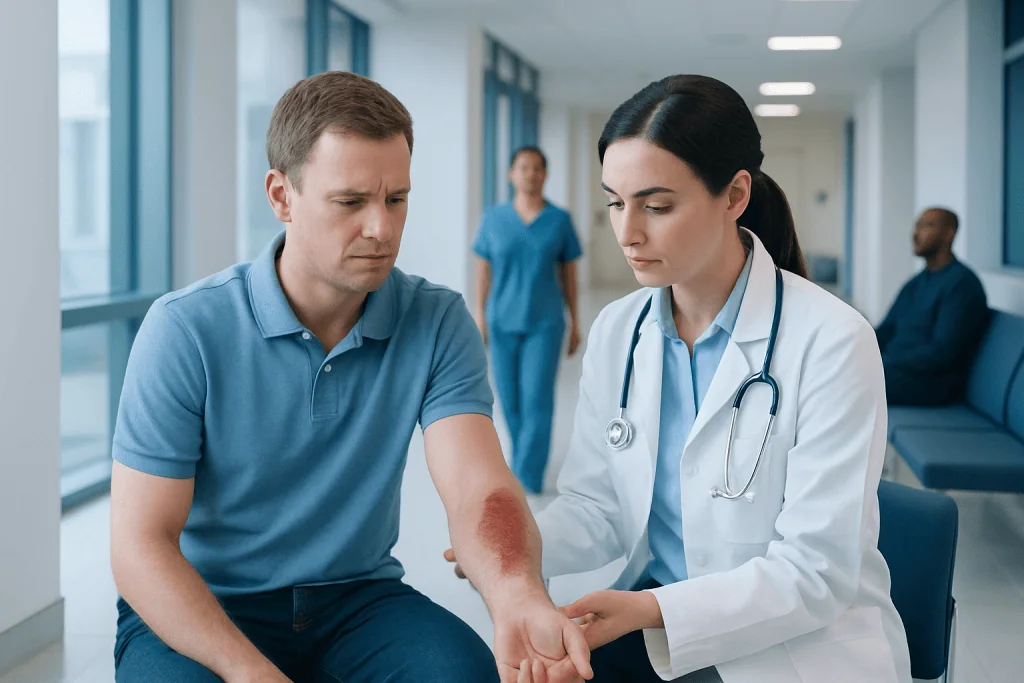
A 2nd degree burn affects both the epidermis and part of the dermis. Typical signs include redness, blistering, swelling, moisture, and significant pain.
Key Takeaways
- A 2nd degree burn affects both the epidermis and part of the dermis.
- Typical signs include redness, blistering, swelling, moisture, and significant pain.
- Immediate first aid includes cooling the burn with running water and protecting it with a clean, non-stick covering.
- Large burns, facial burns, hand or genital burns, electrical or chemical burns, and burns in children may need urgent medical care.
- Proper wound care helps lower the risk of infection, scarring, and delayed healing.
A 2nd degree burn is a partial-thickness burn that affects the top layer of skin and part of the layer beneath it. It commonly causes pain, redness, swelling, and blisters, and treatment depends on the burn’s size, depth, location, and cause.
What a 2nd Degree Burn Means
A 2nd degree burn, also called a second-degree burn or partial-thickness burn, is an injury that damages the outer layer of skin and part of the deeper layer underneath. In practical terms, this means the burn is more serious than a mild superficial burn, but it does not always destroy the full thickness of the skin. These burns often look red, wet, and blistered, and they are usually quite painful because nerve endings are still exposed and irritated.
Medical evidence describes burns by depth rather than by myths such as how painful they “should” be or whether a blister must always be popped. A 2nd degree burn can happen from heat, hot liquids, steam, chemicals, friction, or brief contact with flames. Some are small and heal well with careful home care, while others need professional treatment to protect the skin, prevent infection, and support healing.
The burn’s seriousness is not judged by appearance alone. Doctors also consider the body area involved, how much skin is affected, the age and health of the person, and whether the cause was thermal, chemical, or electrical. A small splash burn on the forearm is very different from a similar-depth burn on the face, hand, foot, or genitals.
Common Symptoms and How It Looks
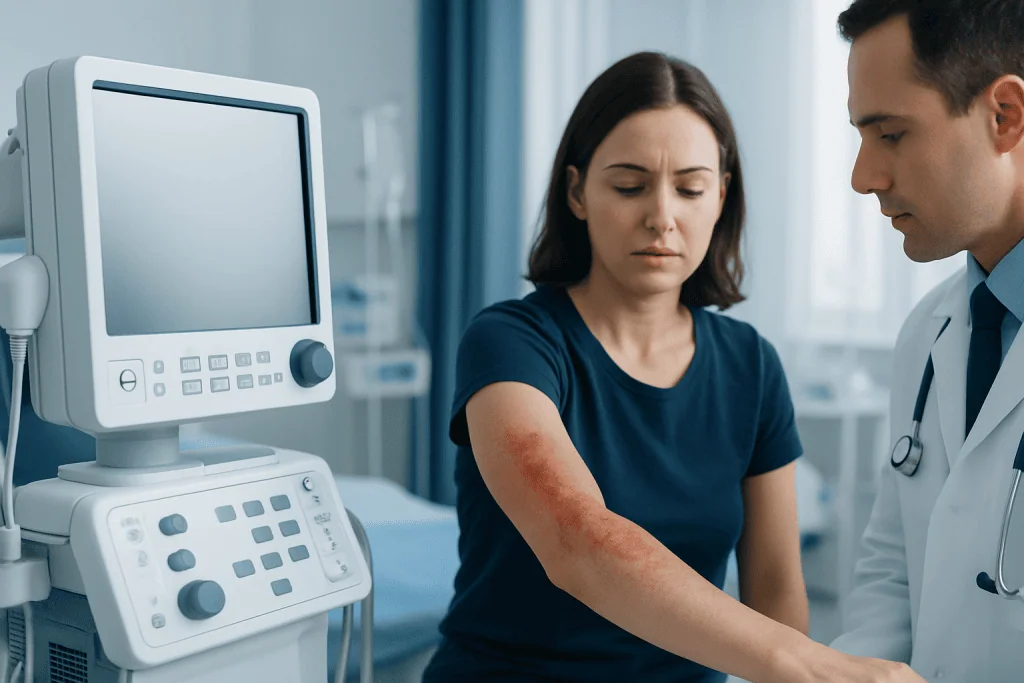
The most typical symptoms of a 2nd degree burn are immediate pain, redness, swelling, and blisters. The skin may appear bright red, pink, or mottled, and the surface often looks moist or shiny rather than dry. Because the deeper skin layer is partly injured, the burn is usually very tender to touch and may sting or throb.
Blisters are a common feature, but they can vary in size. Some remain intact, while others break open and leave a raw, sensitive surface. This does not automatically mean the burn is getting worse, but open skin does increase the risk of infection and should be kept clean and protected.
Symptoms that may suggest a more serious problem include increasing redness around the wound, pus, a bad smell, fever, worsening pain after the first day or two, or skin that starts to look pale, leathery, or numb. In some cases, what first appears to be a 2nd degree burn may actually be deeper and need specialist evaluation, including assessment for related burn injuries.
Causes, Risk Factors, and Common Myths
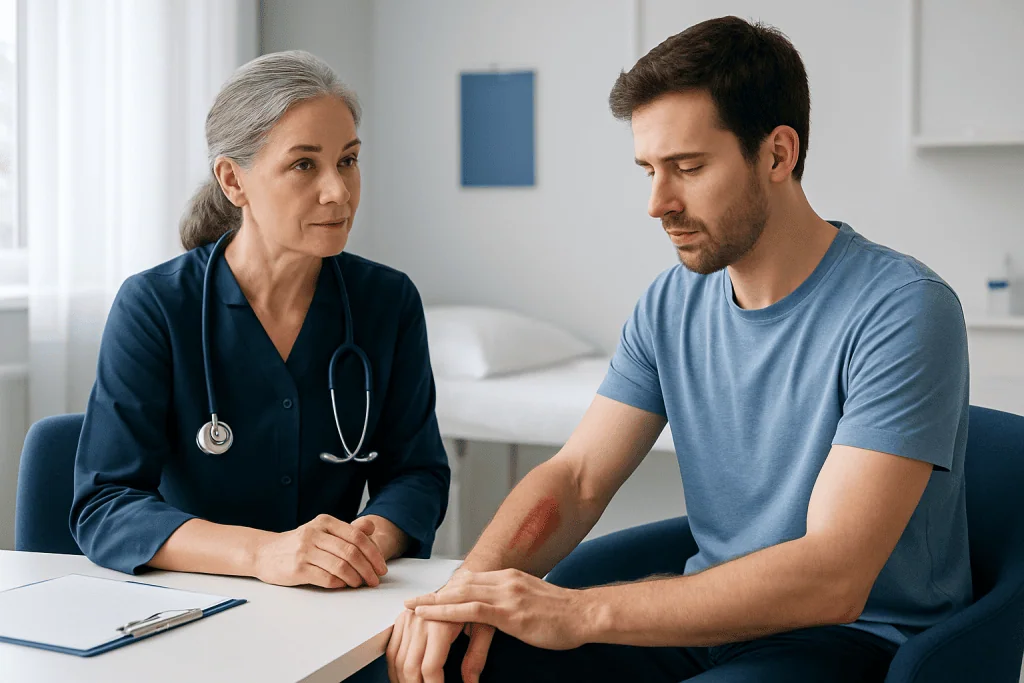
Second-degree burns have many causes. Common examples include scalds from hot water, tea, coffee, or cooking oil; contact with hot metal, glass, or stovetops; sun exposure severe enough to blister; steam; and friction from road accidents or exercise equipment. Chemical agents and electricity can also cause burns that may look limited on the surface but be deeper than expected.
Risk factors depend on age, environment, and health status. Young children and older adults are at higher risk because their skin is more delicate and they may react more slowly to danger. People who work in kitchens, factories, or outdoor hot environments may also face greater exposure. Certain health conditions, including diabetes or poor circulation, can slow healing and raise the risk of complications.
Several myths can interfere with good care. Ice should not be placed directly on a burn because it can further damage tissue. Butter, toothpaste, oils, powders, and home remedies are also not recommended, as they may trap heat, irritate the skin, or introduce bacteria. Another common myth is that every blister should be drained at home. In reality, blister management depends on size, location, and infection risk, and many should be left alone or assessed by a clinician.
Evidence-Based First Aid at Home
The first step after a 2nd degree burn is to stop the burning process. Move away from the heat source, remove hot or soaked clothing if it is not stuck to the skin, and take off rings, watches, or tight items before swelling increases. Then cool the burn under gently running, cool water for about 20 minutes if possible. Cool water helps limit ongoing heat injury, but very cold water or ice should be avoided.
After cooling, cover the area loosely with a clean, non-fluffy cloth or a sterile, non-stick dressing. Keeping the wound protected helps reduce pain and lowers the chance of contamination. If the person is alert and able to drink, hydration may be helpful, especially after larger burns. Over-the-counter pain relief may also be used according to general label instructions and personal medical advice.
At home, it is best not to break blisters, scrub the wound, or apply creams unless advised by a healthcare professional. If a blister opens on its own, the area should be kept clean and lightly covered. Burns on the face, hands, feet, joints, genitals, or over large areas deserve more caution because these regions are more vulnerable to functional and cosmetic problems.
- Use cool running water, not ice.
- Remove jewelry early if possible.
- Cover with a clean, non-stick dressing.
- Avoid butter, toothpaste, oils, and adhesive bandages on raw skin.
- Seek medical advice if there is any doubt about depth, cause, or size.
How Doctors Diagnose and Assess a Burn
Diagnosis is usually based on a physical examination. A doctor assesses the color, moisture, blistering, capillary refill, pain level, and the burn’s location and size. These details help estimate burn depth and guide treatment. In some situations, the injury may be monitored over time because burn depth can evolve during the first days after the event.
Doctors also ask how the burn happened. This matters because chemical and electrical burns often need different management than a simple thermal burn. They may examine for signs of inhalation injury, dehydration, or other trauma if the burn occurred in a fire, accident, or workplace incident. Children, older adults, and people with chronic illness may need closer evaluation even for burns that seem limited.
If needed, the medical team may clean the wound, assess tetanus immunization status, and look for signs of infection or deeper tissue damage. More complex cases may be referred to specialists in burn treatment or to teams experienced in advanced wound care and wound care.
Treatment Options and Healing
Treatment for a 2nd degree burn depends on the depth and extent of the injury. Small superficial partial-thickness burns may heal with regular dressing changes, pain control, and careful monitoring. The main goals are to keep the wound clean, maintain a moist healing environment with appropriate dressings, reduce pain, and prevent infection.
Some burns need more active medical management. A clinician may remove dead tissue when appropriate, drain selected blisters in a sterile setting, or use specialized dressings designed to support healing. If the burn is deeper, very large, or slow to heal, surgical options such as skin graft procedures may be considered to restore skin coverage and reduce long-term complications.
Healing time varies. More superficial 2nd degree burns may improve within a few weeks, while deeper partial-thickness burns can take longer and carry a higher risk of scarring or color change. Once the skin closes, sun protection and scar care become important. If there is functional tightness, pain with movement, or a burn over a joint, rehabilitation measures or physical therapy and rehabilitation may help maintain mobility.
Prevention, Self-Care, and Recovery
Prevention focuses on reducing everyday heat and scald risks. At home, turning pot handles inward, keeping hot drinks away from children, checking bath water temperature, and using oven gloves can make a major difference. In workplaces, protective clothing, training, and safe handling of chemicals and hot equipment are especially important.
During recovery, dressings should be changed as advised, and the area should be watched for signs of infection or delayed healing. Patients should avoid picking at peeling skin or blisters, as this can reopen the wound. Good nutrition, adequate fluid intake, and not smoking can support normal healing. Once the wound has closed, fragrance-free moisturizers and daily sun protection may help reduce dryness and discoloration.
Some people worry that all scars can be prevented, but recovery is individual. The risk of scarring is higher with deeper burns, infection, delayed healing, and burns over high-tension areas. If the skin remains raised, tight, itchy, or darker or lighter than surrounding skin, follow-up with a qualified doctor is sensible. Near the end of recovery, some international patients may choose evaluation at centers such as Acibadem International, where multidisciplinary specialists in JCI-accredited hospitals diagnose and treat burn-related conditions.
When to Seek Medical Care
Medical care is recommended if a 2nd degree burn is larger than the palm of the injured person’s hand, involves the face, hands, feet, genitals, buttocks, or a major joint, or was caused by chemicals, electricity, or fire in an enclosed space. Burns in infants, young children, older adults, and people with diabetes or weakened immunity also deserve prompt assessment.
A doctor should also evaluate burns that appear white, charred, very deep, or unexpectedly less painful, since these features can point to a deeper injury. Care is important if pain is difficult to control, blisters are extensive, or the wound is not improving. Signs of possible infection include increasing redness around the burn, pus, fever, a foul odor, or worsening swelling.
Urgent help is needed if there is trouble breathing, burns inside the mouth or nose, confusion, fainting, or evidence of major trauma. When there is uncertainty, it is safer to seek professional advice than to rely on myths or internet images alone. Early assessment can reduce complications and improve comfort and healing.
Frequently asked questions
How do you know if a burn is 2nd degree?
A 2nd degree burn usually causes redness, swelling, significant pain, and blisters. The skin often looks moist or shiny rather than dry. A doctor can confirm the depth, especially if the burn is large, on a sensitive area, or changes over time.
Should blisters from a 2nd degree burn be popped?
In general, blisters should not be popped at home. Intact blisters can help protect the skin underneath from infection and further injury. If a blister is large, tense, or in a difficult location, a clinician can decide whether it should be managed in a sterile setting.
What is the best first aid for a 2nd degree burn?
The best first aid is to cool the burn under gently running cool water for about 20 minutes, remove tight items before swelling starts, and cover it with a clean, non-stick dressing. Ice, butter, toothpaste, and similar home remedies should be avoided. If the burn is large or in a high-risk area, medical care should be sought promptly.
How long does a 2nd degree burn take to heal?
Healing time depends on how deep the burn is and whether complications occur. More superficial partial-thickness burns may heal within a few weeks, while deeper burns can take longer. Infection, friction, poor circulation, and smoking may slow recovery.
Can a 2nd degree burn leave a scar?
Yes, some 2nd degree burns can leave scars or changes in skin color, especially if they are deeper, become infected, or take longer to heal. Proper wound care and follow-up can help reduce this risk. Sun protection after healing is also important because new skin is more sensitive.
When should someone go to the hospital for a 2nd degree burn?
Hospital or urgent medical evaluation is important for burns that are large, very painful, caused by electricity or chemicals, or located on the face, hands, feet, genitals, buttocks, or major joints. Breathing symptoms, facial burns from fire, or signs of infection also need prompt attention. If there is any doubt about burn depth or safety, medical assessment is the safer choice.
References
- World Health Organization
- American Burn Association
- National Institute of General Medical Sciences
- MedlinePlus
- Mayo Clinic
This article is for general information only and is not a substitute for professional medical advice. Please consult a qualified doctor about your individual situation.
Explore treatments in Turkey — costs, top hospitals & a free quote
JCI-accredited · board-certified surgeons · reply within 24h
Add us as a Preferred Source to see more of our trusted health content across Google Search, AI Overviews and Discover.