36 Weeks Pregnant: Symptoms, Baby Development, and What to Expect

At 36 weeks pregnant, many symptoms are related to the baby's size and position, including pelvic pressure, back pain, and frequent urination. The baby is still developing fat stores, lung readiness, and coordination, and is often about the size of a head of romaine lettuce.
Key Takeaways
- At 36 weeks pregnant, many symptoms are related to the baby's size and position, including pelvic pressure, back pain, and frequent urination.
- The baby is still developing fat stores, lung readiness, and coordination, and is often about the size of a head of romaine lettuce.
- Weekly prenatal care becomes especially important as labor approaches and care teams monitor both parent and baby closely.
- A practical checklist can help with birth planning, hospital preparation, rest, and recognizing signs of labor.
- Certain symptoms, such as vaginal bleeding, leaking fluid, severe headache, or reduced fetal movement, need prompt medical attention.
At 36 weeks pregnant, the baby is continuing to gain weight, practice breathing movements, and move toward birth readiness, while the pregnant body often feels heavier and more uncomfortable. This stage usually includes pelvic pressure, stronger practice contractions, and more frequent checkups as the due date gets closer.
Overview: What 36 Weeks Pregnant Usually Feels Like
At 36 weeks pregnant, the final weeks of pregnancy are clearly approaching. The baby is considered late preterm at this point and continues important growth and maturation, while the pregnant person may notice stronger body awareness, more pressure in the pelvis, and more frequent changes that suggest the body is preparing for labor.
This week often feels like a transition period rather than a sudden change. Some people feel the baby has dropped lower into the pelvis, which can make breathing slightly easier but walking, sleeping, and changing position more uncomfortable. Others may not notice a dramatic shift and still feel the baby high in the abdomen.
Although many symptoms at 36 weeks are normal, ongoing prenatal follow-up remains essential. Regular checks help monitor blood pressure, the baby’s position, fetal well-being, and any signs of labor or pregnancy complications. If pregnancy concerns involve blood pressure, bleeding, or unusual symptoms, a doctor may also assess for conditions such as preeclampsia.
Symptoms This Week

Common 36 weeks pregnant symptoms are usually linked to the baby’s growing size, lower position, and hormonal changes. Pelvic pressure is especially common, and many people describe a heavier feeling in the lower abdomen or discomfort when standing, walking, or turning in bed. Back pain, mild swelling in the feet and ankles, and increased fatigue may also continue.
Braxton Hicks contractions often become more noticeable this week. These are practice contractions that may tighten the uterus for short periods, often irregularly. They can be uncomfortable, but they do not usually become steadily stronger or closer together the way true labor contractions do. Frequent urination can also continue because the baby’s head may press more on the bladder.
Other symptoms may include heartburn, constipation, trouble sleeping, shortness of breath with exertion, and more vaginal discharge. Some people notice a thicker or mucus-like discharge as the cervix begins to change. However, any gush or steady trickle of fluid should be checked promptly because it may mean the membranes have ruptured.
- Pelvic pressure or a feeling that the baby has dropped
- More frequent Braxton Hicks contractions
- Backache or hip discomfort
- Frequent urination
- Fatigue and disrupted sleep
- Swelling in the feet or ankles
Baby Development at 36 Weeks
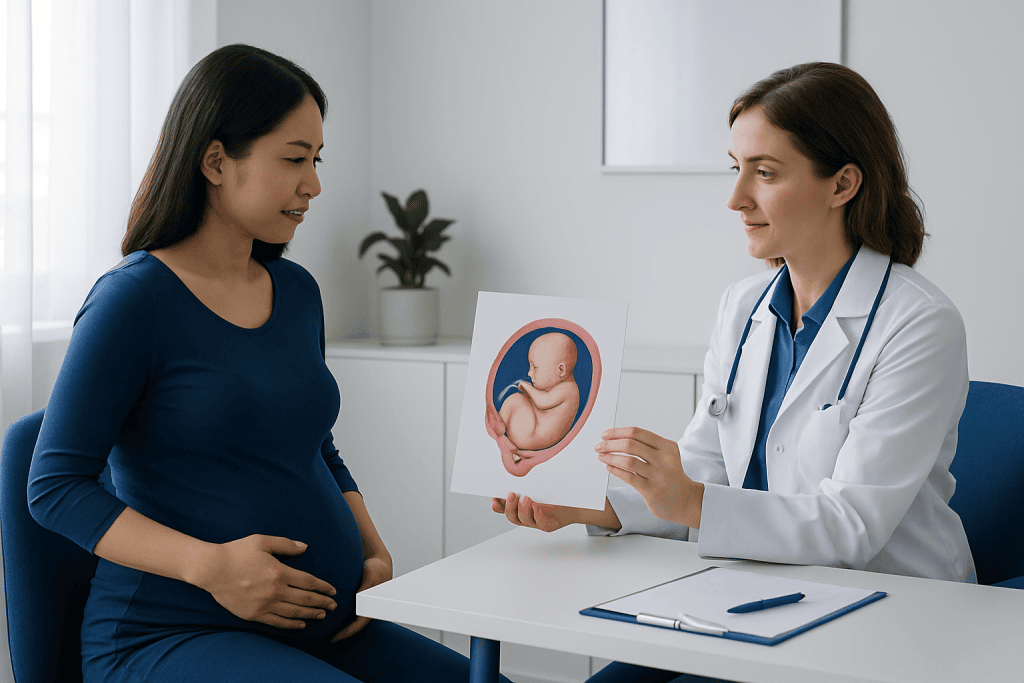
By 36 weeks pregnant, the baby is still making important finishing touches before birth. Weight gain continues, and the body is building fat stores that help with temperature regulation after delivery. The skin often looks smoother than earlier in pregnancy, and many babies have less of the fine body hair known as lanugo.
The lungs are more developed now, and the baby continues to practice breathing movements. The nervous system also continues maturing, supporting feeding, temperature control, and early reflexes after birth. Many babies are now head-down, though position can still vary and your doctor or midwife may check this during a prenatal visit.
For a size comparison, a baby at 36 weeks is often described as being about the size of a head of romaine lettuce. Exact size varies, but this comparison helps illustrate that the baby is nearing full-term proportions while still benefiting from continued growth inside the uterus.
Movement should still be felt every day, even if the pattern feels different because there is less room to stretch and kick. Movements may feel more like rolls, pushes, and strong shifts than sharp kicks. A noticeable decrease in fetal movement should always be discussed with a healthcare professional.
Body Changes at 36 Weeks
The pregnant body is adapting continuously at 36 weeks. If the baby moves lower into the pelvis, there may be less pressure under the ribs and a little more space for the lungs, but this often comes with more pressure on the cervix, bladder, and pelvic floor. This can lead to waddling, heaviness, and a greater need to rest.
The cervix may also begin to soften, thin, or dilate, although this does not always mean labor will start right away. Some people lose part of the mucus plug during this period, which may appear as thick, sticky, or slightly blood-tinged discharge. This can be a normal sign that the cervix is changing, but heavier bleeding is not considered normal and needs medical review.
Swelling can remain mild and expected, especially later in the day, but sudden or significant swelling deserves attention, particularly if it comes with headache, visual changes, upper abdominal pain, or high blood pressure. Those symptoms can suggest a pregnancy-related complication and should not be ignored. In some cases, doctors may use ultrasound evaluation and other tests to assess maternal and fetal well-being.
Checklist: What to Do at 36 Weeks Pregnant
A simple checklist can make this week feel more manageable. At 36 weeks, practical preparation often matters more than trying to predict exactly when labor will begin. Many care teams increase monitoring during the final weeks, and appointments may include checking the baby’s position, discussing labor signs, and planning for delivery.
It can also help to review the birth plan with flexibility in mind. Preferences for pain relief, labor support, and newborn care are useful to discuss, but birth can take unexpected turns. Understanding common hospital procedures and when interventions might be recommended can make decision-making feel calmer if labor starts soon.
- Attend all prenatal visits and ask about labor signs
- Pack a hospital bag and keep important documents ready
- Practice timing contractions and tracking fetal movement
- Install the infant car seat if not already done
- Prepare easy meals and organize help for the first days after birth
- Rest, hydrate, and avoid overexertion
If there are specific concerns about the baby’s position, growth, or fluid levels, the care team may recommend additional monitoring. Depending on the situation, this could include fetal monitoring or follow-up imaging to guide safe next steps.
How Labor May Be Approaching
At 36 weeks pregnant, the body may begin showing signs that labor is getting closer, although it is still not always possible to know exactly when it will start. Braxton Hicks contractions may become more frequent, the baby may settle lower in the pelvis, and there may be more pressure or cramping in the lower back and lower abdomen.
True labor contractions generally become regular, stronger, and closer together over time. They do not usually stop with rest, water, or a change in position. Some people also notice the loss of the mucus plug or a small amount of pink or blood-tinged discharge known as bloody show. These signs can happen hours, days, or even longer before active labor begins.
Because 36 weeks is still before full term, any signs of possible labor should be reported to a healthcare professional. If contractions are regular, the waters break, or fetal movement seems reduced, prompt medical advice is important. When birth planning includes operative delivery or special monitoring, doctors may also discuss options such as cesarean section if medically indicated.
When to Seek Medical Care
Many discomforts at 36 weeks are expected, but some symptoms should be assessed promptly. Vaginal bleeding, a sudden gush or steady leaking of fluid, regular painful contractions, or a clear reduction in fetal movement all need urgent contact with a maternity care team. It is safer to call and be reassured than to ignore a symptom that may need attention.
Warning signs also include severe headache, vision changes, chest pain, trouble breathing, fever, fainting, severe swelling, or pain in the upper abdomen. These symptoms can point to a condition that needs medical assessment, including blood pressure problems or infection. In some cases, evaluation may include examination, blood tests, and pregnancy follow-up and delivery care.
For international patients who need assessment or delivery planning, Acibadem International’s multidisciplinary specialists and JCI-accredited hospitals provide diagnosis and treatment support in pregnancy-related care. Any urgent symptom, however, should be addressed immediately through the nearest qualified medical service.
Frequently asked questions
Is 36 weeks pregnant considered full term?
No. At 36 weeks, pregnancy is generally considered late preterm. Full term begins at 39 weeks, although many babies born at 36 weeks do well with appropriate medical care.
What symptoms are common at 36 weeks pregnant?
Common symptoms include pelvic pressure, frequent urination, back pain, fatigue, sleep difficulty, Braxton Hicks contractions, and swelling in the feet or ankles. Heartburn and constipation may also continue. Symptoms vary from person to person.
How big is the baby at 36 weeks?
A baby at 36 weeks is often compared to a head of romaine lettuce. Exact size and weight differ, but the baby is usually nearing full newborn proportions while still gaining fat and maturing before birth.
Should the baby still move a lot at 36 weeks?
Yes. Daily fetal movement should still be felt, although the pattern may feel different because there is less room in the uterus. Movements may seem more like rolls and stretches than sharp kicks; any noticeable decrease should be reported promptly.
Are Braxton Hicks contractions normal at 36 weeks?
Yes, Braxton Hicks contractions are common at this stage. They are usually irregular and may ease with rest, hydration, or a change in position. If contractions become regular, stronger, or closer together, a doctor or midwife should be contacted.
What should be on a 36 weeks pregnant checklist?
Useful tasks include attending prenatal appointments, packing the hospital bag, reviewing labor signs, preparing the car seat, and arranging support for after birth. It is also a good time to rest more, stay hydrated, and keep emergency contact numbers easy to find.
References
- American College of Obstetricians and Gynecologists
- National Institute for Health and Care Excellence
- Mayo Clinic
- World Health Organization
This article is for general information only and is not a substitute for professional medical advice. Please consult a qualified doctor about your individual situation.
IVF & fertility treatment in Turkey — success rates and costs
JCI-accredited · board-certified surgeons · reply within 24h
Add us as a Preferred Source to see more of our trusted health content across Google Search, AI Overviews and Discover.
Check your numbers in seconds
BMI, calories, due date, blood pressure and 30+ more clinical calculators — free, instant, doctor-reviewed ranges.