Ablation — Explained by Medical Evidence, Not Myths

Ablation means destroying or removing problematic tissue using heat, cold, energy, or other targeted methods. The procedure is commonly used for heart rhythm disorders, some tumors, abnormal bleeding, chronic pain, and varicose veins.
Key Takeaways
- Ablation means destroying or removing problematic tissue using heat, cold, energy, or other targeted methods.
- The procedure is commonly used for heart rhythm disorders, some tumors, abnormal bleeding, chronic pain, and varicose veins.
- Different types of ablation vary in how they work, how they are performed, and what recovery involves.
- Whether ablation is suitable depends on the condition being treated, overall health, and the expected benefits and risks.
- Ablation is usually planned after imaging, tests, or specialist evaluation to target the treatment area accurately.
Ablation is a medical procedure that destroys or removes abnormal tissue to treat certain health conditions. It is not one single treatment, but a group of techniques used in areas such as heart rhythm disorders, cancer care, gynecology, pain management, and vein treatment.
What ablation means in medical care
Ablation is a medical procedure used to destroy, remove, or deactivate abnormal tissue in a precise area of the body. In simple terms, it is a targeted way to treat tissue that is causing symptoms or disease. Depending on the condition, doctors may use heat, cold, electrical energy, chemicals, or other techniques to achieve this effect.
The word “ablation” can sound vague because it does not describe one specific operation. Instead, it refers to a treatment approach used across several specialties. For example, a cardiologist may perform ablation to interrupt abnormal electrical signals in the heart, while an interventional radiologist may use ablation to treat a small tumor.
This broad meaning often leads to myths or confusion. Ablation is not automatically major surgery, and it is not always a last-resort option. In many cases, it is minimally invasive and carefully chosen because it can target a problem area while helping preserve surrounding healthy tissue.
Which conditions can be treated with ablation
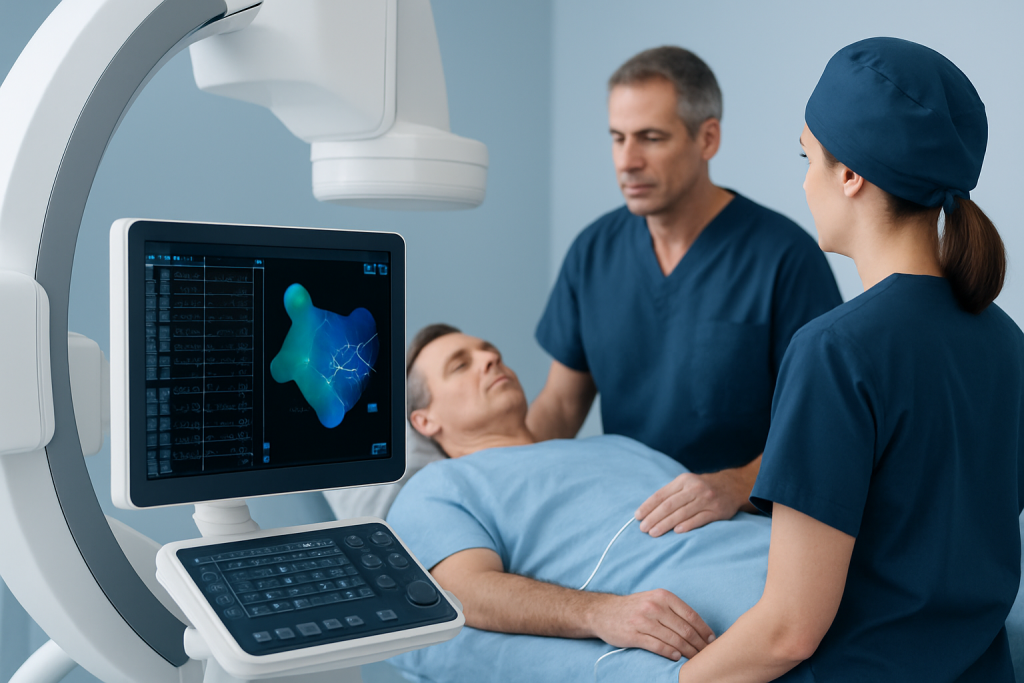
Ablation is used for a range of conditions, but the exact goal depends on the organ system involved. One of the best-known examples is atrial fibrillation, where catheter-based ablation may help control an irregular heart rhythm. It is also used for other heart rhythm problems when medicines are not enough or cause side effects.
In cancer care, ablation may be used to destroy certain tumors, especially when a tumor is small, hard to reach surgically, or when surgery is not the preferred option. Techniques such as radiofrequency ablation or other image-guided methods may be considered for selected liver, kidney, lung, bone, or other lesions.
Ablation also has a role in gynecology, pain medicine, and vascular care. Examples include endometrial ablation for heavy menstrual bleeding, nerve ablation for some chronic pain conditions, and thermal ablation for varicose veins. Because the same term covers very different procedures, patients benefit from asking what type of ablation is being proposed and what it is expected to achieve.
Types of ablation and how they work

Doctors choose the type of ablation based on the condition, the location of the tissue, and the safest way to reach it. Some methods use heat, such as radiofrequency or laser energy. Others use extreme cold, known as cryoablation. There are also forms that use microwaves, alcohol, focused ultrasound, or electrosurgery, depending on the clinical need.
In cardiac ablation, a specialist typically guides thin catheters through blood vessels into the heart. Energy is then delivered to tiny areas of tissue that are triggering or sustaining an abnormal rhythm. The aim is to block faulty electrical pathways while preserving normal heart function as much as possible.
Image-guided ablation for tumors is usually performed with the help of ultrasound, CT, or MRI to place a needle-like probe accurately into the target. Endometrial ablation, by contrast, treats the lining of the uterus to reduce heavy menstrual bleeding. These examples show that “ablation” is defined less by one technique and more by the principle of selectively treating tissue.
- Heat-based ablation: radiofrequency, laser, microwave
- Cold-based ablation: cryoablation
- Electrical or surgical ablation: often used in endoscopic or gynecologic procedures
- Chemical or alcohol ablation: used in selected situations
- Focused energy techniques: such as ultrasound in specific cases
How doctors decide if ablation is appropriate
Not everyone with a condition that can be treated by ablation will need it. Doctors usually recommend ablation after reviewing symptoms, test results, medical history, and other treatment options. The decision often depends on whether the expected benefits outweigh the risks and whether the target tissue can be treated precisely and safely.
Before ablation, patients may need blood tests, imaging, heart rhythm monitoring, or specialist assessments. In heart rhythm disorders, this may include an ECG, echocardiogram, or longer-term rhythm monitoring. In tumor treatment, doctors often rely on imaging to define the size, number, and location of lesions and to judge whether ablation, surgery, systemic treatment, or observation is most suitable.
Shared decision-making is especially important because ablation goals differ. Sometimes the goal is cure, such as eliminating a specific abnormal rhythm circuit. In other cases, the goal is symptom control, reduction of bleeding, local tumor control, or relief of pain. A clear discussion helps patients understand what success looks like in their specific situation.
What happens before, during, and after an ablation procedure
Preparation depends on the type of ablation. Patients may be asked not to eat or drink for several hours, adjust certain medications, or arrange for someone to take them home. The care team explains whether the procedure will be done with local anesthesia, sedation, or general anesthesia, as this varies widely between ablation types.
During the procedure, the doctor uses the chosen technique to reach the target tissue as accurately as possible. Some ablations are performed through a catheter in a blood vessel, some through a needle-like probe placed through the skin, and others through a hysteroscope or endoscope. Imaging or electrical mapping may be used to guide treatment in real time.
Recovery can be short or more involved depending on the body area treated and the complexity of the procedure. Many minimally invasive ablations allow a return home the same day or after a short hospital stay. Follow-up may include symptom review, repeat imaging, heart monitoring, or blood tests to assess how well the treatment worked and whether any further care is needed.
Benefits, limitations, and possible risks
Ablation can offer important advantages. Because it is often targeted and minimally invasive, it may reduce the need for larger surgery in selected patients. It can improve symptoms, control disease in a local area, shorten recovery time, or provide an option when medicines have not worked well or are not well tolerated.
At the same time, ablation has limitations. It is not suitable for every condition or every patient, and in some cases the effect may lessen over time or the problem may return. For example, some people may need repeat treatment if abnormal tissue persists or reappears. In other situations, ablation may be one part of a broader care plan that includes medication, surgery, or ongoing monitoring.
Risks depend on the organ being treated and the method used, but can include bleeding, infection, pain, injury to nearby structures, blood vessel problems, or reactions related to anesthesia or sedation. Organ-specific risks also exist. A specialist will explain the likely risks in the context of the individual procedure so that expectations are realistic and informed.
Recovery, self-care, and longer-term outlook
After ablation, patients are usually given guidance on activity, wound care if relevant, medication use, and warning signs to watch for. It is common to feel tired for a short period after a procedure, and some localized discomfort can occur depending on the treatment area. Recovery tends to be smoother when instructions are followed carefully.
Long-term outlook depends on why the ablation was performed. Some procedures provide lasting control, while others may need follow-up treatment or ongoing monitoring. For example, after heart rhythm ablation, doctors may continue periodic checks to see whether symptoms have improved and whether the heart rhythm remains stable. After tumor ablation, repeat imaging is often important to confirm treatment response.
Healthy habits can support overall recovery even though they do not replace medical treatment. These may include staying active as advised, taking medications exactly as prescribed, attending follow-up appointments, and managing related health issues such as blood pressure, diabetes, or weight where relevant. For conditions like varicose veins, lifestyle measures may be helpful alongside procedures such as varicose vein treatment.
When to seek medical care
A person should seek medical care if symptoms suggest a condition that might need specialist assessment, such as persistent palpitations, unexplained fainting, heavy menstrual bleeding, ongoing pain, or a newly identified lesion on imaging. It is also sensible to ask about ablation when standard treatment is not controlling symptoms well or is causing troublesome side effects.
Urgent medical attention is important after any procedure if there is severe chest pain, trouble breathing, heavy bleeding, fainting, high fever, sudden weakness, or worsening pain that does not improve as expected. These symptoms do not always mean a serious complication, but they should be checked promptly.
Patients who are considering ablation often benefit from evaluation by a team with experience in the relevant specialty, whether cardiology, oncology, gynecology, pain medicine, or vascular care. Acibadem International’s multidisciplinary specialists and JCI-accredited hospitals diagnose and treat conditions that may require ablation for international patients, with care plans based on the individual diagnosis and treatment goals.
Frequently asked questions
Is ablation a surgery?
Ablation can be surgical, but many ablation procedures are minimally invasive rather than traditional open surgery. The method depends on the tissue being treated and the specialty involved. Some are done through catheters, needles, or scopes with small or no incisions.
What is the main purpose of ablation?
The purpose of ablation is to destroy or deactivate tissue that is causing a medical problem. This may help control symptoms, stop abnormal electrical signals, reduce bleeding, relieve pain, or treat a localized tumor. The exact goal varies from one condition to another.
Is ablation painful?
Many ablation procedures are done with local anesthesia, sedation, or general anesthesia to keep the patient comfortable. Some soreness or tiredness afterward is common, but the intensity varies by procedure and treatment area. The care team usually explains what type of discomfort to expect and how it will be managed.
How long does it take to recover from ablation?
Recovery time depends on the type of ablation and the area treated. Some people return to usual activities within days, while others need longer monitoring and a gradual recovery. Follow-up is important because improvement may be immediate in some cases and more gradual in others.
Can ablation cure a condition completely?
Sometimes ablation can eliminate the problem area and provide long-term control or cure, but not always. In some conditions, symptoms may return or additional treatment may be needed. A doctor can explain whether the goal is cure, symptom relief, or local disease control in a particular case.
Are there alternatives to ablation?
Yes, alternatives may include medication, monitoring, lifestyle measures, surgery, radiation, or other minimally invasive procedures. The best option depends on the diagnosis, how severe the symptoms are, and the person’s overall health. A specialist compares the likely benefits and limitations of each approach.
This article is for general information only and is not a substitute for professional medical advice. Please consult a qualified doctor about your individual situation.
Oncology care in Turkey — second opinion and treatment plan
JCI-accredited · board-certified surgeons · reply within 24h
Add us as a Preferred Source to see more of our trusted health content across Google Search, AI Overviews and Discover.

More from the Health Library

Desomorphine: What Patients Need to Know

Magnesium Glycinate: A Complete Medical Overview

Norethindrone: An Evidence-Based Guide for Patients

Pac Arrhythmia: An Evidence-Based Guide for Patients

Right Heart Catheterization: An Evidence-Based Guide for Patients