Absent Fits: An Evidence-Based Guide for Patients

Absent fits are usually a form of absence seizure that briefly interrupts awareness. They can look like daydreaming, but they start and stop suddenly and cannot be interrupted.
Key Takeaways
- Absent fits are usually a form of absence seizure that briefly interrupts awareness.
- They can look like daydreaming, but they start and stop suddenly and cannot be interrupted.
- Diagnosis commonly includes a medical history, observation, and an electroencephalogram (EEG).
- Treatment often involves anti-seizure medication and regular follow-up.
- Prompt medical assessment helps distinguish absent fits from other causes of staring spells.
Absent fits are brief seizures, usually seen in children, that cause sudden staring and a short pause in awareness. They often last only a few seconds, but proper diagnosis is important because effective treatment can reduce seizures and support normal daily life.
Overview: What are absent fits?
Absent fits are brief episodes of impaired awareness, most commonly caused by absence seizures. During an episode, a person may suddenly stop what they are doing, stare blankly, and seem unaware of their surroundings for a few seconds before returning to normal. Because these events are short and often subtle, they may be mistaken for daydreaming, distraction, or inattention.
Absent fits are most often linked to childhood epilepsy, although they can also occur in adolescents and, less commonly, in adults. In many children, they are manageable with treatment, and some outgrow them over time. Even so, frequent episodes can affect learning, safety, and everyday activities, so medical assessment is worthwhile.
An important feature is that absent fits tend to begin and end abruptly. A child may pause in the middle of speaking, chewing, or walking, then continue as if nothing happened. Unlike ordinary daydreaming, the person usually cannot respond during the event, even if someone calls their name or touches them gently.
How absent fits look in daily life
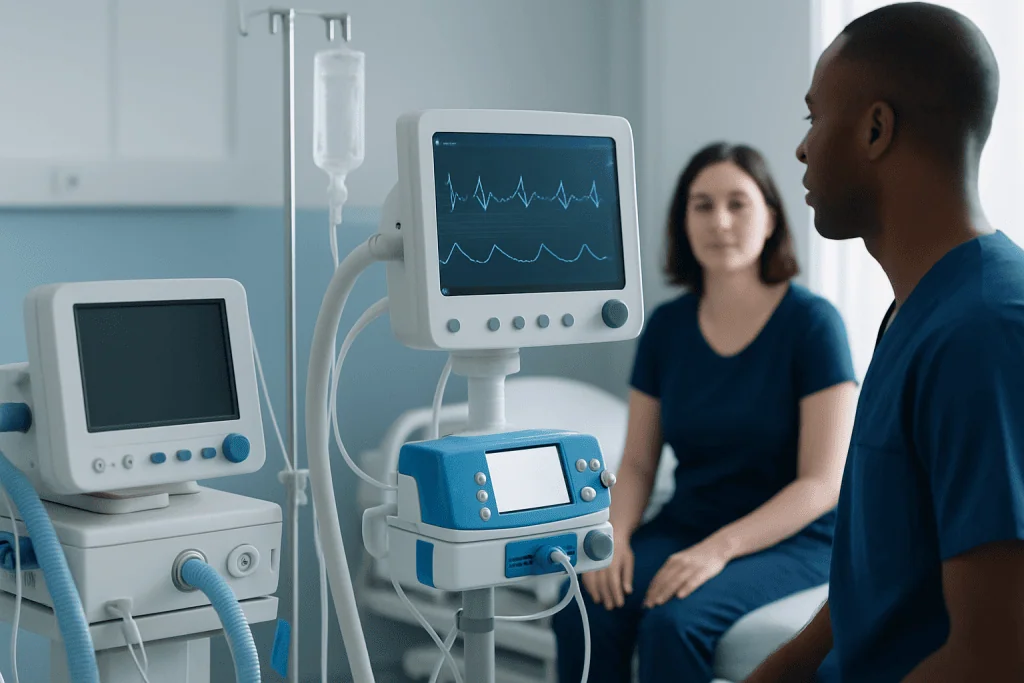
Absent fits may be easy to miss because they do not usually involve falling, shaking, or dramatic body movements. Instead, they often appear as brief staring spells. Teachers, parents, or family members may notice that the child seems to “switch off” for several seconds and then quickly return to the task at hand.
Some people have only a blank stare, while others have small accompanying movements. These can include eyelid fluttering, lip smacking, subtle chewing motions, or small hand movements. The person is not doing these actions on purpose, and they typically have no memory of the event afterward.
Episodes may happen many times a day. This is one reason they can interfere with school performance or concentration. A child may miss short pieces of information repeatedly, making it seem as though they are not paying attention, when in fact brief seizures are interrupting awareness.
- Sudden staring or “blanking out”
- Brief pause in speech or activity
- No response during the episode
- Quick recovery without confusion
- Possible eyelid flutter or small mouth movements
Symptoms and signs that may suggest absence seizures

The main symptom of absent fits is a short interruption in awareness, usually lasting a few seconds. The person may look awake but disconnected. Afterward, they typically resume normal activity immediately and may not realize anything happened.
Symptoms can vary somewhat from person to person. Some episodes are very subtle, while others are more noticeable. In children, absent fits may first come to attention because of repeated lapses at school, unfinished sentences, or a pattern of seeming distracted despite otherwise normal behavior.
Although absence seizures are brief, they still deserve medical attention because not all staring spells are seizures. Other conditions can sometimes mimic them, including fainting, attention difficulties, sleep problems, or other seizure types. A doctor may also evaluate whether the person has related seizure conditions such as epilepsy.
- Blank stare lasting a few seconds
- Sudden stop in talking, reading, or movement
- No response to voice during the event
- Rapid return to baseline afterward
- Events that happen repeatedly over days or weeks
Causes and risk factors
Absent fits are caused by brief abnormal electrical activity in the brain. In classic absence seizures, this activity affects both sides of the brain in a synchronized way, leading to a temporary interruption in awareness. This is why testing that records brain activity, such as an EEG, is so important.
The exact reason some people develop absence seizures is not always clear. Genetics can play a role, and there may be a family history of seizures in some cases. Absence seizures commonly begin in childhood, often in otherwise healthy children with normal development.
Certain factors may make seizures more likely or more noticeable in someone who is already susceptible. These can include lack of sleep, stress, illness, flashing lights in a minority of people, or missed medication in those already diagnosed. Hyperventilation during examination can sometimes help bring out a typical absence seizure, which may assist diagnosis in a controlled medical setting.
Not every staring episode is an absent fit, and not every seizure disorder presents in the same way. A neurologist may consider other causes, including focal seizures, syncope, migraine-related symptoms, or behavioral conditions, before confirming the diagnosis.
How doctors diagnose absent fits
Diagnosis starts with a careful description of what happens before, during, and after the episodes. Family members, teachers, or caregivers may provide important details, especially because the person having the seizure may not remember it. If possible, a short phone video of an event can sometimes help a doctor understand the pattern.
A neurological evaluation is usually followed by an electroencephalogram, or EEG, which records electrical activity in the brain. An EEG can often show the characteristic pattern seen in absence seizures. In some cases, doctors may ask the patient to breathe quickly and deeply for a short period during the test, because this may trigger a typical episode and help confirm the diagnosis. Advanced assessment may include EEG testing as part of a broader seizure work-up.
Brain imaging is not always necessary for classic absence seizures, but it may be recommended if the presentation is unusual or if another cause is being considered. The main goal is to distinguish absent fits from non-seizure staring spells and from other seizure types, since treatment decisions depend on an accurate diagnosis.
If there are broader neurological concerns, specialists may also evaluate for related seizure disorders or structural causes. In selected cases, this may involve consultation with teams experienced in neurology care.
Treatment options and long-term outlook
Absent fits are often treatable, and the main treatment is anti-seizure medication selected by a qualified doctor. The choice of medicine depends on the seizure type, the person’s age, medical history, and whether other seizure types are also present. Regular follow-up is important so the care team can monitor seizure control and side effects.
Many children respond well to treatment and can continue school, sports, and normal daily routines with appropriate guidance. The outlook varies, but some children eventually outgrow absence seizures. Others may need longer-term treatment or may develop additional seizure types, which is why continued monitoring matters.
Medication should be taken exactly as prescribed. Stopping treatment suddenly can increase seizure risk, so any changes should be made only with medical advice. If seizures remain difficult to control or the diagnosis is uncertain, referral to a specialist epilepsy center may be helpful. Care plans can be linked to broader epilepsy treatment strategies when absence seizures are part of a larger seizure disorder.
For international patients who need evaluation or follow-up, Acibadem International’s multidisciplinary specialists and JCI-accredited hospitals diagnose and treat seizure disorders with coordinated care across pediatric and adult services.
Prevention, self-care, and living with absent fits
There is no guaranteed way to prevent absent fits in someone predisposed to absence seizures, but good self-care can reduce seizure triggers and support treatment success. One of the most helpful steps is maintaining a regular sleep schedule, since sleep deprivation can make seizures more likely in some people.
Medication adherence is also essential. Parents and caregivers may find it useful to set reminders, keep a seizure diary, and note patterns such as missed doses, illness, or stress. These details can help the doctor decide whether treatment is working well or needs adjustment.
Safety planning should fit the person’s age and routine. Children with frequent absent fits may need supervision during activities such as swimming, cycling near traffic, or climbing heights. Teachers and caregivers should understand that these episodes are involuntary and usually brief, and should know when medical review is needed.
Emotional support matters too. Repeated misunderstandings about “not paying attention” can be frustrating for children and families. Clear communication with school staff and regular medical follow-up can help reduce worry and support learning, confidence, and day-to-day independence.
When to seek medical care
Medical assessment is important if a child or adult has repeated staring spells, sudden pauses in awareness, or episodes that seem unusual or unexplained. A doctor should evaluate these events, especially if they occur often, interfere with learning or daily activities, or are associated with eyelid fluttering or other repetitive movements.
Urgent medical care is needed if a seizure lasts longer than expected, if there is injury, breathing difficulty, a prolonged period of confusion, or a first seizure with collapse or convulsive movements. Emergency evaluation is also important if a person has repeated seizures without recovering normally between them.
Even when episodes seem mild, it is best not to assume they are simple daydreaming. Early diagnosis can help prevent unnecessary delays in treatment and reduce the effect of absent fits on school, work, and safety.
Frequently asked questions
Are absent fits the same as daydreaming?
No. Daydreaming can usually be interrupted by speaking to the person or getting their attention, while absent fits usually cannot. Absent fits also start and stop suddenly and may happen repeatedly throughout the day.
How long do absent fits usually last?
They usually last only a few seconds. After the episode, the person typically returns to normal activity right away without confusion, although they may not realize anything happened.
Do absent fits only happen in children?
They are most common in children, especially school-aged children, but they can also occur in teenagers and, less often, adults. A doctor can assess whether the episodes fit the pattern of absence seizures or another condition.
Can absent fits affect school performance?
Yes. Because they may happen many times a day, a child can miss brief pieces of teaching, conversation, or instructions. This can make it look as though the child is inattentive when the real issue is repeated interruptions in awareness.
What test is used to confirm absent fits?
An EEG is one of the main tests used to support the diagnosis because it records the brain's electrical activity. The doctor also relies on a detailed history and observation of symptoms, and sometimes asks for a video of an episode if one is available.
Can absent fits be treated successfully?
Many people respond well to treatment with anti-seizure medication. With the right diagnosis, regular follow-up, and good adherence to the treatment plan, seizure control is often very good.
References
- National Institute of Neurological Disorders and Stroke
- Epilepsy Foundation
- American Academy of Neurology
- National Health Service
- International League Against Epilepsy
This article is for general information only and is not a substitute for professional medical advice. Please consult a qualified doctor about your individual situation.
Explore treatments in Turkey — costs, top hospitals & a free quote
JCI-accredited · board-certified surgeons · reply within 24h
Add us as a Preferred Source to see more of our trusted health content across Google Search, AI Overviews and Discover.

More from the Health Library

Spinal Stroke: A Complete Medical Overview

Short Chain Fatty Acids: What Patients Need to Know
Allergic Eye Ointment — Explained by Medical Evidence, Not Myths

Sparkling Water: An Evidence-Based Guide for Patients

Gout in Knee: A Complete Medical Overview