Abvd Treatment: How It Works, Results and What to Expect
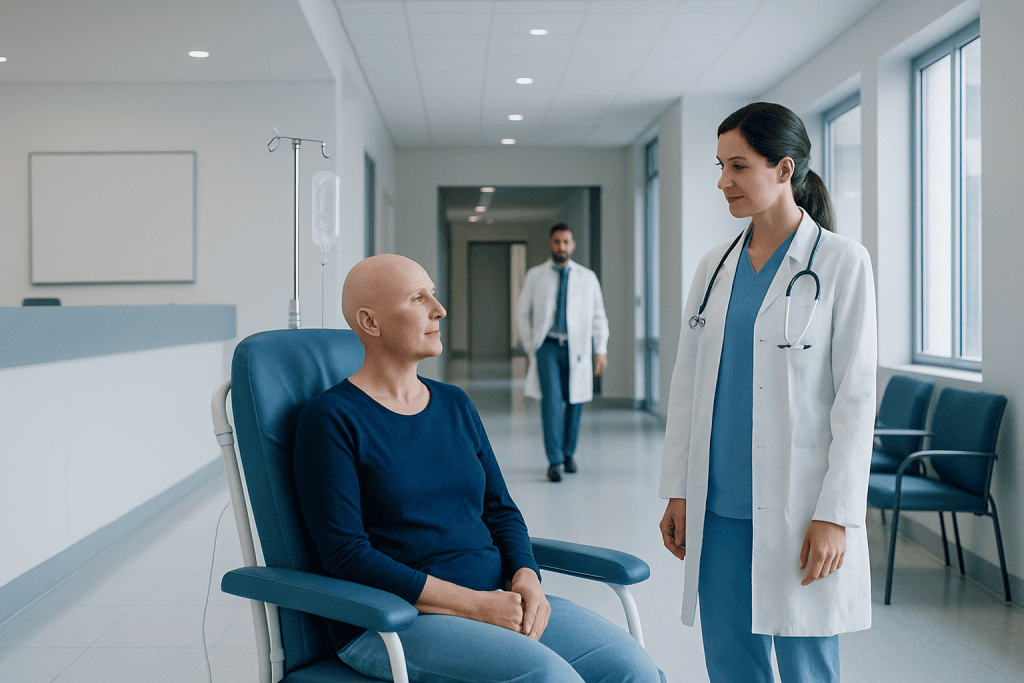
ABVD combines doxorubicin, bleomycin, vinblastine and dacarbazine to treat classical Hodgkin lymphoma. Treatment is usually delivered in cycles, often with infusions on days 1 and 15 of each 28-day cycle.
Key Takeaways
- ABVD combines doxorubicin, bleomycin, vinblastine and dacarbazine to treat classical Hodgkin lymphoma.
- Treatment is usually delivered in cycles, often with infusions on days 1 and 15 of each 28-day cycle.
- Side effects vary, but fatigue, nausea, lowered blood counts, infection risk and hair loss can occur.
- PET/CT imaging during treatment may help the oncology team adjust the plan, including whether bleomycin is continued.
- Prompt reporting of fever, breathing changes or severe symptoms is important during chemotherapy.
ABVD treatment is a chemotherapy regimen used for many people with classical Hodgkin lymphoma. It combines four medicines given on a planned schedule, with regular blood tests, symptom checks and imaging to guide care safely.
Overview: What Is ABVD Treatment?
ABVD treatment is a combination chemotherapy regimen most often used for classical Hodgkin lymphoma. The name comes from its four medicines: doxorubicin, bleomycin, vinblastine and dacarbazine. These medicines work in different ways to damage or stop the growth of lymphoma cells, helping improve the chance of controlling or curing the disease.
An ABVD treatment regimen is planned by a hematologist or medical oncologist according to the type and stage of lymphoma, symptoms, scan findings, overall health and previous treatment history. It may be used alone or, for selected people, alongside carefully planned radiotherapy. The goal is to treat the lymphoma effectively while limiting avoidable long-term effects.
ABVD treatment for Hodgkin’s lymphoma has been used for many years and remains an important first-line option. However, treatment plans are individualized. Some people may need a different chemotherapy approach, targeted therapy, immunotherapy, radiotherapy or treatment for relapsed disease.
How the ABVD Treatment Protocol Works
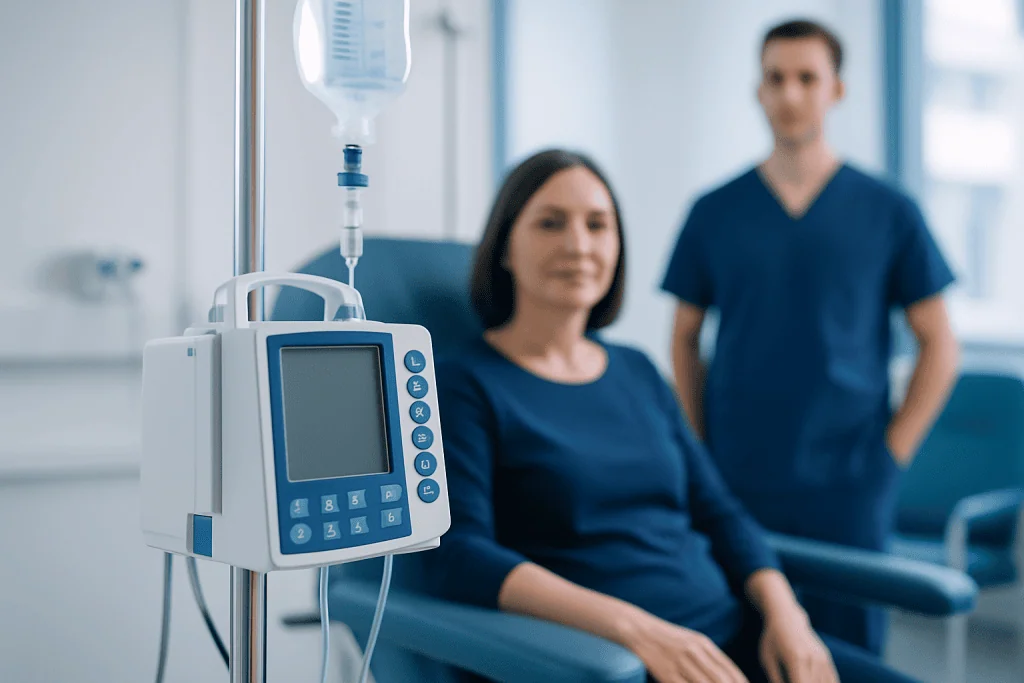
Each medicine in the ABVD treatment protocol has a separate role. Doxorubicin interferes with cancer-cell DNA and cell division. Bleomycin damages DNA through oxidative mechanisms. Vinblastine disrupts the structures cells need to divide, while dacarbazine is a chemotherapy agent that damages DNA. Combining medicines with different actions can make treatment more effective than using one medicine alone.
ABVD is typically given intravenously in an outpatient infusion unit. A common schedule is treatment on day 1 and day 15 of a 28-day cycle. The total number of cycles depends on whether disease is early or advanced, whether there are unfavorable features, and how lymphoma responds on interim imaging. The care team will explain the individual schedule before treatment begins.
Response assessment is a central part of care. Many patients have a PET/CT scan after initial cycles to show how active the lymphoma appears. In some situations, a strong early response allows clinicians to modify the regimen, such as omitting bleomycin to reduce the chance of lung toxicity. Decisions should always be made with the treating oncology team.
Who May Be a Candidate for ABVD Treatment?
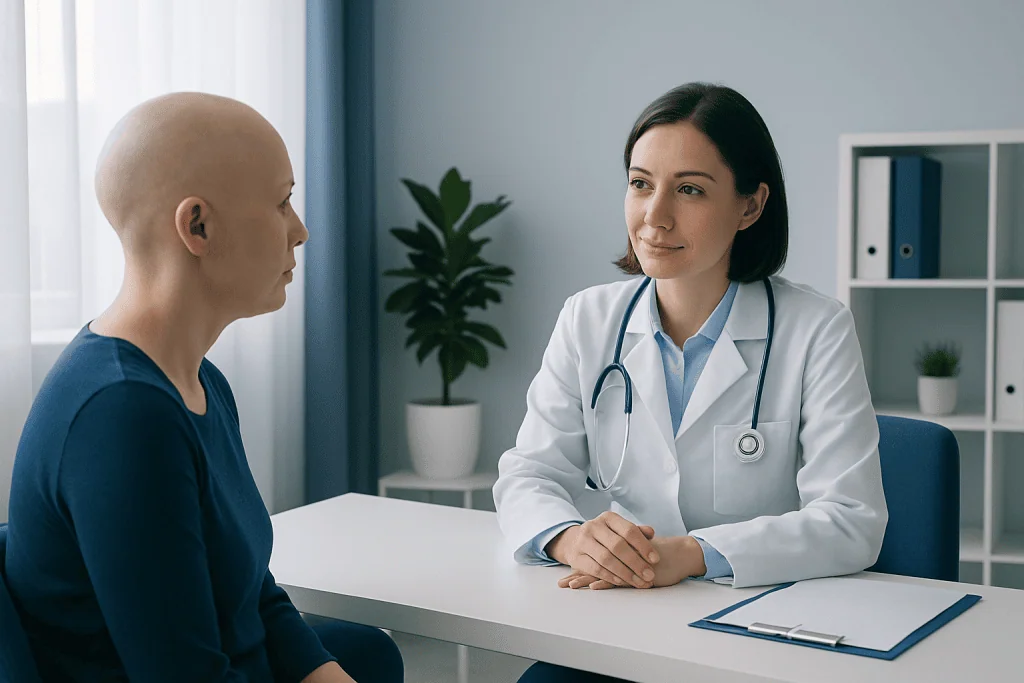
ABVD treatment for Hodgkin’s is generally considered for people with newly diagnosed classical Hodgkin lymphoma, including many with early-stage or advanced-stage disease. Before recommending it, the oncology team confirms the diagnosis from a biopsy and completes staging tests. These may include PET/CT imaging, blood tests and an assessment of symptoms such as fever, drenching night sweats or unexplained weight loss.
Suitability also depends on a person’s heart, lung, kidney and liver function, other health conditions, medicines and personal priorities. Because doxorubicin can affect the heart and bleomycin can affect the lungs, clinicians may arrange an echocardiogram and pulmonary function tests before treatment. These tests create a baseline and help identify whether another approach may be safer.
Fertility preservation should be discussed before chemotherapy begins, particularly for patients who may wish to have children in the future. Depending on the situation, options can include sperm banking, egg or embryo freezing, or referral to a fertility specialist. Pregnancy, breastfeeding, active infection and certain pre-existing organ conditions also require individualized planning.
What Happens During Each Treatment Visit?
Before an infusion, the care team usually checks blood counts, kidney and liver function when indicated, vital signs and any new symptoms. Low white blood cell counts, anemia or low platelets may affect the timing of treatment. Patients should tell the team about fever, cough, shortness of breath, mouth sores, constipation, numbness or tingling, severe nausea, or any change in daily functioning.
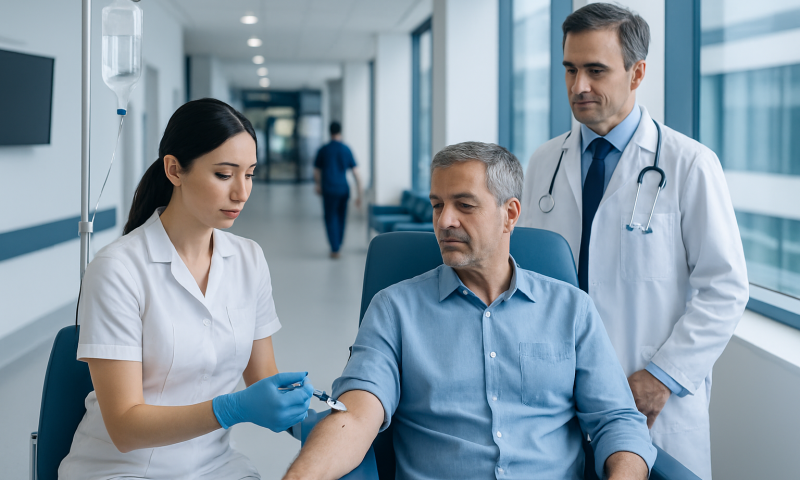
On infusion day, anti-nausea medicines may be given before chemotherapy. ABVD medicines are then administered through a vein, often through a cannula in the arm or through a central venous access device if needed. The appointment length varies, but patients can usually return home afterward if they feel well. A companion may be helpful, especially for the first visit.
Between visits, patients receive guidance on symptom management, food safety, hydration, activity and when to contact the oncology service. Keeping a simple record of temperatures, symptoms and medicines can make appointments more productive. The team may also coordinate care with specialists in cardiology, respiratory medicine, fertility, nutrition and supportive care when appropriate.
- Bring an updated list of all medicines, vitamins and herbal products.
- Ask before receiving vaccines, starting supplements or taking new over-the-counter medicines.
- Use reliable contraception during treatment as advised by the oncology team.
- Attend all scheduled blood tests and response-assessment scans.
Benefits, Risks and Common Side Effects
The main benefit of ABVD is that it is an established, potentially curative treatment for many people with classical Hodgkin lymphoma. The expected benefit varies with stage, disease features, age, general health and early response to therapy. The oncology team can explain the aim of treatment and how response will be measured in an individual case.
Common side effects can include fatigue, nausea or vomiting, reduced appetite, constipation, mouth soreness, changes in taste and low blood counts. Reduced white blood cells can increase infection risk; anemia may contribute to tiredness or breathlessness; and low platelets can increase bruising or bleeding. Anti-sickness medication and other supportive treatments can often reduce symptoms.
Some effects need particular attention. Doxorubicin may affect heart function and can cause red-orange urine for a short time after infusion. Bleomycin can cause lung inflammation, so a new dry cough, breathlessness or chest discomfort should be reported promptly. Vinblastine can cause constipation, nerve symptoms or irritation if it leaks outside a vein. Dacarbazine may cause flu-like symptoms, nausea and sensitivity to sunlight.
Not everyone has the same side effects, and many improve after chemotherapy ends. Still, some effects can be long-lasting, including fertility changes, nerve symptoms or uncommon heart and lung complications. Regular review helps the team recognize problems early and adapt care when needed.
When Are the Hardest Days After ABVD?
There is no single hardest day for everyone after ABVD. Some people feel tired, nauseated or generally unwell during the first few days after an infusion, while others notice fatigue building over several treatment cycles. The days of lowest white blood cell count, often called the nadir, may occur roughly 7 to 14 days after chemotherapy, although the timing differs between individuals and regimens.
Low blood counts do not always cause noticeable symptoms, which is why planned blood tests are important. People receiving chemotherapy should follow their care team’s advice about infection prevention, food preparation, hand hygiene and contact with people who are unwell. Rest, gentle activity when tolerated, regular fluids and small meals may support recovery between infusions.
Symptoms should not simply be endured. The oncology team can offer anti-nausea treatment, bowel care, pain relief, nutrition support and advice for fatigue or mouth care. Reporting symptoms early may prevent them from becoming more difficult to manage.
Is ABVD a Strong Chemo?
ABVD is considered combination chemotherapy, meaning it uses several anti-cancer medicines that can cause significant side effects and require close monitoring. It is therefore often described as a strong chemotherapy regimen. At the same time, “strong” does not predict exactly how a particular person will feel or whether serious side effects will occur.
Its intensity is balanced against its established effectiveness in Hodgkin lymphoma and the effort to reduce unnecessary toxicity. Treatment is given in cycles so the body has time to recover, and clinicians monitor blood results, symptoms and scans throughout. If treatment effects are difficult or test results raise concerns, the team may delay a dose, provide supportive care or adjust the plan.
Patients should not compare their experience too closely with another person’s. Age, other medical conditions, disease characteristics, medicines and individual sensitivity all influence tolerability. Open communication with the oncology team is the safest way to make treatment manageable.
Does ABVD Chemo Cause Hair Loss?
Yes, ABVD chemotherapy can cause hair thinning or hair loss, mainly because doxorubicin affects rapidly dividing cells in hair follicles. The amount of hair loss varies. Some people lose most or all scalp hair, while others experience noticeable thinning; eyebrows, eyelashes and body hair can also be affected.
Hair loss often begins a few weeks after treatment starts and is usually temporary. Hair commonly begins to grow back after chemotherapy is completed, although its texture or color may initially be different. Cooling caps are not routinely appropriate for every cancer treatment, so patients should ask their oncology team whether any hair-preservation approach is suitable for their circumstances.
Practical support can include a gentle hair-care routine, soft head coverings, wigs or advice from a cancer support service. Hair loss can affect confidence and emotional wellbeing, and discussing these concerns with the care team is appropriate and worthwhile.
What Is the 5-Year Survival Rate for People With Hodgkin's Lymphoma?
Five-year survival is a population measure: it describes the proportion of people alive five years after diagnosis in a particular registry or time period. Hodgkin lymphoma is often highly treatable, and outcomes have improved substantially with modern care. However, a single survival figure cannot accurately predict one person’s outcome.
Survival varies by country, age group, subtype, stage, symptoms, overall health and how the lymphoma responds to first treatment. National cancer registries may report overall five-year relative survival in the high 80% range or above for Hodgkin lymphoma in some populations, but these figures combine people with different disease stages and treatment histories. They also may not reflect the latest treatments or an individual’s circumstances.
The most useful discussion is with the treating hematology-oncology team, who can interpret stage, PET/CT findings and other prognostic factors. Follow-up after treatment is also important, both to monitor recovery and to identify late effects that may benefit from early care.
When to Seek Medical Care During ABVD
Patients should contact their oncology team urgently if they develop a temperature of 38°C (100.4°F) or higher, chills, shaking, or feel suddenly very unwell. Fever during chemotherapy can be a sign of infection when white blood cell levels are low and requires prompt medical assessment. Patients should use the emergency contact instructions provided by their treatment center rather than waiting for a routine appointment.
Urgent advice is also needed for new or worsening shortness of breath, persistent dry cough, chest pain, severe vomiting or diarrhea, inability to drink fluids, confusion, unusual bleeding, severe constipation, painful redness at an infusion site, or a widespread rash. These symptoms have many possible causes, but timely assessment is important during treatment.
Acibadem International’s multidisciplinary specialists and JCI-accredited hospitals support international patients undergoing evaluation and treatment for Hodgkin lymphoma. A care team can help coordinate chemotherapy monitoring, imaging, supportive care and follow-up according to each patient’s needs.
Frequently asked questions
How long does ABVD treatment usually last?
ABVD is commonly given in 28-day cycles, with infusions often scheduled on days 1 and 15. The number of cycles varies according to the lymphoma stage, risk features and response on interim PET/CT imaging. Many patients receive several months of treatment, but the oncology team provides the individual schedule.
Can ABVD be stopped or changed during treatment?
The regimen may be adjusted if scans show a strong response, if side effects occur or if test results raise safety concerns. For example, clinicians may consider stopping bleomycin in selected patients after an early favorable PET response. Any change is based on clinical evidence and individualized discussion with the oncology team.
What should a patient eat during ABVD chemotherapy?
There is no single required diet, but regular fluids and nourishing foods with protein, fruits, vegetables and calorie-dense options can help maintain strength. Small, frequent meals may be easier during nausea or reduced appetite. Patients should ask their team about food safety, especially if blood counts are low.
Can someone work while receiving ABVD?
Some people continue working full-time or part-time, while others need time away because of fatigue, appointments or side effects. Needs can change from cycle to cycle. Flexible scheduling and discussing workplace adjustments may be helpful.
How is response to ABVD checked?
The team monitors symptoms, physical findings, blood tests and imaging. PET/CT is often used after initial treatment cycles and again at the end of treatment when appropriate. These results help determine whether the lymphoma is responding and whether the treatment plan should continue or change.
Can ABVD affect fertility?
Chemotherapy can affect fertility, although the risk differs by age, sex, baseline fertility and total treatment exposure. It is important to discuss fertility preservation before treatment starts whenever possible. The oncology team can arrange referral to reproductive specialists without delaying urgent care unnecessarily.
References
- National Cancer Institute
- American Cancer Society
- Leukemia & Lymphoma Society
- European Society for Medical Oncology
- National Comprehensive Cancer Network
This article is for general information only and is not a substitute for professional medical advice. Please consult a qualified doctor about your individual situation.
Oncology care in Turkey — second opinion and treatment plan
JCI-accredited · board-certified surgeons · reply within 24h
Add us as a Preferred Source to see more of our trusted health content across Google Search, AI Overviews and Discover.