Achilles Tendon Rupture: Diagnosis, Repair, and Rehabilitation
Achilles tendon rupture often feels like a sudden pop or kick at the back of the ankle, followed by weakness when pushing off the foot. Diagnosis is usually based on clinical examination and may be confirmed with ultrasound or MRI when needed.
Key Takeaways
- Achilles tendon rupture often feels like a sudden pop or kick at the back of the ankle, followed by weakness when pushing off the foot.
- Diagnosis is usually based on clinical examination and may be confirmed with ultrasound or MRI when needed.
- Treatment may be surgical or non-surgical, depending on age, activity level, tear pattern, general health, and patient goals.
- Rehabilitation is a central part of recovery and typically progresses from protection and early movement to strengthening and return-to-sport training.
- Prompt medical assessment helps reduce complications and supports a safe, individualized recovery plan.
An Achilles tendon rupture is a tear in the strong tendon at the back of the ankle, often causing sudden pain and difficulty walking. With timely diagnosis, appropriate repair or non-surgical treatment, and structured rehabilitation, many people regain good function and return to daily activities.
Overview
The Achilles tendon connects the calf muscles to the heel bone and is essential for walking, running, climbing stairs, and rising onto the toes. An Achilles tendon rupture means the tendon has partially or completely torn, most often a few centimeters above its attachment to the heel. The injury can occur during sports, sudden acceleration, jumping, or even a misstep in daily life.
Many people describe the moment of injury as feeling as if someone kicked or struck the back of the ankle. A snap or pop may be heard or felt, followed by pain, swelling, and difficulty pushing off the affected foot. Although the injury can be concerning, it is a well-recognized orthopedic condition with established diagnostic and treatment pathways.
Care for Achilles tendon rupture focuses on restoring tendon continuity, reducing the risk of re-rupture, preserving ankle strength, and helping the person return safely to work, daily activities, and sport. The best treatment is individualized and depends on the type of rupture, timing of diagnosis, health status, activity expectations, and access to supervised rehabilitation.
Symptoms and How the Injury Feels
Symptoms usually begin suddenly. The person may feel a sharp pain at the back of the ankle or lower calf and may have immediate difficulty walking normally. Some can still move the ankle or take steps, which can make the injury seem less severe than it is, but pushing off the toes is often weak or impossible.
Common symptoms of a ruptured Achilles tendon include:
- A sudden pop, snap, or sensation of being hit in the back of the ankle
- Pain and swelling near the heel or lower calf
- Difficulty standing on tiptoe on the injured side
- Weakness when pushing off while walking or climbing stairs
- A visible or palpable gap in the tendon in some cases
- Bruising or stiffness around the ankle
Pain levels vary. Some people have intense pain at first that later becomes a dull ache, while others mainly notice weakness and altered walking. Because a rupture can be missed when symptoms are mild or when swelling is limited, any sudden loss of push-off strength after an ankle or calf injury should be medically assessed.
Causes and Risk Factors
Achilles tendon rupture often occurs when the tendon is suddenly loaded beyond its capacity. This can happen during sports that involve sprinting, jumping, cutting, or rapid changes of direction, such as basketball, football, tennis, or running. It may also occur during a fall, a forceful push-off, or an unexpected step into a hole or uneven surface.
Several factors can increase the likelihood of rupture. Tendons may become less elastic with age, and small degenerative changes can develop over time, sometimes without symptoms. A sudden increase in training intensity, inadequate warm-up, tight calf muscles, poor footwear, or returning to intense sport after a long break may also contribute.
Medical and medication-related factors can play a role in some patients. Previous Achilles tendinopathy, prior tendon injury, certain inflammatory conditions, diabetes, and smoking may affect tendon health and healing. Use of corticosteroid injections around the tendon or some antibiotics from the fluoroquinolone class has been associated with tendon problems; patients should discuss individual medication risks with their doctor rather than stopping prescribed treatment on their own.
Diagnosis
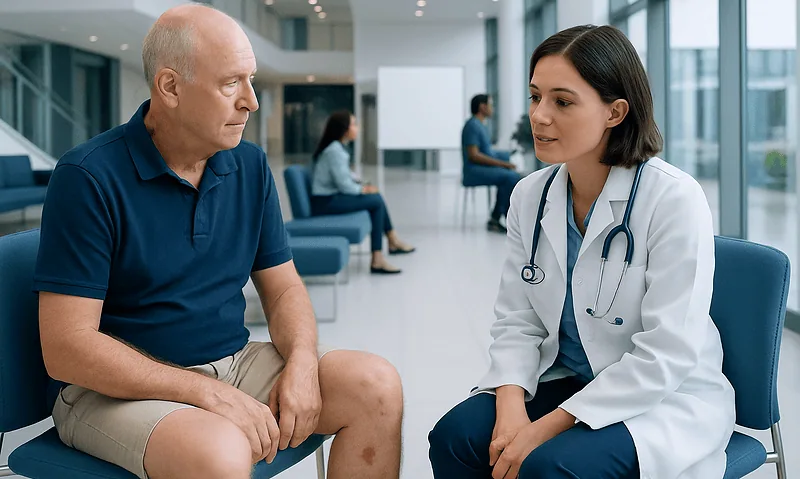
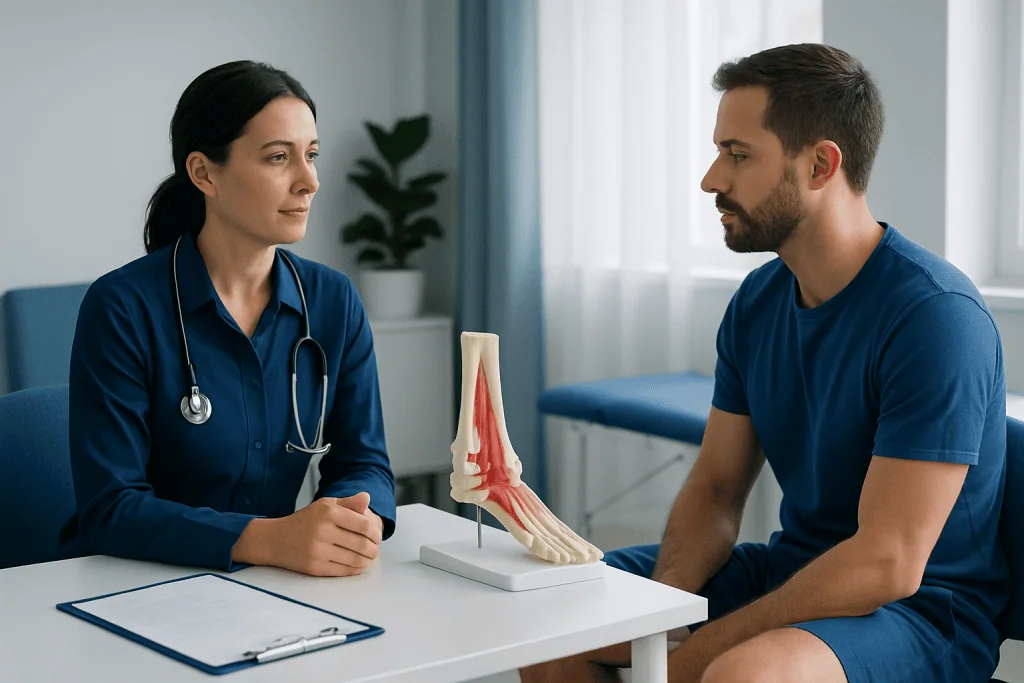
Diagnosis begins with a careful history and physical examination by a qualified clinician, often an orthopedic specialist, sports medicine physician, or emergency doctor. The doctor will ask how the injury happened, whether there was a pop or sudden pain, and whether the person can walk or rise onto the toes. The ankle and calf are examined for swelling, bruising, tenderness, and a possible gap in the tendon.
One common clinical test is the calf-squeeze test, also called the Thompson test. While the patient lies face down or kneels with the feet relaxed, the clinician gently squeezes the calf muscles. In a healthy tendon, the foot moves downward; reduced or absent movement may suggest rupture. Other tests may assess resting foot position, tendon continuity, and calf strength.
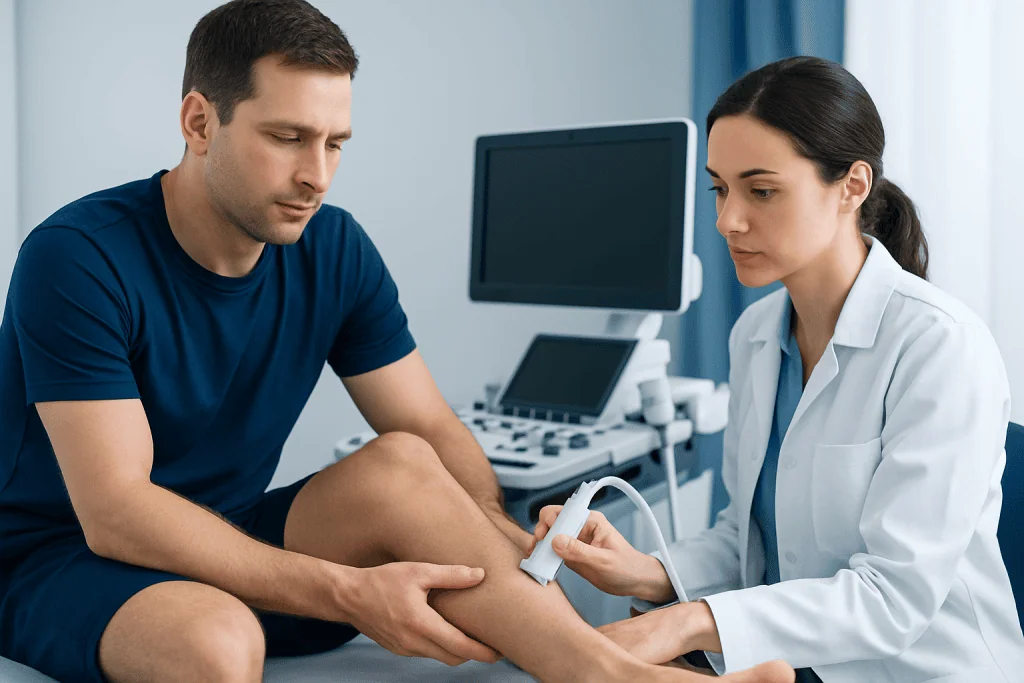
Imaging is not always required when the examination is clear, but it can be helpful in selected cases. Ultrasound can show whether the tendon is partially or completely torn and may help assess the gap between tendon ends. MRI provides detailed images of the tendon and surrounding tissues and may be used when the diagnosis is uncertain, when planning treatment for complex or delayed cases, or when another injury is suspected.
Treatment Options: Surgical and Non-Surgical Care
Treatment aims to allow the torn tendon ends to heal in an appropriate position and restore function. Both surgical and non-surgical approaches can be effective when carefully selected and paired with modern rehabilitation. The decision is made after discussing the patient’s age, activity level, medical conditions, rupture characteristics, time since injury, and personal preferences.
Non-surgical treatment usually involves immobilizing the ankle in a pointed-down position at first, often with a functional boot and heel wedges. This position brings the tendon ends closer together while healing begins. Over time, the boot angle is gradually adjusted, and supervised weight-bearing and movement are introduced according to a protocol. Non-surgical care may be preferred for people with higher surgical risk or lower activity demands, and it requires close follow-up to monitor healing.
Surgical treatment reconnects the torn tendon ends. It may be recommended for some active patients, widely separated tendon ends, delayed ruptures, or cases where the expected functional demands are high. Surgery can be performed through an open incision or minimally invasive techniques, depending on the surgeon’s assessment and the rupture pattern. As with any operation, risks include infection, wound-healing problems, nerve irritation, blood clots, stiffness, and re-rupture, so shared decision-making is important.
Early management also includes pain control, swelling reduction, and protection of the injured leg. Patients should avoid massaging or stretching the area aggressively before diagnosis, and they should follow medical advice about weight-bearing. Blood clot prevention may be considered for some patients, especially if mobility is limited, based on individual risk factors.
Repair, Recovery Timeline, and Rehabilitation
Rehabilitation is not simply an afterthought; it is a core part of Achilles tendon rupture recovery. Whether the tendon is treated surgically or non-surgically, healing tissue needs protection early and progressive loading later. A typical program is guided by the treating orthopedic team and physiotherapist and is adjusted according to pain, swelling, tendon healing, strength, balance, and walking quality.
In the early phase, the ankle is protected in a cast or walking boot, usually with the foot positioned to reduce tension on the tendon. Depending on the protocol, partial or full weight-bearing may be introduced gradually. Gentle range-of-motion exercises may begin when safe, but stretching the tendon too early can lengthen it and reduce push-off strength, so patients should not progress faster than advised.
The middle phase of rehabilitation often focuses on restoring normal walking, improving ankle mobility, and rebuilding calf strength. Exercises may include controlled foot and ankle movements, seated heel raises, resistance-band work, balance training, and later standing heel raises. Swelling and soreness are monitored because they can indicate that the workload is too high.
The later phase prepares the patient for higher-level activities such as brisk walking, jogging, jumping, or sport-specific drills. Return to running or competitive sport is usually based on functional milestones rather than time alone, including calf strength, single-leg heel-raise ability, balance, confidence, and absence of significant pain or swelling. Full recovery can take many months, and gradual progress is safer than rushing back too soon.
Prevention and Self-Care
Not every Achilles tendon rupture can be prevented, but reducing unnecessary tendon strain may lower risk. A gradual approach to exercise is important, especially after a period of inactivity. Training plans should increase intensity, distance, and speed step by step rather than all at once, and rest days help the tendon adapt to load.
Helpful self-care habits include warming up before vigorous activity, strengthening the calf muscles, maintaining ankle flexibility, and wearing supportive footwear appropriate to the activity. People who have Achilles tendinopathy, morning stiffness, or pain during running should reduce aggravating activity and seek professional guidance before continuing high-load exercise.
General health also supports tendon healing and resilience. Stopping smoking, managing blood sugar if diabetic, maintaining a healthy weight, and discussing medication concerns with a doctor can be beneficial. Patients recovering from rupture should follow their rehabilitation plan closely and report new pain, calf swelling, wound concerns, or sudden loss of strength promptly.
When to See a Doctor
Medical assessment is recommended as soon as possible after a suspected Achilles tendon rupture. A person should seek care if they felt a pop at the back of the ankle, cannot push off normally, cannot stand on tiptoe on the injured side, or has sudden swelling and weakness after a sports or walking injury. Early evaluation helps confirm the diagnosis and start treatment in the best tendon position.
Urgent care is also appropriate if there is severe pain, an open wound, numbness, marked deformity, or symptoms of a blood clot such as increasing calf swelling, warmth, redness, or shortness of breath. These symptoms do not always mean a serious complication is present, but they should be assessed promptly.
Patients with ongoing weakness, limping, or delayed diagnosis can still benefit from specialist evaluation. Chronic or neglected ruptures may require a different treatment plan, sometimes including reconstructive procedures and longer rehabilitation. Acibadem International’s multidisciplinary specialists and JCI-accredited hospitals diagnose and treat Achilles tendon injuries for international patients, including imaging, orthopedic care, surgery when appropriate, and rehabilitation planning.
Frequently asked questions
Can a person walk with an Achilles tendon rupture?
Some people can still walk after an Achilles tendon rupture, especially if other tendons around the ankle compensate. However, walking usually feels weak, awkward, or flat-footed, and pushing off the toes is difficult. Being able to walk does not rule out a rupture, so medical assessment is important.
Is surgery always needed for a ruptured Achilles tendon?
No. Many Achilles tendon ruptures can be treated without surgery using a functional boot, careful positioning, and a structured rehabilitation program. Surgery may be recommended for certain patients depending on activity goals, tendon gap, timing, and health factors. The best option should be decided with an orthopedic specialist after reviewing individual risks and benefits.
How long does recovery from Achilles tendon rupture take?
Recovery varies, but it commonly takes several months to regain comfortable walking and longer to return to running or sport. Tendon healing, calf strength, balance, and confidence all take time to rebuild. A doctor or physiotherapist will usually clear progression based on functional milestones rather than a fixed date alone.
What is the risk of re-rupture?
Re-rupture is a known risk after both surgical and non-surgical treatment, particularly if the tendon is overloaded too early. Modern rehabilitation protocols are designed to balance protection with progressive movement and strengthening. Following the prescribed boot, weight-bearing, and exercise plan is one of the most important ways to reduce risk.
Will the calf look or feel different after recovery?
Some people notice temporary or lasting calf weakness or smaller calf muscle size after an Achilles rupture. Strength usually improves with consistent rehabilitation, but recovery can be gradual. Persistent weakness should be discussed with the treating team, as the exercise program may need adjustment.
When can someone drive after an Achilles tendon rupture?
Driving depends on which leg is injured, the type of vehicle, whether the person is in a boot or cast, pain control, reaction time, and local legal or insurance requirements. People should not drive while their ability to brake or control the vehicle is impaired. Clearance should be discussed with the treating doctor.
References
- American Academy of Orthopaedic Surgeons
- British Orthopaedic Foot & Ankle Society
- National Institute for Health and Care Excellence
- Mayo Clinic
- UpToDate
This article is for general information only and is not a substitute for professional medical advice. Please consult a qualified doctor about your individual situation.
Joint and spine care in Turkey — expert assessment & treatment
JCI-accredited · board-certified surgeons · reply within 24h
Add us as a Preferred Source to see more of our trusted health content across Google Search, AI Overviews and Discover.

Orthopedics & Spine
Care for bones, joints and the musculoskeletal system, including joint replacement, sports injuries and trauma.
125 specialists in this unit