Acne Treatment Options: Topical, Oral, and Procedure-Based Care

Acne can be treated with topical medicines, oral therapies, procedures, or a combination of these approaches. Treatment choice depends on acne severity, whether blackheads or inflamed spots are present, and the risk of scars or dark marks.
Key Takeaways
- Acne can be treated with topical medicines, oral therapies, procedures, or a combination of these approaches.
- Treatment choice depends on acne severity, whether blackheads or inflamed spots are present, and the risk of scars or dark marks.
- Improvement usually takes time, so treatment plans often need several weeks of consistent use before results become clear.
- Picking, harsh scrubbing, and overusing products can worsen irritation and increase the chance of post-acne marks.
- A dermatologist can help when acne is severe, painful, scarring, persistent, or affecting emotional well-being.
Acne treatment options range from gentle skin care and topical products to oral medicines and in-office procedures. The best plan depends on the type of acne, its severity, the risk of scarring, and the person’s skin type and preferences.
Overview of acne treatment options
Acne is a very common skin condition that develops when hair follicles become clogged with oil, dead skin cells, and inflammation. It can appear as blackheads, whiteheads, red bumps, pus-filled spots, or deeper nodules and cysts. Because acne has different forms and causes, there is no single treatment that works for everyone.
Acne treatment options generally fall into three groups: topical treatments applied to the skin, oral medicines taken by mouth, and procedure-based care performed in a clinic. Many people benefit from combination treatment because one therapy may help unclog pores while another reduces bacteria or inflammation.
The main goals of treatment are to reduce active breakouts, prevent new lesions, lower the risk of scarring, and improve skin comfort and appearance. A successful plan also takes into account skin sensitivity, pregnancy considerations, age, lifestyle, and how much acne affects confidence and daily life.
When acne needs treatment
Mild acne often includes mostly blackheads, whiteheads, and a small number of inflamed pimples. Moderate acne usually causes more widespread inflammatory spots, while severe acne may include painful nodules, cysts, or visible scarring. Even mild acne can deserve treatment if it leaves dark marks, causes distress, or does not improve with basic skin care.
Early treatment matters because ongoing inflammation can lead to post-inflammatory hyperpigmentation and permanent scars, especially in people with deeper or more persistent lesions. Acne may also flare with hormonal changes, stress, certain cosmetics, friction from helmets or masks, or some medications.
A doctor usually looks at several factors before recommending treatment:
- The type of acne lesions present
- How severe or widespread the acne is
- Whether there is pain, scarring, or dark marks
- Skin type and sensitivity
- Age, pregnancy plans, and other health conditions
- Previous treatments and how well they worked
Topical treatments for mild to moderate acne
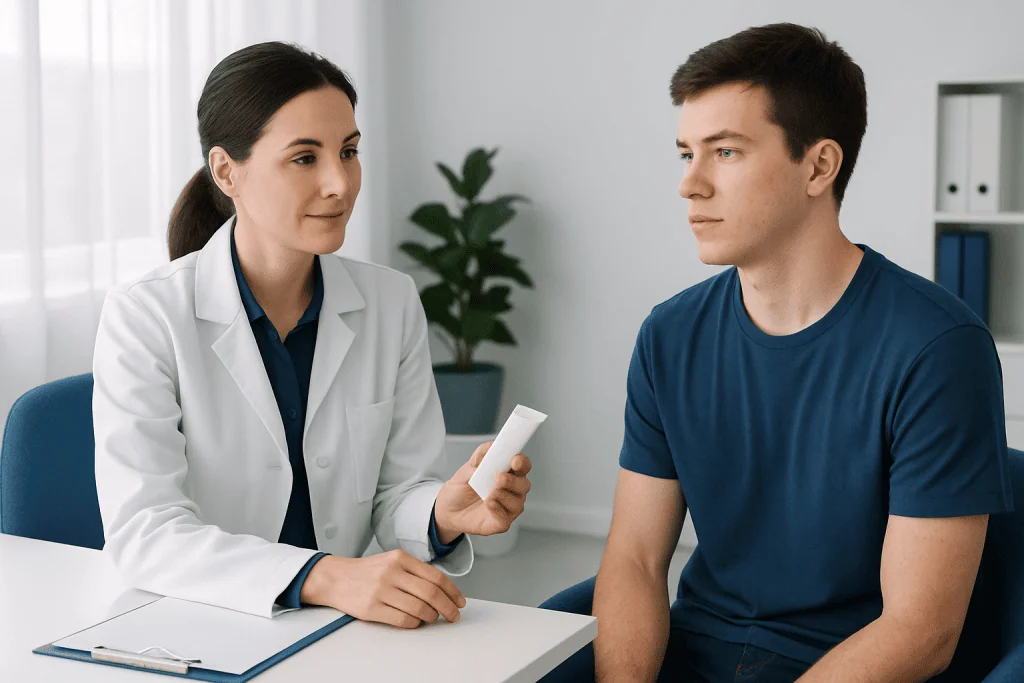
Topical treatment is often the first step for mild acne and is also commonly used alongside oral therapy for moderate disease. These products work in different ways. Some help unclog pores, some reduce bacteria, and some calm inflammation. Common options include benzoyl peroxide, topical retinoids, azelaic acid, salicylic acid, and topical antibiotics prescribed for limited use.
Topical retinoids are frequently used because they help prevent clogged pores and can improve both non-inflammatory and inflammatory acne. Benzoyl peroxide helps reduce acne-causing bacteria and may be paired with other medicines. Azelaic acid may be especially helpful for people who also develop dark marks after breakouts, while salicylic acid can support gentle exfoliation.
These treatments can cause dryness, peeling, redness, or temporary irritation, especially during the first few weeks. Using a gentle cleanser, a non-comedogenic moisturizer, and sunscreen can make treatment easier to tolerate. Results are gradual, and many people need several weeks to notice clearer skin.
Topical treatment is usually most effective when used consistently and exactly as directed. Applying more than recommended does not make acne clear faster and may worsen irritation. If the skin becomes very uncomfortable or the acne is not improving, a dermatologist can adjust the plan and rule out conditions such as rosacea that may look similar to acne.
Oral medicines for more widespread or inflamed acne
Oral treatment may be recommended when acne is moderate to severe, affects large areas such as the chest or back, or has not responded enough to topical care alone. These medicines work from within the body and are typically used together with a skin-care routine and selected topical treatments.
Oral antibiotics can reduce inflammation and the growth of acne-related bacteria. They are usually prescribed for a limited period and are not meant to be used alone long term. To help reduce antibiotic resistance, they are often combined with topical benzoyl peroxide or a retinoid. Another option for some women is hormonal therapy, such as certain combined oral contraceptives or medicines that reduce the effect of androgens on oil glands.
For severe, scarring, or treatment-resistant acne, isotretinoin may be considered under close medical supervision. This medicine can be highly effective, but it requires careful monitoring because it can cause important side effects and is not safe during pregnancy. Doctors usually discuss its benefits, precautions, and follow-up needs in detail before starting treatment.
Because oral medicines can interact with other conditions and prescriptions, it is important to review the full medical history with a clinician. A tailored plan may also involve specialist care through dermatology evaluation and treatment when acne is persistent, extensive, or leaving scars.
Procedure-based care for acne and acne marks
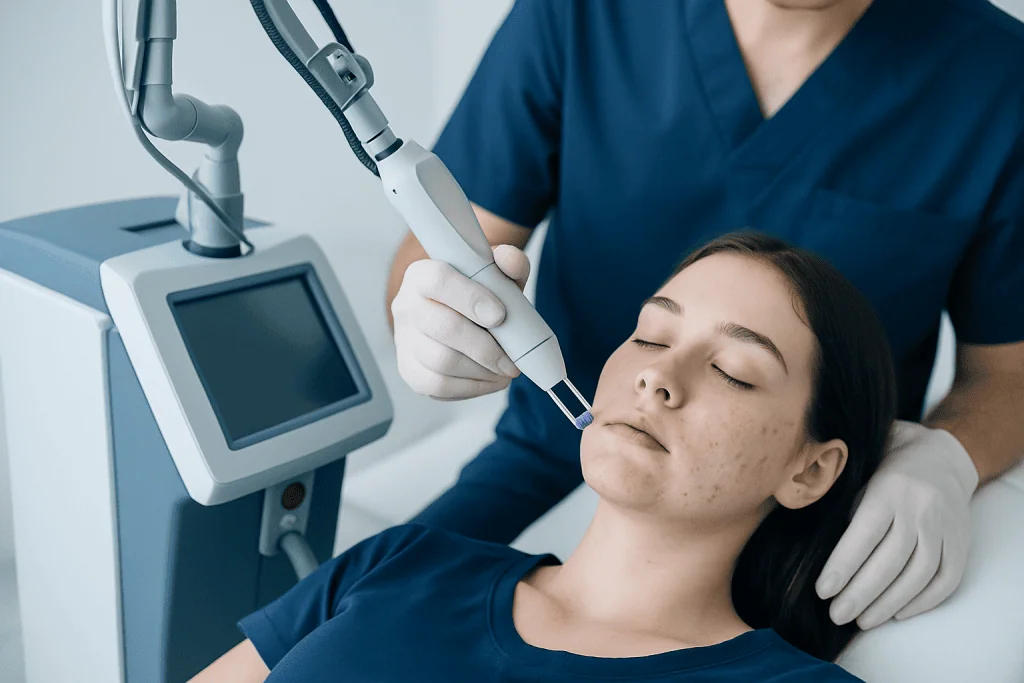
In-office procedures can help when acne is stubborn, when fast control of large inflamed lesions is needed, or when acne has left marks and scars. Procedures are usually added to, rather than replacing, medical treatment. The right choice depends on whether the main concern is active acne, pigmentation, texture change, or deeper scarring.
For active acne, doctors may use comedone extraction, chemical peels, light-based treatments, or injections into large inflamed cysts in selected cases. Chemical peels can support exfoliation and may improve clogged pores and some post-acne discoloration. Light and laser approaches may be considered for certain patients, although results vary and more than one session is often needed.
When scars are present, treatments may include microneedling, subcision, laser resurfacing, or other scar-focused procedures. These approaches aim to improve skin texture rather than treat the underlying cause of acne itself. Patients considering scar treatment may also discuss options related to skin rejuvenation procedures if the goal is smoother, more even-looking skin after breakouts have settled.
Procedure-based care should be chosen carefully for different skin tones and skin sensitivities, because some methods carry a risk of irritation or pigment change. A specialist can explain expected benefits, recovery time, and whether a procedure is best performed only after active acne is under better control.
Building a daily skin-care routine during treatment
A simple routine can support medical treatment and reduce unnecessary irritation. In general, gentle cleansing twice a day is enough. Harsh scrubs, frequent washing, and alcohol-based products can damage the skin barrier and make redness and dryness worse.
Moisturizer is often important even for oily or acne-prone skin. A lightweight, non-comedogenic product can help the skin tolerate acne medicines better. Daily sunscreen also matters, especially when using retinoids, acids, or procedures that make skin more sun-sensitive. Sunscreen can also help prevent dark marks from becoming more noticeable.
Cosmetics and skin-care products labeled non-comedogenic are less likely to block pores. It also helps to avoid picking or squeezing spots, which can increase inflammation and scarring. Washing makeup brushes regularly, removing makeup before sleep, and keeping hair products away from the face may reduce extra irritation.
If acne affects the face and body, the routine may need to be adjusted for different areas. Body acne can sometimes benefit from washes designed for acne-prone skin, while the face may need a milder approach. If breakouts are linked to shaving, sports equipment, or friction, a dermatologist can suggest practical ways to reduce triggers.
How doctors choose the best treatment plan
There is no universal best treatment, because acne behaves differently from person to person. A doctor usually matches treatment intensity to the severity of the acne. Mild comedonal acne may improve with a topical retinoid or benzoyl peroxide-based plan, while inflammatory or widespread acne may need a combination of topical and oral treatment.
Skin tone and the tendency to develop hyperpigmentation are also important. In some people, the dark marks left after acne can be as troubling as the spots themselves. In those cases, treatment may include ingredients that help with both acne and discoloration, and procedures are selected with extra care. Doctors also consider whether the person has sensitive skin, eczema, or another skin condition such as eczema that may affect tolerance.
Pregnancy, breastfeeding, and family planning play a major role in treatment choice because some acne medicines should be avoided. Age, mental well-being, and the impact of acne on school, work, or social confidence are also part of decision-making. Follow-up visits help the clinician check progress, manage side effects, and adjust treatment when needed.
Near the end of the care journey, some people may also want advice on acne scar management, pigment changes, or ongoing maintenance to prevent relapse. Acibadem International’s multidisciplinary specialists in JCI-accredited hospitals diagnose and treat acne and related skin concerns for international patients, with treatment plans tailored to individual needs.
When to see a doctor
It is sensible to seek medical advice if acne is painful, deep, widespread, leaving scars, or not improving after a reasonable trial of over-the-counter care. Medical help is also important when acne starts suddenly, is associated with other symptoms, or may be linked to medications or hormonal changes.
A doctor should also be consulted if breakouts are affecting self-esteem, mood, or daily activities. Acne can have a real emotional impact, and support is part of treatment. Teenagers and adults alike may benefit from a structured plan that reduces trial and error.
Urgent evaluation is appropriate if there is severe redness, swelling, signs of infection, or a significant reaction to a treatment product or medicine. A dermatologist can confirm the diagnosis, rule out look-alike conditions, and create a plan that balances effectiveness, safety, and the person’s comfort.
Frequently asked questions
What is the best treatment for acne?
The best treatment depends on the type and severity of acne, as well as skin sensitivity and the risk of scarring. Many people do best with a combination of treatments rather than a single product. A dermatologist can help choose the safest and most effective plan.
How long does acne treatment take to work?
Most acne treatments need time, and improvement is usually gradual rather than immediate. Many people need several weeks of regular use before they notice clearer skin. It is important not to stop too early unless a doctor advises it.
Can acne be treated without prescription medicine?
Mild acne may improve with over-the-counter products such as benzoyl peroxide or salicylic acid, along with gentle skin care. However, persistent, inflamed, painful, or scarring acne often needs prescription treatment. If self-care is not helping, medical advice is a good next step.
Do oral acne medicines work better than topical treatments?
Not necessarily. Topical treatments are often very effective for mild acne, while oral medicines are usually used for more widespread, inflamed, or resistant acne. The choice depends on the individual case, and both types are often used together.
Can acne treatments help prevent scars?
Yes. Early and effective treatment can reduce ongoing inflammation and lower the chance of permanent scarring. Avoiding picking and getting help for deep or painful acne can also make a big difference.
Are acne procedures painful or risky?
Some procedures can cause temporary discomfort, redness, or peeling, but many are well tolerated when performed by trained professionals. Risks depend on the procedure, skin type, and aftercare. A specialist can explain whether a treatment is appropriate and what recovery to expect.
References
- American Academy of Dermatology
- National Institute for Health and Care Excellence
- National Health Service
- Mayo Clinic
- British Association of Dermatologists
This article is for general information only and is not a substitute for professional medical advice. Please consult a qualified doctor about your individual situation.
Acne in Turkey — costs, top hospitals & a free quote
JCI-accredited · board-certified surgeons · reply within 24h
Add us as a Preferred Source to see more of our trusted health content across Google Search, AI Overviews and Discover.