After Surgery Can’T Pee: Procedure, Recovery and Results

Postoperative urinary retention means the bladder is unable to empty normally after an operation. It is commonly temporary, but a painful or increasingly full lower abdomen needs prompt medical assessment.
Key Takeaways
- Postoperative urinary retention means the bladder is unable to empty normally after an operation.
- It is commonly temporary, but a painful or increasingly full lower abdomen needs prompt medical assessment.
- Anesthesia, opioid pain medicines, pelvic procedures, enlarged prostate and nerve conditions can increase risk.
- Care may include monitoring, a bladder scan, medication review and short-term catheter drainage when needed.
- People should not force urine flow or use unprescribed medicines; the surgical team can advise on safe next steps.
When someone cannot urinate after surgery, it is often a temporary problem called postoperative urinary retention. Anesthesia, pain medicines, intravenous fluids and the effects of the operation can temporarily interfere with bladder emptying, and prompt assessment helps prevent uncomfortable bladder overfilling.
Overview: why someone may not pee after surgery
If a person is asking, “after surgery can’t pee,” the most likely explanation is postoperative urinary retention. This means urine is collecting in the bladder but the bladder does not empty fully or at all. It can happen soon after anesthesia or later during recovery, and it is usually treatable.
Urination relies on coordinated signals between the brain, nerves, bladder muscle and urinary sphincter. Surgery can temporarily disrupt this coordination. General or spinal anesthesia may reduce bladder sensation and contraction, while pain, immobility, privacy concerns and some medicines can make starting a urine stream more difficult.
Some people instead notice frequent urination or larger urine volumes after surgery. “After surgery peeing a lot” may occur as intravenous fluids are cleared, particularly once anesthesia wears off. Frequent urination is different from retention, although a person with retention may sometimes pass only small amounts while the bladder remains partly full.
How long does difficulty urinating last after surgery?

For many people, difficulty urinating lasts only until the effects of anesthesia, pain control and surgery begin to wear off—often hours rather than days. The exact timing depends on the type of operation, whether spinal or general anesthesia was used, the amount of fluid received and an individual’s bladder health before surgery.
After outpatient surgery, the recovery team generally confirms that a patient is comfortable and able to urinate when appropriate for the procedure and clinical situation. Following some operations, especially pelvic, urologic, colorectal or major abdominal surgery, a temporary catheter may be planned and removed later as part of recovery.
Symptoms that persist, recur after initial improvement or occur with a growing sense of bladder fullness require clinical review. Longer-lasting retention can occasionally reflect swelling near the urinary tract, constipation, infection, a medication effect or an underlying condition such as prostate enlargement or a nerve-related bladder problem.
What happens when you can't pee after surgery?
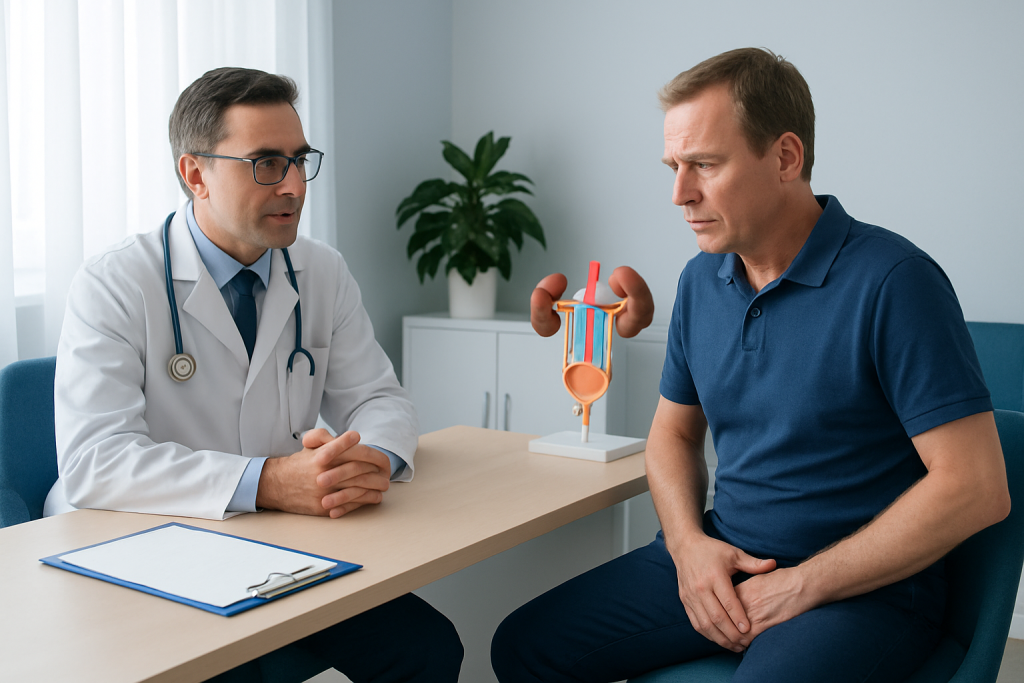
When the bladder continues filling without emptying, it can become stretched and painful. A person may feel pressure or swelling in the lower abdomen, a strong urge to urinate without success, restlessness, nausea or only a weak, intermittent stream. Some people, particularly older adults or those with reduced bladder sensation, may have fewer obvious symptoms.
Hospital teams commonly assess the situation with an examination and a portable ultrasound device called a bladder scan. This painless test estimates how much urine is in the bladder after an attempt to void. It helps distinguish true retention from low urine production, which can occur with dehydration, blood loss or certain medical conditions.
If significant urine is retained, the clinician may recommend draining the bladder with a catheter. This relieves pressure and protects bladder function. Depending on the situation, the catheter may be removed soon afterward for another voiding attempt, or it may remain temporarily while the underlying contributors resolve.
Causes, risk factors and who may need closer monitoring
Postoperative urinary retention can affect people of any sex and age, but the likelihood varies by surgery and health history. Procedures involving the pelvis, lower abdomen, hip, spine or urinary tract may have a higher risk because of local swelling, pain, positioning or effects on nearby nerves. Spinal anesthesia can also temporarily reduce the ability to sense bladder filling and initiate urination.
Risk factors include a history of urinary retention, urinary symptoms before surgery, an enlarged prostate, pelvic organ prolapse, constipation, diabetes-related nerve changes, neurologic conditions and limited mobility. Opioid pain relievers, some medicines for nausea or allergies, and other drugs with anticholinergic effects can contribute by reducing bladder contraction or tightening the outlet.
Preoperative assessment is useful because patients can tell the anesthetic and surgical team about past difficulty urinating after anesthesia, current urinary symptoms and medicines they use. This allows individualized monitoring and may help the team select pain-management and recovery strategies that support bladder function.
- Older age and pre-existing urinary symptoms may increase risk.
- Longer operations and larger volumes of intravenous fluid can contribute.
- Constipation can place pressure on the bladder outlet and worsen emptying.
- Temporary catheters may be part of the planned care for selected procedures.
What to do if you cannot pee after surgery?
A person who cannot urinate after surgery should tell the nurse, surgeon, anesthesiologist or recovery team promptly rather than waiting for severe discomfort. The team can check vital signs, review fluids and medicines, assess the abdomen and use a bladder scan if needed. If the person has already gone home, they should follow the postoperative contact instructions or seek urgent medical advice.
While waiting for guidance, safe measures may include sitting or standing in the usual comfortable position, allowing privacy and adequate time, and taking a short walk only if the care team has said this is safe. Running water or placing hands in warm water may help some people relax, but these measures should not delay medical assessment when there is pain, marked fullness or prolonged inability to urinate.
It is important not to strain forcefully, press hard on the lower abdomen, drink excessive amounts of water at once or take someone else’s medication to “open” urine flow. These actions may be ineffective or unsafe. Clinicians may adjust contributing medicines, treat constipation, monitor bladder emptying or use catheterization when appropriate.
How can I stimulate my urine after surgery?
Gentle relaxation and normal recovery measures can sometimes help restore a urine stream after surgery. A calm, private environment, unhurried time on the toilet, a comfortable position and light walking—when permitted—may support the normal urge to urinate. Keeping pain reasonably controlled can also help, because severe pain may make pelvic-floor muscles tense.
Drinking fluids should follow the surgical team’s instructions. Small, regular amounts are generally preferable to rapidly drinking large volumes in an attempt to force urination. People recovering from heart, kidney or major surgical conditions may have individualized fluid limits, so they should not change intake without advice.
A warm shower or warm water running nearby may be soothing for some people, but it is not a treatment for a distended bladder. If there is no urine output despite a strong urge, worsening lower abdominal pain, dizziness, vomiting or a swollen abdomen, the appropriate next step is urgent clinical assessment rather than further home remedies.
How to unblock urine flow? Treatment, recovery and results
There is no safe do-it-yourself method to unblock urine flow after surgery. The right treatment depends on the cause. Clinicians first confirm whether the bladder is full, then consider factors such as anesthesia, medicines, constipation, swelling and pre-existing urinary obstruction. A bladder scan, urine testing or blood tests may be used in selected cases.
If retention is confirmed, intermittent catheterization or a temporary indwelling urinary catheter can drain the bladder. This is a common, short procedure performed using clean or sterile technique. The care team may then plan a trial of urination after the catheter is removed. In some cases, a clinician may prescribe medication targeted to the likely cause, but this is individualized and should not be started without assessment.
Most people regain usual bladder emptying as the immediate effects of surgery resolve. Follow-up is particularly important when retention continues, when a catheter is needed after discharge or when a person had urinary symptoms before surgery. A urology assessment may be advised to evaluate issues such as obstruction, bladder muscle function or nerve-related causes.
Acibadem International’s multidisciplinary specialists and JCI-accredited hospitals can assess postoperative urinary concerns and coordinate surgical, anesthesia and urology care for international patients.
When to seek medical care
Medical care is needed promptly if a person cannot pass urine after surgery and has a painful, tight or visibly swollen lower abdomen, or a strong urge to urinate without relief. The surgical team should also be contacted for a very weak stream, repeated small voids with ongoing fullness, new leakage with inability to empty, or symptoms that do not improve as expected.
Emergency assessment is especially important for severe abdominal or back pain, fever or chills, confusion, fainting, vomiting, blood in the urine, new leg weakness or numbness, or difficulty breathing. These symptoms may indicate a problem beyond routine temporary retention and should not be managed at home.
Patients should keep their discharge instructions available, including the surgical unit’s contact number and directions about catheter care if a catheter has been sent home with them. Bringing a list of current medicines and noting the time of the last urination can help clinicians assess the problem efficiently.
Frequently asked questions
Is it normal to be unable to urinate after anesthesia?
Temporary difficulty urinating can occur after general or spinal anesthesia because the bladder and nerves may take time to resume normal coordination. It should still be reported to the recovery team, particularly if there is bladder pressure or pain. A simple bladder assessment can determine whether treatment is needed.
After surgery, can’t urinate but have no pain—should this be checked?
Yes. Some people have reduced bladder sensation and may not feel marked discomfort even when the bladder is retaining a substantial amount of urine. The surgical team can advise whether a bladder scan or other assessment is appropriate.
Can opioids cause urinary retention after surgery?
Yes. Opioid pain medicines can reduce bladder muscle contraction and make the urinary outlet less likely to relax. A clinician may review pain-control options if urinary retention develops, but patients should not stop prescribed medicines without medical advice.
After surgery, do you pee a lot because of anesthesia?
Some people urinate more as the body clears intravenous fluids after surgery. This is often temporary. However, frequent small amounts of urine with persistent bladder pressure can indicate incomplete emptying and should be discussed with a clinician.
Will a urinary catheter be painful?
Catheter insertion can be uncomfortable, but it is usually brief and is performed to relieve a full bladder safely. Patients may notice temporary irritation afterward. Ongoing pain, fever, leaking around the catheter or trouble draining should be reported to the healthcare team.
Can constipation make it harder to pee after surgery?
Yes. Constipation can increase pressure in the pelvis and make bladder emptying more difficult. Following the postoperative plan for fluids, movement, diet and any prescribed bowel medicines may help, but inability to urinate still needs timely assessment.
References
- National Institute of Diabetes and Digestive and Kidney Diseases
- American Urological Association
- National Health Service
- Merck Manual Consumer Version
This article is for general information only and is not a substitute for professional medical advice. Please consult a qualified doctor about your individual situation.
Explore treatments in Turkey — costs, top hospitals & a free quote
JCI-accredited · board-certified surgeons · reply within 24h
Add us as a Preferred Source to see more of our trusted health content across Google Search, AI Overviews and Discover.