

Alcohol Withdrawal: An Evidence-Based Guide for Patients

Alcohol withdrawal can start within hours after the last drink and may become severe quickly. Common symptoms include tremor, sweating, anxiety, nausea, poor sleep, and a fast heartbeat.
Key Takeaways
- Alcohol withdrawal can start within hours after the last drink and may become severe quickly.
- Common symptoms include tremor, sweating, anxiety, nausea, poor sleep, and a fast heartbeat.
- Severe alcohol withdrawal can cause seizures or delirium tremens and needs urgent medical care.
- Treatment may include monitoring, fluids, vitamins, and medicines to reduce complications.
- People with past severe withdrawal, older age, liver disease, or other medical problems need closer supervision.
Alcohol withdrawal is a group of physical and mental symptoms that can begin when a person who drinks heavily or regularly suddenly stops or sharply reduces alcohol use. It can range from mild discomfort to a medical emergency, so early assessment is important, especially for anyone with severe symptoms or a history of complicated withdrawal.
Overview: what alcohol withdrawal means
Alcohol withdrawal happens when the brain and body react to the sudden absence of alcohol after a period of frequent or heavy drinking. Alcohol slows certain brain signals; over time, the nervous system adapts to that effect. When alcohol is removed too quickly, the body may become overactive, leading to symptoms that can affect sleep, mood, heartbeat, digestion, and thinking.
The condition does not look the same in every person. Some people have mild symptoms such as shakiness, sweating, anxiety, or nausea, while others develop confusion, hallucinations, seizures, or a dangerous state called delirium tremens. Because severity is hard to predict without medical assessment, withdrawal should not be dismissed as simply a “hangover” or expected discomfort.
Alcohol withdrawal is especially important to recognize in people who drink daily, binge repeatedly, or have previously had withdrawal symptoms after stopping. It may occur on its own or alongside other alcohol-related problems, including dehydration, nutritional deficiency, liver disease, or alcohol use disorder. Safe care focuses not only on easing symptoms, but also on preventing complications and supporting long-term recovery.
Symptoms and the usual timeline

Symptoms often begin within 6 to 24 hours after the last drink, although timing varies by the amount of alcohol used, how long the person has been drinking, their overall health, and whether other substances are involved. Early symptoms may include tremor, sweating, anxiety, irritability, headache, nausea, vomiting, poor appetite, trouble sleeping, and a rapid pulse. Some people also feel restless, shaky, or unusually sensitive to light and sound.
In the next 24 to 72 hours, symptoms can intensify. Confusion, rising blood pressure, fever, vivid dreams, or hallucinations may appear in some cases. Seizures can occur, sometimes without much warning, which is one reason medical supervision matters for anyone at moderate or high risk.
Delirium tremens is the most severe form of alcohol withdrawal and usually develops within 48 to 96 hours, though it can happen later. It may cause severe agitation, disorientation, heavy sweating, hallucinations, tremor, and unstable vital signs. This is a medical emergency that needs immediate treatment.
- Mild withdrawal: shakiness, sweating, anxiety, nausea, insomnia
- Moderate withdrawal: worsening tremor, high pulse, high blood pressure, marked restlessness
- Severe withdrawal: hallucinations, seizures, confusion, delirium tremens
Why it happens and who is at higher risk
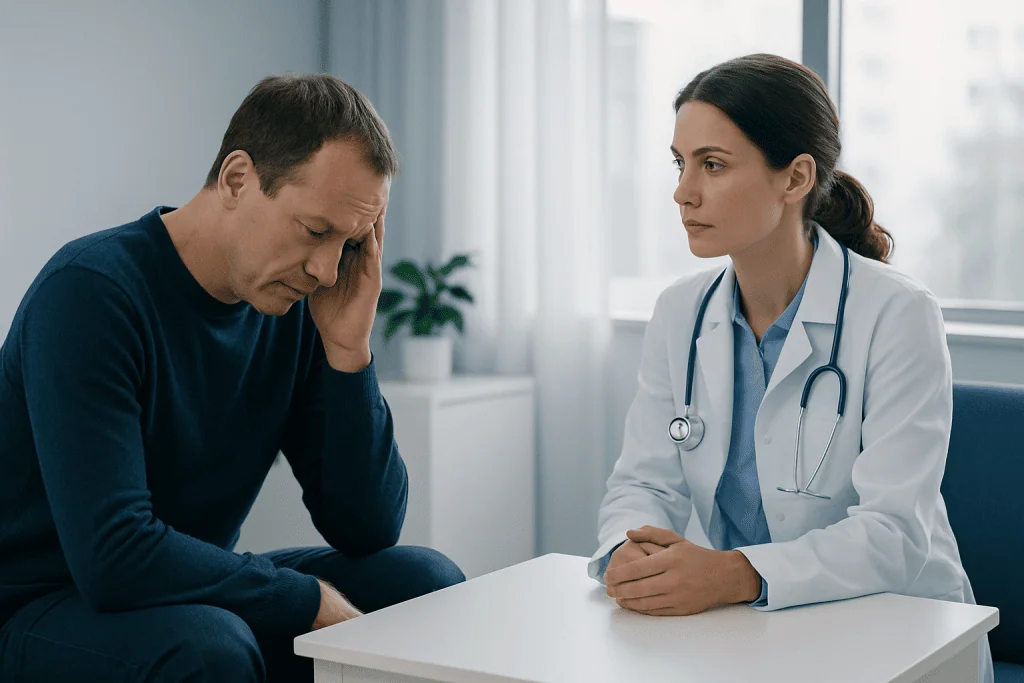
Alcohol affects chemical messengers in the brain, including systems involved in calmness and alertness. With repeated exposure, the brain adjusts to alcohol’s depressant effect. When drinking stops, those balancing changes remain for a time, making the nervous system overreact. That overactivity is what produces many withdrawal symptoms.
The risk of withdrawal is higher in people who drink heavily or regularly over weeks, months, or years. It can also occur after periods of binge drinking, especially if there have been past episodes of withdrawal. A person does not have to fit a stereotype of alcoholism to be at risk; the pattern and amount of alcohol use matter more than labels.
Several factors raise the chance of complicated withdrawal. These include prior seizures or delirium tremens, older age, dehydration, poor nutrition, liver disease, infection, heart disease, use of sedatives or opioids, and certain mental health conditions. Pregnancy and serious underlying illness also make professional evaluation especially important.
How alcohol withdrawal is diagnosed
Diagnosis begins with a medical history and physical examination. Clinicians ask about the amount and pattern of alcohol use, the time of the last drink, previous withdrawal episodes, current symptoms, medicines, and other substance use. They also look for signs such as tremor, sweating, agitation, changes in blood pressure or pulse, and problems with orientation or memory.
Assessment often includes blood tests to check electrolytes, blood sugar, liver function, hydration, and possible infection or other illness. In some people, an electrocardiogram or brain imaging may be needed if symptoms are atypical, severe, or could be caused by another condition. This helps distinguish withdrawal from problems such as low blood sugar, head injury, stroke, medication effects, or infection.
Clinicians may use structured scoring tools to estimate withdrawal severity and guide monitoring. These tools support care, but they do not replace clinical judgment. If symptoms are significant, if there is a history of severe withdrawal, or if there are medical or psychiatric concerns, hospital-based observation may be safer than trying to manage the process at home.
Treatment options and what care may involve
Treatment depends on severity and the person’s overall health. Mild cases may sometimes be managed with close outpatient follow-up, hydration, rest, and a clear safety plan, but only after a clinician decides this is appropriate. Moderate to severe withdrawal usually requires monitored medical care because symptoms can escalate quickly.
Medicines are often used to calm the overactive nervous system and reduce the risk of seizures and delirium tremens. Supportive care may include intravenous fluids when needed, correction of electrolyte problems, and vitamins such as thiamine to lower the risk of alcohol-related brain injury. If hallucinations, severe agitation, fever, or unstable vital signs occur, treatment is stepped up and continuous observation may be necessary.
Once the immediate withdrawal phase is controlled, the next step is addressing the underlying alcohol use problem. This may include counseling, relapse-prevention planning, and referral for structured alcohol addiction treatment. In selected cases, support from psychiatry and nutritional rehabilitation can be helpful, especially when anxiety, depression, sleep problems, or malnutrition are present. If complications affect the liver or other organs, additional specialty assessment may be advised.
For international patients who need coordinated evaluation, Acibadem International’s multidisciplinary specialists in JCI-accredited hospitals diagnose and treat alcohol withdrawal and related conditions with individualized care planning.
Self-care, recovery, and preventing another episode
Self-care during or after withdrawal should focus on safety, not on “toughing it out.” A person should avoid driving, operating machinery, or staying alone if symptoms are emerging. Alcohol should not be restarted as a way to control withdrawal, and sedatives or sleeping pills should not be taken unless prescribed by a clinician who understands the alcohol history.
Recovery is more stable when medical treatment is followed by longer-term support. This can include therapy, peer support groups, family involvement, treatment of coexisting anxiety or depression, and practical planning for sleep, meals, hydration, and triggers. Good nutrition matters because long-term alcohol use can lead to vitamin deficiency and poor appetite.
Preventing another withdrawal episode usually means treating the underlying pattern of alcohol dependence rather than repeatedly stopping and restarting drinking on one’s own. A doctor may discuss supervised detox, medicines that support abstinence or reduced drinking, and ongoing follow-up. If the liver, pancreas, nerves, or memory have been affected, evaluation for related conditions such as cirrhosis may be appropriate.
When to seek medical care
Medical advice should be sought before attempting to stop alcohol if a person drinks heavily, has had withdrawal before, or has other major health conditions. This is especially important for older adults, pregnant people, and anyone taking sedative medicines or opioids. A planned medical review can help determine whether home monitoring is reasonable or whether supervised care is safer.
Urgent medical care is needed if there is confusion, hallucinations, a seizure, chest pain, severe vomiting, fainting, trouble breathing, very high fever, or signs of dehydration. Rapid heartbeat, severe shaking, inability to keep fluids down, or worsening agitation are also reasons to seek emergency help. These symptoms can indicate severe withdrawal or another serious illness.
Even when symptoms seem mild at first, they can progress over the next day or two. A qualified clinician can decide whether monitoring, laboratory tests, or hospital treatment are needed. In some situations, referral to intensive care may be necessary for close observation and management of severe complications.
Frequently asked questions
How long does alcohol withdrawal last?
Alcohol withdrawal often begins within 6 to 24 hours after the last drink. Mild symptoms may improve within a few days, but some people have more severe symptoms over 48 to 96 hours, and sleep or mood changes can last longer.
Can alcohol withdrawal be dangerous?
Yes. While some cases are mild, alcohol withdrawal can lead to seizures, hallucinations, or delirium tremens, which is a medical emergency. Risk is higher in people with past severe withdrawal, long-term heavy drinking, or significant medical problems.
Is it safe to detox from alcohol at home?
Home detox is not safe for everyone. A clinician should assess the person first, because symptoms can worsen quickly and may become life-threatening. People with prior seizures, confusion, serious illness, pregnancy, or daily heavy drinking usually need supervised care.
What is delirium tremens?
Delirium tremens is the most severe form of alcohol withdrawal. It can cause confusion, agitation, hallucinations, sweating, tremor, and unstable blood pressure or pulse, and it requires urgent hospital treatment.
What treatments are used for alcohol withdrawal?
Treatment may include monitoring, fluids, vitamins such as thiamine, and medicines that reduce overactivity in the nervous system. The exact plan depends on symptom severity, previous withdrawal history, and other health conditions.
Will stopping alcohol improve health even after withdrawal?
In many people, yes. After the acute withdrawal period, stopping alcohol can improve sleep, blood pressure, liver health, nutrition, mood, and overall wellbeing. Ongoing support is important because relapse risk is common without follow-up care.
References
- National Institute on Alcohol Abuse and Alcoholism
- Substance Abuse and Mental Health Services Administration
- Centers for Disease Control and Prevention
- World Health Organization
- American Society of Addiction Medicine
This article is for general information only and is not a substitute for professional medical advice. Please consult a qualified doctor about your individual situation.
Explore treatments in Turkey — costs, top hospitals & a free quote
JCI-accredited · board-certified surgeons · reply within 24h
Add us as a Preferred Source to see more of our trusted health content across Google Search, AI Overviews and Discover.
Check your numbers in seconds
BMI, calories, due date, blood pressure and 30+ more clinical calculators — free, instant, doctor-reviewed ranges.

More from the Health Library



Related Specialists

Prof. Dr. Ahmet Karabulut
Cardiology
Dr. Uğur Öner
Aesthetic Plastic & Reconstructive Surgery
Assoc. Prof. Dr. Emel Ur Özçelik
Neurology
Dr. Ekin Pasinlioğlu
Pediatrics