

Alien Hand Syndrome: Diagnosis, Outlook, and Modern Treatment Approaches

Alien hand syndrome causes involuntary, purposeful-looking movements of one hand or arm. It is usually linked to a neurological event such as stroke, brain injury, neurodegenerative disease, or brain surgery.
Key Takeaways
- Alien hand syndrome causes involuntary, purposeful-looking movements of one hand or arm.
- It is usually linked to a neurological event such as stroke, brain injury, neurodegenerative disease, or brain surgery.
- Diagnosis is clinical and supported by brain imaging and neurological assessment.
- Treatment targets the underlying cause and may include rehabilitation, behavioral strategies, and symptom management.
- Many people benefit from occupational therapy and practical techniques that reduce interference from the affected hand.
Alien hand syndrome is a rare neurological condition in which a person feels that one hand acts on its own, without normal voluntary control. Diagnosis focuses on identifying the brain disorder or injury causing the symptoms, and treatment aims to improve safety, function, and quality of life.
Overview: what alien hand syndrome means
Alien hand syndrome is a rare disorder in which one hand seems to move independently of a person’s intentions. The affected person usually recognizes the hand as their own, but experiences its actions as unwanted, difficult to control, or disconnected from normal intention. This can be confusing and distressing, especially when the hand interferes with everyday tasks.
The condition is not a problem of willpower or a psychiatric choice. It is most often related to injury or dysfunction in brain networks that coordinate movement, attention, intention, and awareness of one’s own actions. In other words, the hand is moving because the brain circuits that normally plan and suppress movement are no longer working together in the usual way.
Alien hand syndrome is considered a clinical sign rather than a disease by itself. It may appear after a stroke, neurosurgery, trauma, or in association with certain neurodegenerative conditions. Because the causes vary, doctors focus on identifying the underlying neurological problem and then building a treatment plan around safety, rehabilitation, and symptom control.
How symptoms can appear in daily life
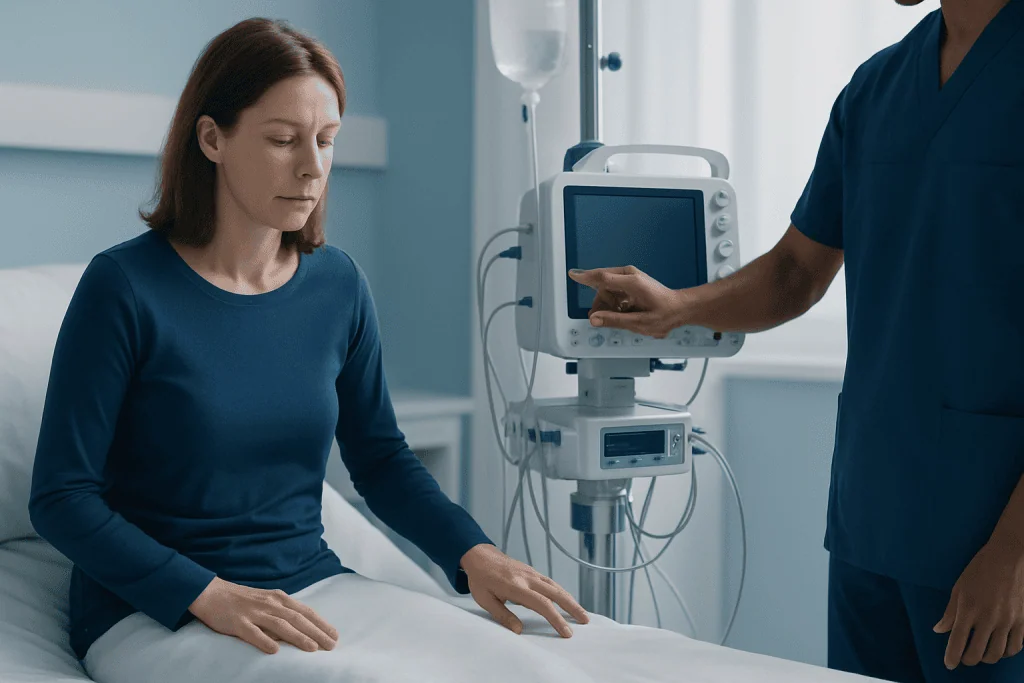
The most characteristic feature of alien hand syndrome is involuntary but purposeful-looking movement of one hand, and less often an arm. The hand may reach for objects, grasp clothing, touch the face, open drawers, or interfere with what the other hand is doing. Some people describe a feeling that the hand has “a mind of its own.” Others mainly notice that the hand does the opposite of what they intend.
Symptoms can differ depending on the part of the brain affected. In some people, the hand may grasp objects strongly and have trouble letting go. In others, the hand may drift, fidget, or perform competing actions, such as buttoning a shirt while the other hand unbuttons it. The episodes may be more noticeable during fatigue, stress, multitasking, or when the person is distracted.
Common experiences may include:
- Unwanted reaching, grasping, or touching
- Difficulty stopping the hand once it starts moving
- Interference with dressing, eating, reading, or household tasks
- A sense of estrangement from the hand’s actions
- Frustration, embarrassment, or anxiety related to loss of control
Although alien hand syndrome can be dramatic, it does not always mean constant movement. Some people have brief episodes, while others have symptoms that fluctuate over time. Careful observation of when symptoms occur can help the medical team understand the pattern and recommend practical coping strategies.
Causes and related neurological conditions

Alien hand syndrome usually develops when brain regions involved in motor planning, self-monitoring, and communication between the two hemispheres are damaged. Areas that may be involved include the corpus callosum, supplementary motor area, frontal lobe, or parietal regions. The exact symptoms often depend on which network is affected and how extensive the injury is.
One of the better-known causes is stroke, especially when it affects the frontal or callosal regions. Brain injury from trauma, tumors, inflammation, aneurysm treatment, or complications of neurosurgery can also lead to similar symptoms. In some patients, alien hand syndrome appears as part of a broader neurological disorder rather than as an isolated problem.
Conditions that may be associated with alien hand syndrome include stroke and neurodegenerative disorders such as corticobasal degeneration. Less commonly, it may occur with other diseases affecting higher brain function and movement control, including some forms of dementia or focal brain lesions. Because the symptom has several possible causes, a full neurological evaluation is important rather than assuming a single explanation.
Doctors also consider whether symptoms might be related to seizures, severe weakness with involuntary reflexes, medication effects, or other movement disorders. Distinguishing alien hand syndrome from these possibilities helps guide the right treatment and avoid unnecessary worry.
How doctors diagnose alien hand syndrome
Diagnosis begins with a detailed history and neurological examination. The doctor will ask when the involuntary movements began, how often they occur, whether the hand interferes with daily activities, and whether there has been a recent stroke, surgery, head injury, or gradual change in memory or movement. If possible, a caregiver’s observations can also be helpful.
There is no single lab test that confirms alien hand syndrome. Instead, the diagnosis is mainly based on the pattern of symptoms and the findings on examination. Neurologists look for signs that the hand is performing goal-directed actions outside the person’s voluntary control, while also checking for weakness, sensory loss, apraxia, neglect, or cognitive changes that may point to the underlying brain condition.
Brain imaging is often an important part of the workup. An MRI can show strokes, tumors, degenerative changes, or structural injury in the relevant brain regions. In urgent situations, CT imaging may be used first, especially if a recent stroke treatment pathway is being considered. Depending on the clinical picture, additional tests such as EEG, neuropsychological assessment, or vascular studies may be recommended.
Because alien hand syndrome is uncommon, assessment is often best handled by a multidisciplinary team. This may include neurologists, neuroradiologists, rehabilitation specialists, and occupational therapists who can evaluate not only the cause but also the practical effects on function and independence.
Modern treatment approaches and symptom management
Treatment for alien hand syndrome focuses first on the underlying cause. If symptoms began after a stroke, treatment centers on stroke recovery and prevention of another event. If a structural lesion, inflammation, or another brain disorder is responsible, care is directed toward that diagnosis. In some situations, doctors may recommend advanced neurological assessment or procedures such as interventional neuroradiology when this fits the identified cause.
There is no single medication that reliably cures alien hand syndrome itself. However, some patients improve as the brain recovers, while others benefit from symptom-focused treatment. Occupational therapy is often one of the most useful tools. Therapists may teach the person to keep the affected hand occupied with an object, use visual attention to improve control, modify tasks, or change the environment to reduce accidental grasping and interference.
Rehabilitation can also include strategies to retrain coordinated use of both hands, improve body awareness, and reduce frustration during daily activities. For people whose symptoms occur alongside broader movement or cognitive problems, management may overlap with care for disorders such as Parkinson’s disease and movement disorders. In selected cases, medications for associated symptoms such as spasticity, agitation, or severe involuntary movement may be considered, but these are individualized rather than standard.
If a neurodegenerative disease is present, treatment usually aims to maintain function, support communication, and plan for changing needs over time. Near the end of the care pathway, some patients may be evaluated in specialized neurology and rehabilitation settings; Acibadem International’s multidisciplinary specialists and JCI-accredited hospitals diagnose and treat complex neurological conditions for international patients.
Living with alien hand syndrome: self-care and safety
Daily management can make a meaningful difference, especially when involuntary movements interfere with dressing, eating, work, or sleep. Many people find that symptoms are easier to handle when tasks are simplified and the affected hand is given a structured role. For example, holding a soft object, towel, or cushion may reduce unwanted reaching or grasping during periods of rest or conversation.
Environmental changes can improve safety and confidence. Sharp tools, hot cookware, and unstable objects should be handled with extra care if the hand tends to grab unexpectedly. Loose sleeves, cluttered surfaces, and overstimulating settings may increase accidental interference for some people. Family members can help by supporting routines rather than constantly restraining the hand, which may increase distress.
Helpful practical measures may include:
- Using both hands in guided, intentional tasks
- Keeping the affected hand occupied during passive activities
- Reducing multitasking when symptoms are active
- Working with an occupational therapist on adaptive techniques
- Tracking triggers such as fatigue, stress, or distraction
Emotional support matters too. Even when alien hand syndrome is neurologically based, the experience can feel unsettling. Clear explanation from the care team, reassurance that the symptoms have a brain-based cause, and support from family or counseling services can reduce fear and help the person adapt more successfully.
When to seek medical care
New involuntary hand movements should be evaluated by a doctor, especially if they begin suddenly or are accompanied by weakness, numbness, facial drooping, trouble speaking, confusion, or changes in vision or balance. These symptoms may suggest a medical emergency such as stroke and should be assessed without delay. Rapid evaluation is important because some causes need urgent treatment.
Medical review is also important if the movements are getting worse, interfering with daily life, or occurring alongside memory changes, personality changes, tremor, stiffness, or repeated falls. A neurologist can help determine whether the cause is a focal brain injury, a seizure-related event, or a progressive neurological disorder.
Even when the condition is not an emergency, early assessment can improve quality of life. A clear diagnosis often leads to better rehabilitation planning, practical coping strategies, and support for both the patient and family.
Frequently asked questions
Is alien hand syndrome a real neurological condition?
Yes. Alien hand syndrome is a recognized neurological condition in which one hand performs involuntary actions that feel outside the person’s control. It is usually caused by damage to brain networks involved in movement and awareness.
Does alien hand syndrome mean a person has a psychiatric illness?
Not usually. Although the experience can be emotionally upsetting, alien hand syndrome is generally linked to a neurological problem such as stroke, brain injury, surgery, or neurodegenerative disease. Doctors still assess the whole person carefully, but the core issue is typically brain-based rather than psychiatric.
Can alien hand syndrome go away?
Sometimes it improves, especially if it follows an acute event such as stroke or surgery and the brain recovers over time. In other cases, symptoms may persist or fluctuate, particularly when related to progressive neurological disease. Rehabilitation and practical strategies can still help even when symptoms do not fully resolve.
How is alien hand syndrome different from a tremor or seizure?
Alien hand syndrome usually causes purposeful-looking movements such as reaching, grasping, or interfering with the other hand’s actions. Tremor is typically rhythmic shaking, while seizures often have different patterns and may involve altered awareness or electrical changes on EEG. A neurological examination helps distinguish among these conditions.
What kind of doctor treats alien hand syndrome?
A neurologist usually leads the evaluation and treatment. Depending on the cause, care may also involve stroke specialists, neuroradiologists, neurosurgeons, physiatrists, and occupational therapists. Multidisciplinary care is often helpful because both diagnosis and daily function need attention.
Are there exercises or therapies that help?
Yes, many people benefit from occupational therapy and rehabilitation strategies. These may include keeping the affected hand occupied, using visual cues, practicing structured two-handed activities, and making home or workplace adjustments. The best approach depends on the underlying cause and the specific movement pattern.
References
- National Institute of Neurological Disorders and Stroke
- National Institute on Aging
- American Stroke Association
- Merck Manual Professional Edition
- Mayo Clinic
This article is for general information only and is not a substitute for professional medical advice. Please consult a qualified doctor about your individual situation.
Explore treatments in Turkey — costs, top hospitals & a free quote
JCI-accredited · board-certified surgeons · reply within 24h
Add us as a Preferred Source to see more of our trusted health content across Google Search, AI Overviews and Discover.

More from the Health Library



Related Specialists
Assoc. Prof. Dr. Mehmet Özgür Akkurt
Gynecology & Obstetrics
Dr. Kutluhan Demirarslan
Inpatient Clinic Physicians Clinical Service
Assoc. Prof. Dr. Çağrı Örs
Orthopedic Surgery & Traumatology
Dr. Muhammet Mustafa Yıldız
Emergency Service