Allergens: A Complete Medical Overview

Allergens are substances that can trigger an immune reaction in sensitive individuals. Common allergens include pollen, dust mites, pet dander, foods, insect venom, mold, and some medicines.
Key Takeaways
- Allergens are substances that can trigger an immune reaction in sensitive individuals.
- Common allergens include pollen, dust mites, pet dander, foods, insect venom, mold, and some medicines.
- Symptoms vary widely, from mild nasal congestion or itching to asthma flare-ups or anaphylaxis.
- Diagnosis often combines a medical history with skin or blood allergy testing.
- Treatment may include trigger avoidance, medicines, and in selected cases allergy immunotherapy.
- Urgent medical care is needed for breathing difficulty, throat swelling, fainting, or other signs of anaphylaxis.
Allergens are usually harmless substances that the immune system mistakenly treats as a threat in some people. They can trigger allergic reactions affecting the nose, lungs, skin, gut, or whole body, and identifying the trigger is the first step toward prevention and treatment.
Overview: What Allergens Are
Allergens are substances that can trigger an allergic reaction when a sensitive person breathes them in, eats them, touches them, or is exposed in another way. In most people these substances are harmless, but in someone with allergies, the immune system identifies them as a threat and responds too strongly.
This reaction often involves antibodies called immunoglobulin E (IgE), which lead to the release of chemicals such as histamine. Those chemicals cause common allergy symptoms like sneezing, itching, watery eyes, swelling, wheezing, or rashes. In some cases, the reaction can be delayed or involve other parts of the immune system.
Allergens are not one single category. They include particles in the air, ingredients in foods, components of insect stings, medicines, latex, and substances that irritate the skin. The same allergen may cause mild symptoms in one person and more significant symptoms in another, depending on individual sensitivity and the amount of exposure.
Understanding allergens matters because allergies are often manageable once the trigger is recognized. A careful diagnosis can help separate allergy from infection, irritation, food intolerance, or skin conditions such as eczema, which may overlap with allergy symptoms but are not always caused by the same mechanism.
Common Types of Allergens
Airborne allergens are among the most common. These include pollen from trees, grasses, and weeds; dust mites that live in bedding and soft furnishings; mold spores; and pet dander, which consists of tiny skin flakes and proteins from an animal’s saliva or urine. These triggers often cause seasonal or year-round symptoms affecting the nose and eyes.
Food allergens can cause symptoms within minutes to a few hours after eating. Common examples include peanuts, tree nuts, milk, eggs, wheat, soy, fish, and shellfish. Reactions range from mild itching in the mouth to hives, vomiting, wheezing, or severe systemic reactions.
Some people react to insect venom from bee, wasp, hornet, or fire ant stings. Others are allergic to medicines, such as certain antibiotics or pain relievers, or to materials like latex. Skin contact allergens, including fragrances, preservatives, metals such as nickel, and some plants, can trigger allergic contact dermatitis.
Not every unpleasant response is caused by an allergen. Strong odors, smoke, pollution, spicy foods, temperature changes, and viral infections can irritate the nose, lungs, or skin without causing a true allergy. This distinction is important because management depends on the real cause, not just the symptoms.
Symptoms and How Reactions Can Differ

Allergy symptoms depend on where the allergen enters the body and how the immune system responds. Airborne allergens often cause sneezing, nasal congestion, runny nose, postnasal drip, itchy nose, and red or watery eyes. In people with asthma, they may also trigger cough, chest tightness, or wheezing, as seen with asthma.
Skin reactions can include itching, hives, redness, eczema flare-ups, or swelling. Food allergens may cause mouth tingling, abdominal pain, nausea, vomiting, diarrhea, hives, or breathing symptoms. Insect stings may cause localized swelling or a more widespread allergic response.
Reactions vary from mild to severe. A person may react differently at different times, and factors such as exercise, alcohol, illness, stress, or taking certain medicines can sometimes influence severity. Children may outgrow some allergies, while others continue into adulthood or appear later in life.
The most serious allergic reaction is anaphylaxis. Warning signs can include trouble breathing, swelling of the lips or throat, hoarseness, widespread hives, dizziness, fainting, vomiting, or a sense of sudden weakness. Anaphylaxis is a medical emergency and needs immediate treatment.
- Mild symptoms: sneezing, itchy eyes, mild rash, local swelling
- Moderate symptoms: persistent hives, vomiting, wheezing, more extensive swelling
- Emergency symptoms: breathing difficulty, throat tightness, fainting, severe weakness, collapse
Why Allergies Happen: Causes and Risk Factors
Allergies develop when the immune system becomes sensitized to a substance and reacts on later exposure. The exact reason this happens is complex and involves both genetics and environment. A family history of allergies, asthma, or eczema increases the likelihood that a person may develop allergic disease, though the specific trigger may differ within the same family.
Early-life exposures, viral illnesses, the indoor environment, climate, and pollution may influence allergy risk. Repeated contact with certain substances at home or work can also play a role. For example, healthcare workers, hairdressers, cleaners, food handlers, and laboratory staff may be more exposed to latex, chemicals, or airborne proteins.
People with one allergic condition are more likely to have another. A person with allergic rhinitis may also have asthma, food allergy, or eczema. This pattern is sometimes called the allergic march, especially when eczema and food allergy appear earlier in life and respiratory allergies develop later.
It is also important to know that not all reactions are preventable. Some allergies arise despite careful habits, and developing an allergy does not mean a person has done anything wrong. The goal is not to assign blame, but to identify the trigger accurately and reduce future risk.
How Allergens Are Identified and Diagnosed
Diagnosis starts with a detailed medical history. A clinician will ask when symptoms occur, how long they last, what environments or foods seem related, whether symptoms are seasonal, and whether there is a personal or family history of allergic disease. Keeping a symptom diary can be helpful, especially for food or workplace-related reactions.
Testing may include skin prick tests or blood tests that measure allergen-specific IgE. These tools can support a diagnosis, but they are interpreted together with symptoms and history. A positive test alone does not always mean a person will have symptoms, and a negative test does not rule out every kind of reaction.
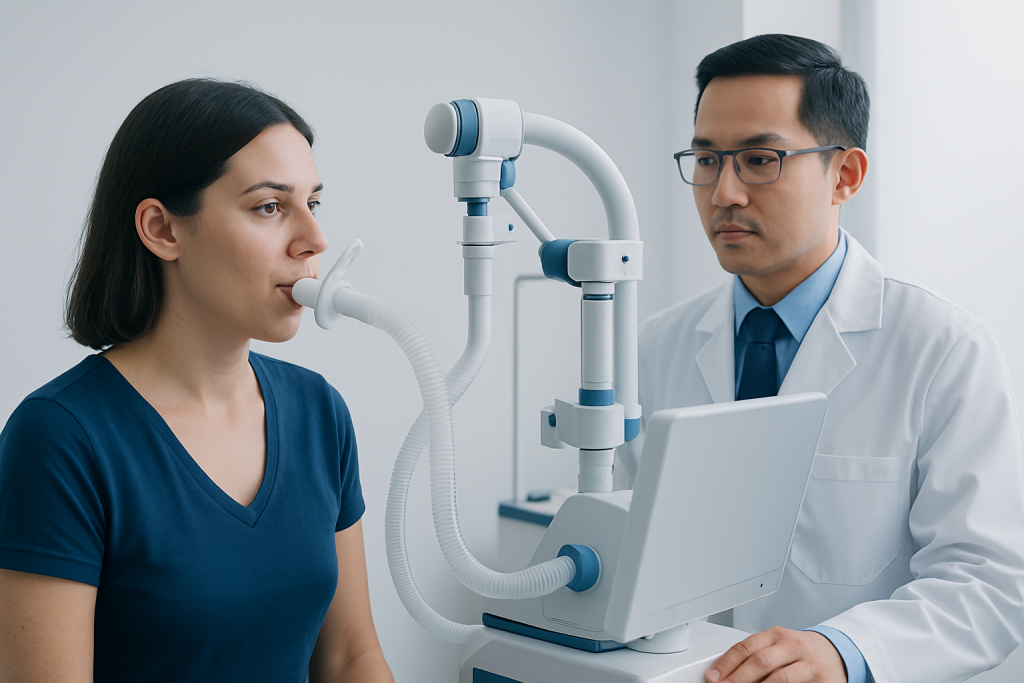
Additional evaluation may be needed depending on the pattern of symptoms. Patch testing can help diagnose allergic contact dermatitis. Lung function testing may be used if wheezing or cough suggests asthma. In selected cases, supervised food or drug challenge testing helps clarify whether a suspected allergen is truly responsible.
Because symptoms can overlap, doctors may also consider other conditions such as sinus disease, infections, nonallergic rhinitis, reflux, intolerances, or chronic skin disorders. When symptoms are persistent or complex, assessment by a specialist can guide safe, individualized management.
Treatment Options and Long-Term Management
Treatment usually begins with reducing exposure to the allergen whenever practical. This may mean using dust-mite covers, washing bedding regularly, improving ventilation, checking for mold, limiting outdoor exposure during high pollen periods, or reading food labels carefully. Avoidance does not have to be perfect to be helpful, but it should be realistic and sustainable.
Medicines may help control symptoms and reduce inflammation. Depending on the type of allergy, options can include antihistamines, nasal sprays, inhalers, eye drops, skin treatments, or other prescription therapies. People with allergic asthma may need respiratory treatment plans, including options such as bronchodilator therapy when clinically appropriate.
For some people, allergy immunotherapy can reduce sensitivity over time. This may be given as injections or, for selected allergens, under-the-tongue treatments. It is typically considered for environmental allergies when symptoms are not well controlled or when avoiding the trigger is difficult, and it should be guided by an allergy specialist.
People at risk of severe reactions may be prescribed emergency treatment and taught when and how to use it. Food allergy management may also include nutritional guidance to avoid unnecessary restrictions. In more complex cases, conditions related to immunity or persistent inflammation may need broader specialist assessment, including care pathways connected with immunotherapy in selected settings.
Prevention and Self-Care in Daily Life
Prevention focuses on knowing the trigger, lowering exposure, and being prepared. At home, practical steps include frequent cleaning, controlling indoor humidity, repairing leaks, using vacuum cleaners with suitable filtration, and keeping pets out of sleeping areas if pet allergy is suspected. During pollen seasons, checking daily counts and showering after time outdoors may reduce symptoms.
For food allergens, label reading and cross-contact prevention are essential. Families, schools, and caregivers should understand which foods must be avoided and what symptoms to watch for. Eating away from home often requires asking clear questions about ingredients and food preparation.
For skin allergies, choosing fragrance-free products, protecting the hands, and avoiding known metals or chemical irritants can help. For insect allergy, caution outdoors, covering food, and wearing shoes in grassy areas may reduce sting risk. People with medicine allergies should keep an up-to-date record and share it with every healthcare professional they see.
Self-care also means following the treatment plan consistently, not only when symptoms are severe. If allergy symptoms affect sleep, exercise, concentration, or school and work performance, a review with a clinician may help refine treatment. Near the end of the care pathway, some patients may benefit from coordinated support in centers such as Acibadem International, where multidisciplinary specialists in JCI-accredited hospitals diagnose and treat allergic conditions for international patients.
When to Seek Medical Care
Medical advice is appropriate when symptoms are frequent, interfere with daily life, or do not improve with simple measures. A person should also seek assessment if they suspect food allergy, medicine allergy, recurrent hives, or allergy-related breathing symptoms, since these can require specific testing and a structured plan.
Urgent medical care is needed for possible anaphylaxis. This includes trouble breathing, wheezing that starts suddenly after exposure, swelling of the tongue or throat, fainting, confusion, severe vomiting, or widespread hives accompanied by dizziness. These symptoms should never be ignored.
Children should be assessed promptly if feeding reactions, persistent eczema, recurrent wheezing, or growth concerns suggest allergy-related problems. Adults should also seek care if workplace exposures seem linked to symptoms, because early diagnosis can help prevent ongoing irritation or sensitization.
If the diagnosis is unclear or symptoms affect multiple body systems, referral to specialists may be helpful. In some cases, a broader respiratory or ear, nose, and throat evaluation is needed, especially when allergy overlaps with chronic sinus issues or lower-airway symptoms such as chronic obstructive pulmonary disease or asthma-like complaints.
Frequently asked questions
What is the difference between an allergen and an allergy?
An allergen is the substance that triggers the reaction, such as pollen, peanuts, or pet dander. An allergy is the immune system's abnormal response to that substance in a sensitive person.
Can someone develop allergies later in life?
Yes. Although many allergies begin in childhood, adults can develop new allergies as well. Changes in environment, repeated exposure, and immune system factors may contribute.
Are food intolerance and food allergy the same thing?
No. Food intolerance usually does not involve the immune system and may cause digestive discomfort without the risk pattern seen in allergy. A true food allergy can involve hives, swelling, breathing symptoms, or anaphylaxis and should be medically assessed.
How are allergens tested?
Doctors may use a detailed history, skin prick testing, blood tests for allergen-specific IgE, patch testing, or supervised challenge tests. The results are interpreted together with symptoms because testing alone cannot always confirm a clinically important allergy.
Can allergies be cured permanently?
Many allergies can be well controlled, but not all can be permanently cured. Some children outgrow certain food allergies, and allergy immunotherapy can reduce sensitivity to selected triggers over time.
What should a person do if they think they had a severe allergic reaction?
They should seek emergency medical care right away, especially if there was trouble breathing, throat swelling, fainting, or severe weakness. After urgent treatment, follow-up with a qualified doctor is important to identify the trigger and create a prevention plan.
References
- World Health Organization
- American Academy of Allergy, Asthma & Immunology
- American College of Allergy, Asthma & Immunology
- National Institute of Allergy and Infectious Diseases
- Centers for Disease Control and Prevention
This article is for general information only and is not a substitute for professional medical advice. Please consult a qualified doctor about your individual situation.
Persistent digestive symptoms? Get evaluated in Turkey
JCI-accredited · board-certified surgeons · reply within 24h
Add us as a Preferred Source to see more of our trusted health content across Google Search, AI Overviews and Discover.

More from the Health Library

Healthiest Seeds: An Evidence-Based Guide for Patients

Injection Site Reaction: What Patients Need to Know

Parotid Gland: What Patients Need to Know

Nyquil Ingredients: What Patients Need to Know

Penis Pump: What Patients Need to Know