Amenorrhea — Explained by Medical Evidence, Not Myths

Amenorrhea refers to missing menstrual periods and may be primary or secondary. Pregnancy is a common cause, but hormone, thyroid, ovarian, pituitary, uterine, medication, and lifestyle factors can also play a role.
Key Takeaways
- Amenorrhea refers to missing menstrual periods and may be primary or secondary.
- Pregnancy is a common cause, but hormone, thyroid, ovarian, pituitary, uterine, medication, and lifestyle factors can also play a role.
- Evaluation often includes a medical history, physical exam, pregnancy test, blood tests, and sometimes pelvic ultrasound or MRI.
- Treatment depends on the cause and may include nutrition and lifestyle changes, hormone therapy, or treatment of a related medical condition.
- Anyone with unexplained missed periods, delayed puberty, or symptoms such as pelvic pain, headaches, or unwanted milk discharge should seek medical advice.
Amenorrhea means the absence of menstrual periods. It is not a disease itself, but a sign that may reflect a normal life stage such as pregnancy or menopause, or an underlying issue involving hormones, weight changes, stress, exercise, the ovaries, thyroid, pituitary gland, or uterus.
Overview: what amenorrhea means
Amenorrhea means the absence of menstrual periods. In everyday language, it describes a person who has not started periods by the expected age, or someone whose periods used to come and then stop. It is a symptom rather than a diagnosis, so the next step is to understand why it is happening.
There are two main types. Primary amenorrhea refers to not having had a first period by around age 15, or within about three years of breast development. Secondary amenorrhea refers to periods that stop for three months or more in someone with previously regular cycles, or for six months in someone whose cycles were previously irregular.
Amenorrhea is sometimes completely normal. It commonly occurs during pregnancy, breastfeeding, and after menopause. Outside these situations, it may be linked to stress, significant weight loss, low energy availability, intense exercise, polycystic ovary syndrome, thyroid conditions, high prolactin levels, ovarian insufficiency, or structural changes in the uterus or reproductive tract.
Because menstruation reflects a complex interaction among the brain, pituitary gland, ovaries, uterus, and overall health, missing periods can offer an important clue. A careful evaluation helps identify whether the cause is temporary and lifestyle-related or needs specific medical treatment.
Common signs and associated symptoms
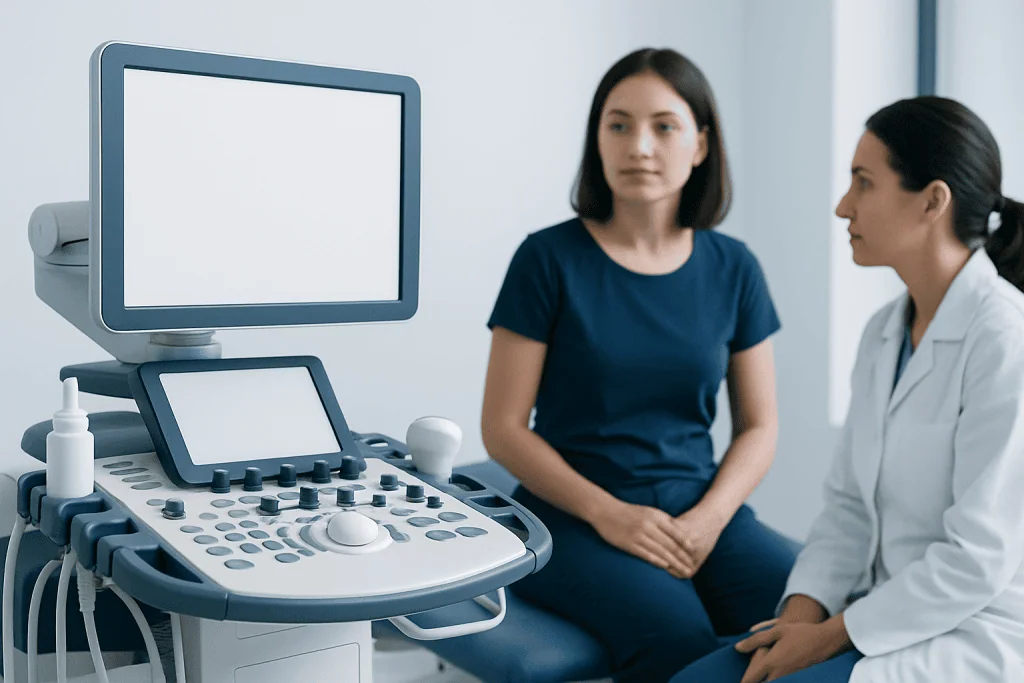
The main sign of amenorrhea is missed periods. However, the symptoms that accompany it often help doctors understand the likely cause. Some people have no other symptoms, while others notice changes in weight, skin, mood, energy, or fertility.
Depending on the reason, amenorrhea may occur with pelvic pain, hot flashes, vaginal dryness, acne, excessive hair growth, headaches, vision changes, nipple discharge, or symptoms of thyroid imbalance such as fatigue, constipation, palpitations, or feeling unusually cold or warm. Delayed breast development or lack of other puberty changes may be important clues in younger adolescents.
It is also important to look at the person’s broader health pattern. Periods may stop after a major illness, substantial emotional stress, restrictive eating, or a marked increase in athletic training. In others, missed periods can appear together with symptoms of polycystic ovary syndrome or with signs of early ovarian dysfunction.
- Missed periods for several months
- Pelvic or lower abdominal pain
- Acne or increased facial/body hair
- Unexpected milk discharge from the breasts
- Hot flashes or vaginal dryness
- Headaches or changes in vision
- Unexplained weight loss or gain
Why amenorrhea happens: causes and risk factors

Menstrual cycles depend on coordinated hormonal signals. The hypothalamus in the brain signals the pituitary gland, which then signals the ovaries. The ovaries produce hormones that prepare the uterine lining and allow regular bleeding. A disruption at any point in this pathway can lead to amenorrhea.
Common causes of secondary amenorrhea include pregnancy, breastfeeding, menopause, polycystic ovary syndrome, thyroid disorders, elevated prolactin levels, functional hypothalamic amenorrhea related to low energy intake, eating disorders, significant stress, or intensive exercise. Some medications, including certain hormonal contraceptives, antipsychotics, and treatments that affect hormone balance, may also contribute.
Primary amenorrhea may be related to delayed puberty, chromosomal differences, congenital differences in the reproductive tract, problems involving the ovaries, pituitary gland, or hypothalamus, or anatomical conditions that affect menstrual outflow. Scarring inside the uterus can also cause amenorrhea in some people who previously had periods.
Risk factors include low body weight, rapid weight loss, competitive sports, chronic illness, family history of delayed menstruation or early menopause, previous uterine procedures, and endocrine disorders such as thyroid disease. Conditions affecting fertility or ovulation may overlap, including ovarian cysts in some patients, although cysts alone do not always explain missed periods.
How doctors diagnose amenorrhea
Diagnosis starts with a detailed history. Doctors usually ask when periods started, when they stopped, whether cycles were previously regular, sexual activity, contraception, recent stress, exercise habits, diet, weight changes, medications, and symptoms such as headaches, milk discharge, acne, or hot flashes. In adolescents, puberty development and growth are also reviewed.
A physical examination may include measurement of weight, height, blood pressure, signs of androgen excess, thyroid enlargement, breast development, and a pelvic exam when appropriate. A pregnancy test is usually one of the first steps in evaluating secondary amenorrhea, even when pregnancy seems unlikely.
Blood tests often check hormone levels such as thyroid-stimulating hormone, prolactin, follicle-stimulating hormone, luteinizing hormone, and estradiol. Additional testing may be chosen based on symptoms, such as androgen levels or metabolic tests. Imaging may include a pelvic ultrasound to assess the uterus and ovaries, or MRI scanning if a pituitary problem is suspected.
In selected situations, further tests may be needed to assess uterine anatomy, ovarian reserve, or chromosomal factors. The goal is not simply to restore bleeding, but to identify the underlying reason and address any effects on bone health, fertility, or general well-being.
Treatment options based on the cause
Treatment for amenorrhea depends entirely on the underlying cause. If pregnancy, breastfeeding, or menopause explains the absence of periods, treatment may not be needed. When the cause is medical or lifestyle-related, care focuses on restoring healthy hormonal function and addressing any complications.
For functional hypothalamic amenorrhea, doctors may recommend improving nutrition, reducing excessive exercise, managing stress, and treating any eating disorder or energy deficit. If thyroid disease, high prolactin, or another hormone condition is present, specific treatment for that disorder may help periods return. When ovulation problems are related to PCOS, care may include weight support when appropriate, cycle regulation, and treatment of metabolic concerns.
Hormone therapy may be used in some situations, especially when estrogen levels are low and there is concern about bone health. Structural causes, such as scarring or congenital differences in the reproductive tract, may need procedural or surgical treatment. A pelvic ultrasound is often part of planning and follow-up.
If fertility is a goal, treatment is tailored accordingly. Depending on the cause, this may involve ovulation-focused treatment, endocrine care, or support from specialists in fertility and IVF. The best treatment plan is individualized and should be guided by a qualified gynecologist, endocrinologist, or reproductive specialist.
Prevention, self-care, and long-term health
Not all causes of amenorrhea can be prevented, but healthy habits can reduce risk in some cases. Regular meals, adequate calorie intake, balanced exercise, and stress management support normal hormone signaling. Very low body weight, crash dieting, and overtraining can disrupt ovulation and should be addressed early.
Tracking menstrual cycles can be helpful. A simple calendar or app may show whether periods are gradually becoming less frequent, which can prompt an earlier medical review. People using hormonal contraception should ask their doctor what bleeding patterns are expected, since some methods can make periods very light or absent.
Bone health matters when estrogen is low for long periods. Doctors may advise nutritional support, weight-bearing exercise, and treatment of the underlying cause to protect bone strength. Self-care should not replace medical assessment if periods have stopped unexpectedly or if there are symptoms such as severe acne, pelvic pain, or hot flashes.
Near the end of evaluation and treatment, some patients benefit from coordinated care among gynecology, endocrinology, nutrition, and imaging specialists. Acibadem International’s multidisciplinary specialists in JCI-accredited hospitals evaluate and treat amenorrhea for international patients when more comprehensive assessment is needed.
When to seek medical care
Medical advice is important if periods have stopped for three months after previously regular cycles, or for six months if cycles were always irregular. An adolescent should also be evaluated if periods have not started by around age 15, or if there is little sign of puberty progression.
Prompt assessment is especially important if amenorrhea occurs with pelvic pain, a positive pregnancy test, headaches, vision changes, nipple discharge, marked weight loss, symptoms of an eating disorder, or signs of excess androgen such as worsening acne and increased body hair. These symptoms do not always signal a serious problem, but they do deserve professional attention.
Anyone who may want to become pregnant should also seek assessment sooner rather than later, since amenorrhea often reflects an ovulation problem. Early evaluation can help protect bone health, identify hormone conditions, and support future fertility planning.
Frequently asked questions
Is amenorrhea the same as infertility?
No. Amenorrhea means absent menstrual periods, while infertility means difficulty becoming pregnant after a period of trying. Some causes of amenorrhea affect ovulation and fertility, but not everyone with amenorrhea is infertile.
Can stress cause amenorrhea?
Yes. Significant emotional stress can affect the hypothalamus, the part of the brain that helps regulate the menstrual cycle. Stress-related amenorrhea is real, but other causes should still be considered if periods stop.
Is it normal to miss periods with intense exercise?
It can happen, especially when exercise is combined with low calorie intake or weight loss. This pattern may reflect low energy availability and hormone disruption. A doctor should assess it because prolonged amenorrhea can affect bone health.
Should a pregnancy test be done if periods stop?
Usually, yes. Pregnancy is one of the most common reasons for secondary amenorrhea, so it is often checked first. This remains important even if pregnancy seems unlikely.
Can birth control cause amenorrhea?
Yes. Some hormonal contraceptives can make periods lighter, less frequent, or absent. This can be an expected effect, but any uncertainty about the pattern should be discussed with a healthcare professional.
Does amenorrhea always need treatment?
Not always. If amenorrhea is due to pregnancy, breastfeeding, menopause, or a contraceptive method, treatment may not be needed. If it is unexplained or linked to a medical issue, treatment depends on the cause and the person's health goals.
References
- American College of Obstetricians and Gynecologists
- National Institute for Health and Care Excellence
- Merck Manual Professional Edition
- Mayo Clinic
- Office on Women's Health
This article is for general information only and is not a substitute for professional medical advice. Please consult a qualified doctor about your individual situation.
Explore treatments in Turkey — costs, top hospitals & a free quote
JCI-accredited · board-certified surgeons · reply within 24h
Add us as a Preferred Source to see more of our trusted health content across Google Search, AI Overviews and Discover.
Check your numbers in seconds
BMI, calories, due date, blood pressure and 30+ more clinical calculators — free, instant, doctor-reviewed ranges.