Anal Cancer Screening: How It Works, Results and What to Expect
Routine anal cancer screening is not recommended for everyone; it is usually considered for people with higher-risk factors. Anal cytology is similar in principle to a cervical smear test and looks for abnormal cells collected from the anal canal.
Key Takeaways
- Routine anal cancer screening is not recommended for everyone; it is usually considered for people with higher-risk factors.
- Anal cytology is similar in principle to a cervical smear test and looks for abnormal cells collected from the anal canal.
- An abnormal screening result does not mean cancer is present; further examination and sometimes biopsy clarify the finding.
- High-resolution anoscopy helps clinicians locate abnormal tissue and guide biopsies or treatment.
- Human papillomavirus vaccination, safer sexual practices and smoking cessation can help reduce anal cancer risk.
Anal cancer screening is a targeted evaluation that can identify abnormal anal cells or precancerous changes before cancer develops, especially in people at increased risk. It may include a medical history, digital anal examination, anal cytology and follow-up high-resolution anoscopy when results are abnormal.
Overview: What Is Anal Cancer Screening?
Anal cancer screening is a group of tests used to look for abnormal cells, precancerous lesions or early cancer in and around the anal canal. The aim is to identify significant changes before they cause symptoms or progress. Screening is different from diagnostic testing: screening is performed in people without concerning symptoms, while diagnostic assessment investigates symptoms such as bleeding, a new lump or persistent pain.
There is no single screening approach recommended for every adult. Instead, clinicians may recommend screening for people with a higher likelihood of anal precancer or cancer, particularly when human papillomavirus (HPV)-related disease is more likely. The exact approach depends on a person’s health history, immune status, local guidelines and access to specialist follow-up.
Screening can include a discussion of symptoms and risk factors, a visual inspection, a digital anal examination, anal cytology and, if indicated, high-resolution anoscopy. These tests are usually performed in an outpatient setting and do not require a hospital stay.
Who May Be a Candidate for Screening?
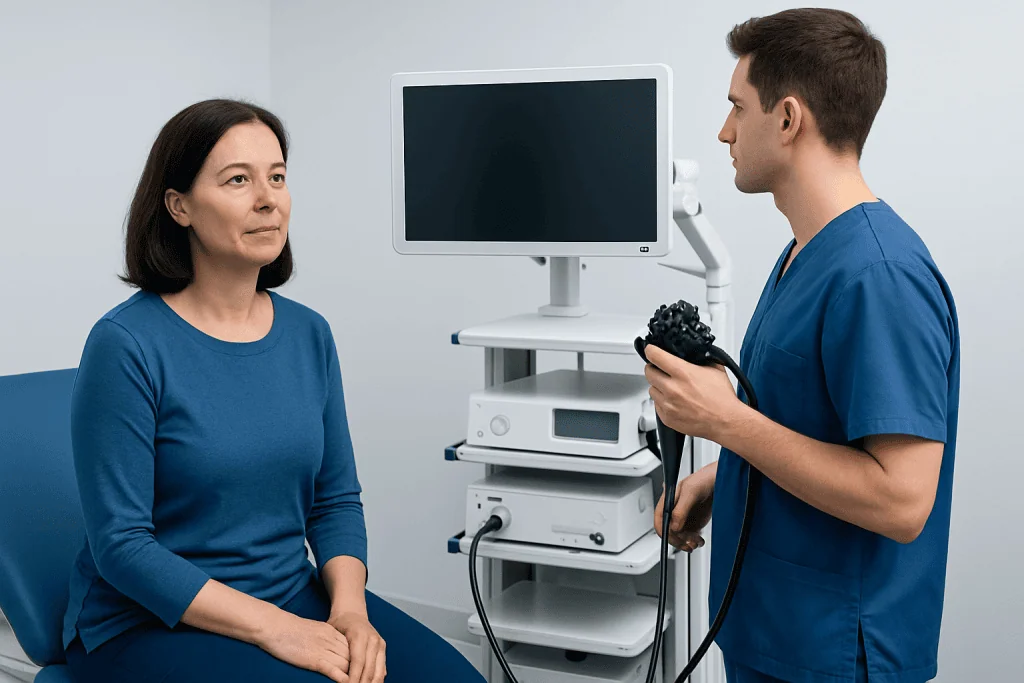
Anal cancer is uncommon in the general population, so routine screening is not universally advised for everyone. However, some people have a higher risk of HPV-related anal cell changes and may benefit from discussing screening with a clinician experienced in anal health, colorectal care, sexual health, HIV care or oncology.
Groups who may be considered for screening include people living with HIV; men who have sex with men; people with a history of HPV-related genital, cervical, vulvar, vaginal or penile precancer or cancer; organ transplant recipients taking long-term immune-suppressing medicines; and people with other causes of reduced immune function. A prior history of anal warts, smoking and receptive anal sex may also contribute to risk, although no single factor determines whether screening is appropriate.
Screening plans should be individualized. A clinician may consider age, immune status, previous HPV-related disease, symptoms, prior test results and the availability of high-resolution anoscopy and biopsy services. People at average risk who have no symptoms should still attend routine health care and report any new anal or rectal changes promptly.
How Anal Cancer Screening Works
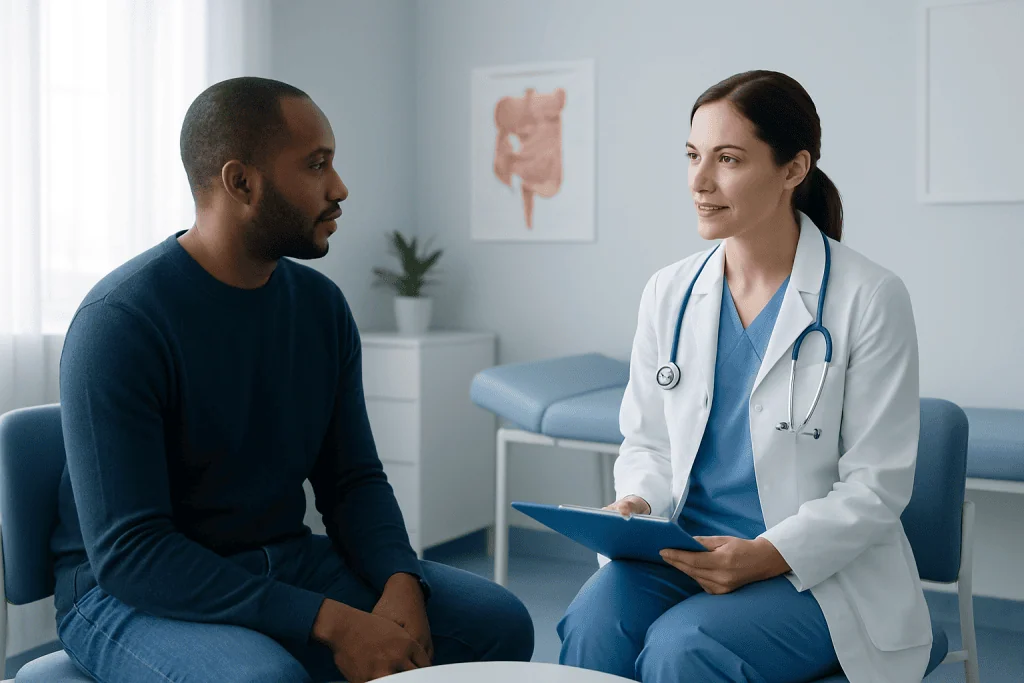
The first part of anal cancer screening is usually a clinical review. The clinician asks about bleeding, itching, pain, discharge, changes in bowel habits, a feeling of fullness, lumps and prior HPV-related conditions. They may also ask about medications, immune health, smoking and previous cervical, genital or anal test results.
A digital anal examination is commonly performed. With a gloved, lubricated finger, the clinician gently feels inside the anal canal and rectum for tenderness, thickening, masses or other changes. This examination is brief and may cause pressure or mild discomfort, but it should not be sharply painful.
Anal cytology, often called an anal Pap test, collects cells from the anal canal using a small swab. A laboratory examines the sample for cell changes that may be related to HPV. Cytology is useful for identifying people who may need closer assessment, but it cannot by itself diagnose precancer or cancer.
If cytology is abnormal, the examination is incomplete, symptoms are present or a clinician sees a suspicious area, high-resolution anoscopy may be advised. During this procedure, a specialist uses magnification and a lighted viewing instrument to examine the anal canal in greater detail. Targeted biopsies may be taken to confirm the diagnosis.
What Happens During the Procedure?
Preparation for a digital examination and anal cytology is usually simple. A clinic may provide specific instructions, which can include avoiding anal intercourse, rectal creams, enemas or douching for a short period before the appointment because these may affect the sample. Patients should tell the team about pregnancy, blood-thinning medicines, allergies and any active infection or severe anal pain.
For anal cytology, the patient is generally positioned on their side, with knees bent, or in another comfortable examination position. A clinician inserts a moistened swab a short distance into the anal canal, rotates it to collect cells and removes it. The collection itself usually takes only seconds. The swab is sent to a laboratory for review.
High-resolution anoscopy takes longer, typically because the clinician needs time to inspect the tissue carefully. A small anoscope is placed into the anal canal, and solutions may be applied to make abnormal tissue more visible. If an area needs assessment, a small biopsy can be performed under local anesthetic. The biopsy may cause a brief pinch or pressure.
When biopsy results confirm high-grade precancerous changes, the specialist discusses monitoring or treatment options based on the location, size and number of lesions, as well as the person’s overall health. Care may involve colorectal specialists, infectious disease physicians, gynecologists, dermatologists or oncologists as appropriate.
Understanding Results and Follow-Up
A normal anal cytology result means no concerning cell changes were identified in the sample. It does not completely rule out abnormalities, because the test can occasionally miss a lesion or provide an insufficient sample. A clinician will recommend follow-up based on individual risk and local protocols.
An abnormal result may describe atypical cells, low-grade changes or high-grade changes. These terms refer to how cells look under a microscope; they are not a cancer diagnosis. HPV infection can cause many cell changes, and some low-grade abnormalities may resolve without treatment. Higher-grade changes usually need more detailed examination.
High-resolution anoscopy and biopsy provide more specific information. A biopsy can show whether tissue is normal, inflamed, affected by a low-grade lesion, affected by a high-grade squamous intraepithelial lesion, or cancerous. If cancer is diagnosed, additional imaging and specialist assessments may be needed to determine its extent and plan care.
People should ask when and how results will be communicated, what the result means for them and whether a repeat test or specialist referral is needed. Keeping copies of relevant pathology and screening reports can be useful when receiving care from more than one medical team.
Benefits, Limitations and Possible Risks
The main potential benefit of anal cancer screening is earlier recognition of high-grade precancerous lesions or early cancer in people at increased risk. Identifying clinically important lesions can allow surveillance or treatment before symptoms develop. Screening can also provide reassurance when examinations and samples are normal.
Like other screening tests, anal cytology has limitations. Samples can be inadequate, abnormal cells may be missed and some abnormalities found may never progress to cancer. This can lead to repeat testing, anoscopy, biopsies, anxiety or procedures that may not have been necessary. For this reason, screening should be offered where appropriate follow-up and informed decision-making are available.
Digital examination and cytology are generally low risk. After high-resolution anoscopy or biopsy, mild soreness, a small amount of bleeding or temporary discomfort with bowel movements can occur. Serious complications are uncommon, but persistent bleeding, fever, worsening pain or inability to pass urine or stool should be assessed urgently.
Clinicians balance these benefits and limitations by focusing screening on people most likely to benefit. A person’s preferences, prior results and ability to attend follow-up visits are also important parts of the decision.
Prevention and Self-Care
HPV is linked with most anal cancers, and vaccination can help prevent infection with HPV types that cause many HPV-related cancers. Vaccination is most effective before exposure to HPV, but some adults may still benefit. A doctor can explain eligibility according to age, medical history and national recommendations.
Not smoking or seeking support to stop smoking can reduce cancer risk and supports overall health. Using barrier protection during sexual activity may lower the chance of HPV and other sexually transmitted infections, although it does not eliminate HPV transmission because the virus can affect uncovered skin.
People living with HIV can reduce risk by staying engaged in HIV care and taking prescribed antiretroviral therapy. Regular follow-up for cervical, genital and anal health is particularly important for people with prior HPV-related disease. New symptoms should be evaluated rather than assumed to be caused by hemorrhoids or a previous condition.
Acibadem International’s multidisciplinary specialists and JCI-accredited hospitals can assess anal symptoms, arrange appropriate testing and coordinate care for international patients when needed.
When to Seek Medical Care
Medical assessment is important for anal or rectal bleeding, a new lump, persistent anal pain, unexplained itching, discharge, sores that do not heal, narrowing of stool or a persistent change in bowel habits. These symptoms are often caused by noncancerous conditions such as hemorrhoids, fissures or infection, but they should not be self-diagnosed.
People who have been advised to have anal cancer screening should arrange it even if they feel well, since precancerous changes may not cause noticeable symptoms. Those with an abnormal anal cytology result should follow through with the recommended specialist evaluation rather than waiting for symptoms to appear.
Urgent care is appropriate for heavy rectal bleeding, severe or rapidly worsening pain, fainting, fever with significant anal swelling, or signs of a serious infection. A qualified clinician can determine the cause and recommend the appropriate next step.
Can Anal Cancer Be Cured?
Anal cancer can often be treated successfully, particularly when it is found at an earlier stage. The chance of cure depends on several factors, including the cancer’s stage, size, location, lymph node involvement, cancer type and the person’s general health. Only the treating oncology team can discuss an individual outlook.
For many localized anal cancers, the main treatment is a combined approach using chemotherapy and radiation therapy, often with the goal of curing the cancer while preserving anal function. Surgery may be considered in selected situations, including when cancer remains or returns after chemoradiation. Treatment plans are carefully tailored to the individual.
Screening does not guarantee that cancer will be prevented, and it is not a substitute for evaluating symptoms. However, for people at elevated risk, detecting and managing high-grade precancerous lesions may reduce the likelihood that some lesions progress to cancer.
Frequently asked questions
Is anal cancer screening recommended for everyone?
No. Anal cancer screening is generally targeted toward people with a higher risk of anal HPV-related disease, such as people living with HIV or those with a history of certain HPV-related cancers or immune suppression. A clinician can help determine whether screening is appropriate based on personal risk factors and available follow-up services.
Does an abnormal anal Pap test mean cancer?
No. An abnormal anal cytology result means that the collected cells appear unusual under a microscope. It may reflect HPV-related changes, inflammation or a precancerous lesion, and further assessment such as high-resolution anoscopy or biopsy may be needed to determine the cause.
Is anal cancer screening painful?
A digital anal examination and anal cytology usually cause brief pressure or mild discomfort rather than significant pain. High-resolution anoscopy or a biopsy can cause temporary soreness, and local anesthetic may be used for biopsy. Patients should tell the clinician if they have pain, anxiety or a condition that may make the examination difficult.
How often should anal cancer screening be done?
The interval varies because recommendations depend on risk level, prior results and local clinical guidance. Some higher-risk people may be advised to have regular examinations and cytology, while others may need less frequent follow-up. The clinician who knows the person’s history can recommend an appropriate schedule.
Can hemorrhoids affect anal cancer screening?
Hemorrhoids can cause bleeding, discomfort or visible tissue changes that may need to be distinguished from other conditions during an examination. They do not automatically prevent screening, but active bleeding or irritation can sometimes affect sample collection. The clinician may adjust timing or recommend further evaluation if needed.
Can anal cancer be cured?
Many cases of anal cancer can be treated with curative intent, especially when identified before the disease has spread. Treatment commonly combines chemotherapy and radiation, with surgery used in selected circumstances. Prognosis varies, so it is best discussed with a specialist after staging and pathology results are available.
References
- World Health Organization
- Centers for Disease Control and Prevention
- National Cancer Institute
- American Cancer Society
- International Anal Cancer Society
This article is for general information only and is not a substitute for professional medical advice. Please consult a qualified doctor about your individual situation.
Oncology care in Turkey — second opinion and treatment plan
JCI-accredited · board-certified surgeons · reply within 24h
Add us as a Preferred Source to see more of our trusted health content across Google Search, AI Overviews and Discover.