Anbesol — Explained by Medical Evidence, Not Myths

Anbesol temporarily numbs mouth pain but does not cure the cause. Its active ingredient is usually benzocaine, a local anesthetic.
Key Takeaways
- Anbesol temporarily numbs mouth pain but does not cure the cause.
- Its active ingredient is usually benzocaine, a local anesthetic.
- It should be used exactly as directed and avoided in very young children unless a doctor advises otherwise.
- Unusual symptoms such as trouble breathing, blue or pale skin, or severe swelling need urgent medical attention.
- Persistent mouth pain, ulcers, or gum problems should be assessed by a dentist or doctor.
Anbesol is an over-the-counter oral pain reliever that contains benzocaine, a local anesthetic used to temporarily numb sore areas in the mouth. It may help for short-term relief, but it does not treat the underlying cause and is not suitable for everyone.
Overview: what Anbesol is and what it does
Anbesol is a brand name commonly used for oral pain-relief products designed to numb sore areas in the mouth. In many formulations, the active ingredient is benzocaine, which is a local anesthetic. This means it works by reducing nerve signals in the applied area for a short time, helping ease pain from minor mouth irritation.
People often use Anbesol for canker sores, gum irritation, sore spots from dental appliances, or discomfort linked to minor mouth injuries. Some products may also be marketed for toothache or denture-related rubbing. While it can make the area feel more comfortable, it does not treat infection, heal a damaged tooth, or remove the cause of ongoing symptoms.
This distinction is important because mouth pain can have many causes. A painful ulcer may be a simple canker sore, but gum swelling, facial pain, or a throbbing tooth may point to a dental problem that needs proper treatment. If a person has persistent oral pain, their clinician may also consider conditions such as mouth ulcers or other inflammatory or dental causes.
How Anbesol works and when it may help
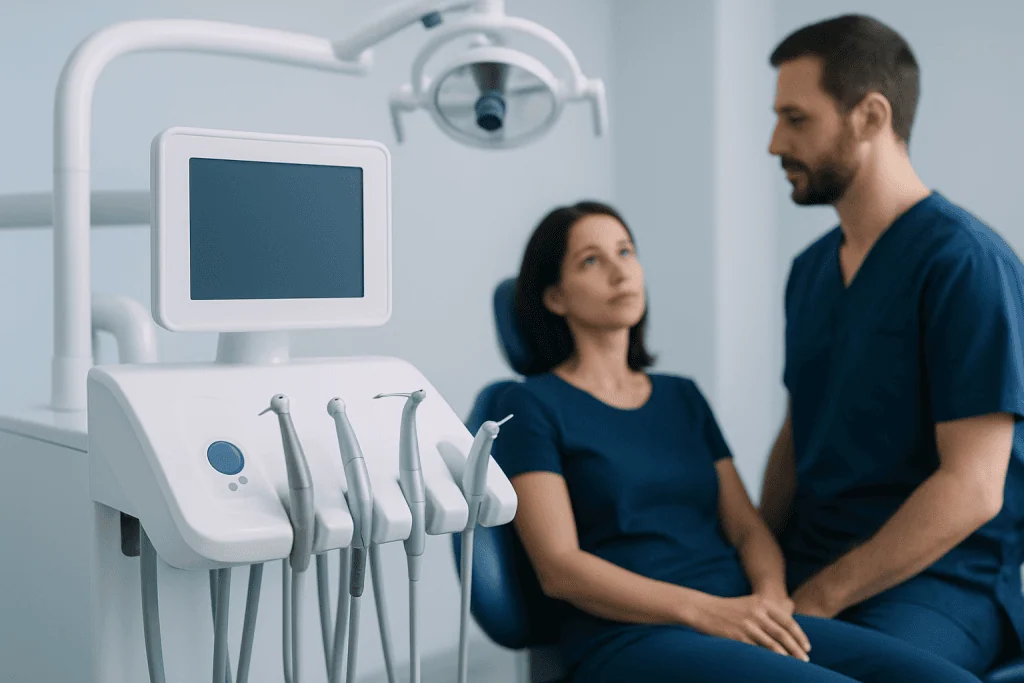
Benzocaine works at the surface of the tissues where it is applied. It briefly numbs the area by limiting the ability of nerves to send pain signals. Because it acts locally rather than throughout the whole body, it is generally intended for short-term, targeted use.
Anbesol may help when pain comes from a minor and temporary source, such as irritation from braces, a small bite injury, or a canker sore. Some people also use it before eating or brushing their teeth if a sore spot makes these activities uncomfortable. Relief is usually temporary, so it is best seen as a comfort measure rather than a solution.
It is less helpful when the main problem is deeper inflammation, infection, or structural damage. For example, severe tooth pain, pus, fever, or a broken tooth often needs dental assessment and, in some cases, procedures such as root canal treatment or other targeted care. In those situations, numbing gel may delay attention if it is used as a substitute for diagnosis.
Common uses, myths, and what Anbesol cannot do

A frequent misunderstanding is that Anbesol “treats” toothache or mouth sores. In reality, it helps reduce pain for a limited time. It does not kill the viruses that cause cold sores, clear bacterial infections, or repair decay. If symptoms improve after application, that does not necessarily mean the underlying condition is getting better.
Another myth is that if a small amount helps, more must work better. Overuse can irritate tissues, increase side effects, and raise safety concerns. The safest approach is to follow the product instructions exactly and avoid applying it more often than recommended.
People sometimes use any oral gel for any mouth problem, but different symptoms may need different care. A recurrent ulcer may need evaluation for triggers such as stress, irritation, or nutritional issues. Gum pain may reflect inflammation that benefits from professional cleaning or periodontal care. White patches, lumps, or sores that do not heal should not be self-treated for long periods without examination.
- Helpful for: minor canker sores, denture irritation, small mouth injuries, temporary gum soreness
- Not a treatment for: cavities, abscesses, serious gum disease, persistent unexplained ulcers, or spreading infection
- Not a replacement for: dental assessment when pain is severe, recurrent, or associated with swelling or fever
Safety, side effects, and who should be cautious
Most people who use Anbesol as directed experience only temporary numbness or a mild tingling sensation. Some may notice local irritation, stinging, or an unpleasant taste. If the product causes worsening redness, swelling, rash, or significant burning, it should be stopped and the person should seek medical advice.
The most important safety concern with benzocaine products is a rare but serious condition called methemoglobinemia. In this condition, the blood carries oxygen less effectively. Warning signs can include blue or gray lips or skin, shortness of breath, unusual tiredness, headache, dizziness, or a rapid heartbeat. These symptoms need urgent medical attention.
Extra caution is needed in infants and young children, because some benzocaine products are not recommended for teething pain and may be unsafe in this age group. People with a history of allergic reactions to local anesthetics, certain blood disorders, breathing problems, or significant heart disease should ask a doctor or pharmacist before use. Anyone who is pregnant, breastfeeding, or taking other medicines may also benefit from professional guidance.
How to use Anbesol correctly
The safest way to use Anbesol is to read the product label carefully and follow the instructions for age, amount, and frequency. Hands should be clean before application. The product is generally applied in a small amount directly to the sore area, avoiding unnecessarily large amounts or repeated use beyond the recommended limits.
It is best not to eat immediately after using a numbing product unless the instructions say this is acceptable. Temporary numbness can increase the risk of accidentally biting the inside of the mouth or tongue. Children should be supervised so they do not swallow excess product or use more than intended.
If symptoms are not improving within a short period, or if they return frequently, self-treatment should stop and a clinician should assess the cause. Ongoing dental pain may need a thorough oral examination and, if needed, general dentistry evaluation to look for decay, gum disease, trauma, or appliance-related irritation.
Alternatives and self-care for mouth pain
Not every sore mouth needs a numbing gel. Depending on the cause, simple self-care can help reduce discomfort and support healing. Gentle mouth hygiene, avoiding spicy or acidic foods, staying well hydrated, and choosing softer foods for a day or two may make symptoms easier to manage.
For some people, a saltwater rinse or other dentist-recommended mouth rinse can soothe minor irritation. If pain is linked to a sharp tooth edge, braces, or a denture sore spot, addressing the source of rubbing is often more useful than repeatedly applying an anesthetic. Lip balm, hydration, and avoiding tobacco can also help protect sensitive tissues.
If a sore area is recurrent or unusually painful, a doctor or dentist may look for underlying triggers such as infection, injury, inflammatory conditions, nutritional deficiencies, or medication effects. For international patients who need a more detailed evaluation, Acibadem International’s multidisciplinary specialists and JCI-accredited hospitals diagnose and treat dental and oral conditions with coordinated care.
When to seek medical care
Medical or dental advice is important if mouth pain is severe, lasts more than a few days, or keeps returning. A person should also seek care if there is swelling of the face or gums, fever, difficulty swallowing, bad breath with pus, bleeding that does not stop, or pain that interferes with eating and drinking.
Urgent medical care is needed after using Anbesol if there are signs of an allergic reaction or methemoglobinemia, such as trouble breathing, blue or pale skin, severe drowsiness, confusion, or rapid worsening of symptoms. These are not typical effects and should not be ignored.
A sore that does not heal, a new lump, or color changes in the mouth should also be examined promptly. Early assessment helps clarify whether the problem is a simple irritant lesion or something that needs more specific treatment.
Frequently asked questions
What is Anbesol used for?
Anbesol is used for temporary relief of pain in the mouth. It may help with canker sores, gum irritation, denture sore spots, or minor mouth injuries. It does not treat the underlying cause.
Does Anbesol help toothache?
It may briefly numb pain around a painful tooth or gum, but it does not fix decay, infection, or a cracked tooth. If toothache is severe, recurrent, or associated with swelling, a dental exam is important.
Is Anbesol safe for children?
Some benzocaine products are not recommended for infants and very young children, especially for teething pain. Parents should always read the label carefully and ask a pediatrician, dentist, or pharmacist when unsure.
Can Anbesol treat mouth ulcers or cold sores?
It can reduce pain from some mouth ulcers by numbing the area. However, it does not cure ulcers or treat the viral cause of cold sores, so symptoms may still need other supportive or medical care.
What are the side effects of Anbesol?
Mild side effects can include temporary stinging, numbness, or local irritation. Rarely, benzocaine can cause a serious blood-oxygen problem called methemoglobinemia, which needs urgent medical attention.
How long should someone use Anbesol?
It is intended for short-term use only, following the product instructions. If symptoms continue, worsen, or keep returning, a doctor or dentist should evaluate the cause rather than relying on repeated self-treatment.
This article is for general information only and is not a substitute for professional medical advice. Please consult a qualified doctor about your individual situation.
Explore treatments in Turkey — costs, top hospitals & a free quote
JCI-accredited · board-certified surgeons · reply within 24h
Add us as a Preferred Source to see more of our trusted health content across Google Search, AI Overviews and Discover.

More from the Health Library

Oral Fixation — Explained by Medical Evidence, Not Myths

Deciduous Teeth: A Complete Medical Overview

Polymorphonuclear Leukocytes: An Evidence-Based Guide for Patients

Sediment: An Evidence-Based Guide for Patients

Heart: What Patients Need to Know