Androgens: What Patients Need to Know

Androgens are normal hormones in all sexes and play important roles throughout life. Symptoms of androgen imbalance may include acne, excess hair growth, scalp hair thinning, low libido, fatigue, or menstrual changes.
Key Takeaways
- Androgens are normal hormones in all sexes and play important roles throughout life.
- Symptoms of androgen imbalance may include acne, excess hair growth, scalp hair thinning, low libido, fatigue, or menstrual changes.
- Doctors diagnose androgen-related problems by combining symptoms, physical examination, and hormone testing.
- Treatment depends on the cause and may include lifestyle measures, medications, or care for an underlying endocrine condition.
- Persistent symptoms such as irregular periods, infertility, or signs of virilization should be evaluated by a qualified doctor.
Androgens are hormones made in both males and females that help regulate puberty, reproductive health, muscle and bone strength, hair growth, and energy. Problems usually arise not from having androgens at all, but from levels that are too high, too low, or out of balance with other hormones.
Overview: what androgens are and why they matter
Androgens are a group of hormones that help guide growth, development, and body function in people of all sexes. Testosterone is the best-known androgen, but others include dehydroepiandrosterone (DHEA), DHEA sulfate (DHEAS), androstenedione, and dihydrotestosterone (DHT). These hormones are produced mainly in the testes, ovaries, and adrenal glands, then converted and used in different tissues throughout the body.
Patients often hear androgens described only as “male hormones,” but that description is incomplete. Females also make androgens in smaller amounts, and these hormones contribute to normal libido, bone health, muscle mass, mood, and hormone balance. What matters most is not whether androgens are present, but whether they are appropriate for the person’s age, sex, life stage, and overall endocrine health.
Androgens influence many systems at once. During puberty, they help shape body hair patterns, voice changes, muscle growth, and reproductive maturation. In adulthood, they continue to support sexual function, red blood cell production, bone strength, and body composition. Because their effects are widespread, an imbalance can show up in several ways rather than as one single symptom.
What androgens do in the body
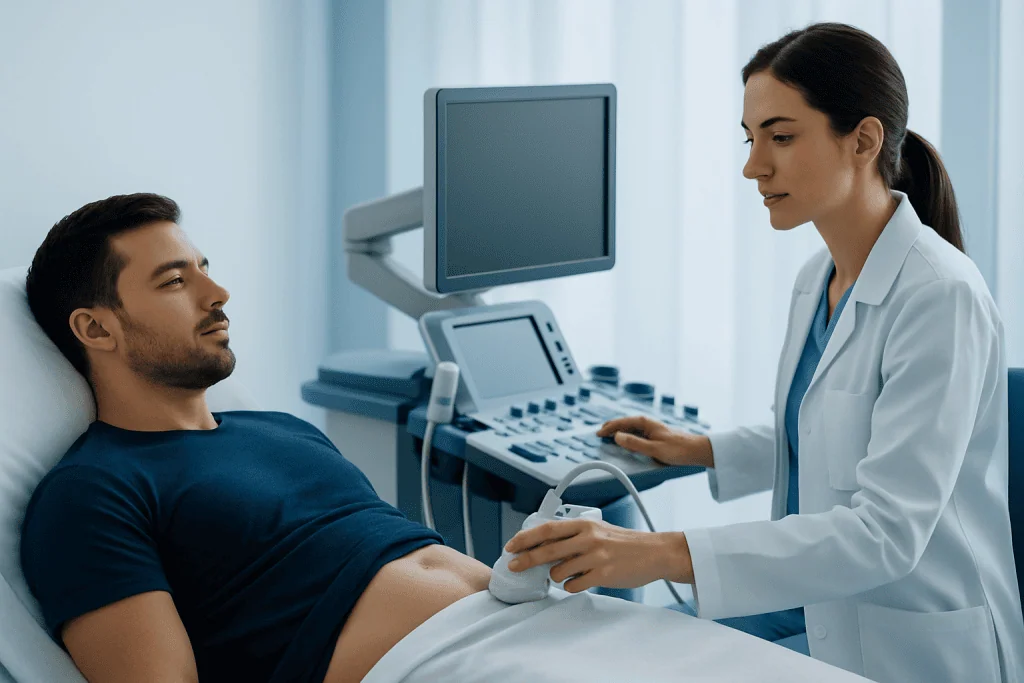
Androgens act by attaching to androgen receptors in tissues such as skin, hair follicles, muscles, bones, the brain, and reproductive organs. Once attached, they help regulate how cells grow and function. Some tissues also convert testosterone into DHT, a more potent androgen, or into estrogen through natural enzyme pathways. This is one reason hormone balance can be complex and highly individual.
In males, androgens are central to fetal sexual development, puberty, sperm production, libido, erectile function, muscle mass, and body hair growth. In females, androgens support ovarian function, sexual desire, energy, and maintenance of muscle and bone. Normal levels can vary by age, and hormone shifts are also common at puberty, after childbirth, and around menopause.
Androgens also affect the skin and hair. They can increase oil production, which may contribute to acne, and they influence how hair follicles behave in different areas of the body. That is why excess androgens may lead to increased facial or body hair in some people, while also contributing to scalp hair thinning in those who are genetically sensitive to these hormones.
Symptoms of androgen imbalance

Androgen imbalance can mean levels are too high, too low, or not working properly at the tissue level. Symptoms often develop gradually and may overlap with those of other hormonal or metabolic conditions. In females, high androgen levels may be noticed through irregular periods, acne, increased facial or body hair, scalp hair thinning, weight changes, or difficulty becoming pregnant. A common related condition is polycystic ovary syndrome (PCOS).
In males, low androgen levels may lead to reduced libido, erectile difficulties, fatigue, decreased muscle mass, low mood, reduced body hair, or infertility. High androgen levels in males are less common outside medication use or specific medical disorders, but may sometimes contribute to acne, mood changes, or fertility concerns. Symptoms should always be interpreted in context rather than assumed to come from one lab result alone.
More pronounced androgen excess can sometimes cause virilization, especially in females. This may include deepening of the voice, increased muscle bulk, clitoral enlargement, or rapid scalp hair loss. These symptoms are important because they may signal a stronger hormone disturbance that needs prompt medical assessment.
- Acne or oily skin
- Excess facial or body hair
- Scalp hair thinning or hair loss
- Irregular or absent menstrual periods
- Low libido or sexual dysfunction
- Fatigue, low mood, or reduced muscle strength
Common causes and risk factors
There is no single cause of androgen imbalance. In females, high androgens are often linked to PCOS, insulin resistance, obesity, certain adrenal disorders, or rarely androgen-secreting tumors. Some medications and anabolic steroid use can also raise androgen effects. In males, low androgens may be related to aging, pituitary disorders, chronic illness, obesity, sleep problems, genetic conditions, testicular disease, or side effects of medication.
Thyroid disease, high prolactin levels, severe stress, and major weight changes can also affect hormones in ways that resemble androgen imbalance. This is why a thorough medical assessment matters. A symptom such as irregular periods or hair thinning can have several possible explanations, including thyroid disease, nutritional issues, or other endocrine conditions.
Family history may increase the likelihood of acne, excess hair growth, pattern hair loss, or hormone-related reproductive conditions. Lifestyle factors can play a role as well, especially if they contribute to insulin resistance, sleep disruption, or weight gain. Still, patients should avoid blaming themselves: many androgen-related conditions are driven by genetics and body chemistry rather than personal choices alone.
How doctors diagnose androgen-related problems
Diagnosis starts with listening carefully to symptoms and understanding when they began. A doctor will usually ask about menstrual history, fertility goals, sexual health, energy, medications, weight changes, family history, and any use of supplements or anabolic steroids. A physical examination may look for acne, hair growth patterns, scalp hair loss, blood pressure changes, body composition, and signs of other endocrine disorders.
Blood tests may be used to measure total or free testosterone, DHEAS, androstenedione, sex hormone-binding globulin (SHBG), luteinizing hormone (LH), follicle-stimulating hormone (FSH), prolactin, thyroid function, glucose, or other markers depending on the clinical picture. Timing matters for some tests, especially in menstruating patients, and results must be interpreted using the correct reference range for age and sex.
Imaging may be needed in selected cases. Pelvic ultrasound can help assess ovaries when PCOS is suspected, while adrenal or pituitary imaging is considered if test results or symptoms suggest a gland disorder. If fertility is part of the concern, doctors may also evaluate ovulation, semen quality, or related reproductive factors. Some patients benefit from endocrinology evaluation when the diagnosis is not straightforward.
Treatment options and long-term management
Treatment depends on the cause, the person’s symptoms, and their goals. Doctors do not treat a number in isolation; they treat the underlying condition and the symptoms that affect daily life. For example, management may focus on restoring menstrual regularity, improving fertility, reducing acne or excess hair growth, addressing low libido, or treating an endocrine disease that is causing the imbalance.
For females with androgen excess related to PCOS, treatment may include weight management support if appropriate, treatment of insulin resistance, hormonal therapies, or medicines that reduce androgen effects. When fertility is a priority, ovulation-focused care may be considered, sometimes in coordination with fertility treatment specialists. In males with confirmed low testosterone and compatible symptoms, doctors may investigate and treat the cause before deciding whether hormone therapy is appropriate.
Skin and hair symptoms can often be managed alongside hormone care. Acne treatment, cosmetic hair removal options, and evaluation of scalp hair loss may all be part of a practical care plan. If an androgen-producing tumor or another structural problem is found, targeted treatment such as surgery may be recommended. For selected patients, robotic surgery may be part of treatment planning for an underlying condition, depending on the diagnosis and the specialist’s assessment.
Long-term follow-up is important because hormone-related conditions can change over time. Monitoring may include symptoms, menstrual patterns, blood pressure, metabolic health, bone health, and repeat lab testing when indicated. Near the end of the care pathway, some patients choose centers such as Acibadem International, where multidisciplinary specialists in JCI-accredited hospitals diagnose and treat endocrine and reproductive conditions for international patients.
Self-care, daily habits, and prevention
Not all androgen imbalances can be prevented, but healthy daily habits can support hormone regulation and reduce complications. Regular physical activity, balanced nutrition, adequate sleep, and stress management may improve insulin sensitivity and overall endocrine health. These measures are especially useful when androgen excess is linked to weight gain or metabolic risk.
Patients should use hormone supplements, bodybuilding products, and over-the-counter “testosterone boosters” with caution. Some products may contain undeclared ingredients or disrupt the body’s natural hormone production. It is safer to discuss any supplement, hair-loss product, or performance-enhancing substance with a doctor before use.
Self-care also includes tracking symptoms over time. Keeping a simple record of menstrual cycles, acne flares, hair changes, libido, energy, or weight can help a doctor see patterns and choose appropriate tests. Patients should remember that online symptom lists can be useful for awareness, but they cannot replace personalized medical evaluation.
When to seek medical care
Medical advice is appropriate when symptoms are persistent, worsening, or affecting quality of life. A person should arrange an evaluation if they notice irregular or absent periods, troublesome acne, new excess facial or body hair, scalp hair thinning, unexplained low libido, erectile difficulties, infertility, or ongoing fatigue. These symptoms do not always mean a serious illness, but they do deserve proper assessment.
More urgent medical review is important if symptoms appear quickly or are more pronounced than expected. Examples include rapid onset of excess hair growth, deepening of the voice, clitoral enlargement, testicular changes, severe headaches with visual symptoms, or signs of puberty that seem unusually early or delayed. Prompt assessment helps rule out uncommon but important causes such as adrenal, ovarian, testicular, or pituitary disorders.
Patients who already have a diagnosed hormone condition should also seek follow-up if treatment is not helping, side effects occur, or pregnancy becomes a goal. Hormone health is highly individual, and adjusting care over time is often part of successful treatment.
Frequently asked questions
Are androgens only found in males?
No. Androgens are normal hormones in both males and females, although the typical levels differ. In all sexes, they contribute to growth, reproductive health, bone and muscle maintenance, and sexual well-being.
What is the main androgen in the body?
Testosterone is the best-known and most commonly discussed androgen. However, other androgens such as DHEA, DHEAS, androstenedione, and DHT also play important roles and may be measured in certain clinical situations.
Can high androgens cause acne and hair changes?
Yes. Higher androgen activity can increase oil production in the skin and influence hair follicles, which may contribute to acne, increased facial or body hair, and scalp hair thinning. These symptoms can also have other causes, so medical evaluation is helpful.
How are androgen levels tested?
Doctors usually use blood tests, often together with a symptom review and physical examination. Depending on the situation, testing may include testosterone, DHEAS, SHBG, and other reproductive or thyroid hormones to understand the broader hormone picture.
Does an abnormal androgen level always need treatment?
Not always. Treatment depends on symptoms, the underlying cause, age, sex, and personal goals such as fertility. A mildly abnormal result without symptoms may be handled differently from a clear hormonal disorder causing daily problems.
Can lifestyle changes improve androgen-related symptoms?
Sometimes, especially when insulin resistance, obesity, or poor sleep are contributing factors. Healthy eating, regular exercise, stress reduction, and adequate sleep can support hormone balance, but they may need to be combined with medical treatment.
This article is for general information only and is not a substitute for professional medical advice. Please consult a qualified doctor about your individual situation.
Hair transplant in Turkey — costs, graft counts & a free assessment
JCI-accredited · board-certified surgeons · reply within 24h
Add us as a Preferred Source to see more of our trusted health content across Google Search, AI Overviews and Discover.

More from the Health Library

Alienation: What Patients Need to Know
Fluid in lungs: A Complete Medical Guide for Patients

Paxil: An Evidence-Based Guide for Patients

Bentonite Clay: A Complete Medical Overview

Crack Buttock: What Patients Need to Know