

Anesthesia Side Effects: A Doctor-Reviewed Guide to Uses and Safety

Most anesthesia side effects improve within hours to a few days, depending on the type of anesthetic and procedure. General anesthesia, regional anesthesia, sedation, and local anesthesia have different purposes and possible effects.
Key Takeaways
- Most anesthesia side effects improve within hours to a few days, depending on the type of anesthetic and procedure.
- General anesthesia, regional anesthesia, sedation, and local anesthesia have different purposes and possible effects.
- Older age, certain health conditions, smoking, alcohol use, and medicine interactions can affect anesthesia planning.
- Providing a complete medication list and following fasting instructions can help make anesthesia safer.
- Trouble breathing, chest pain, severe rash, persistent confusion, or worsening symptoms after anesthesia require urgent medical assessment.
Anesthesia side effects are commonly short-lived and may include drowsiness, nausea, dizziness, shivering, or throat discomfort after a breathing tube. An anesthesiologist selects and monitors anesthetic medicines carefully to reduce risk, taking account of the procedure, medical history, allergies, and other medicines.
Overview: What Are Anesthesia Side Effects?
Anesthesia side effects are unwanted effects that can occur during or after medicines are used to prevent pain, reduce awareness, or create sedation for a medical procedure. Most people experience no serious problems. Common effects, such as sleepiness, nausea, dry mouth, dizziness, chills, or a sore throat, are generally temporary and improve as anesthetic medicines leave the body.
The exact effects depend on the type of anesthesia, the procedure performed, the medicines used, and the individual’s health. Anesthesia care is provided by trained professionals who monitor breathing, oxygen levels, heart rate, blood pressure, temperature, and level of consciousness throughout the procedure. This continuous monitoring allows the team to respond quickly if changes occur.
Although serious complications are uncommon, they can happen. The anesthesia team reviews each person’s health information beforehand to identify factors that may raise risk and to choose the safest practical approach. Patients should feel comfortable asking what type of anesthesia is planned, what recovery may feel like, and which symptoms should prompt medical advice after going home.
Types of Anesthesia and Their Uses
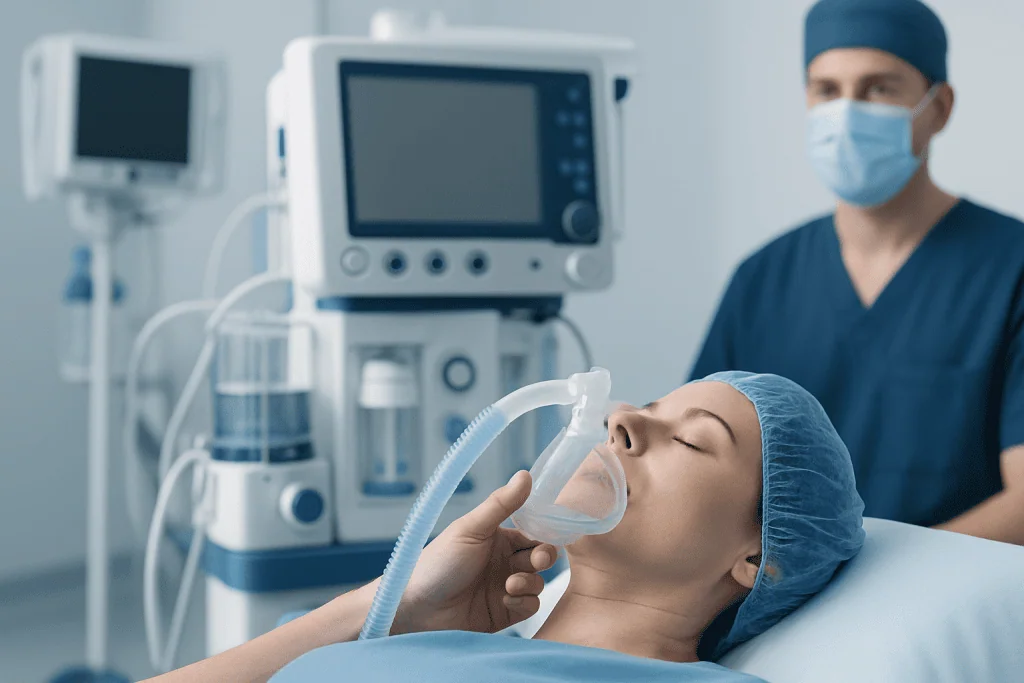
General anesthesia causes a controlled state of unconsciousness and is commonly used for major operations or procedures that would otherwise be uncomfortable or require complete stillness. It is given through intravenous medicines, inhaled anesthetic gases, or both. A breathing device may be used during general anesthesia, which can contribute to temporary throat irritation or hoarseness afterward.
Regional anesthesia numbs a larger area of the body while the person may remain awake or receive sedation. Examples include spinal and epidural anesthesia, often used for surgery below the waist and some childbirth-related care, and nerve blocks used for selected limb or shoulder procedures. Local anesthesia numbs a small, specific area, such as skin before a minor procedure or a tooth during dental treatment.
Monitored anesthesia care, often called procedural sedation, uses medicines to help a person relax and become sleepy while maintaining varying degrees of responsiveness. It may be used for endoscopy, certain imaging studies, or minor surgery. The planned approach can sometimes change during a procedure if safety or comfort requires it.
Common Side Effects During Recovery

After general anesthesia or sedation, drowsiness and slowed thinking are common for the rest of the day and occasionally longer, particularly after lengthy procedures. People may feel unsteady, tired, emotional, or less able to concentrate. For this reason, the care team usually advises arranging a responsible adult to accompany the patient home and avoiding driving, alcohol, important decisions, and operating machinery until the effects have fully worn off.
Nausea and vomiting can occur after anesthesia, especially in people with a prior history of postoperative nausea, motion sickness, migraine, or certain procedure-related risk factors. Anesthesia professionals can often use preventive medicines and adjust the anesthetic plan when these risks are known in advance. Hydration and gradually restarting food and drink according to postoperative instructions may also help.
Other common effects include shivering, feeling cold, dry mouth, headache, muscle aches, itching after some pain medicines, and temporary discomfort at an intravenous line site. A sore throat, hoarse voice, or minor mouth discomfort may occur after use of a breathing tube or airway device. Regional anesthesia can leave numbness, heaviness, or weakness in the treated area for several hours; patients should protect the numb area from pressure, heat, and falls until normal sensation and strength return.
Less Common and Serious Risks
Serious anesthesia complications are rare, but it is helpful to understand why pre-procedure assessment and monitoring matter. Breathing difficulties, aspiration of stomach contents into the lungs, significant changes in blood pressure or heart rhythm, and severe allergic reactions can occur. The anesthesia team is equipped to recognize and treat these events during the procedure and recovery period.
Some patients experience postoperative delirium, which is a temporary state of confusion, agitation, or altered attention. It is more likely in older adults, people with memory impairment, those who are very unwell, and after certain major procedures. It should be reported to the care team, as pain, infection, low oxygen levels, dehydration, medication effects, or other medical issues may contribute. Longer-lasting cognitive concerns should also be assessed rather than assumed to be a normal effect of anesthesia.
Malignant hyperthermia is a very rare inherited reaction to certain general anesthetic medicines. It can cause a dangerous rise in body temperature and severe muscle-related changes during or soon after anesthesia. A personal or family history of an unexplained severe anesthesia reaction, very high fever during surgery, or known malignant hyperthermia should be discussed before any procedure. Awareness during general anesthesia is also uncommon, but patients who have experienced it previously should tell their anesthesiologist.
Factors That Can Affect Anesthesia Safety
Before anesthesia, patients are asked about prior operations, past anesthesia experiences, allergies, medical conditions, and all medicines and supplements they use. Conditions affecting the heart, lungs, kidneys, liver, brain, or sleep can influence planning. Obstructive sleep apnea, for example, may increase sensitivity to sedating medicines and the risk of breathing problems during recovery, so it is important to report a diagnosis, symptoms such as loud snoring or witnessed pauses in breathing, and use of a CPAP device.
Prescription medicines, nonprescription medicines, vitamins, herbal products, alcohol, cannabis, tobacco, and recreational substances can interact with anesthetic or pain medicines. Some may increase sedation, affect bleeding, change blood pressure, or alter how the body processes medicines. Patients should not stop prescribed medicines independently; instead, they should ask the surgical or anesthesia team which medicines to take, hold, or adjust before the procedure. Questions about medication doses should always be directed to the clinician who knows the individual treatment plan.
Pregnancy, older age, frailty, obesity, dehydration, recent illness, and a history of severe nausea after surgery can also be relevant. Fasting instructions are individualized to reduce the risk of aspiration. Following the exact instructions on when to stop solid food and which clear liquids are permitted is important; if instructions are unclear or accidentally not followed, the patient should contact the care team before arriving rather than withholding this information.
How the Care Team Helps Reduce Side Effects
Anesthesia care begins with an assessment and a discussion of the planned procedure. The anesthesiologist or anesthesia professional considers the person’s health, prior reactions, airway, procedure type, expected pain level, and recovery needs. They may select medicines with a lower likelihood of particular side effects, use regional techniques to reduce the need for some systemic pain medicines, or provide preventive treatment for nausea when appropriate.
During anesthesia, safety monitoring is tailored to the procedure and level of sedation. In addition to observing the patient directly, the team monitors oxygenation, ventilation, circulation, and temperature. Afterward, recovery staff monitor for pain, nausea, breathing concerns, bleeding, and return of alertness. Patients are discharged only when recovery criteria appropriate to the setting have been met.
Clear communication supports safer care. Before the procedure, patients can ask about expected symptoms, pain-control options, recovery restrictions, and whom to call after discharge. They should bring an up-to-date medication list, including supplements and inhalers, and report any previous difficulty with anesthesia, severe nausea, a difficult airway, allergies, or family history of anesthesia complications.
When to Seek Medical Care After Anesthesia
Patients should follow the discharge instructions provided for their specific procedure, as surgery-related symptoms may require different advice than anesthesia-related effects. Mild tiredness, temporary nausea, and throat irritation often settle with time. However, a patient should contact the surgical or anesthesia team promptly if vomiting prevents drinking fluids, pain is not controlled by the prescribed plan, numbness or weakness lasts longer than expected, confusion is worsening, or symptoms do not improve as advised.
Urgent medical assessment is needed for trouble breathing, blue or gray lips, chest pain, fainting, severe or rapidly spreading rash, swelling of the face or throat, seizures, severe headache with neurological symptoms, or inability to wake normally. Emergency care is also appropriate for high fever with severe muscle stiffness or other severe symptoms after a recent anesthetic, particularly when there is a known family risk of malignant hyperthermia.
For planned procedures, raising concerns before the day of surgery can prevent avoidable delays and improve preparation. Acibadem International’s multidisciplinary specialists and JCI-accredited hospitals provide assessment and anesthesia care for international patients undergoing diagnostic procedures and surgery. Individual recommendations should always come from the treating clinician, who can account for the patient’s health history and planned treatment.
Frequently asked questions
How long do anesthesia side effects last?
Many common effects, including drowsiness, dizziness, nausea, and a dry mouth, improve within hours after anesthesia or sedation. Tiredness and reduced concentration can sometimes last into the next day, especially after general anesthesia or a long procedure. The procedure itself, pain medicines, sleep disruption, and underlying health conditions can also affect recovery time.
Is nausea after anesthesia normal?
Nausea and vomiting are recognized side effects of anesthesia and surgery, and they are usually treatable. The risk may be higher in people with motion sickness, migraine, previous postoperative nausea, or certain other factors. Patients should tell the anesthesia team about any previous nausea so preventive options can be considered.
Can a person be awake during anesthesia?
A person may be awake during local or regional anesthesia, often with sedation to promote comfort and relaxation. During general anesthesia, the aim is unconsciousness; unintended awareness is uncommon. Anyone who remembers events or experiences distressing sensations during a previous general anesthetic should discuss this before a future procedure.
What should patients tell the anesthesiologist before surgery?
Patients should report all medical conditions, previous anesthesia experiences, allergies, and any family history of serious anesthesia reactions. They should also provide a complete list of prescription and nonprescription medicines, supplements, alcohol use, tobacco or nicotine use, cannabis, and other substances. This information helps the team identify interactions and tailor care safely.
Can anesthesia cause memory problems?
Short-term grogginess, slower thinking, and temporary forgetfulness can occur after anesthesia, particularly in the first hours of recovery. Older adults and people with existing cognitive impairment may be more vulnerable to postoperative delirium, which needs clinical assessment. Persistent, severe, or worsening memory or confusion symptoms should not be ignored and should be discussed with a doctor.
Is it safe to drive after anesthesia?
Patients should not drive themselves home after general anesthesia or most forms of procedural sedation. The medicines can impair alertness, judgment, coordination, and reaction time even when a person feels relatively well. The care team will provide specific advice about when normal activities, including driving, may be resumed.
References
- American Society of Anesthesiologists
- U.S. Food and Drug Administration
- National Institute for Health and Care Excellence
- MedlinePlus, U.S. National Library of Medicine
This article is for general information only and is not a substitute for professional medical advice. Please consult a qualified doctor about your individual situation.
Persistent digestive symptoms? Get evaluated in Turkey
JCI-accredited · board-certified surgeons · reply within 24h
Add us as a Preferred Source to see more of our trusted health content across Google Search, AI Overviews and Discover.
Check your numbers in seconds
BMI, calories, due date, blood pressure and 30+ more clinical calculators — free, instant, doctor-reviewed ranges.

More from the Health Library



Related Specialists

Asst. Prof. Dr. Hilal Kurtoğlu Gümüşel
Cardiology
Prof. Dr. Hakan Turan Çift
Orthopedic Surgery & Traumatology
Dr. Demet Matben
Pediatrics
Dt. Ferah Kuybulu
Oral & Dental Health