Anesthetic for Endoscopy: Preparation, Procedure and Results
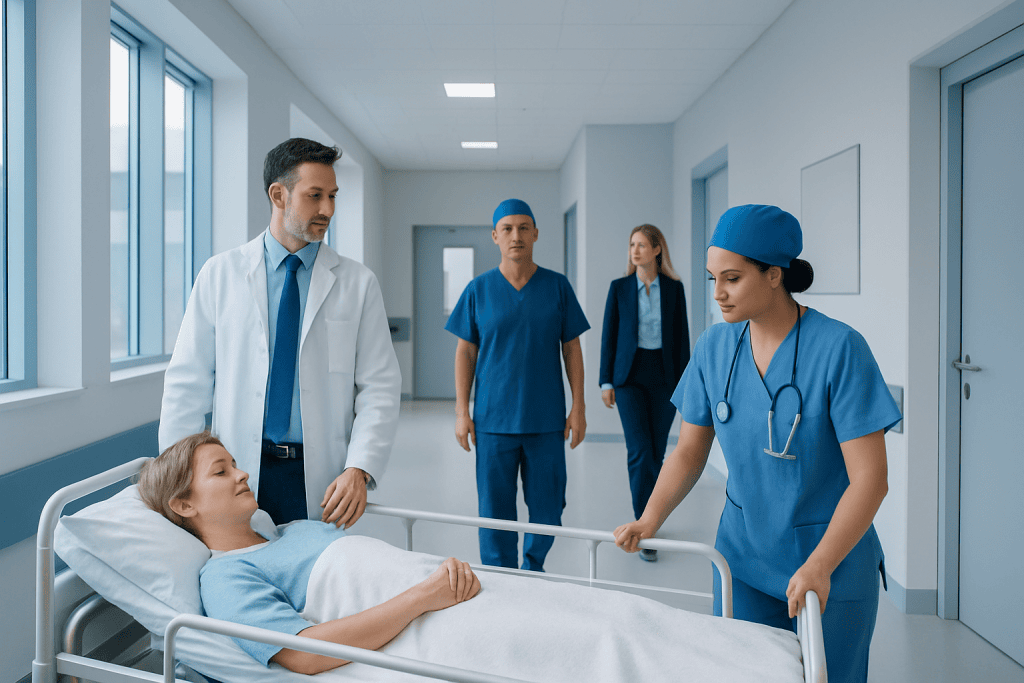
Endoscopy may be performed with local throat numbing, sedation, or deeper anesthesia depending on the procedure and individual needs. Sedation reduces awareness and discomfort but does not always mean complete unconsciousness.
Key Takeaways
- Endoscopy may be performed with local throat numbing, sedation, or deeper anesthesia depending on the procedure and individual needs.
- Sedation reduces awareness and discomfort but does not always mean complete unconsciousness.
- Patients need clear fasting instructions and must tell the clinical team about medicines, allergies, pregnancy, and health conditions.
- After sedated endoscopy, driving, alcohol, important decisions, and operating machinery should usually be avoided until the next day.
- Most people recover quickly, but severe pain, persistent vomiting, breathing trouble, fever, or bleeding requires urgent medical advice.
Anesthetic for endoscopy is selected according to the type of examination, a person’s health history, and the expected complexity of the procedure. Options may include numbing throat spray, light or moderate sedation, or deep sedation with medicines such as propofol, with monitoring throughout the examination.
Overview: What Anesthetic for Endoscopy Means
Anesthetic for endoscopy helps make an examination of the digestive tract more comfortable and manageable. Depending on the test, it may involve a local anesthetic spray that numbs the throat, sedative medicines given through a vein, or deeper sedation administered and monitored by an anesthesia professional.
Upper gastrointestinal endoscopy examines the esophagus, stomach, and first part of the small intestine using a flexible camera passed through the mouth. Colonoscopy examines the large bowel through the rectum. Anesthesia for endoscopy and colonoscopy is individualized: some people remain awake but relaxed, while others have little or no memory of the procedure.
The goal is not simply sleep. The clinical team aims to control discomfort, gagging, anxiety, and movement while maintaining safe breathing, circulation, and appropriate monitoring. The gastroenterologist and anesthesia team will recommend the option that best fits the planned examination and the patient’s medical history.
How Sedation and Anesthesia Work During Endoscopy
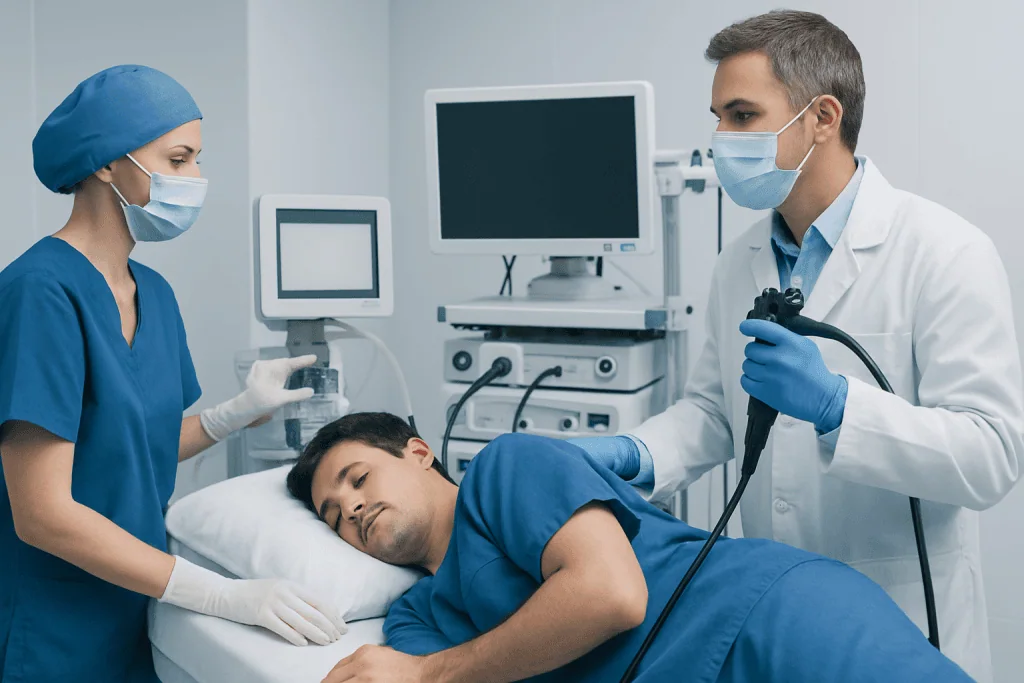
For an upper endoscopy, a local anesthetic throat spray may be used to reduce throat sensation and suppress the gag reflex. Some patients have the procedure with this approach alone. Others receive intravenous sedation, which creates calmness and drowsiness while allowing them to breathe independently.
Moderate sedation generally means a person is sleepy and relaxed but may respond to voice or gentle touch. Deep sedation produces a deeper level of sleep-like unresponsiveness and is often achieved with propofol. General anesthesia, in which a person is fully unconscious and breathing may be supported with an airway device, is less common for routine gastrointestinal endoscopy but may be appropriate for selected complex procedures or specific medical circumstances.
During anesthesia for gastrointestinal endoscopy in adults, staff monitor oxygen level, heart rate, blood pressure, breathing, and responsiveness. Supplemental oxygen is commonly provided. The exact plan can change if the procedure becomes longer or more complex than expected, always with patient safety as the priority.
Endoscopy can investigate symptoms such as swallowing difficulty, anemia, persistent reflux, abdominal pain, or bowel changes. Related digestive conditions may include gastritis, which can sometimes be assessed through upper endoscopy and biopsy when clinically indicated.
Who May Need a Different Anesthesia Plan?
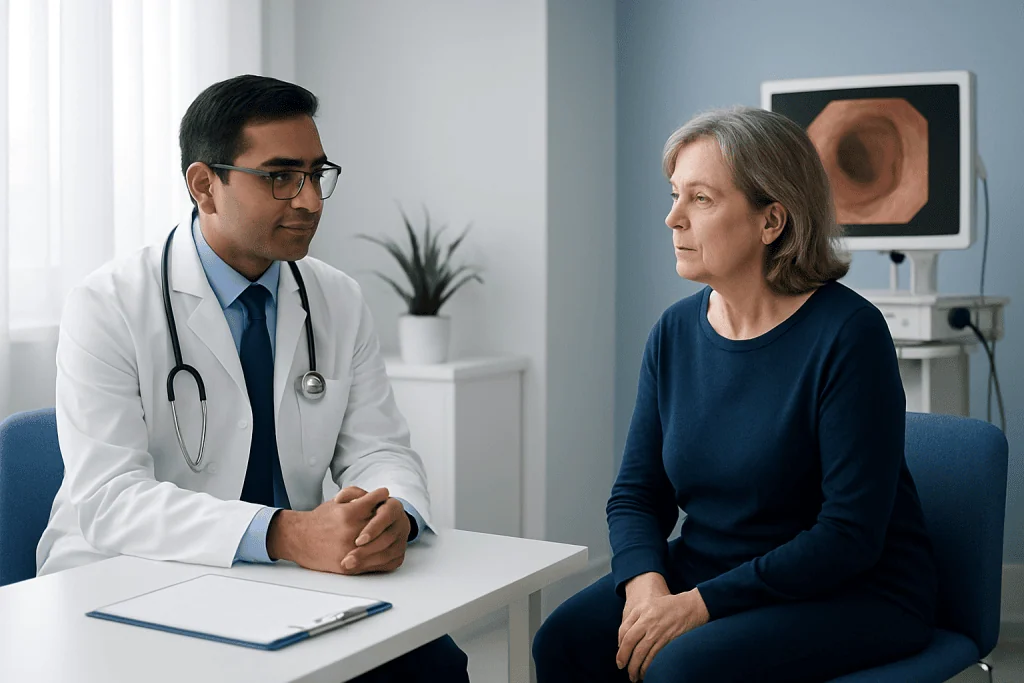
Most adults can safely receive an anesthetic for endoscopy after an appropriate pre-procedure assessment. The team considers the purpose and anticipated duration of the test, previous experiences with anesthesia, current symptoms, and whether tissue samples, polyp removal, or treatment may be needed during the examination.
It is especially important to discuss obstructive sleep apnea, lung or heart disease, kidney or liver disease, diabetes, seizure disorders, obesity, pregnancy, reflux with aspiration risk, and previous anesthesia complications. People who use alcohol regularly, take sedatives or opioid medicines, or have allergies may also need an adjusted plan.
Patients should provide a complete list of prescription medicines, over-the-counter products, vitamins, and herbal supplements. Blood thinners, diabetes medicines, weight-loss medicines that affect stomach emptying, and some anti-inflammatory medicines may require specific instructions. No medicine should be stopped without guidance from the prescribing clinician or endoscopy team.
For people needing diagnostic or therapeutic digestive procedures, endoscopy services may include pre-assessment, sedation planning, the examination itself, and follow-up guidance tailored to the findings.
What Should I Avoid Before an Endoscopy?
Before an endoscopy, patients should avoid food and drink for the period specified by their clinical team. Fasting reduces the risk that stomach contents could enter the lungs during sedation. Instructions differ depending on the procedure, the time it is scheduled, and a person’s health needs, so the endoscopy center’s directions should always take priority.
Patients should not consume alcohol or recreational drugs before the procedure. They should also avoid making unapproved changes to regular medicines. For colonoscopy, bowel preparation is essential and usually includes a prescribed cleansing regimen, dietary adjustments, and clear-fluid instructions. An incomplete bowel preparation can reduce visibility and may mean the examination needs to be repeated.
It is sensible to leave jewelry and valuables at home, wear comfortable clothing, and bring identification, medication information, and any requested medical records. Anyone receiving intravenous sedation or deep sedation should arrange for a responsible adult to take them home and ideally remain available afterward.
- Do not eat or drink outside the fasting plan provided by the care team.
- Do not smoke, vape, drink alcohol, or use recreational drugs before the procedure.
- Do not drive yourself home if sedation or anesthesia is planned.
- Do report new illness, fever, breathing symptoms, pregnancy, or a change in medicines before arrival.
Step by Step: The Anesthesia Procedure for Endoscopy
On arrival, a nurse typically confirms identity, medical history, allergies, fasting status, medicines, and the planned procedure. The patient may change into a gown, have vital signs measured, and receive an intravenous line if sedation is planned. The clinician explains the procedure, answers questions, and asks for informed consent.
For upper endoscopy, removable dentures may need to be taken out and a mouth guard is usually placed to protect the teeth and endoscope. Throat spray may be used before sedation. For colonoscopy, the patient usually lies on the left side. A member of the team gives the chosen sedative or anesthetic, then the procedure begins once the patient is comfortable.
During the examination, the team continuously monitors the patient. The endoscopist may take biopsies, remove certain polyps, stop minor bleeding, or perform other treatments when appropriate. Biopsies are common and are usually painless because the digestive lining does not feel cutting in the same way skin does.
Afterward, the patient is observed in a recovery area until alertness, breathing, blood pressure, and comfort are satisfactory. If a sedative has been given, early memory may be patchy; this is an expected effect for many patients and makes it helpful to have written discharge instructions.
Do You Actually Sleep on Propofol?
Many people appear to be asleep during propofol sedation and have no memory of the endoscopy. Propofol commonly produces deep sedation quickly, so patients may not respond to conversation and may awaken only as the medicine wears off. However, deep sedation is medically different from general anesthesia, and the level of sedation can vary during the procedure.
With propofol, patients usually continue breathing on their own, but breathing can become slower or temporarily less effective. This is why trained professionals monitor oxygen levels, breathing, circulation, and level of consciousness throughout the procedure. In some situations, airway support or a different anesthesia approach may be needed.
Propofol is not automatically the best choice for every person or every endoscopy. The decision depends on procedure complexity, anxiety level, prior sedation experiences, coexisting health conditions, and local clinical protocols. A qualified anesthesia professional can explain the expected level of awareness and the safety measures used.
Do You Still Gag With a Sedation Endoscopy?
Gagging can still occur during a sedation endoscopy, particularly during the first moments when the endoscope passes through the throat. However, throat numbing spray and intravenous sedation usually reduce the gag reflex substantially. Under deeper sedation, many people have little awareness of the sensation and no recollection afterward.
Gagging is a protective reflex, not a sign that something has gone wrong. The endoscopy team is accustomed to managing it and can adjust positioning, suction secretions, offer reassurance, or modify sedation when clinically appropriate. Patients should tell the team before the procedure if they have a strong gag reflex, severe anxiety, loose teeth, or a past difficult endoscopy.
For an upper endoscopy without intravenous sedation, gagging may be more noticeable, but the test can still be tolerable for many people with careful coaching and throat anesthesia. The right approach is the one that balances comfort, safety, and the person’s preferences after discussion with the care team.
How Long Does It Take to Recover From Anesthesia After an Endoscopy?
Most people begin waking within minutes after sedatives are stopped and spend about one to two hours in the recovery area, although timing varies. Drowsiness, slower reaction time, mild nausea, bloating, or a sore throat can continue for several hours. Following deeper sedation or general anesthesia, tiredness may last into the following day.
For this reason, patients should generally avoid driving, cycling in traffic, operating machinery, drinking alcohol, signing important documents, making major decisions, or caring alone for young children until the next day or for the period advised by their clinicians. They should rest at home, begin with food and fluids as instructed, and follow any procedure-specific dietary advice.
Mild gas discomfort after colonoscopy and a temporary scratchy throat after upper endoscopy are common. If biopsies or polyps were removed, the endoscopist may provide additional guidance about diet, activity, and medicines. Test findings may be discussed immediately, while biopsy results usually take longer.
Acibadem International’s multidisciplinary specialists and JCI-accredited hospitals provide diagnostic endoscopy and anesthesia planning for international patients, with follow-up guided by the individual procedure and findings.
Benefits, Risks and When to Seek Medical Care
The main benefit of sedation or anesthesia for endoscopic procedures is improved comfort and tolerance. It can allow a more complete examination and, when needed, treatment during the same procedure. Endoscopy can also help identify causes of symptoms and guide further care without surgery.
Serious complications from sedation are uncommon, but possible risks include low oxygen levels, low blood pressure, nausea, vomiting, allergic reaction, aspiration of stomach contents, and heart or breathing problems. Risks may be higher in people with significant medical conditions, which is why pre-procedure screening and monitoring are important. Endoscopy itself also has uncommon risks, such as bleeding or perforation, especially when a treatment is performed.
When to seek medical care: Patients should contact the endoscopy team promptly for worsening or severe abdominal, chest, or throat pain; persistent vomiting; fever; trouble swallowing; shortness of breath; fainting; black stools; or more than a small amount of rectal bleeding after the procedure. Emergency care is appropriate for severe breathing difficulty, heavy bleeding, severe chest pain, or rapidly worsening symptoms.
People with ongoing digestive symptoms may need further assessment even if an endoscopy is normal. Depending on symptoms and findings, clinicians may also evaluate related concerns such as gastroesophageal reflux disease or recommend a colonoscopy as part of a broader digestive health plan.
Frequently asked questions
Is anesthesia always needed for an endoscopy?
No. Some upper endoscopies can be performed with throat numbing spray alone, while others use light, moderate, or deep sedation. The recommended option depends on the type of procedure, expected duration, medical history, anxiety level, and personal preferences.
Can a person feel pain during a sedated endoscopy?
Most people feel little discomfort with appropriate sedation, though pressure, bloating, or brief throat sensations can occur. Sedation reduces awareness and discomfort, but it may not remove every sensation. The team can respond if a patient appears uncomfortable.
Do you still gag with a sedation endoscopy?
It is possible to gag briefly, especially as the scope enters the throat, but throat spray and sedation usually reduce this reflex. With deeper sedation, many patients are not aware of gagging and do not remember it afterward. A strong gag reflex should be discussed before the procedure.
Do you actually sleep on propofol?
Propofol often produces deep sedation that feels like sleep, and many people do not remember the procedure. It is different from general anesthesia because patients often continue to breathe independently, although careful airway and breathing monitoring is still essential. The depth of sedation is tailored to the patient and procedure.
How long does it take to recover from anesthesia after an endoscopy?
Many patients are ready to leave the recovery area within one to two hours, but drowsiness and slower reactions can last for the rest of the day. After sedatives or deeper anesthesia, patients should usually avoid driving, alcohol, machinery, and important decisions until the next day. Recovery time can be longer for some people.
What should I avoid before an endoscopy?
Patients should follow the fasting instructions given by their endoscopy team and should not drink alcohol, use recreational drugs, or make unapproved medication changes. For colonoscopy, completing the bowel preparation exactly as instructed is important. Anyone who develops a new illness or has questions about regular medicines should contact the clinical team before the appointment.
References
- American Society for Gastrointestinal Endoscopy
- American Society of Anesthesiologists
- National Institute of Diabetes and Digestive and Kidney Diseases
- National Health Service
- World Gastroenterology Organisation
This article is for general information only and is not a substitute for professional medical advice. Please consult a qualified doctor about your individual situation.
Persistent digestive symptoms? Get evaluated in Turkey
JCI-accredited · board-certified surgeons · reply within 24h
Add us as a Preferred Source to see more of our trusted health content across Google Search, AI Overviews and Discover.
Check your numbers in seconds
BMI, calories, due date, blood pressure and 30+ more clinical calculators — free, instant, doctor-reviewed ranges.

More from the Health Library


Related Specialists
Ahmet Turan
Physical Medicine & Rehabilitation
Prof. Dr. Sarper Karaküçük
Ophthalmology
Dr. Aslıhan Sanem Özata
Anesthesiology
Fzt. Fırat Çenberci
Physical Medicine & Rehabilitation