Angelina Jolie Mastectomy: Procedure, Recovery and Results

Angelina Jolie underwent a preventive bilateral mastectomy in 2013 because of her inherited BRCA1-related cancer risk. Risk-reducing mastectomy can substantially lower breast cancer risk but does not remove it completely.
Key Takeaways
- Angelina Jolie underwent a preventive bilateral mastectomy in 2013 because of her inherited BRCA1-related cancer risk.
- Risk-reducing mastectomy can substantially lower breast cancer risk but does not remove it completely.
- Reconstruction may use implants or a person’s own tissue, and some people choose aesthetic flat closure instead.
- Physical healing commonly takes several weeks, while emotional adjustment and reconstructive care can take longer.
- Genetic counseling and a breast-specialist consultation help determine whether preventive surgery is appropriate.
The Angelina Jolie mastectomy was a risk-reducing double mastectomy chosen after she learned she carried a BRCA1 gene mutation associated with a high lifetime risk of breast and ovarian cancer. Her decision increased public awareness of genetic counseling, individualized cancer prevention, and the range of reconstruction or flat-closure choices available after mastectomy.
Angelina Jolie Mastectomy: What Happened and Why
The Angelina Jolie mastectomy was a preventive, or risk-reducing, double mastectomy. In 2013, Jolie publicly shared that she had chosen surgery after genetic testing showed a BRCA1 mutation. This inherited gene change is linked with a substantially increased risk of breast cancer and ovarian cancer. Her experience is personal and cannot determine what is right for another person, but it helped many people learn about inherited cancer risk.
In a bilateral mastectomy, breast tissue is removed from both breasts. When it is performed before cancer develops in someone at very high inherited risk, it is called bilateral risk-reducing mastectomy. Jolie’s surgery included breast reconstruction, which may be performed at the same operation or in stages. The phrase “Angelina post mastectomy” often refers to her public discussion of recovery, reconstruction, and genetic risk awareness.
Preventive mastectomy can reduce the chance of developing breast cancer considerably for selected high-risk individuals, but no operation can reduce risk to zero because a small amount of breast tissue may remain. Decisions should be made with a multidisciplinary team, usually including a breast surgeon, genetic counselor, medical oncologist when appropriate, plastic surgeon, and mental health professional or support service.
Who May Consider a Preventive Mastectomy?
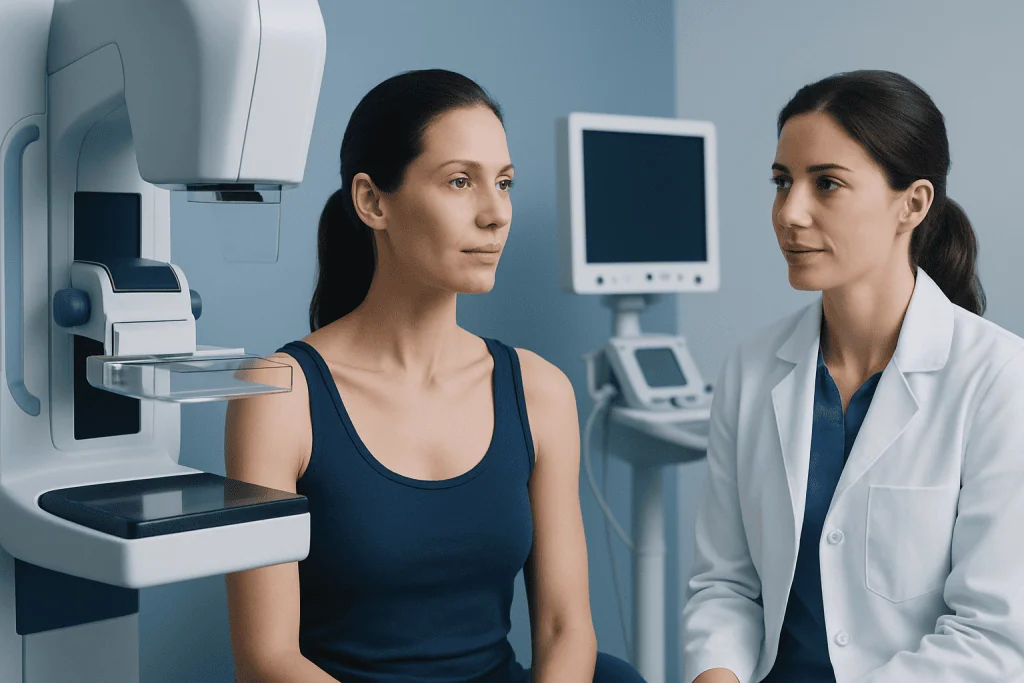
Risk-reducing mastectomy is not routinely recommended for everyone with a family history of breast cancer. It may be discussed with people who have a proven high-risk inherited mutation, such as BRCA1 or BRCA2, or certain other genes associated with hereditary breast cancer. It can also be considered in carefully selected people with a very strong family history, previous chest radiation at a young age, or certain high-risk breast findings.
Before recommending surgery, clinicians review genetic test results, personal and family cancer history, breast imaging, general health, reproductive plans, body image concerns, and personal preferences. Genetic counseling is especially important because it clarifies what a genetic result means for the individual and potentially for biological relatives.
Alternatives may include enhanced surveillance, such as regular breast MRI and mammography at intervals advised by a specialist, and risk-reducing medicines for some people. These approaches do not offer the same degree of risk reduction as preventive surgery, but they may be the preferred choice for others. A shared decision-making discussion allows time to consider benefits, limitations, and practical consequences.
How Does a Double Mastectomy Work?
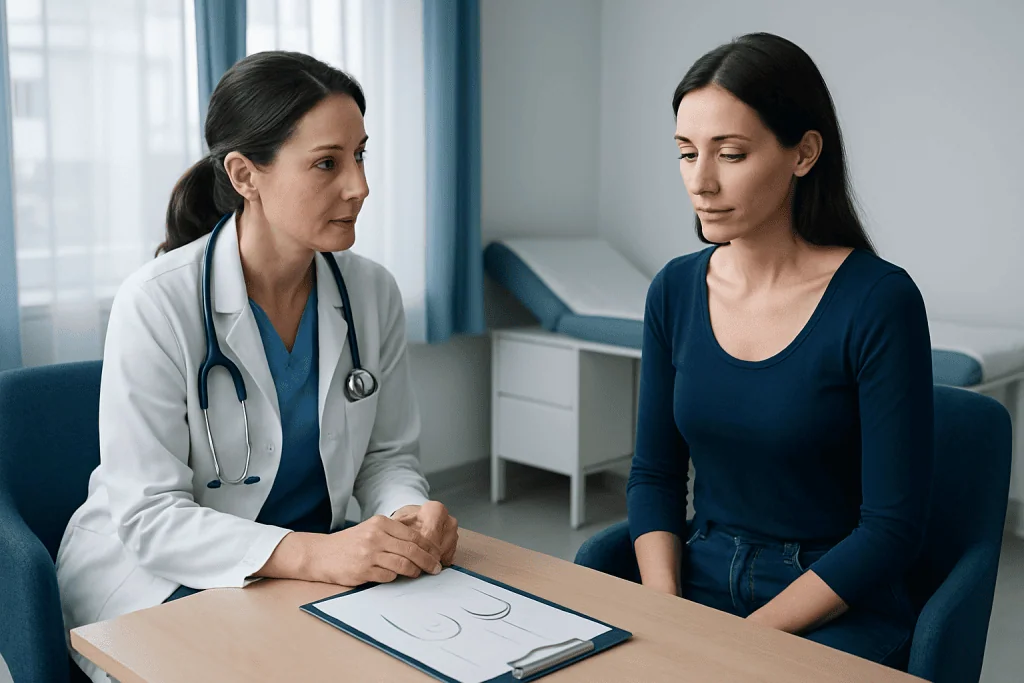
A mastectomy is planned after a detailed consultation, examination, imaging review, and discussion of reconstruction options. The exact operation varies. In some preventive procedures, surgeons can preserve the skin and, when medically appropriate, the nipple-areola complex; these are called skin-sparing and nipple-sparing mastectomies. In other situations, more skin or the nipple must be removed to achieve the safest surgical result.
On the day of surgery, the patient receives general anesthesia. The breast surgeon removes as much breast glandular tissue as safely possible through planned incisions, while preserving healthy tissue where appropriate. Lymph node surgery is generally not needed for a purely preventive operation without signs of cancer, although the plan may change if cancer is found or suspected.
Reconstruction can be immediate or delayed. Immediate reconstruction begins during the mastectomy operation and may involve implants, temporary tissue expanders, or tissue transferred from another area of the body. Reconstruction is optional; some people prefer no reconstruction and may choose an aesthetic flat closure. A consultation about breast reconstruction options can help a person understand the likely stages, scars, recovery needs, and expected outcomes.
Hospital stay varies by the type of surgery, reconstruction, pain control needs, and overall health. Surgical drains are often used temporarily to remove fluid from the wound area. The care team explains incision care, drain management, movement restrictions, and follow-up before discharge.
Recovery Timeline, Results, Risks and Benefits
Recovery after mastectomy is individual. During the first several days, soreness, tightness, tiredness, numbness, bruising, and limited arm movement are common. Drains, if used, usually remain in place for a short period until output is low enough for safe removal. Pain management, gentle movement, and instructions from the surgical team can support comfort and reduce stiffness.
Many people can manage basic daily activities within one to two weeks, but may need several weeks before returning to work, driving, exercise, lifting, or more demanding routines. Healing is often longer after flap reconstruction because another area of the body is also operated on. Scars continue to mature over months, and sensation in the chest or reconstructed breast may be permanently changed.
The central benefit of preventive bilateral mastectomy is a major reduction in future breast cancer risk for appropriately selected high-risk patients. Potential risks include bleeding, infection, fluid collection, delayed wound healing, persistent pain, changes in sensation, asymmetry, visible scarring, implant-related complications, and the need for additional procedures. Emotional responses can include relief, grief, uncertainty, or altered body image, and all are valid reasons to seek support.
Reconstruction can restore breast shape but cannot recreate every aspect of a natural breast, including usual sensation. The best result is one aligned with the person’s priorities and health needs. Ongoing follow-up remains important after risk-reducing surgery, including discussion of any remaining cancer risks linked with hereditary mutations.
Did Angelina Jolie Get a Boob Job After a Mastectomy?
Angelina Jolie described having breast reconstruction as part of her preventive mastectomy process. Although people sometimes use the term “boob job,” that phrase usually refers to cosmetic breast augmentation and is not medically precise in this setting. Post-mastectomy reconstruction is reconstructive surgery intended to restore breast contour after breast tissue has been removed.
Published accounts indicate that Jolie underwent reconstruction involving implants and staged procedures. However, details of any individual’s medical care are personal, and the key point is that reconstruction after mastectomy is a choice rather than a requirement. A person may choose implant reconstruction, reconstruction using their own tissue, delayed reconstruction, or no breast mound reconstruction.
When considering reconstruction, the team discusses cancer-risk context, anatomy, prior surgery or radiation, smoking status, other medical conditions, recovery time, and personal goals. Plastic and reconstructive surgeons can explain whether an implant-based approach or tissue-flap reconstruction is likely to be suitable.
What Celebrities Have Gone Flat After a Mastectomy?
Some public figures have spoken openly about choosing no breast reconstruction after mastectomy, often calling this choice “going flat” or choosing aesthetic flat closure. Examples frequently discussed in public interviews and advocacy conversations include comedian Tig Notaro and author/advocate Audre Lorde, who wrote about her experience after mastectomy. Their stories may help normalize different choices, but they should not be used as medical guidance for an individual.
Going flat can mean declining reconstruction from the outset, removing prior implants, or asking the surgeon to create a smooth, symmetrical chest contour. The option deserves the same careful preoperative discussion as reconstruction. People should feel able to ask for photographs of surgical results, discuss scar placement and contour, and express what matters most to them.
There is no universally “right” post-mastectomy appearance. The appropriate decision depends on health circumstances, desired recovery path, comfort, identity, and preferences. Counseling, patient-support organizations, and conversations with the breast and plastic surgery teams can be helpful before surgery.
How Long Does It Take to Heal After a Mastectomy Surgery?
Initial wound healing after a mastectomy commonly takes several weeks, but complete recovery is not defined by one date. Many patients feel progressively more comfortable during the first two to six weeks. Recovery may take longer when mastectomy is combined with reconstruction, particularly reconstruction using tissue from the abdomen, back, thighs, or another donor site.
Follow the surgeon’s instructions about showering, drain care, sleeping positions, arm exercises, lifting, driving, and returning to work. A physiotherapist may help restore shoulder range of motion and address tightness. Gradual activity is usually encouraged, while strenuous exercise and heavy lifting are delayed until the team confirms the tissues have healed adequately.
It is also normal for recovery to include emotional changes. Some people feel ready to resume usual life quickly; others need more time to adjust to scars, numbness, treatment decisions, or a changed body image. Speaking with a counselor, support group, or trusted healthcare professional can be an important part of healing.
What I Wish I Knew Before a Mastectomy
People reflecting on mastectomy often say they wish they had understood that decisions can be individualized. It can help to ask whether the surgery is medically necessary, preventive, or part of cancer treatment; what alternatives exist; and whether there is time to consider options. For a preventive mastectomy, genetic counseling and a second surgical opinion may provide added confidence in the decision.
It is useful to discuss the possibility of numbness, tightness, scars, drains, temporary limits on independence, and the chance that reconstruction may require more than one procedure. Asking about likely recovery milestones, time away from work or caregiving, physical therapy, and who to contact outside office hours can make planning easier.
Before surgery, patients may also wish to discuss sexual wellbeing, body image, clothing choices, sleep comfort, and emotional support. Bringing a written list of questions and a support person to appointments can be useful. The breast cancer and surgery teams can also explain related topics such as breast cancer risk assessment and long-term surveillance.
When to Seek Medical Care
Anyone concerned about hereditary breast cancer risk should arrange a medical consultation, especially if several close relatives have had breast, ovarian, pancreatic, prostate, or male breast cancer; cancer occurred at a younger age; or a family member has a known inherited mutation. A clinician can assess whether referral for genetic counseling and testing is appropriate.
After mastectomy, contact the surgical team promptly for increasing redness, warmth, swelling, drainage with a concerning odor, fever, worsening pain, opening of the incision, sudden breast or chest swelling, or a drain problem. Urgent evaluation is also needed for chest pain, shortness of breath, coughing blood, fainting, or one-sided leg swelling, as these can signal serious complications.
For international patients, Acibadem International’s multidisciplinary specialists and JCI-accredited hospitals provide assessment and treatment planning for hereditary breast cancer risk and breast surgery. Individual recommendations should always follow an in-person clinical assessment and discussion with qualified professionals.
Frequently asked questions
Why did Angelina Jolie have a double mastectomy?
Angelina Jolie chose a preventive bilateral mastectomy after learning she carried a BRCA1 mutation. BRCA1 mutations are associated with a higher-than-average lifetime risk of breast and ovarian cancer. Her choice was based on her personal risk profile and does not mean the same procedure is appropriate for everyone.
Did Angelina Jolie get a boob job after a mastectomy?
Jolie publicly described undergoing breast reconstruction after her preventive mastectomy. Reconstruction after mastectomy differs from elective cosmetic augmentation because it aims to restore breast shape after breast tissue removal. Reconstruction may involve implants, a person’s own tissue, or staged procedures.
What celebrities have gone flat after a mastectomy?
Some public figures, including Tig Notaro and Audre Lorde, have spoken about living without breast reconstruction after mastectomy. This is often described as going flat or choosing aesthetic flat closure. It is a valid option, alongside implant reconstruction and tissue-based reconstruction.
How long does it take to heal after a mastectomy surgery?
Basic recovery often takes several weeks, and many people return gradually to everyday activities during this period. Recovery can be longer if reconstruction is performed, especially with tissue-flap surgery. Scar maturation, changes in sensation, and emotional adjustment may continue for months.
Can a mastectomy prevent breast cancer completely?
No. Risk-reducing mastectomy greatly lowers breast cancer risk in people with certain inherited risk factors, but it cannot eliminate the risk completely. A small amount of breast tissue may remain, so ongoing care and individualized follow-up are still important.
What I wish I knew before a mastectomy?
Many people wish they had known more about numbness, scars, drains, recovery limits, and the possibility of needing staged reconstruction. It is also helpful to know that reconstruction is optional and that emotional responses after surgery can vary widely. A detailed discussion with the surgical team can help a person prepare for both physical and practical needs.
References
- National Cancer Institute
- Centers for Disease Control and Prevention
- American Cancer Society
- National Comprehensive Cancer Network
- American Society of Plastic Surgeons
This article is for general information only and is not a substitute for professional medical advice. Please consult a qualified doctor about your individual situation.
Oncology care in Turkey — second opinion and treatment plan
JCI-accredited · board-certified surgeons · reply within 24h
Add us as a Preferred Source to see more of our trusted health content across Google Search, AI Overviews and Discover.