Anterior Pelvic Tilt: What Patients Need to Know

Anterior pelvic tilt describes the position of the pelvis, not a disease by itself. Some people have anterior pelvic tilt without symptoms, while others develop lower back, hip, or muscle discomfort.
Key Takeaways
- Anterior pelvic tilt describes the position of the pelvis, not a disease by itself.
- Some people have anterior pelvic tilt without symptoms, while others develop lower back, hip, or muscle discomfort.
- Contributing factors may include muscle imbalance, prolonged sitting, weak core control, pregnancy, body mechanics, or certain structural issues.
- Treatment usually focuses on posture awareness, stretching, strengthening, and addressing the underlying cause of pain.
- A doctor should assess persistent pain, weakness, numbness, walking changes, or symptoms after injury.
Anterior pelvic tilt is a posture pattern in which the front of the pelvis rotates downward and the back rises slightly, often increasing the arch in the lower back. It is not always a medical problem, but when it causes pain, stiffness, or movement difficulties, evaluation and targeted treatment can help.
Overview: What anterior pelvic tilt means
Anterior pelvic tilt is a forward rotation of the pelvis. When this happens, the front of the pelvis tips down and the lower back may look more arched than usual. Many people notice it as a posture pattern rather than an illness, and in some cases it causes no symptoms at all.
It is helpful to think of anterior pelvic tilt as one part of the body’s alignment. The pelvis, spine, hips, abdominal muscles, and leg muscles all work together to keep a person balanced when standing, walking, and sitting. If one area is tight, weak, or compensating for another, the pelvic position may change.
Not everyone with this posture needs treatment. However, if anterior pelvic tilt is linked to pain, reduced flexibility, fatigue with standing, or limits in activity, a medical assessment can help identify whether the issue is mainly muscular, related to joint mechanics, or associated with another spine or hip condition.
Signs and symptoms
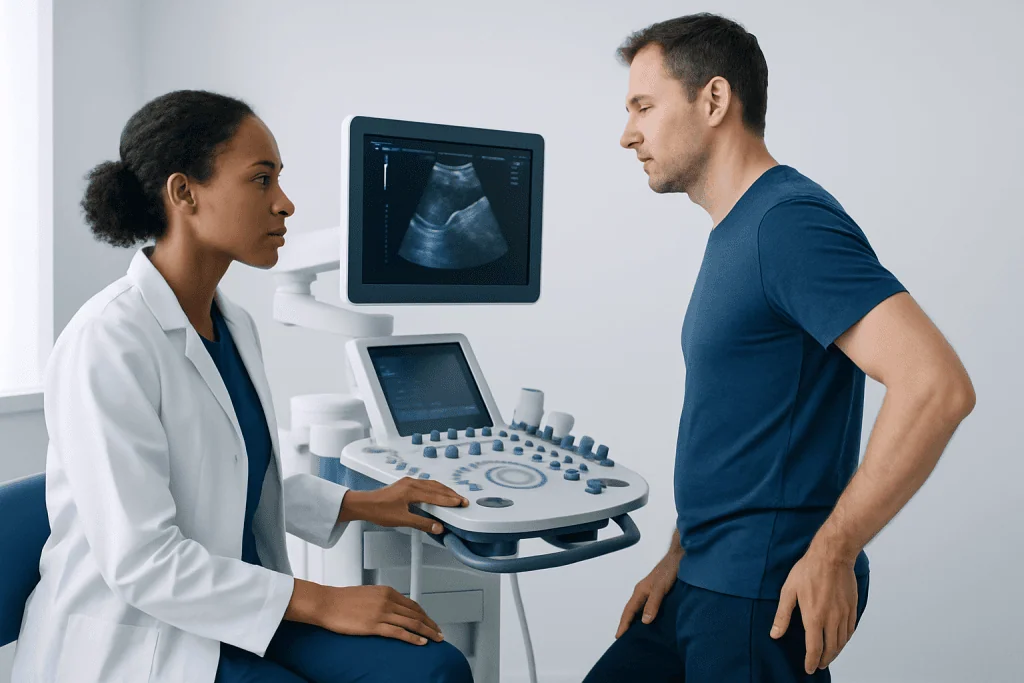
Anterior pelvic tilt often changes how the body looks and feels. A person may notice the abdomen projecting forward, the buttocks appearing more prominent, or a deeper curve in the lower back. These changes do not automatically mean there is a serious problem, but they can sometimes be associated with discomfort.
Symptoms vary from person to person. Some have no pain, while others feel tightness in the hip flexors, stiffness in the lower back, aching after long periods of standing, or muscle fatigue during exercise. There may also be discomfort in the hips, buttocks, or thighs if surrounding muscles are overworking to maintain posture.
Common symptoms can include:
- Lower back discomfort or stiffness
- Tightness at the front of the hips
- Hamstring or gluteal weakness
- Postural fatigue when standing or walking
- Reduced hip extension during movement
- Difficulty maintaining neutral posture
If symptoms overlap with conditions such as lumbar disc herniation or another spinal problem, medical evaluation is important because treatment may need to go beyond posture exercises alone.
Causes and risk factors
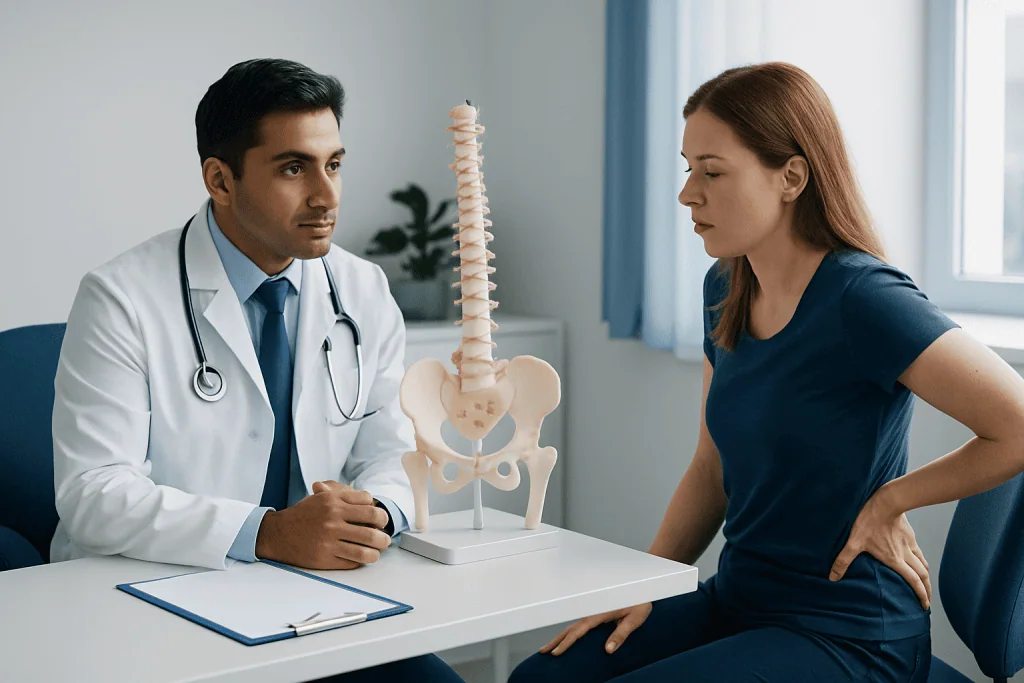
Anterior pelvic tilt usually develops from a combination of movement habits, muscle function, and body structure. A common pattern involves tight hip flexor muscles at the front of the hips and weakness or reduced activation in the abdominal and gluteal muscles. This can encourage the pelvis to rotate forward over time.
Long hours of sitting may contribute because the hips remain in a flexed position, which can increase tightness in nearby muscles. Repetitive activities, certain sports, pregnancy-related body changes, excess abdominal weight, or reduced conditioning can also influence posture. In some people, the way the spine and pelvis are naturally shaped may make anterior tilt more noticeable.
Risk factors and contributors may include:
- Prolonged sitting and low activity levels
- Poor core muscle control
- Tight hip flexors or lower back muscles
- Weak abdominal, gluteal, or hamstring muscles
- Pregnancy and postpartum changes
- Certain spinal or hip alignment differences
Importantly, posture is not the only possible cause of back or hip pain. Problems involving the sacroiliac joint, hip joint, or spine may look similar. That is why an individualized assessment is often more useful than assuming every person with a tilted pelvis needs the same exercises.
How doctors diagnose it
Diagnosis begins with a clinical history and physical examination. A doctor or physiotherapist typically asks when symptoms started, what activities make them better or worse, whether there has been an injury, and whether there are warning signs such as numbness, weakness, bowel or bladder changes, or night pain.
During the examination, posture is assessed from the side and from behind, but diagnosis does not rely on appearance alone. The clinician may look at spinal curvature, pelvic position, gait, hip mobility, muscle length, core control, and the way the patient performs basic movements such as squatting, bending, and walking.
Imaging is not always needed for uncomplicated anterior pelvic tilt. However, tests may be recommended if symptoms suggest another condition, if pain is persistent, or if there is concern about the spine, hips, or joints. In these cases, doctors may use clinical assessment together with imaging and, if appropriate, MRI scanning or other evaluations to clarify the cause of symptoms.
The main goal of diagnosis is not simply to label the posture. It is to determine whether the pelvic tilt is a harmless variation, a contributor to pain, or a sign that another musculoskeletal issue needs attention.
Treatment options and rehabilitation
Treatment depends on symptoms rather than on posture alone. If anterior pelvic tilt is causing discomfort or limiting function, care usually focuses on improving movement patterns, reducing muscle imbalance, and addressing any related back or hip condition. Many people benefit from a structured rehabilitation plan rather than trying random stretches from the internet.
Physical therapy is often central to treatment. A therapist may guide hip flexor stretching, abdominal and deep core activation, glute strengthening, hamstring strengthening, and training for standing, walking, lifting, and exercise technique. In some cases, patients also benefit from physical therapy and rehabilitation to improve flexibility, endurance, and body mechanics over time.
Additional treatment may include temporary activity modification, heat or cold for symptom relief, and medical advice on pain management. If symptoms are linked to a spine disorder, hip pathology, or nerve compression, treatment is directed toward that diagnosis. For patients with ongoing lower back symptoms, doctors may also evaluate whether spine surgery is relevant, although surgery is not a treatment for routine anterior pelvic tilt itself.
Recovery is often gradual. The aim is usually better comfort, function, and control rather than achieving a perfectly straight posture. A sustainable program that fits daily life tends to be more effective than short-term intensive efforts.
Self-care, posture habits, and prevention
Self-care can support treatment and may help prevent symptoms from returning. The most helpful strategies are usually consistent and simple: moving regularly, avoiding very long periods of sitting, and building strength in the muscles that support the trunk and hips. Good posture is less about holding the body rigidly and more about being able to change positions comfortably.
Patients are often advised to break up sitting time, use a supportive workstation setup, and include mobility work for the hips and thoracic spine if recommended by a clinician. Exercises that improve glute and abdominal strength can help the body tolerate daily activities better. Gentle walking, supervised stretching, and progressive strengthening are often useful.
Helpful self-care measures may include:
- Standing up and moving every 30 to 60 minutes if sitting for long periods
- Following a clinician-guided stretching and strengthening routine
- Improving lifting, exercise, and work ergonomics
- Maintaining a healthy activity level
- Gradually returning to activities after pain flares
Because different conditions can cause similar symptoms, self-treatment should not replace medical care when pain is significant or persistent. Near the end of the care pathway, some international patients choose assessment at centers such as Acibadem International, where multidisciplinary specialists in JCI-accredited hospitals evaluate musculoskeletal and spine-related complaints.
When to seek medical care
Medical care is appropriate if anterior pelvic tilt is associated with ongoing lower back or hip pain, repeated muscle strains, or difficulty walking, exercising, or standing upright comfortably. A professional assessment can help determine whether the problem is mainly postural or related to another issue affecting the spine, hips, or nerves.
More urgent medical attention is needed if symptoms develop after a fall or accident, or if there is numbness, weakness, shooting leg pain, fever, unexplained weight loss, or changes in bladder or bowel control. These symptoms are not typical of simple postural imbalance and should be reviewed promptly.
It is also reasonable to seek care if home exercises have not helped after several weeks, if posture changes are getting worse, or if pain is interfering with sleep or everyday activities. Early guidance can often prevent ongoing compensation patterns and support safer recovery.
Frequently asked questions
Is anterior pelvic tilt a medical condition or just a posture issue?
Anterior pelvic tilt is primarily a description of pelvic position and posture. It is not automatically a disease, but it can contribute to discomfort or reflect an underlying musculoskeletal issue in some people.
Can anterior pelvic tilt cause lower back pain?
It can be associated with lower back pain, especially if muscle imbalance, poor movement control, or prolonged standing and sitting place extra strain on the lumbar spine. However, not all lower back pain is caused by pelvic tilt, so proper assessment matters.
Can anterior pelvic tilt be corrected?
Many people can improve symptoms and posture control with targeted exercise, stretching, and changes in daily habits. The goal is usually better function and comfort rather than forcing the pelvis into a perfectly fixed position.
How long does it take to improve anterior pelvic tilt?
Improvement varies depending on the cause, symptom severity, activity level, and consistency of treatment. Some people notice changes within weeks, while others need a longer rehabilitation period to build strength and change movement patterns.
Should everyone with anterior pelvic tilt do the same exercises?
No. Although hip stretching and core or glute strengthening are commonly used, the best plan depends on the individual’s pain pattern, flexibility, strength, and any related spine or hip problem. Personalized advice is usually more effective and safer.
When is imaging needed for anterior pelvic tilt?
Imaging is not routinely necessary if the issue appears to be a simple posture-related pattern without warning signs. Doctors may request imaging when symptoms are severe, persistent, linked to injury, or suggest another condition affecting the spine, hips, or nerves.
References
- American Academy of Orthopaedic Surgeons
- National Institute of Arthritis and Musculoskeletal and Skin Diseases
- National Health Service
- Cleveland Clinic
- World Health Organization
This article is for general information only and is not a substitute for professional medical advice. Please consult a qualified doctor about your individual situation.
Joint and spine care in Turkey — expert assessment & treatment
JCI-accredited · board-certified surgeons · reply within 24h
Add us as a Preferred Source to see more of our trusted health content across Google Search, AI Overviews and Discover.

More from the Health Library

Xiphoid Process: An Evidence-Based Guide for Patients

Location of Gallbladder — Explained by Medical Evidence, Not Myths

Immature Neutrophils — Explained by Medical Evidence, Not Myths

Super Taster: What Patients Need to Know

Strep Pneumonia — Explained by Medical Evidence, Not Myths