Anterior Pituitary Hormones: What They Do in the Body

The anterior pituitary is a small gland that releases hormones controlling other endocrine organs. Its main hormones include growth hormone, prolactin, ACTH, TSH, LH, and FSH.
Key Takeaways
- The anterior pituitary is a small gland that releases hormones controlling other endocrine organs.
- Its main hormones include growth hormone, prolactin, ACTH, TSH, LH, and FSH.
- These hormones affect growth, energy use, fertility, menstrual cycles, milk production, and stress response.
- Too much or too little of a pituitary hormone can cause a wide range of symptoms.
- Diagnosis usually involves blood tests, imaging, and evaluation by an endocrinology specialist.
- Treatment depends on the cause and may include medication, hormone replacement, or surgery.
Anterior pituitary hormones help coordinate many essential body functions, including growth, stress response, reproduction, and metabolism. Understanding what these hormones do can make it easier to recognize symptoms when hormone balance changes.
Overview of the Anterior Pituitary
The pituitary gland is a pea-sized gland located at the base of the brain. It is often called the “master gland” because it helps regulate many other glands in the endocrine system. The pituitary has two main parts: the anterior pituitary at the front and the posterior pituitary at the back. The anterior pituitary produces and releases several hormones that influence growth, metabolism, reproduction, and the body’s response to stress.
The anterior pituitary does not work alone. It is closely connected to the hypothalamus, a part of the brain that sends chemical signals telling the pituitary when to release hormones. In this way, the body can adjust hormone levels according to age, sleep, illness, nutrition, pregnancy, and many other needs.
The main anterior pituitary hormones are growth hormone (GH), prolactin, adrenocorticotropic hormone (ACTH), thyroid-stimulating hormone (TSH), luteinizing hormone (LH), and follicle-stimulating hormone (FSH). Each of these hormones has a specific role, but they also work together to support overall health. When production becomes too high or too low, different symptoms and medical conditions can develop.
What Each Anterior Pituitary Hormone Does
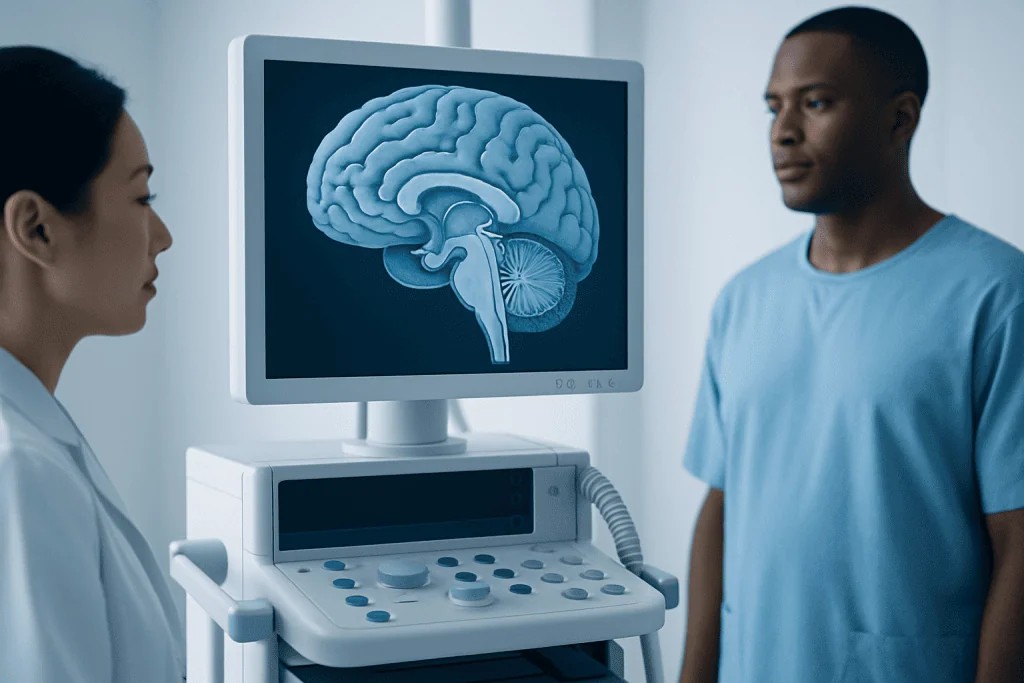
Growth hormone supports normal growth in children and helps maintain muscle, bone, and metabolism in adults. It influences how the body uses fats, proteins, and carbohydrates. Too little growth hormone in childhood may slow growth, while too much can cause unusual growth patterns. In adults, changes in growth hormone can affect body composition, energy, and bone health.
Prolactin mainly helps the breasts produce milk after childbirth. It also has broader effects on reproductive hormones. When prolactin levels become elevated outside pregnancy or breastfeeding, menstrual cycles may change, fertility may be affected, and breast milk production can occur unexpectedly. Men can also develop symptoms from high prolactin, including low sex drive or fertility problems.
ACTH stimulates the adrenal glands to make cortisol, a hormone that helps the body respond to stress, regulate blood pressure, and manage blood sugar and inflammation. TSH tells the thyroid gland to produce thyroid hormones, which set the pace for metabolism, body temperature, and energy use. LH and FSH regulate the ovaries and testes, helping control ovulation, sperm production, sex hormone levels, and puberty.
- GH: growth, muscle and bone health, metabolism
- Prolactin: milk production and reproductive hormone balance
- ACTH: stimulates cortisol production in the adrenal glands
- TSH: regulates thyroid hormone production
- LH and FSH: support fertility, puberty, and sex hormone function
How Hormone Imbalance Can Affect the Body

Because anterior pituitary hormones influence several major organs, imbalances can cause symptoms in many parts of the body. Some people notice fatigue, weakness, headaches, changes in body weight, or changes in mood and concentration. Others may develop menstrual irregularities, infertility, low libido, or problems related to growth and development.
Too little TSH can contribute to an underactive thyroid, while too much stimulation may be linked to an overactive thyroid state. Changes in ACTH can affect cortisol levels, which may alter energy, blood pressure, and the body’s ability to cope with physical stress. Disturbances in LH and FSH can interrupt ovulation, reduce testosterone or estrogen production, and affect sexual development or fertility.
When a pituitary problem affects more than one hormone, symptoms can overlap and may develop gradually. For this reason, hormone-related conditions are not always obvious at first. A careful medical assessment is often needed to understand whether symptoms are linked to the pituitary, another gland, or a different health issue altogether.
Causes and Risk Factors
Anterior pituitary hormone disorders can happen for different reasons. One common cause is a pituitary adenoma, which is usually a noncancerous growth in the pituitary gland. Some adenomas produce excess hormones, while others press on normal pituitary tissue and reduce hormone production. Larger growths may also cause headaches or vision changes because of their location near the optic nerves.
Other possible causes include injury to the pituitary, bleeding into the gland, infections, inflammation, radiation treatment, or surgery involving the brain. Rarely, people are born with pituitary abnormalities that affect hormone release. Certain medications can also influence pituitary hormone levels, especially prolactin.
Risk factors depend on the specific disorder. Family history may play a role in uncommon inherited endocrine syndromes. Pregnancy, severe illness, autoimmune conditions, and chronic disorders affecting the hypothalamus or surrounding structures can also contribute. In some people, doctors identify hormone imbalance first and only later discover the underlying pituitary cause.
Diagnosis and Medical Evaluation
Diagnosis usually begins with a discussion of symptoms, medical history, menstrual and fertility history when relevant, and a physical examination. Since the pituitary affects many body systems, doctors often ask about growth, body weight, energy, sexual function, headaches, vision, and changes in skin or body hair. This broad review helps guide which hormones should be tested.
Blood tests are central to diagnosis. These may measure pituitary hormones directly and also check the hormones made by glands under pituitary control, such as the thyroid, adrenal glands, and ovaries or testes. In some cases, repeated or timed tests are needed because hormone levels can vary during the day. Dynamic endocrine testing may be used when doctors need to see how the gland responds to stimulation or suppression.
Imaging is often important, especially if a structural pituitary problem is suspected. A doctor may recommend an MRI scan to look closely at the pituitary gland and nearby tissues. If headaches, hormone imbalance, or visual symptoms suggest a pituitary mass, imaging helps show its size and position. Depending on the findings, patients may be assessed for related conditions such as pituitary adenoma or thyroid hormone disorders including hypothyroidism.
Treatment Options
Treatment depends on which hormone is affected, whether levels are too high or too low, and what is causing the imbalance. Some people need hormone replacement to restore a missing hormone effect. Others need medicines that lower hormone production or block the hormone’s action. Treatment is tailored carefully, since replacing or suppressing one hormone can affect other parts of the endocrine system.
If a pituitary tumor is present, management may include monitoring, medication, surgery, or a combination of approaches. For example, some prolactin-producing tumors respond well to medication, while other pituitary tumors may require surgical treatment when they are large, symptomatic, or affecting vision. Endocrinologists, neurosurgeons, radiologists, and eye specialists may work together to plan care.
Follow-up is an important part of treatment. Hormone levels may need to be checked regularly, and symptoms are monitored over time to see whether treatment is working. In selected cases, focused radiosurgery may be considered for certain pituitary lesions. Near the end of the care journey, some international patients choose centers such as Acibadem International, where multidisciplinary specialists in JCI-accredited hospitals evaluate and treat pituitary and hormone disorders.
Self-care, Monitoring, and Living With Pituitary Hormone Disorders
Self-care does not replace medical treatment, but it can support overall well-being. Keeping a record of symptoms, menstrual cycles, headaches, body weight changes, energy levels, or fertility concerns may help doctors identify patterns over time. Taking prescribed medicines consistently and attending follow-up appointments are especially important with pituitary conditions.
Healthy routines can also make day-to-day symptoms easier to manage. Regular sleep, balanced nutrition, physical activity suited to the person’s condition, and stress management can support metabolic and hormonal health. People with significant fatigue, low cortisol states, or major hormone deficiencies should ask their doctor which activities are safe and whether special precautions are needed during illness or surgery.
Many pituitary hormone disorders are manageable with the right diagnosis and long-term care. Some require lifelong monitoring, even after symptoms improve, because hormone needs can change over time. With a personalized plan and regular specialist review, many people are able to maintain normal daily activities and protect long-term health.
When to See a Doctor
It is sensible to seek medical advice for ongoing fatigue, unexplained weight changes, menstrual irregularities, infertility, loss of libido, abnormal milk discharge, slowed growth in a child, or symptoms suggesting thyroid or adrenal problems. A doctor should also assess persistent headaches or changes in vision, especially if these occur along with hormone-related symptoms.
Prompt medical attention is important when symptoms are sudden or severe, such as intense headache, vomiting, marked weakness, fainting, or rapid visual changes. These symptoms can have several causes, but some pituitary conditions need urgent evaluation. Early diagnosis can help prevent complications and improve treatment options.
Because hormone disorders can be complex and symptoms may overlap with other conditions, specialist evaluation is often helpful. An endocrinologist can coordinate testing, explain results, and recommend the most appropriate treatment plan. Patients should avoid self-diagnosing hormone imbalance based only on symptoms or nonmedical information online.
Frequently asked questions
What are the main anterior pituitary hormones?
The main anterior pituitary hormones are growth hormone, prolactin, ACTH, TSH, LH, and FSH. Together, they help regulate growth, stress response, thyroid activity, fertility, puberty, and milk production.
Why is the anterior pituitary called the master gland?
It is often called the master gland because it helps control other endocrine glands, including the thyroid, adrenal glands, and reproductive organs. In reality, it works closely with the hypothalamus, which helps direct when hormones should be released.
Can anterior pituitary hormone problems cause fatigue?
Yes. Hormone imbalances involving the pituitary can contribute to fatigue, weakness, low energy, and difficulty concentrating. These symptoms are nonspecific, so blood tests and medical evaluation are needed to find the exact cause.
How do doctors test anterior pituitary function?
Doctors usually begin with blood tests that measure pituitary hormones and the hormones made by glands under pituitary control. They may also use imaging, especially MRI, and sometimes special dynamic tests to see how hormone pathways respond.
Are pituitary hormone disorders treatable?
Many pituitary hormone disorders can be treated effectively. Treatment may include hormone replacement, medicines that reduce hormone production, monitoring, or surgery if a pituitary growth is present.
Can a pituitary problem affect fertility?
Yes. Changes in LH, FSH, or prolactin can interfere with ovulation, sperm production, and normal sex hormone balance. Depending on the cause, fertility may improve once the hormone problem is diagnosed and treated.
References
- World Health Organization
- National Institute of Diabetes and Digestive and Kidney Diseases
- NHS
- Endocrine Society
- MedlinePlus
This article is for general information only and is not a substitute for professional medical advice. Please consult a qualified doctor about your individual situation.
Medical weight-loss options in Turkey — costs & eligibility
JCI-accredited · board-certified surgeons · reply within 24h
Add us as a Preferred Source to see more of our trusted health content across Google Search, AI Overviews and Discover.
Check your numbers in seconds
BMI, calories, due date, blood pressure and 30+ more clinical calculators — free, instant, doctor-reviewed ranges.