Anxiety in Children: Early Signs, Triggers, and When to Seek Help
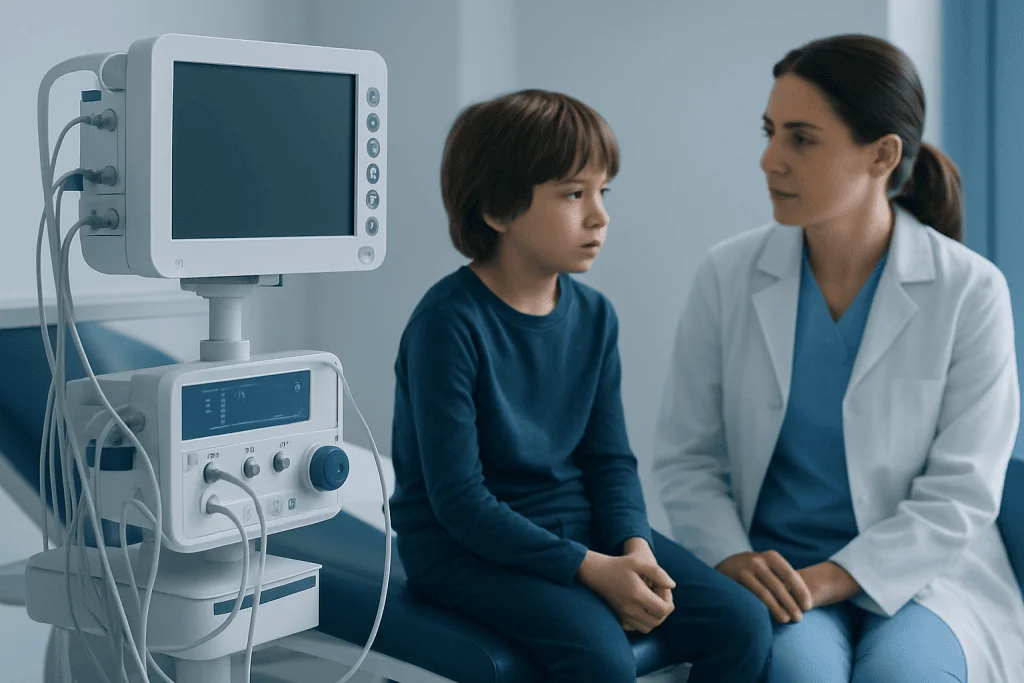
Anxiety in children may show up through emotions, behavior, sleep changes, school difficulties, or physical symptoms. Some fear and worry are normal at different ages, but anxiety becomes a concern when it is intense, persistent, or interferes with daily life.
Key Takeaways
- Anxiety in children may show up through emotions, behavior, sleep changes, school difficulties, or physical symptoms.
- Some fear and worry are normal at different ages, but anxiety becomes a concern when it is intense, persistent, or interferes with daily life.
- Triggers can include temperament, family stress, school pressure, bullying, health conditions, and major life changes.
- Evaluation usually involves a detailed history, discussion with parents and the child, and sometimes input from school.
- Treatment may include reassurance, routines, coping skills, family support, and therapy; medication is considered in selected cases.
- A child should see a doctor if anxiety causes distress, avoidance, panic-like symptoms, or affects sleep, learning, eating, or relationships.
Anxiety in children is common and can appear as worry, clinginess, irritability, sleep problems, or physical complaints such as stomachaches. Recognizing early signs and getting support when symptoms persist can help a child feel safer, function better, and develop healthy coping skills.
Overview
Anxiety in children is a common mental health concern. It can be a normal response to new situations, separation, tests, social events, or uncertainty. In many cases, worries come and go as children grow. Anxiety becomes more important to address when fear or worry is stronger than expected for the child’s age, lasts for weeks or months, or begins to affect home life, school, friendships, sleep, or physical well-being.
Children do not always describe anxiety clearly. Instead of saying they feel worried, they may complain of stomachaches, headaches, trouble sleeping, or feeling sick before school or activities. Some become clingy, tearful, irritable, or avoidant. Others seem perfectionistic, overly cautious, or unusually upset by mistakes and changes in routine.
Early recognition matters because anxiety is treatable. Supportive parenting, healthy routines, school accommodations when needed, and evidence-based mental health care can help children manage fears and build confidence. With timely help, many children learn skills that improve both current well-being and long-term emotional health.
Symptoms and Early Signs
The signs of anxiety in children can vary by age, personality, and the type of anxiety involved. Younger children may cry, resist separation, refuse school, or have frequent tantrums around stressful situations. Older children may show constant worry, need repeated reassurance, avoid social situations, or struggle with concentration and sleep.
Physical symptoms are very common. A child may experience a racing heart, sweating, trembling, nausea, stomach pain, diarrhea, headaches, dizziness, or feeling short of breath during stressful moments. Because these symptoms are real and uncomfortable, families may first think there is a purely physical illness. A medical review can help rule out other causes while also considering anxiety.
Behavioral and emotional signs may include:
- Excessive worry about school, health, family safety, or performance
- Clinginess or difficulty separating from a parent or caregiver
- Avoiding school, sleepovers, sports, parties, or speaking in class
- Irritability, restlessness, or frequent crying
- Perfectionism and strong fear of making mistakes
- Trouble falling asleep, nightmares, or waking often
- Frequent reassurance-seeking
- Sudden distress in specific situations such as crowds, tests, or meeting new people
Anxiety can also overlap with other concerns, including low mood, attention problems, behavioral difficulties, or developmental conditions. Sometimes repeated fears relate to a specific pattern such as separation anxiety, social anxiety, panic symptoms, or general ongoing worry. A professional assessment can help clarify whether a child’s symptoms fit a condition such as anxiety disorder and what support is most appropriate.
Causes and Risk Factors
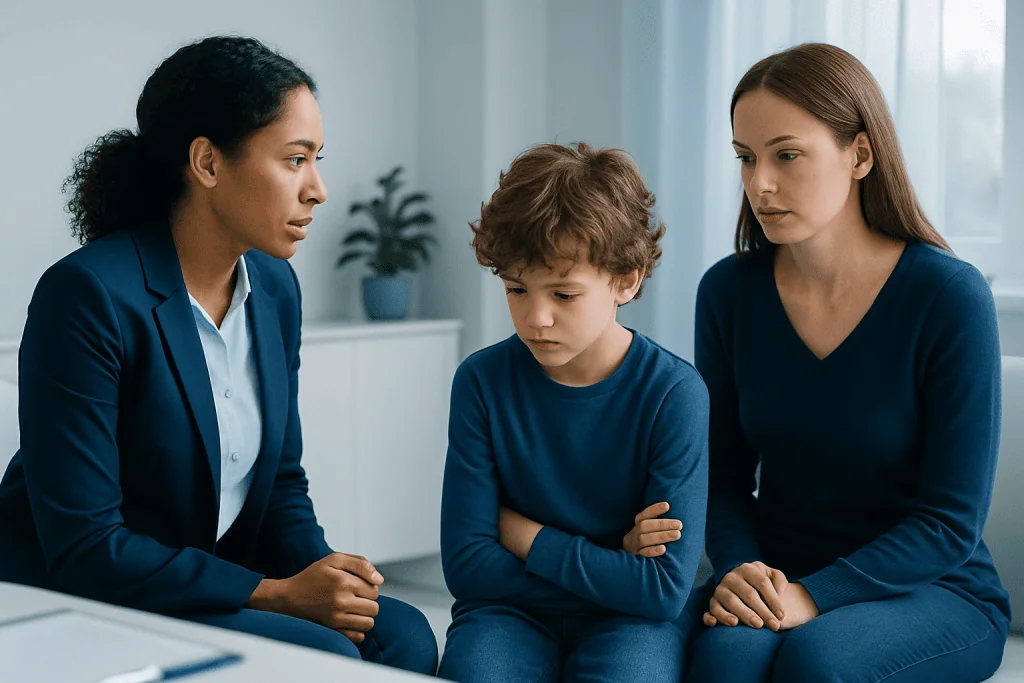
There is rarely one single cause of childhood anxiety. Usually, it develops from a combination of temperament, life experiences, family factors, and learned responses. Some children are naturally more cautious or sensitive to change. This does not mean something is wrong with them; it simply means they may need more support learning to cope with stress.
Stressful events can trigger or worsen anxiety. These may include family conflict, divorce, a move, academic pressure, bullying, medical illness, grief, trauma, or a frightening event. Even positive changes, such as starting a new school, can feel overwhelming for some children. Social media and constant exposure to distressing news may also increase worry in older children and adolescents.
Family history can play a role. Children may be more likely to develop anxiety if close relatives have anxiety or other mental health conditions. They may also learn anxious patterns by observing adults who respond to stress with high levels of fear or avoidance. Parenting does not cause anxiety on its own, but family routines and responses can either reduce or reinforce anxious behaviors.
Other factors that may contribute include sleep deprivation, chronic health problems, learning differences, sensory sensitivities, and neurodevelopmental conditions. When anxiety appears suddenly or changes sharply, a doctor may consider whether there are medical issues, medication effects, or substance use in adolescents that could be contributing.
How Anxiety in Children Is Diagnosed
Diagnosis begins with a careful conversation rather than a single test. A pediatrician, child psychiatrist, psychologist, or other qualified mental health professional will ask about symptoms, when they started, what triggers them, and how they affect daily life. They often gather information from both the child and the parent or caregiver, because children may underreport or have difficulty explaining what they feel.
The evaluation may include questions about sleep, school attendance, friendships, appetite, family stress, physical symptoms, and mood. Teachers or school counselors may also provide helpful information about classroom behavior, participation, and avoidance. Standardized questionnaires are sometimes used to better understand symptom patterns and severity.
A medical review can be important because anxiety-like symptoms may overlap with other health concerns. Depending on the situation, the clinician may consider thyroid problems, asthma, sleep disorders, heart rhythm concerns, medication side effects, or digestive issues. The goal is not to label a child too quickly, but to understand the whole picture and rule out other causes when needed.
If symptoms are complex, families may be referred for child and adolescent psychiatry assessment or psychological evaluation. This can help identify anxiety disorders, learning differences, attention difficulties, trauma-related symptoms, or coexisting depression. A clear diagnosis guides the treatment plan and helps parents and schools respond more effectively.
Treatment Options
Treatment depends on the child’s age, the severity of symptoms, and how much daily functioning is affected. Mild anxiety may improve with education, family support, healthy routines, and gradual encouragement to face feared situations. When symptoms are more persistent or disruptive, structured therapy is often recommended.
Psychological therapy is a mainstay of care. Cognitive behavioral therapy, often adapted for a child’s age, helps children recognize anxious thoughts, understand body signals, and practice coping skills. They may learn relaxation strategies, step-by-step exposure to fears, problem-solving, and ways to reduce avoidance. Parent involvement is often important, because families help children practice these strategies consistently at home.
School support can also make a meaningful difference. Some children benefit from temporary accommodations such as a predictable routine, check-ins with a counselor, quiet test settings, or a gradual return to stressful activities. Support should aim to build coping and independence rather than allow long-term avoidance whenever possible.
Medication is not needed for every child, but it may be considered when anxiety is moderate to severe, persists despite therapy, or significantly affects functioning. A specialist can explain potential benefits, side effects, and monitoring. In some cases, a doctor may also recommend psychological support or multidisciplinary care if anxiety occurs alongside learning, behavioral, or developmental concerns.
What Parents Can Do at Home
Parents and caregivers play a central role in helping a child feel secure. A calm, predictable routine can reduce stress, especially around school mornings, bedtime, and transitions. It helps to listen without judgment, name the child’s feelings, and reassure them that anxiety is manageable. Children often feel better when adults stay steady and confident rather than overly alarmed.
It is usually more helpful to support brave steps than to remove every source of discomfort. For example, instead of allowing total avoidance, parents can help a child approach feared situations gradually. Small, realistic goals can build confidence over time. Praise should focus on effort and coping, not on being “perfect” or never feeling afraid.
Healthy habits also matter. Helpful steps include:
- Keeping regular sleep and wake times
- Encouraging daily physical activity and outdoor time
- Providing balanced meals and regular hydration
- Limiting excess caffeine in older children and teens
- Reducing overstimulation before bedtime
- Modeling calm coping skills such as slow breathing and problem-solving
- Maintaining open communication with teachers when school stress is involved
Parents should avoid criticizing a child for being afraid or giving repeated reassurance in a way that unintentionally strengthens worry. If a child has ongoing panic-like episodes, severe school refusal, or distress that affects the whole family, professional guidance is appropriate. In some settings, coordinated support through pediatrics and mental health services can be useful.
When to Seek Professional Help
A child should see a healthcare professional if anxiety is intense, lasts for several weeks, or interferes with school attendance, sleep, eating, family life, or friendships. Professional support is also important when a child avoids normal activities, has frequent unexplained physical complaints, experiences panic-like symptoms, or seems overwhelmed by fears that do not improve with reassurance and routine changes.
Urgent evaluation is needed if anxiety is accompanied by self-harm thoughts, hopelessness, severe behavior changes, aggression, major withdrawal, substance use, or signs that the child may not be safe. These situations deserve prompt medical or mental health attention. If there is immediate risk, emergency services should be contacted right away.
Families do not need to wait until symptoms become severe. Early assessment can reduce distress and prevent anxiety from becoming more entrenched. It can also identify whether another issue such as depression, trauma, bullying, or a learning problem is contributing. Sometimes the first step is simply talking to the child’s pediatrician, who can guide next steps and referrals.
For families seeking coordinated care, Acibadem International’s multidisciplinary specialists in JCI-accredited hospitals evaluate and treat children with emotional and behavioral concerns, including anxiety, especially when support from pediatrics, psychology, and psychiatry is needed together.
Frequently asked questions
Is anxiety in children normal?
Some anxiety is a normal part of childhood. Many children worry about separation, school, performance, or new situations at different ages. It becomes a concern when it is intense, lasts a long time, or interferes with daily activities.
What are the first signs of anxiety in a child?
Early signs can include clinginess, irritability, trouble sleeping, frequent reassurance-seeking, school refusal, or physical complaints such as stomachaches and headaches. Some children avoid activities they used to enjoy or become very upset by routine changes. The pattern matters more than any single symptom.
Can anxiety cause physical symptoms in children?
Yes. Anxiety can cause real physical symptoms such as stomach pain, nausea, headaches, sweating, trembling, dizziness, or a racing heart. Because these symptoms can also happen with medical conditions, a healthcare professional may evaluate both physical and emotional causes.
How is childhood anxiety treated?
Treatment often includes education, family support, coping strategies, and therapy, especially cognitive behavioral approaches. Parents and schools may also help by creating predictable routines and encouraging gradual return to feared situations. Medication may be considered in some children when symptoms are more severe or persistent.
Should parents force a child to face fears?
Children usually do better with gentle, gradual support rather than pressure or punishment. Avoiding every fear can strengthen anxiety, but pushing too hard can also increase distress. A step-by-step plan with encouragement is often the most helpful approach.
When should a child see a doctor for anxiety?
A child should be evaluated if anxiety affects sleep, school, eating, friendships, or family life, or if it leads to frequent physical complaints or avoidance. Help is also important if symptoms are worsening, lasting for weeks, or causing significant distress. Urgent care is needed if there are safety concerns or self-harm thoughts.
References
- American Academy of Pediatrics
- American Academy of Child and Adolescent Psychiatry
- National Institute of Mental Health
- Centers for Disease Control and Prevention
- World Health Organization
This article is for general information only and is not a substitute for professional medical advice. Please consult a qualified doctor about your individual situation.
Persistent digestive symptoms? Get evaluated in Turkey
JCI-accredited · board-certified surgeons · reply within 24h
Add us as a Preferred Source to see more of our trusted health content across Google Search, AI Overviews and Discover.

More from the Health Library



Related Specialists

Dt. Emrah Özmutlu
Oral Dental & Maxillofacial Surgery
Dr. Fadime Sevgi Saçlı
Internal Medicine
Dr. Murat Alakuş
Physical Medicine & Rehabilitation
Dr. Yilmaz Kılıç
Neurosurgery