Anxiety Management — Explained by Medical Evidence, Not Myths

Anxiety management is most effective when it addresses thoughts, body symptoms, behaviors, and daily stressors together. Occasional anxiety is normal, but persistent or overwhelming anxiety may need professional evaluation.
Key Takeaways
- Anxiety management is most effective when it addresses thoughts, body symptoms, behaviors, and daily stressors together.
- Occasional anxiety is normal, but persistent or overwhelming anxiety may need professional evaluation.
- Evidence-based options include cognitive behavioral therapy, relaxation skills, sleep support, exercise, and sometimes medication.
- Medical assessment is important when anxiety is severe, sudden, linked to panic symptoms, or may be related to another health condition.
- Early support can help prevent anxiety from disrupting work, school, sleep, and relationships.
Anxiety management means using evidence-based strategies to reduce excessive worry, physical tension, and avoidance so daily life feels more manageable. Effective care often combines practical self-care, psychological support, and, for some people, medical treatment tailored to the cause and severity of symptoms.
Overview: what anxiety management really means
Anxiety management is the process of reducing anxiety symptoms with approaches supported by medical and psychological evidence, rather than relying on myths or willpower alone. In practical terms, it helps a person feel safer in their body, clearer in their thinking, and more able to function at work, school, home, and in relationships.
Everyone experiences anxiety at times. It is part of the body’s natural alert system and can be useful in short bursts. Anxiety becomes a health concern when worry, fear, tension, restlessness, or physical symptoms are frequent, hard to control, out of proportion to the situation, or interfere with daily life.
Good anxiety management usually does not depend on a single trick. Instead, it combines several tools: understanding triggers, improving sleep and routines, practicing calming techniques, reducing avoidance, and seeking professional care when needed. For some people, this includes evaluation for anxiety disorders or related conditions that can look similar.
How anxiety can affect the mind and body
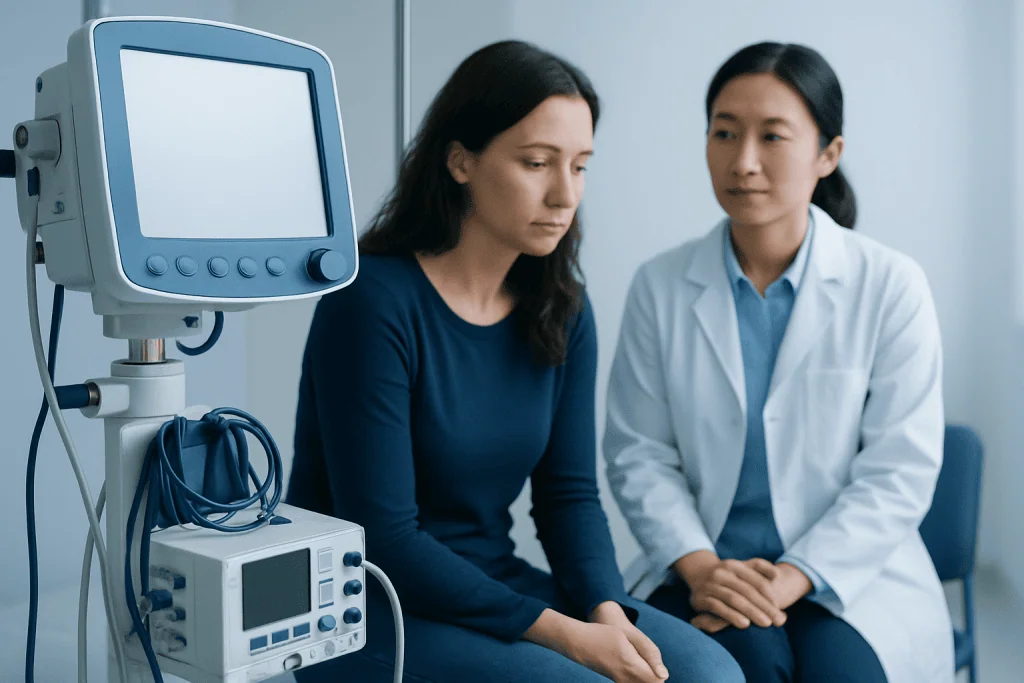
Anxiety is not only a feeling of worry. It can affect thoughts, emotions, behavior, and the body at the same time. A person may notice racing thoughts, difficulty concentrating, irritability, muscle tension, shakiness, a sense of dread, stomach discomfort, sweating, or a fast heartbeat. These symptoms are real physical responses driven by the nervous system.
Some people mainly experience persistent worry, while others have sudden episodes of intense fear such as panic attacks. Panic symptoms may include chest tightness, shortness of breath, dizziness, tingling, or a feeling of losing control. Even when symptoms are caused by anxiety, they can feel frightening and deserve proper assessment, especially if they are new or severe.
Behavior can also change. Anxiety often leads to avoidance of situations, reassurance-seeking, sleep disruption, overchecking, procrastination, or withdrawing from social contact. These patterns can provide temporary relief but often maintain anxiety over time by teaching the brain that ordinary situations are dangerous.
- Common mental symptoms: excessive worry, fear, overthinking, difficulty focusing
- Common physical symptoms: palpitations, sweating, trembling, nausea, headache, fatigue
- Common behavioral signs: avoidance, disrupted sleep, irritability, reduced daily functioning
What causes anxiety and who is more likely to experience it
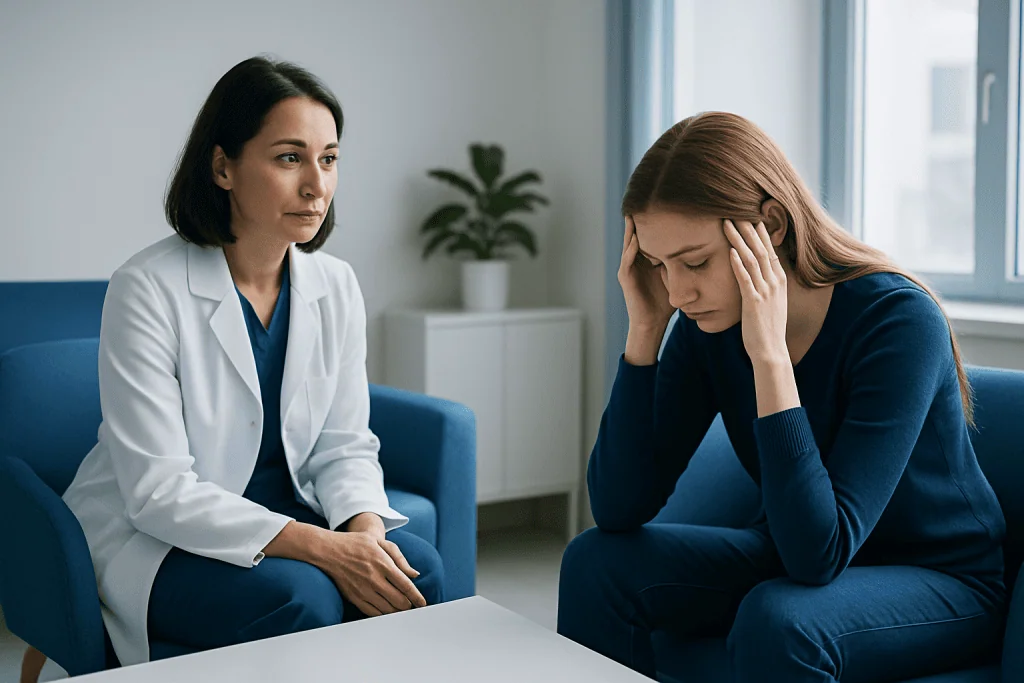
Anxiety has many possible causes, and often more than one factor is involved. Genetics, temperament, previous stressful experiences, trauma, ongoing life stress, poor sleep, stimulant use, and certain medical conditions can all contribute. This is one reason evidence-based anxiety management begins with understanding the whole person rather than assuming a single cause.
Risk may be higher in people with a personal or family history of anxiety, depression, panic, or trauma-related symptoms. Major life changes, caregiving strain, work pressure, chronic illness, and uncertainty can also increase vulnerability. Children, adolescents, and older adults may show anxiety differently, so age and life stage matter in evaluation.
Medical causes or contributors should not be overlooked. Thyroid disorders, heart rhythm problems, respiratory conditions, medication side effects, caffeine excess, and substance use can mimic or worsen anxiety. Sleep problems can also amplify symptoms, and poor rest may overlap with sleep disorders in some people.
Importantly, anxiety is not a sign of weakness or poor character. It reflects the interaction of brain, body, environment, and learned patterns. That understanding helps reduce stigma and supports a more realistic, compassionate approach to treatment.
Evidence-based anxiety management strategies
For many people, the most effective anxiety management plan combines self-care with structured therapeutic support. Cognitive behavioral therapy is one of the most studied approaches. It helps identify unhelpful thought patterns, reduce avoidance, and gradually build confidence in situations that trigger fear. Other therapies may focus on acceptance, stress regulation, trauma, or problem-solving, depending on the person’s needs.
Body-based strategies are also important because anxiety involves the nervous system. Slow breathing, progressive muscle relaxation, mindfulness practices, and regular physical activity can reduce physiological arousal. These approaches are not instant cures, but with regular practice they can make symptoms easier to control and may improve sleep and concentration.
Daily habits strongly influence anxiety levels. Helpful steps include limiting excess caffeine and alcohol, keeping a consistent sleep schedule, eating regular balanced meals, taking breaks from constant news or social media, and maintaining social support. Small, repeatable routines often work better than dramatic changes that are hard to sustain.
Some people benefit from formal behavioral health support such as psychiatric evaluation and treatment or clinical psychology services. When anxiety occurs alongside trauma, mood symptoms, or ongoing sleep disruption, targeted care may address these overlapping factors more effectively than self-help alone.
How doctors diagnose anxiety and rule out other problems
Diagnosis starts with a detailed conversation about symptoms, timing, triggers, sleep, stress, medical history, and medications or substances that may play a role. A clinician will usually ask how anxiety affects work, school, relationships, and daily tasks. This helps distinguish normal stress from a condition that needs treatment.
There is no single blood test that diagnoses anxiety. However, tests may sometimes be recommended to look for contributing medical conditions, such as thyroid problems or other issues that can cause similar symptoms. If chest pain, palpitations, dizziness, or breathing symptoms are present, the doctor may also consider heart or lung causes before attributing everything to anxiety.
Mental health professionals also look at the pattern of symptoms to decide whether they fit generalized anxiety, panic disorder, social anxiety, health anxiety, or another condition. Anxiety can overlap with depression, trauma-related disorders, obsessive-compulsive symptoms, and sleep problems, so a careful assessment is important.
In some cases, symptoms are intense enough to justify support from a broader team, including primary care, mental health specialists, and sleep or neurology services when appropriate. The goal is not simply to label symptoms, but to understand them well enough to choose the safest and most effective treatment plan.
Treatment options: therapy, medication, and combined care
Treatment depends on how severe the anxiety is, how long it has been present, whether there are panic attacks or avoidance behaviors, and whether other conditions are involved. Many people improve with therapy alone, especially when symptoms are mild to moderate. Therapy can teach durable skills that continue to help after sessions end.
Medication may be considered when anxiety is persistent, significantly impairs daily life, or does not improve enough with non-drug strategies alone. Doctors usually choose medication based on symptom pattern, overall health, possible side effects, and whether depression, sleep problems, or panic symptoms are also present. Any decision about medicine should be individualized and reviewed regularly with a qualified clinician.
Combined care often works well. For example, a person may use therapy to change thought and behavior patterns while also using medication to lower symptom intensity enough to participate more fully in treatment. If stress-related physical symptoms are prominent, support from neurology evaluation or other specialties may sometimes be helpful to rule out conditions that mimic anxiety.
Near the end of the care pathway, follow-up remains important. Anxiety can improve gradually rather than all at once, and treatment plans may need adjustment over time. Acibadem International’s multidisciplinary specialists and JCI-accredited hospitals evaluate and treat anxiety-related concerns for international patients when coordinated medical and mental health care is needed.
Prevention, self-care, and what may not help
Not every episode of anxiety can be prevented, but healthy routines can reduce frequency and intensity. Consistent sleep, regular movement, balanced meals, time outdoors, and realistic scheduling support the nervous system and may improve resilience to stress. Brief calming practices done every day are often more useful than waiting until anxiety becomes overwhelming.
It also helps to notice common traps. Repeatedly avoiding feared situations, searching the internet for reassurance, or trying to suppress every anxious thought can keep the cycle going. A more effective approach is gradual exposure, balanced information, and learning to tolerate short-term discomfort while staying safe.
Myths can interfere with recovery. Anxiety is not cured simply by “thinking positive,” and it does not mean a person is failing to cope. At the same time, anxiety should not automatically be dismissed as purely emotional without considering possible medical contributors. A balanced, evidence-based approach respects both mental and physical health.
- Helpful self-care: regular sleep, exercise, reduced caffeine, structured routines, social support
- Less helpful patterns: avoidance, excessive reassurance-seeking, alcohol misuse, constant overmonitoring of symptoms
- Best long-term approach: early support, realistic goals, and consistent practice of coping skills
When to seek medical care
Medical care is appropriate when anxiety is frequent, severe, or starting to interfere with sleep, work, school, eating, or relationships. A person should also seek help if panic symptoms are new, if anxiety leads to avoidance of normal activities, or if symptoms do not improve with basic self-care measures.
Prompt assessment is especially important when symptoms start suddenly, feel very intense, or may be related to a physical health problem. Chest pain, fainting, significant shortness of breath, confusion, or new neurological symptoms should not be assumed to be anxiety without medical evaluation. Changes after starting a new medication or using stimulants also deserve attention.
Urgent mental health support is needed if anxiety is accompanied by hopelessness, thoughts of self-harm, inability to care for basic needs, or extreme agitation. In these situations, immediate help from emergency services or a qualified mental health professional is the safest step.
Frequently asked questions
What is the best anxiety management technique?
There is no single best technique for everyone. The most effective approach usually combines practical skills such as slow breathing, good sleep habits, and regular exercise with evidence-based therapy, especially when symptoms are persistent. A clinician can help match strategies to the type and severity of anxiety.
Can anxiety go away without treatment?
Mild anxiety related to a temporary stressor may improve on its own as the situation changes. However, anxiety that lasts for weeks, keeps returning, or interferes with daily life often benefits from professional support. Early treatment can reduce distress and help prevent symptoms from becoming more disruptive.
How do I know if my symptoms are anxiety or a medical problem?
Anxiety can cause very physical symptoms, including palpitations, dizziness, stomach upset, and shortness of breath. Because some medical conditions can cause similar symptoms, a medical assessment is important when symptoms are new, severe, sudden, or unusual for that person. Doctors may ask about health history and sometimes order tests to rule out other causes.
Is medication always needed for anxiety management?
No. Many people improve with therapy, lifestyle changes, and coping skills alone, especially when symptoms are mild to moderate. Medication may be considered when anxiety is more severe, persistent, or significantly affects daily functioning.
What can make anxiety worse?
Poor sleep, high stress, excess caffeine, alcohol misuse, certain stimulants, and constant avoidance can all worsen anxiety. Reassurance-seeking and repeatedly checking symptoms may also keep the cycle going. Identifying these patterns is often an important part of treatment.
When should someone seek urgent help for anxiety?
Urgent help is needed if anxiety comes with thoughts of self-harm, inability to function safely, severe agitation, or a sudden medical emergency such as chest pain, fainting, or major breathing difficulty. In those situations, it is safest to contact emergency services or seek immediate medical care. It is better to get checked than to assume symptoms are only anxiety.
This article is for general information only and is not a substitute for professional medical advice. Please consult a qualified doctor about your individual situation.
Explore treatments in Turkey — costs, top hospitals & a free quote
JCI-accredited · board-certified surgeons · reply within 24h
Add us as a Preferred Source to see more of our trusted health content across Google Search, AI Overviews and Discover.

More from the Health Library

Dates Kcal: What Patients Need to Know

Beet and Beetroot — Explained by Medical Evidence, Not Myths

Getting to Subspace: A Complete Medical Overview

Body Mass Index: A Complete Medical Overview

B12 Deficiency: An Evidence-Based Guide for Patients