Anxiolytic: A Complete Medical Overview

Anxiolytics are medicines that help relieve anxiety symptoms, but they are not all the same. Some anxiolytics work quickly for short-term relief, while others are better for longer-term anxiety management.
Key Takeaways
- Anxiolytics are medicines that help relieve anxiety symptoms, but they are not all the same.
- Some anxiolytics work quickly for short-term relief, while others are better for longer-term anxiety management.
- Benefits must be balanced against side effects, interactions, and the risk of dependence with certain medicines.
- Anxiolytics are often most effective when combined with psychological support, stress management, and follow-up care.
- People should not start, stop, or change anxiolytic medicines without medical guidance.
An anxiolytic is a medicine used to reduce anxiety, fear, tension, or panic symptoms by affecting brain and nervous system signaling. Different anxiolytics work in different ways, so the safest and most effective choice depends on a person’s symptoms, health history, and treatment goals.
Overview: What Is an Anxiolytic?
An anxiolytic is a medication that helps reduce anxiety symptoms such as excessive worry, nervousness, panic, inner tension, and physical signs of stress. In simple terms, anxiolytics are “anti-anxiety” medicines, but they include several different drug groups rather than one single type of treatment. Some act quickly to calm acute symptoms, while others are used over time to support more stable symptom control.
Anxiety itself is a normal human response to stress. It becomes a medical concern when symptoms are intense, persistent, or disruptive to sleep, work, relationships, or daily functioning. In these situations, a doctor may consider anxiolytic treatment as part of a broader care plan that may also include counseling, lifestyle changes, and treatment for any related condition such as anxiety disorders or depression.
Not every medicine used for anxiety is traditionally labeled an anxiolytic, and not every anxiolytic is appropriate for every person. The best option depends on the type of anxiety symptoms, how quickly relief is needed, age, pregnancy status, other medicines, and medical history. This is why treatment decisions are individualized and monitored over time.
How Anxiolytics Work and Main Types
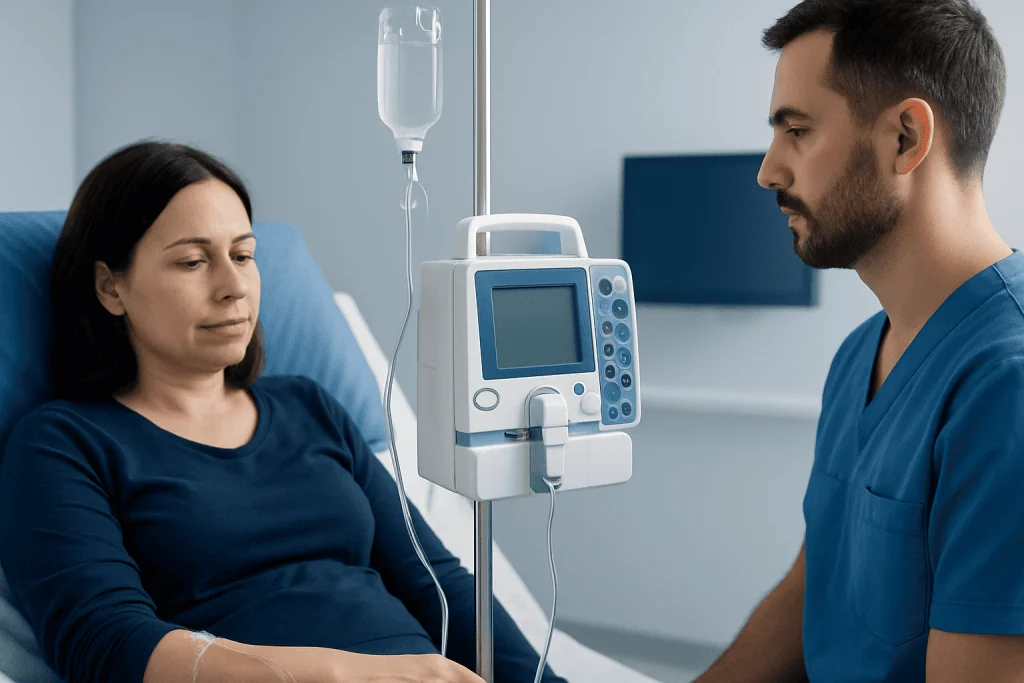
Anxiolytics work by changing how the brain processes signals involved in stress, fear, and emotional regulation. Many influence neurotransmitters, which are chemical messengers that help nerve cells communicate. By affecting these pathways, anxiolytics may reduce both emotional symptoms, such as fear or restlessness, and physical symptoms, such as trembling, rapid heartbeat, or muscle tension.
Several medication groups may be used for anxiety relief. Benzodiazepines are fast-acting anxiolytics often used for short-term symptom control or severe episodes of anxiety. Some antidepressants, especially selective serotonin reuptake inhibitors and serotonin-norepinephrine reuptake inhibitors, are also commonly prescribed for anxiety, although they may take time to work and are often considered longer-term treatments rather than rapid-relief medicines.
Other options may include buspirone, certain antihistamines, beta-blockers for physical symptoms in specific situations, or other medicines chosen for a person’s symptom pattern and overall health. The main categories include:
- Benzodiazepines: often fast acting, but may cause drowsiness and can lead to dependence if not used carefully.
- Antidepressants used for anxiety: usually slower to take effect, but may help with ongoing anxiety disorders.
- Buspirone: may be used for generalized anxiety and is not typically associated with the same dependence risk as benzodiazepines.
- Other symptom-targeted medicines: may help selected patients based on physical symptoms, sleep issues, or coexisting conditions.
Because these medicines differ so much in speed, side effects, and risks, the word “anxiolytic” is best understood as a broad treatment category rather than a single drug.
When Anxiolytics Are Used

Doctors may prescribe anxiolytics for a range of anxiety-related conditions. These include generalized anxiety disorder, panic disorder, social anxiety disorder, anxiety associated with depression, and short-term severe stress reactions. In some cases, an anxiolytic may also be used before medical procedures, during acute emotional distress, or when anxiety causes marked physical symptoms.
The decision to use medication depends on how much the symptoms interfere with daily life. A person who has occasional mild nervousness may not need medicine. However, someone with frequent panic attacks, disabling worry, poor sleep, or difficulty functioning at work or school may benefit from a formal evaluation and a treatment plan that could include medication.
An anxiolytic does not always treat the underlying cause of distress by itself. Anxiety symptoms may be linked with other health issues, including thyroid disease, sleep disorders, chronic pain, substance use, or other mental health conditions. That is why a careful assessment is important, especially when symptoms are new, severe, or changing.
For many patients, medication is only one part of care. Psychological therapies, especially structured approaches such as cognitive behavioral therapy, are often combined with medicines for better long-term results. In appropriate cases, doctors may also discuss psychiatric evaluation and treatment as part of a comprehensive plan.
Benefits, Side Effects, and Safety Considerations
The main benefit of an anxiolytic is symptom relief. Depending on the medicine, this may mean calmer thinking, fewer panic symptoms, improved sleep, reduced physical tension, or better daily functioning. For people with severe anxiety, effective treatment can help restore the ability to work, study, travel, or maintain relationships.
Like all medicines, anxiolytics can cause side effects. Common effects may include drowsiness, dizziness, slowed reaction time, poor concentration, nausea, headache, dry mouth, or changes in sleep. Some medicines may also affect balance, memory, or coordination, especially in older adults. Side effects vary by drug class and by individual response.
One of the most important safety concerns involves benzodiazepines. These medicines can be helpful for short-term or carefully supervised use, but they may cause tolerance, dependence, or withdrawal symptoms if used for long periods or stopped suddenly. They can also increase the risk of falls, sedation, and dangerous interactions with alcohol, opioids, or other sedating medicines.
Safety also matters in pregnancy, breastfeeding, liver disease, kidney disease, and in people with a history of substance misuse. A doctor will consider these factors before prescribing. Patients should avoid sharing medications, changing doses on their own, or using an anxiolytic with alcohol unless a clinician specifically advises otherwise.
How Doctors Diagnose Anxiety Before Prescribing
Before prescribing an anxiolytic, a doctor usually starts with a detailed conversation about symptoms. This includes when anxiety began, how often it happens, what triggers it, and whether there are panic attacks, sleep problems, low mood, racing thoughts, or physical symptoms such as chest tightness or trembling. The doctor may also ask about work stress, trauma, substance use, and family history.
Diagnosis is not based only on feeling worried. Clinicians also assess whether symptoms fit a defined anxiety disorder, whether another condition may be present, and how much symptoms affect daily life. Medical causes such as heart rhythm problems, thyroid overactivity, medication side effects, or stimulant use may need to be ruled out. In some cases, basic tests or referral for further assessment may be appropriate.
The goal is to match treatment to the person, not just to the symptom. Some people need short-term relief during a difficult period, while others need a longer-term strategy for recurring anxiety. When symptoms overlap with depression, trauma-related symptoms, or other mental health conditions, a broader management plan may be needed, sometimes involving psychological support and therapy.
Follow-up is an important part of diagnosis and treatment. Doctors typically review whether the medicine is helping, whether side effects are manageable, and whether the original diagnosis still fits as symptoms evolve over time.
Treatment Approach Beyond Medication
Anxiolytics can be helpful, but medication alone is not always the best or only solution. Many people improve most when medicine is combined with practical and psychological strategies that reduce the cycle of anxiety. These may include therapy, sleep improvement, regular physical activity, relaxation training, and reducing caffeine or other stimulants that can worsen symptoms.
Cognitive behavioral therapy is often used because it helps people identify unhelpful thought patterns, reduce avoidance behaviors, and build coping skills. Breathing exercises, mindfulness practices, and stress management techniques may also support symptom control. For some patients, these approaches reduce the need for medication or improve how well medication works.
Treatment may need adjustment over time. A fast-acting anxiolytic may be used briefly at first, then replaced or supplemented with a longer-term option if symptoms persist. If anxiety is closely linked to another condition, such as depression or sleep disturbance, treating that condition is also important. In selected situations, a doctor may evaluate whether services such as neurologic assessment are helpful when symptoms overlap with dizziness, tremor, or other neurological complaints.
Near the end of the care pathway, coordination matters. Acibadem International’s multidisciplinary specialists and JCI-accredited hospitals provide evaluation and treatment for international patients who need assessment of anxiety symptoms, medication planning, and related care.
Self-Care and When to Seek Medical Care
Self-care can support recovery, whether or not a person uses an anxiolytic. Helpful habits include keeping a regular sleep schedule, limiting alcohol and recreational drugs, reducing excess caffeine, staying physically active, eating regular meals, and practicing relaxation techniques. It can also help to track symptoms and note patterns related to stress, sleep loss, or specific situations.
People already taking an anxiolytic should follow the prescribed plan closely. They should not stop the medicine suddenly unless a doctor instructs them to do so, because some anxiolytics may cause withdrawal symptoms. If the medicine causes troubling drowsiness, confusion, mood changes, or impaired coordination, medical advice should be sought promptly.
Medical care is important when anxiety is severe, long-lasting, or interfering with normal life. A person should arrange a medical review if symptoms are getting worse, causing panic attacks, affecting sleep most nights, or leading to avoidance of work, school, or social situations. Evaluation is also important if anxiety begins after starting a new medicine or is accompanied by significant physical symptoms.
Urgent medical help is needed if there is chest pain, fainting, severe shortness of breath, thoughts of self-harm, confusion, or suspected overdose. These symptoms should not be assumed to be “just anxiety.” Prompt assessment helps make sure serious physical or mental health problems are not missed.
Frequently asked questions
What does anxiolytic mean?
Anxiolytic means a medicine that helps reduce anxiety. The term covers several types of medications, including some that work quickly and others that are better suited for longer-term management.
Is an anxiolytic the same as a sedative?
Not exactly. Some anxiolytics can cause sedation or drowsiness, but their main purpose is to reduce anxiety symptoms. Other anxiolytics may have less sedating effect, depending on the drug and the dose.
How quickly do anxiolytics work?
It depends on the medication type. Some, such as benzodiazepines, may work relatively quickly, while others used for anxiety can take days to weeks to have full benefit. A doctor can explain what to expect from a specific medicine.
Can anxiolytics be taken long term?
Some can, and some are usually intended only for short-term or carefully monitored use. Long-term treatment decisions depend on the diagnosis, symptom pattern, side effects, and whether there is a risk of dependence or withdrawal.
Are anxiolytics addictive?
Certain anxiolytics, especially benzodiazepines, can lead to dependence if used for extended periods or not monitored properly. This does not happen with every anti-anxiety medicine, but all treatment should be guided by a qualified clinician.
Can a person drink alcohol while taking an anxiolytic?
In general, alcohol should be avoided unless a doctor specifically says it is safe. Combining alcohol with some anxiolytics can increase drowsiness, slow reaction time, and raise the risk of dangerous side effects.
This article is for general information only and is not a substitute for professional medical advice. Please consult a qualified doctor about your individual situation.
Explore treatments in Turkey — costs, top hospitals & a free quote
JCI-accredited · board-certified surgeons · reply within 24h
Add us as a Preferred Source to see more of our trusted health content across Google Search, AI Overviews and Discover.

More from the Health Library

Kerendia Uses for Kidney and Heart Risk Reduction

Pseudoephedrine: A Complete Medical Overview

Propolis: What Patients Need to Know

Ross Procedure — Explained by Medical Evidence, Not Myths

Apple Cider Vinegar and Turmeric: An Evidence-Based Guide for Patients