Appendix Burst: What Patients Need to Know

An appendix burst usually happens when appendicitis is not treated in time. Common warning signs include worsening abdominal pain, fever, nausea, and a very tender belly.
Key Takeaways
- An appendix burst usually happens when appendicitis is not treated in time.
- Common warning signs include worsening abdominal pain, fever, nausea, and a very tender belly.
- A burst appendix can lead to peritonitis or an abscess and needs urgent medical care.
- Diagnosis often involves an exam, blood tests, and imaging such as ultrasound or CT.
- Treatment typically includes antibiotics and surgery, sometimes after drainage of an abscess.
An appendix burst means the appendix has ruptured, usually after appendicitis, allowing infected material to spill into the abdomen. It is a medical emergency, but timely diagnosis and treatment can help prevent serious complications and support recovery.
Overview: What an Appendix Burst Means
An appendix burst means the appendix has ruptured. This usually happens after the appendix becomes inflamed and infected, a condition called appendicitis. Once it bursts, bacteria and infected fluid can spread into the abdomen, which raises the risk of a more serious infection.
The appendix is a small pouch attached to the large intestine in the lower right side of the abdomen. A rupture is not simply a stronger form of stomach pain. It is considered a medical emergency because the infection can spread quickly and affect the lining of the abdomen or form a pocket of pus called an abscess.
Many people use the phrase “appendix burst” and “ruptured appendix” to mean the same thing. In most cases, a burst appendix develops after symptoms of appendicitis begin and worsen over hours to a few days. Fast evaluation is important because early treatment of appendicitis may help prevent rupture.
How a Burst Appendix Happens
A burst appendix usually begins with a blockage inside the appendix. The blockage may be caused by hardened stool, swelling of nearby tissue, enlarged lymph tissue, or less commonly another problem affecting the bowel. Once blocked, the appendix can fill with mucus, swell, and become infected.
As pressure builds, blood flow to the appendix may decrease. This can damage the appendix wall. If the inflammation continues, part of the wall may weaken and tear, allowing infected material to leak into the abdominal cavity. That is the point at which appendicitis becomes a ruptured appendix.
Not every case follows the exact same timeline. Some people have classic appendicitis symptoms that steadily worsen, while others, especially older adults, young children, or pregnant patients, may have less typical symptoms. This is one reason doctors take ongoing abdominal pain seriously, even when symptoms seem unclear at first.
Symptoms and Warning Signs

The most common symptom before an appendix burst is abdominal pain that often starts near the belly button and then moves toward the lower right side. The pain usually becomes sharper and more constant over time. It may worsen with walking, coughing, or sudden movement.
Other common symptoms include nausea, vomiting, loss of appetite, low-grade fever, bloating, and difficulty passing gas. Some people also notice constipation or diarrhea. After the appendix ruptures, pain may briefly change and then become more widespread as the lining of the abdomen becomes irritated.
Warning signs that may suggest a burst appendix or another urgent abdominal problem include:
- Severe or worsening abdominal pain
- Fever or chills
- A rigid, swollen, or very tender abdomen
- Nausea and vomiting that do not improve
- Feeling faint, weak, or unusually unwell
- Pain that spreads across the abdomen rather than staying in one spot
Symptoms can vary by age and overall health. Children may seem unusually quiet, avoid movement, or have trouble describing where it hurts. Older adults may have milder pain but still have a serious infection. Because symptoms overlap with other digestive conditions, medical evaluation is the safest way to find the cause.
Causes, Risk Factors, and Possible Complications
The direct cause of an appendix burst is usually untreated or delayed treatment of appendicitis. A delay can happen because symptoms are mistaken for food poisoning, viral gastroenteritis, indigestion, menstrual pain, or another abdominal problem. In some cases, access to care is delayed, or symptoms are atypical and harder to recognize early.
Anyone can develop appendicitis, but certain groups may be more likely to have delayed diagnosis or a higher risk of rupture. These include young children, older adults, pregnant women, and people with communication difficulties or conditions that make pain harder to interpret. People who wait to seek care despite worsening pain may also face a greater chance of complications.
The main complications of a burst appendix are infection inside the abdomen and the formation of an abscess. Peritonitis, which is inflammation and infection of the abdominal lining, can make a person very ill and requires urgent treatment. An abscess may need antibiotics and drainage before or along with surgery. In severe cases, infection can spread more widely through the body.
Doctors also consider other urgent conditions that can look similar, such as gallbladder disease, kidney stones, pelvic infections, bowel problems, or diverticulitis. This is why diagnosis relies on the full clinical picture rather than symptoms alone.
How Doctors Diagnose a Ruptured Appendix
Diagnosis starts with a medical history and physical examination. Doctors ask when the pain started, how it changed, whether there is fever, vomiting, or bowel changes, and whether movement makes the pain worse. During the exam, they check for tenderness, guarding, abdominal swelling, and signs that the abdominal lining may be irritated.
Blood tests are often used to look for signs of infection or inflammation. Urine testing may help rule out urinary causes of pain. In some patients, pregnancy testing is also important because pregnancy can change both symptoms and imaging choices.
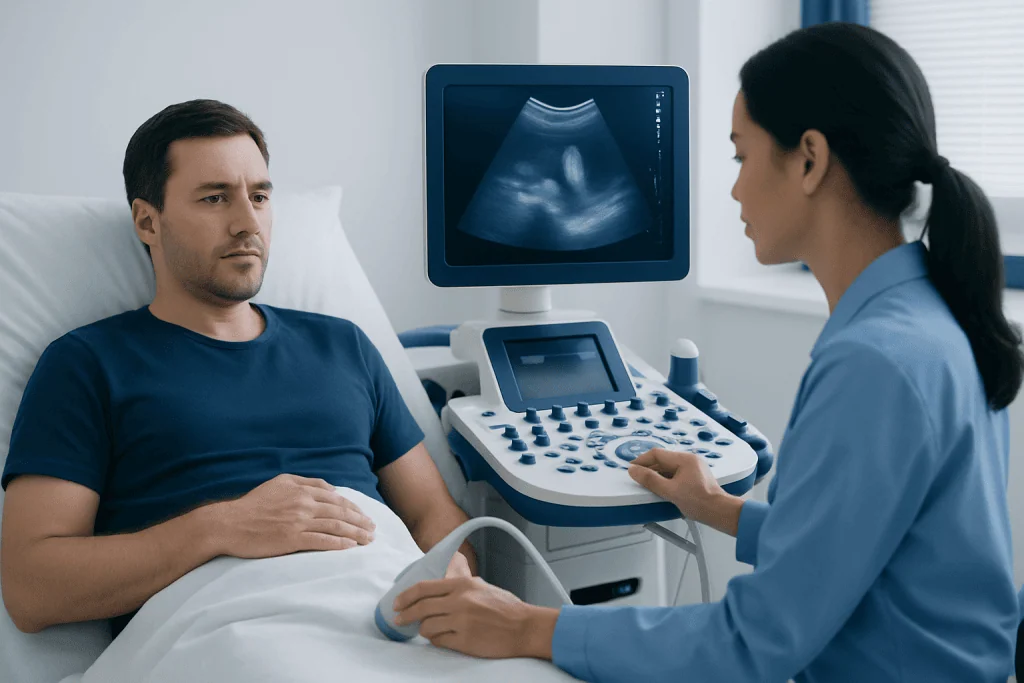
Imaging helps confirm the diagnosis and look for rupture, fluid, or an abscess. Ultrasound is often used in children and some adults. CT scanning is commonly used because it can show appendicitis, rupture, and related complications clearly. In certain situations, MRI may be preferred, especially during pregnancy.
Because a burst appendix can progress quickly, doctors may begin treatment decisions based on the overall findings rather than waiting for every possible test. The goal is to control infection and prevent further complications as soon as possible.
Treatment Options and Recovery
Treatment for an appendix burst usually includes intravenous fluids, antibiotics, pain control, and close monitoring in the hospital. Antibiotics are important because rupture allows bacteria to spread beyond the appendix. The exact plan depends on whether the main problem is widespread infection, a contained abscess, or both.
Many patients need surgery to remove the appendix, known as appendectomy. Surgery may be performed urgently, especially if there is generalized peritonitis. In other situations, if imaging shows a more localized abscess, doctors may first treat the infection with antibiotics and drain the abscess using image-guided drainage before deciding on the timing of surgery.
Recovery varies from person to person. A simple appendectomy for early appendicitis usually has a faster recovery than treatment after rupture. When the appendix has burst, hospital stay may be longer because doctors need to make sure the infection is improving, bowel function is returning, and no further drainage or procedures are needed.
After discharge, patients are usually advised to rest, gradually resume activity, take medicines exactly as prescribed, and watch for signs of ongoing infection such as fever, worsening pain, vomiting, or wound problems. In centers with multidisciplinary emergency and surgical care, including Acibadem International, international patients with abdominal emergencies can be evaluated and treated in JCI-accredited hospitals by specialists experienced in digestive and surgical care.
Prevention and Self-Care
There is no guaranteed way to prevent appendicitis or an appendix burst. Because the exact trigger is not always known, prevention mainly focuses on recognizing symptoms early and getting prompt medical advice for persistent or worsening abdominal pain.
Self-care at home is not appropriate when a burst appendix is suspected. It is best not to rely on laxatives, repeated pain medicines, or heating pads to manage severe unexplained abdominal pain, because these may delay diagnosis or make assessment more difficult. Eating and drinking may also be limited until a doctor decides whether surgery might be needed.
General healthy habits, such as balanced nutrition, hydration, regular activity, and routine medical care, support overall digestive health, but they do not replace urgent evaluation when symptoms suggest appendicitis. The key message is simple: early action offers the best chance to treat appendicitis before rupture occurs.
When to Seek Medical Care
Medical care should be sought promptly for abdominal pain that is severe, steadily worsening, or focused in the lower right side of the abdomen. The same is true if the pain comes with fever, vomiting, loss of appetite, a swollen belly, or pain that makes walking or standing upright difficult.
Emergency care is especially important if the abdomen becomes very tender or rigid, the pain spreads across the belly, or the person seems weak, confused, faint, or unusually ill. These signs can point to rupture, peritonitis, or another urgent abdominal condition that should not wait.
People with a weakened immune system, pregnant patients, young children, and older adults should be evaluated early even if symptoms seem less typical. Persistent or unexplained abdominal pain always deserves professional attention rather than self-diagnosis.
Frequently asked questions
Is a burst appendix the same as appendicitis?
Not exactly. Appendicitis means the appendix is inflamed, while an appendix burst means that inflamed appendix has ruptured. A rupture is a complication of appendicitis and is more serious because infection can spread into the abdomen.
What does burst appendix pain feel like?
Pain often begins near the belly button and then moves to the lower right side of the abdomen, becoming sharper and more constant. If the appendix ruptures, the pain may become more widespread and the abdomen may feel very tender or rigid.
Can a burst appendix heal on its own?
A burst appendix should not be expected to heal without medical treatment. Even if symptoms briefly change, infection can continue inside the abdomen. Prompt medical care is needed to reduce the risk of serious complications.
How is a ruptured appendix treated?
Treatment usually includes hospital care, antibiotics, fluids, and monitoring. Many patients need surgery to remove the appendix, while some also need drainage of an abscess before or along with surgery.
How long does recovery take after a burst appendix?
Recovery depends on how severe the infection was and what treatment was needed. In general, recovery after a ruptured appendix takes longer than recovery from uncomplicated appendicitis because the body also has to heal from the infection.
Can children have a burst appendix?
Yes. Children can develop appendicitis and may be at higher risk of rupture if symptoms are hard to recognize early. A child with worsening abdominal pain, fever, vomiting, or refusal to move should be assessed by a doctor promptly.
References
- National Institute of Diabetes and Digestive and Kidney Diseases
- American College of Surgeons
- Mayo Clinic
- National Health Service
- Cleveland Clinic
This article is for general information only and is not a substitute for professional medical advice. Please consult a qualified doctor about your individual situation.
Explore treatments in Turkey — costs, top hospitals & a free quote
JCI-accredited · board-certified surgeons · reply within 24h
Add us as a Preferred Source to see more of our trusted health content across Google Search, AI Overviews and Discover.

More from the Health Library

Shoulder Press — Explained by Medical Evidence, Not Myths

Carpal Tunnel — Explained by Medical Evidence, Not Myths

Sharp pulling pain in belly button female: Symptoms, Causes, and Treatment — Complete Patient Guide

Straight Leg Raises: What Patients Need to Know

Vicks Vaporub — Explained by Medical Evidence, Not Myths