Are Mushrooms Good for You? A Doctor-Reviewed Answer

Edible mushrooms are usually a healthy food and can fit into many balanced eating patterns. They provide nutrients such as B vitamins, minerals, fiber, and antioxidant compounds with relatively few calories.
Key Takeaways
- Edible mushrooms are usually a healthy food and can fit into many balanced eating patterns.
- They provide nutrients such as B vitamins, minerals, fiber, and antioxidant compounds with relatively few calories.
- Not all mushrooms are safe: wild mushrooms can be poisonous, and some people may react poorly to even edible types.
- Medical review is important for severe symptoms after eating mushrooms, signs of allergy, or suspected mushroom poisoning.
- A doctor may evaluate symptoms with a history, physical exam, and tests depending on whether the concern is digestion, allergy, liver injury, or toxicity.
Yes—edible mushrooms are generally good for you and can be a nutritious part of a balanced diet. They provide fiber, vitamins, minerals, and plant compounds, but they are not ideal for everyone, especially if they trigger digestive symptoms, allergy-like reactions, or concerns about poisoning from wild mushrooms.
Overview: are mushrooms good for you?
For most people, the answer is yes. Common edible mushrooms such as button, cremini, portobello, shiitake, and oyster mushrooms can be a healthy addition to meals. They are naturally low in calories, contain useful nutrients, and can add flavor and texture that help support a balanced eating pattern.
Mushrooms are not a “miracle food,” but they can contribute to overall health in practical ways. They provide fiber, small amounts of protein, B vitamins, minerals such as selenium and copper, and naturally occurring compounds that may help protect cells from oxidative stress. Some mushrooms exposed to ultraviolet light also contain vitamin D.
At the same time, mushrooms are not right for everyone in every situation. A person may need medical advice if mushrooms repeatedly trigger bloating, abdominal pain, nausea, diarrhea, rash, or breathing symptoms. The biggest safety issue is not grocery-store mushrooms, but wild mushrooms, which should never be eaten unless they have been reliably identified by an expert.
What makes mushrooms nutritious?
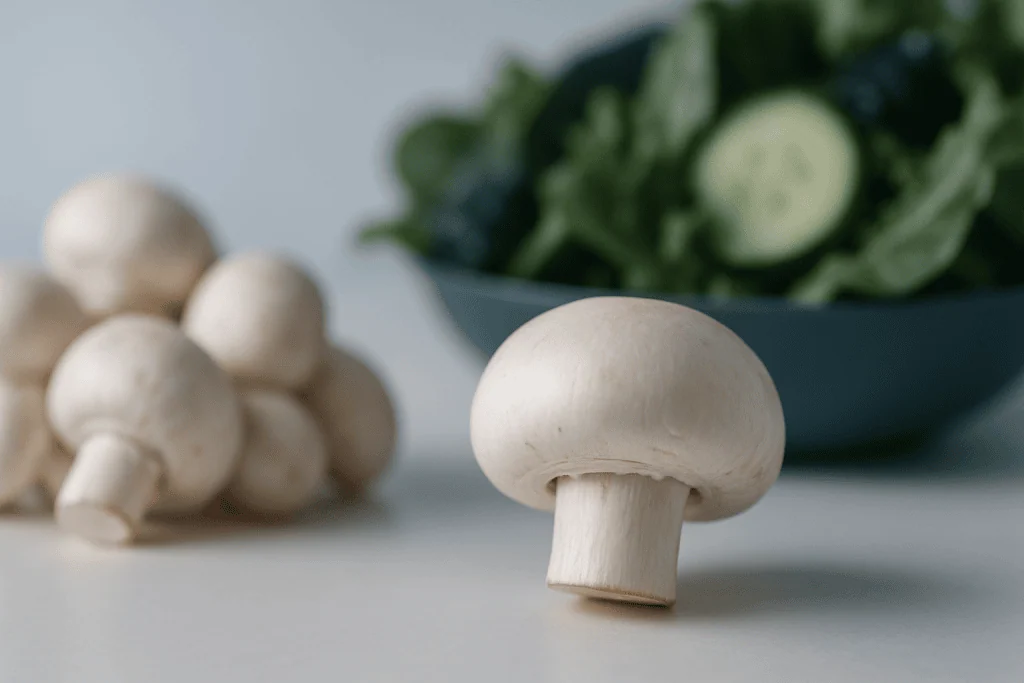
Mushrooms are often grouped with vegetables in everyday eating, but nutritionally they are unique. They contain dietary fiber, including beta-glucans and other compounds found in fungal cell walls. These may support digestive health and help a person feel full after meals.
They also provide micronutrients that the body uses in energy production, nerve function, and normal immune activity. The exact nutrient profile varies by type, growing conditions, and preparation, but common edible mushrooms can contain riboflavin, niacin, pantothenic acid, selenium, copper, potassium, and small amounts of other vitamins and minerals.
Another reason mushrooms are often viewed positively is their culinary role. They can add savory flavor, sometimes described as umami, which may help a person use less salt or reduce reliance on heavily processed foods. When prepared in a health-conscious way, mushrooms can support varied, satisfying meals.
- Low in calories and naturally fat-free
- Provide fiber and plant compounds
- Contain B vitamins and minerals
- Can be part of vegetarian or omnivorous diets
- May help add flavor without excess calories
Potential health benefits of eating mushrooms

The possible benefits of mushrooms depend on the person’s overall diet and health, not on mushrooms alone. Replacing highly processed foods with vegetables, legumes, whole grains, and mushrooms may support heart, metabolic, and digestive health over time. Mushrooms can fit well into dietary patterns that emphasize nutrient density.
Some research suggests that mushroom compounds may have antioxidant and anti-inflammatory effects. This does not mean mushrooms prevent or treat disease on their own, but it supports their role as one part of a varied diet. Their fiber content may also support bowel regularity and gut health in some people.
Because they are filling yet relatively low in calories, mushrooms may also be useful for people trying to manage weight in a sustainable way. A doctor or dietitian may recommend practical food substitutions as part of broader weight management care when diet quality is being improved alongside other treatments or lifestyle changes.
When mushrooms may not be good for someone
Although mushrooms are generally safe when they are commercially grown and properly cooked or cleaned, there are situations where they may not be a good choice. Some people notice bloating, gas, cramping, or loose stools after eating them, especially in large amounts. This may relate to individual digestive sensitivity rather than a dangerous problem.
Others may react to mushrooms because of allergy or intolerance. Symptoms can include itching in the mouth, hives, rash, nausea, vomiting, or, rarely, more serious breathing symptoms. People who have recurrent digestive complaints may benefit from an evaluation for other conditions, since not all symptoms after meals are caused by one food. Depending on the pattern, a doctor may also consider common digestive disorders such as irritable bowel syndrome.
Mushrooms can also interact with the way a meal is prepared. Deep-frying, heavy cream sauces, excess butter, or very salty seasonings can make a mushroom dish much less healthful than the mushroom itself. For some people with reflux, gallbladder issues, or sensitive digestion, rich mushroom dishes may be more troublesome than simply cooked mushrooms.
The most serious concern is mushroom poisoning. Wild mushrooms can look similar to edible varieties but contain toxins that damage the liver, kidneys, nervous system, or digestive tract. A person should never assume a wild mushroom is safe based on appearance, folklore, or animal behavior.
Red flags and when to seek medical care
In many cases, mild fullness or gas after eating mushrooms is harmless and improves without treatment. However, medical care should be sought promptly if symptoms are severe, persistent, or unusual. This is especially important after eating wild mushrooms, foraged mushrooms, or unidentified mushroom products.
Urgent medical review is needed for severe vomiting, significant diarrhea, confusion, fainting, trouble breathing, chest tightness, swelling of the lips or tongue, yellowing of the eyes or skin, severe abdominal pain, dehydration, or symptoms that begin after eating a wild mushroom. If poisoning is suspected, emergency services or a poison center should be contacted right away rather than waiting for symptoms to pass.
A person should also arrange a non-emergency medical visit if mushrooms repeatedly seem to trigger digestive symptoms, if there is unexplained weight loss, blood in the stool, frequent heartburn, or symptoms of possible food allergy. Depending on the pattern, doctors may evaluate for conditions such as gastritis or other digestive causes.
How doctors evaluate symptoms after eating mushrooms
The first step is usually a careful history. A doctor may ask what type of mushroom was eaten, whether it was store-bought or wild, how it was prepared, how much was consumed, when symptoms started, and whether anyone else who ate the same food became ill. Timing matters because toxic, allergic, and digestive reactions can begin in different ways.
A physical examination helps assess hydration, abdominal tenderness, skin changes, breathing, heart rate, and signs of serious illness. If poisoning is a concern, doctors may order blood tests to check liver function, kidney function, electrolytes, and blood clotting. Stool tests or imaging may be used in selected cases if another digestive cause is suspected.
If symptoms suggest an allergy, a doctor may refer the person for specialist assessment. If the problem seems more related to chronic indigestion, upper abdominal discomfort, nausea, or reflux symptoms, evaluation may include dietary review, medication history, and in some cases upper gastrointestinal endoscopy to look more closely at the esophagus, stomach, and first part of the small intestine.
When the main concern is recurring bowel symptoms rather than an emergency, clinicians often look at the broader pattern of eating, stress, bowel habits, and other medical conditions. The goal is to identify whether mushrooms are the true trigger, part of a high-FODMAP meal, or simply one of several foods that are difficult for a sensitive digestive system.
How to enjoy mushrooms safely and healthfully
For most adults and children, the safest approach is to choose commercially grown edible mushrooms from reliable food sources. Washing or brushing them clean and cooking them thoroughly is a sensible way to prepare them. Good kitchen hygiene also matters, including refrigeration and avoiding spoiled produce.
Healthier cooking methods include sautéing with modest amounts of oil, roasting, grilling, or adding mushrooms to soups, grain dishes, omelets, or vegetable-based meals. This keeps the focus on the mushroom itself rather than on heavy sauces or excessive salt. Portion size can also matter for people with sensitive digestion.
Anyone trying mushrooms for the first time after a prior food reaction, or after being advised they may have a food allergy, should speak with a clinician before experimenting. People with ongoing digestive complaints may benefit from a broader medical and nutrition review, especially if symptoms overlap with reflux, nausea, or chronic indigestion. In some situations, specialists may assess the digestive tract with colonoscopy or other tests when bowel symptoms suggest another underlying issue.
Near the end of the care pathway, some patients may prefer coordinated evaluation in a hospital setting. Acibadem International’s multidisciplinary specialists and JCI-accredited hospitals diagnose and treat digestive and nutrition-related concerns for international patients when further assessment is needed.
A balanced bottom line
Mushrooms are generally good for you when they are edible, safely sourced, and prepared in a balanced way. They offer useful nutrients, fit into many healthy eating styles, and can help create satisfying meals without adding many calories. For most people, they are a beneficial food rather than something to avoid.
The main exceptions involve poisoning risk from wild mushrooms, possible allergy, and individual digestive sensitivity. If symptoms are mild and occasional, simple changes in portion size or preparation may help. If symptoms are severe, repeated, or linked to wild mushrooms, professional medical advice is the safest next step.
In short, the question is not only whether mushrooms are healthy in general, but whether they agree with the individual person eating them. A qualified doctor or dietitian can help put symptoms and food choices into context and guide the next steps if there is uncertainty.
Frequently asked questions
Are mushrooms good for you every day?
For many people, mushrooms can be eaten regularly as part of a balanced diet. Variety still matters, so they are best included alongside other vegetables, fruits, whole grains, legumes, and protein sources.
Are raw mushrooms as healthy as cooked mushrooms?
Both can contain useful nutrients, but cooking often improves texture, flavor, and digestibility. Cooking also reduces the risk from contamination and may make mushrooms easier on sensitive stomachs.
Who should be careful about eating mushrooms?
People with suspected mushroom allergy, recurring digestive symptoms after eating them, or a history of reactions to certain foods should be cautious. Anyone considering eating wild mushrooms should avoid doing so unless identification has been made by a true expert.
Can mushrooms cause stomach problems?
Yes, some people experience gas, bloating, cramping, nausea, or loose stools after eating mushrooms. This may be due to individual sensitivity, meal composition, or another digestive condition rather than the mushrooms alone.
Are all mushrooms from stores safe to eat?
Commercially sold edible mushrooms are generally safe when they are fresh, properly stored, and cooked or handled hygienically. They should still be discarded if spoiled, slimy, or foul-smelling.
What should someone do after eating a wild mushroom and feeling sick?
They should seek urgent medical help right away and contact emergency services or a poison center if available. It is important not to wait for symptoms to become severe, because some mushroom toxins can cause delayed but serious organ damage.
This article is for general information only and is not a substitute for professional medical advice. Please consult a qualified doctor about your individual situation.
Medical weight-loss options in Turkey — costs & eligibility
JCI-accredited · board-certified surgeons · reply within 24h
Add us as a Preferred Source to see more of our trusted health content across Google Search, AI Overviews and Discover.

More from the Health Library

Mcas Symptoms: Possible Causes and When to Seek Care

What Is Bile? Causes, Explanations, and Next Steps

How to Cure High Blood Pressure in 3 Minutes? Causes, Explanations, and Next Steps

Can I Oil? A Doctor-Reviewed Answer

Does Coffee Have Calories? Here Is What the Evidence Says