

Are Probiotics Worth Trying for Digestive Problems?
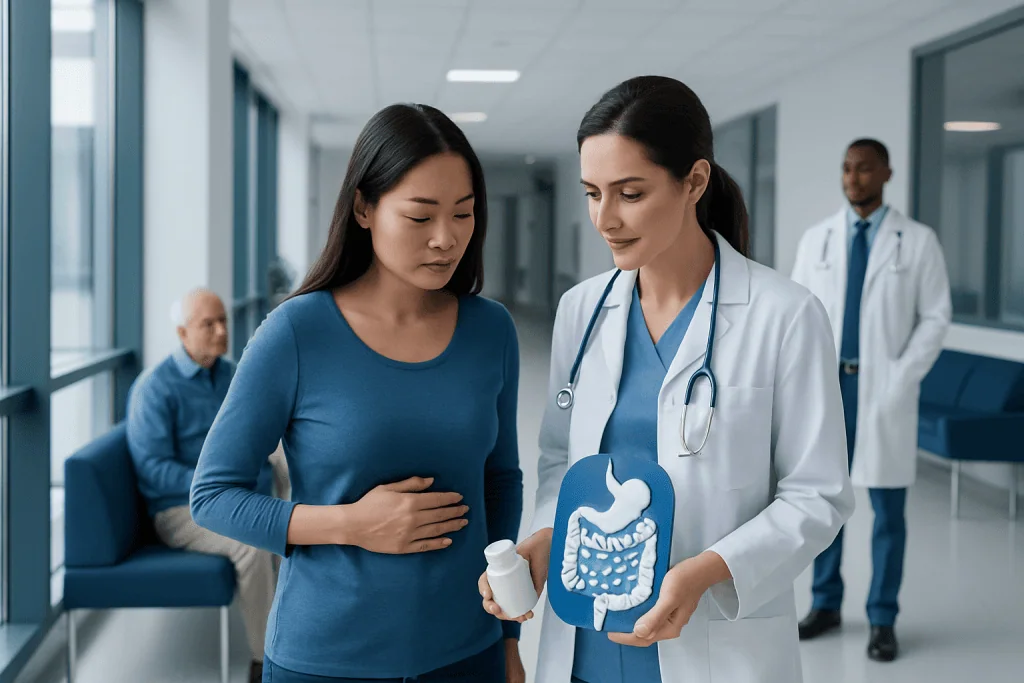
Probiotics are live microorganisms that may support gut health when taken in appropriate amounts. Some digestive problems, such as antibiotic-associated diarrhea and certain IBS symptoms, may improve with selected probiotic strains.
Key Takeaways
- Probiotics are live microorganisms that may support gut health when taken in appropriate amounts.
- Some digestive problems, such as antibiotic-associated diarrhea and certain IBS symptoms, may improve with selected probiotic strains.
- Not all probiotic products work the same way, and effects vary by strain, dose, and individual health needs.
- People with severe illness, weakened immunity, or complex medical conditions should speak with a doctor before using probiotics.
- Diet, hydration, sleep, stress management, and medical evaluation remain important parts of digestive care.
Probiotics may be helpful for some digestive problems, but they are not a one-size-fits-all solution. Whether they are worth trying depends on the person’s symptoms, overall health, and the specific probiotic product being considered.
Overview: What probiotics are and what they do
Probiotics are live microorganisms, often called “good” or “helpful” bacteria, that may support the balance of the gut microbiome. The gut microbiome is the large community of bacteria and other microbes that naturally live in the digestive tract. These organisms help with digestion, interact with the immune system, and may influence how the gut works day to day.
Probiotics are found in some fermented foods, such as yogurt, kefir, and certain cultured products, and they are also sold as supplements. Different probiotics contain different strains, such as Lactobacillus, Bifidobacterium, Saccharomyces boulardii, or other organisms. This matters because one strain may help a particular symptom while another may not.
For people with digestive complaints, probiotics can sound appealing because they are widely available and often seen as a natural option. However, “natural” does not automatically mean effective for every person or every condition. A careful, informed approach is the best way to decide whether probiotics are worth trying.
Can probiotics help digestive problems?
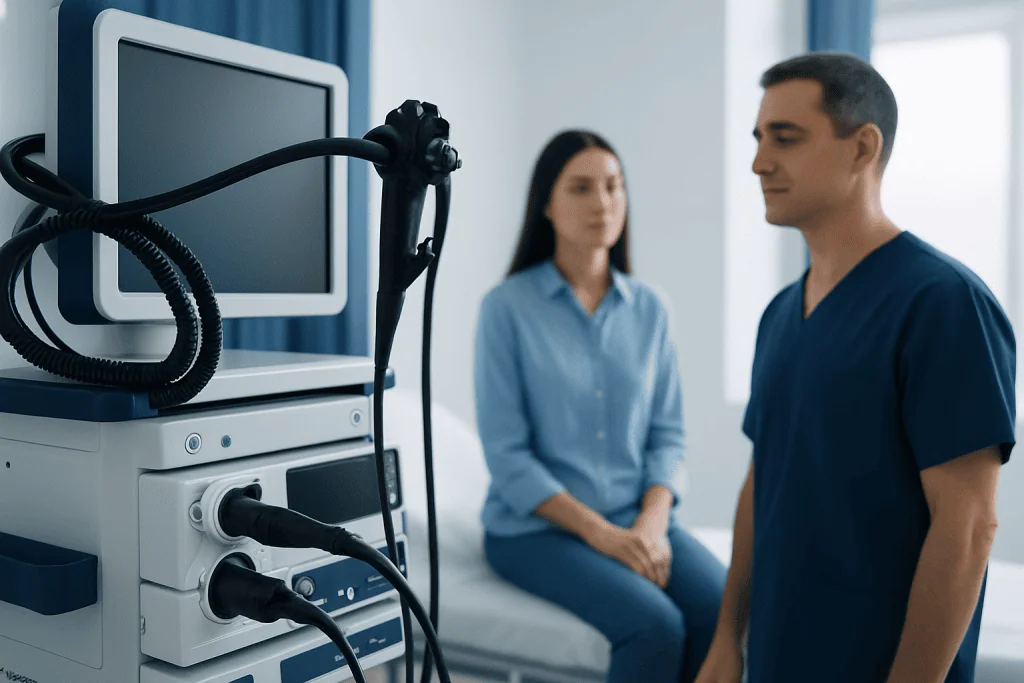
Probiotics may help some digestive problems, but the answer is not the same for everyone. Research suggests they can be useful in certain situations, especially when symptoms are linked to changes in the gut microbiome. For example, some probiotic strains may reduce the risk of antibiotic-associated diarrhea or shorten recovery from some infectious diarrhea episodes.
There is also evidence that selected probiotics may help some people with bloating, gas, and abdominal discomfort related to irritable bowel syndrome. At the same time, results are mixed. Some people notice clear improvement, some notice none, and others may feel temporarily more bloated when they first start a product.
Probiotics are generally less helpful when digestive symptoms are caused by a structural problem, untreated inflammation, bleeding, medication side effects, or another disease that needs medical care. In those cases, probiotics may not address the real cause. This is why persistent or concerning symptoms should not be treated with supplements alone.
Digestive symptoms and conditions where they may be worth trying
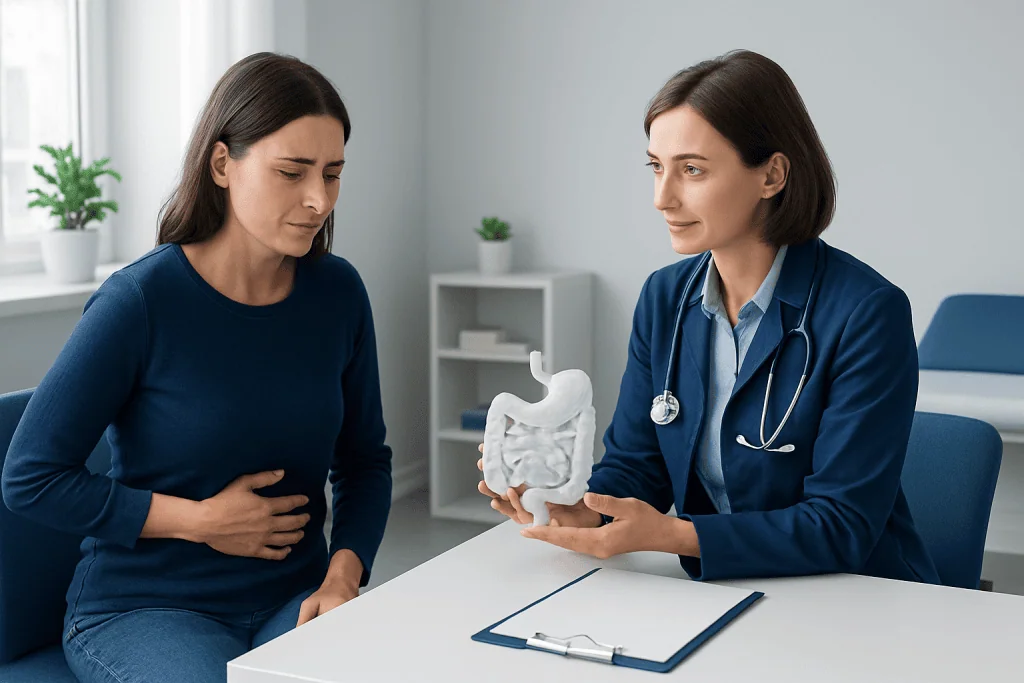
For mild digestive symptoms, probiotics may be reasonable to consider as one part of a broader self-care plan. They are most often discussed for bloating, irregular bowel habits, mild diarrhea after antibiotics, and some symptoms linked to IBS. In these settings, the potential benefit usually depends on choosing a product that has been studied for that specific problem.
Situations where a doctor may discuss probiotics include:
- Diarrhea linked to antibiotic use
- Some symptoms of irritable bowel syndrome, such as bloating or abdominal discomfort
- Support during recovery after a brief stomach infection
- Some cases of functional constipation, depending on the overall picture
They are not a substitute for diagnosis or treatment of serious conditions such as inflammatory bowel disease, celiac disease, persistent infection, or unexplained weight loss. People with ongoing pain, blood in the stool, fever, nighttime symptoms, or strong family history of bowel disease should be assessed by a doctor rather than relying on a probiotic trial alone.
In people with known digestive disease, probiotics may still have a place, but they should fit into a broader care plan. For example, someone being evaluated for Crohn’s disease or other inflammatory bowel conditions should first receive proper medical assessment. If symptoms are frequent or disruptive, consultation with a gastroenterology team is the safest next step.
Why results vary so much from person to person
One of the main reasons probiotics can be confusing is that they are not all the same. Benefits are usually strain-specific, which means a product containing one type of bacteria cannot be assumed to work like another. Even products sold for “digestive health” may contain different organisms, doses, and combinations.
Another reason is that digestive symptoms can have many causes. Bloating may be related to diet, constipation, IBS, food intolerance, swallowing air, stress, or a more complex medical condition. If the underlying issue is not related to the gut microbiome, a probiotic may offer little benefit.
Individual differences also matter. Age, medications, recent antibiotic use, diet, stress, sleep, and existing gut conditions can all influence how a person responds. Because of this, a short, thoughtful trial may be reasonable for some people, but expectations should stay realistic. Probiotics may help modestly rather than dramatically, and they are only one part of digestive care.
How to try probiotics safely and choose a product
If a person wants to try probiotics for digestive problems, the safest approach is to choose a product linked to the specific symptom they hope to improve. Looking for a supplement or food product that clearly lists the strain, storage instructions, and expiration date is more helpful than choosing based on marketing claims alone. A pharmacist, dietitian, or doctor can help interpret labels.
It is often sensible to try only one new product at a time for a limited period while monitoring symptoms. Keeping a simple record of bloating, stool changes, pain, and diet can help determine whether there is any real benefit. If symptoms worsen or there is no improvement after a reasonable trial, continuing may not be worthwhile.
Some people prefer to start with food sources, such as cultured yogurt or kefir, because these can fit naturally into everyday meals. Others may need a supplement if they are targeting a specific strain. Probiotics should also be considered alongside other supportive steps, such as hydration, fiber balance, and evaluation for underlying conditions that may need tests like colonoscopy or imaging.
Possible side effects, precautions, and when probiotics may not be enough
For many healthy adults, probiotics are generally well tolerated. Mild gas, bloating, or temporary changes in bowel habits can happen when starting them. These effects often settle, but if symptoms are troublesome or continue, the product may not be the right fit.
Probiotics are not appropriate for everyone without medical advice. People with severely weakened immune systems, central venous catheters, critical illness, or certain serious medical conditions should speak with a doctor before using them. Although uncommon, infections related to probiotic organisms have been reported in vulnerable patients.
Most importantly, probiotics should not delay medical evaluation. If digestive symptoms are significant, recurrent, or associated with warning signs, professional assessment is important. Depending on the symptoms, a doctor may recommend blood tests, stool tests, dietary review, endoscopy, endoscopy, or specialist care to identify the true cause.
Other ways to support digestive health and when to see a doctor
Even when probiotics are worth trying, they usually work best as part of a bigger digestive health plan. Regular meals, adequate water intake, movement, good sleep, and stress management can all affect bowel function. A balanced diet that includes fiber from vegetables, fruits, legumes, oats, and whole grains may support healthy gut bacteria, though the right amount of fiber varies from person to person.
It can also help to identify personal triggers. Some people react to large meals, high-fat foods, alcohol, artificial sweeteners, or lactose. Others notice that stress and rushed eating make symptoms worse. Keeping a symptom diary may reveal patterns that are more useful than adding multiple supplements.
A doctor should be consulted if symptoms are persistent, severe, or changing. Medical advice is especially important for blood in the stool, vomiting, fever, unexplained weight loss, trouble swallowing, anemia, nighttime diarrhea, or new symptoms after age 50. If more advanced evaluation or treatment is needed, Acibadem International’s multidisciplinary specialists and JCI-accredited hospitals diagnose and treat digestive conditions for international patients, including care in gastroenterology.
In short, probiotics can be worth trying for selected digestive problems, but they are not a cure-all. The most helpful approach is to match the product to the symptom, use it cautiously, and seek medical guidance when symptoms suggest something more than a temporary imbalance.
Frequently asked questions
Are probiotics good for all digestive problems?
No. Probiotics may help some problems, such as antibiotic-associated diarrhea or certain IBS-related symptoms, but they do not treat every digestive condition. If symptoms are persistent or include warning signs, medical evaluation is more important than trying supplements alone.
How long should someone try probiotics before deciding if they work?
A short trial is often reasonable, but it should be planned and monitored. Many people assess benefit over several weeks rather than just a few days. If there is no clear improvement or symptoms worsen, it is sensible to stop and speak with a healthcare professional.
Can probiotics cause bloating or gas?
Yes, they can, especially when a person first starts taking them. These effects are usually mild and temporary, but not everyone tolerates every product the same way. If symptoms are uncomfortable or persistent, a different approach may be better.
Is it better to get probiotics from food or supplements?
It depends on the goal. Fermented foods can be a healthy option for general digestive support, while supplements may be used when a specific strain is being considered for a specific symptom. A doctor or dietitian can help decide which approach is most suitable.
Who should be careful about using probiotics?
People with weakened immune systems, serious medical illness, or complex hospital-based care should not start probiotics without medical advice. In vulnerable groups, there may be safety concerns even though serious problems are uncommon. This is why individual guidance matters.
Do probiotics replace medical treatment for IBS or other bowel conditions?
No. They may be one supportive tool, but they do not replace diagnosis, medication, diet planning, or follow-up when needed. Conditions such as IBS, inflammatory bowel disease, or ongoing diarrhea require proper assessment and an individualized treatment plan.
References
- World Gastroenterology Organisation
- National Institute of Diabetes and Digestive and Kidney Diseases
- American Gastroenterological Association
- National Center for Complementary and Integrative Health
- World Health Organization
This article is for general information only and is not a substitute for professional medical advice. Please consult a qualified doctor about your individual situation.
Persistent digestive symptoms? Get evaluated in Turkey
JCI-accredited · board-certified surgeons · reply within 24h
Add us as a Preferred Source to see more of our trusted health content across Google Search, AI Overviews and Discover.

More from the Health Library



Related Specialists

Assoc. Prof. Dr. İlker Özgür Koska
Radiology
Assoc. Prof. Dr. Nefise Nazlı Yenigül
Gynecology & Obstetrics
Prof. Dr. Yaşar Ünlü
Otorhinolaryngology
Dr. Burak Sercan Erçin (m)
Aesthetic Plastic & Reconstructive Surgery