

Arm Brace Crutches: An Evidence-Based Patient Guide
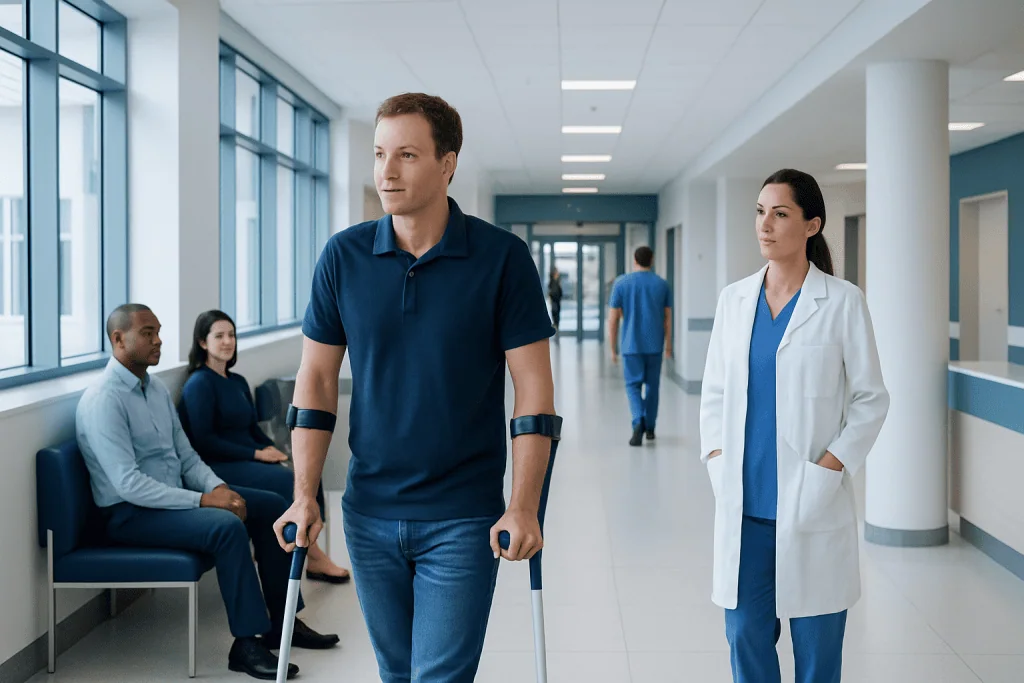
Arm brace crutches usually refer to forearm crutches, which have a cuff around the forearm rather than a pad under the armpit. They may be appropriate for short- or longer-term mobility needs when a person has sufficient hand, wrist, arm, and balance control.
Key Takeaways
- Arm brace crutches usually refer to forearm crutches, which have a cuff around the forearm rather than a pad under the armpit.
- They may be appropriate for short- or longer-term mobility needs when a person has sufficient hand, wrist, arm, and balance control.
- Weight should be placed through the hands and handgrips, not through the forearm cuffs or the armpits.
- Some people can use forearm crutches without putting weight on one leg, but this requires adequate strength, balance, and professional instruction.
- A clinician or physiotherapist should confirm the correct crutch height, weight-bearing status, walking pattern, and stair technique.
Arm brace crutches are mobility aids with handgrips and forearm cuffs that help a person walk while protecting an injured or weak leg. Correct fitting, weight-bearing instructions, and practice with a rehabilitation professional can improve comfort, stability, and safety.
Overview: What Are Arm Brace Crutches?
Arm brace crutches are commonly called forearm crutches or elbow crutches. They have a handgrip, a shaft, a rubber tip, and a cuff that fits around the upper forearm. The cuff helps keep the crutch close to the arm when the hand is briefly released, but it is not intended to carry the person’s body weight.
These crutches support walking when an injury, surgery, pain condition, weakness, or balance problem makes normal walking difficult. They can reduce loading through one or both legs, improve stability, and help a person remain active while recovery or rehabilitation is underway. Their suitability depends on the person’s prescribed weight-bearing level, upper-body strength, coordination, home environment, and confidence using the device.
Unlike underarm crutches, forearm crutches do not rest beneath the armpits. This can make them a practical option for some people who need a mobility aid over a longer period. However, safe use still requires correct fitting and instruction, ideally from a physiotherapist, occupational therapist, or other qualified healthcare professional.
How Arm Brace Crutches Work and Their Uses
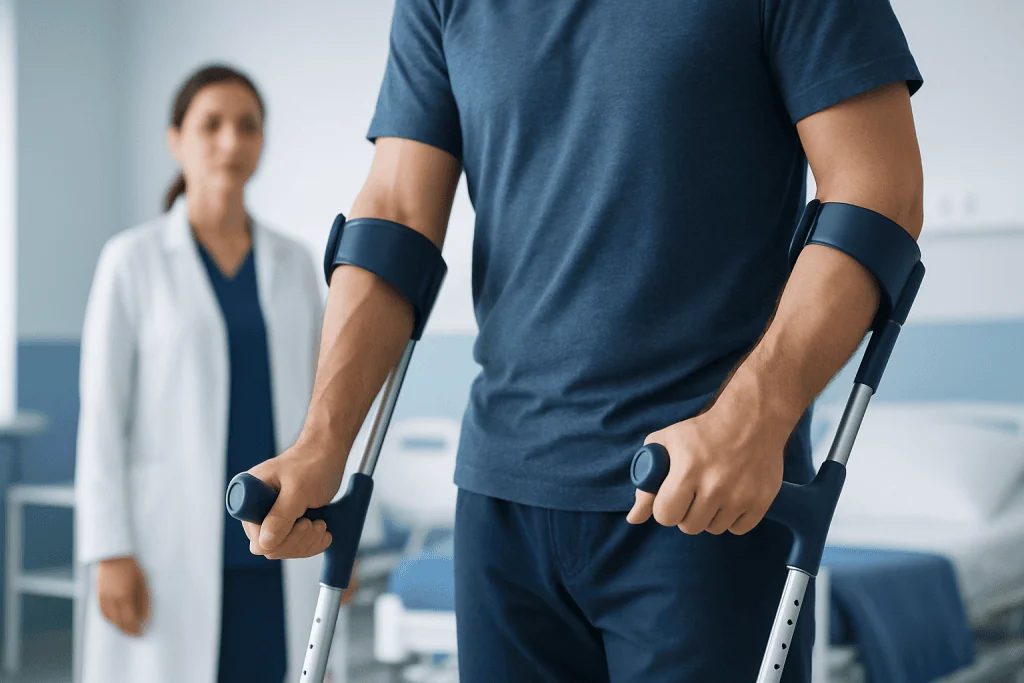
Forearm crutches work by widening the person’s base of support and allowing some body weight to be transferred through the hands and arms. The handgrips bear the load, while the cuffs provide positioning and control. The rubber tips create traction with the floor, so worn or wet tips can substantially reduce safety.
Common arm crutches uses include supporting recovery after a lower-limb injury or operation, assisting people with chronic joint conditions, and helping those with neuromuscular or mobility limitations. A healthcare professional may prescribe them for partial weight-bearing, weight-bearing as tolerated, or non-weight-bearing walking, depending on the underlying condition and the recovery plan.
Forearm crutches can offer freedom of movement because the cuff helps prevent the crutch from falling when the hand is opened. Yet they generally demand more balance and coordination than a walker. They are therefore not automatically the safest choice for everyone, particularly people with substantial dizziness, poor balance, severe hand pain, or limited ability to bear weight through the arms.
What Kind of Patient Would Need a Forearm Crutch?
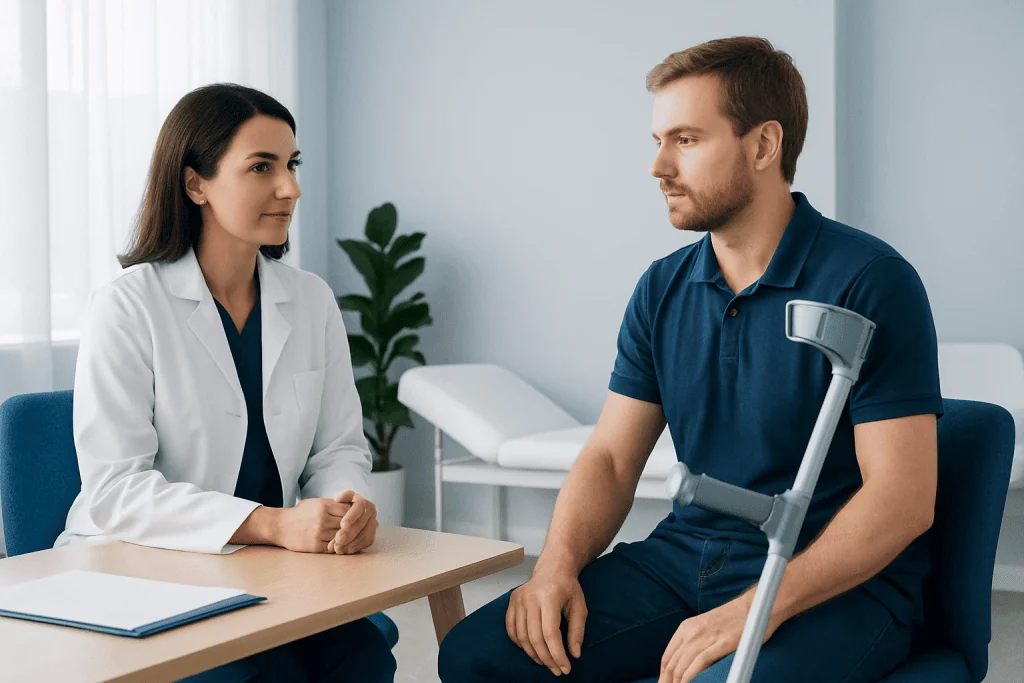
A person may need a forearm crutch when they require support for walking but can safely use their hands, wrists, arms, and shoulders to control the crutches. Examples include someone recovering from a leg, ankle, foot, knee, or hip injury; a person following selected orthopedic procedures; or an individual with longer-term difficulty walking due to weakness, pain, or an altered gait.
Forearm crutches may be chosen instead of underarm crutches when longer-term use is expected or when the person finds forearm cuffs easier to manage. They may also be used as a pair for support on both sides, or occasionally as one crutch when recommended for a specific walking pattern. The choice depends on the diagnosis and functional assessment, not simply personal preference.
They may be less suitable for people with a painful wrist or hand condition, marked shoulder weakness, poor grip, severe fatigue, significant balance impairment, or cognitive difficulties that make technique hard to learn. In these circumstances, a walker, wheelchair, knee scooter, or another aid may be safer. A clinician can help match the mobility device to the person’s needs.
For musculoskeletal injuries or rehabilitation needs, an orthopedic clinician and physiotherapist can advise on mobility support and recovery planning. Acibadem International’s multidisciplinary specialists and JCI-accredited hospitals also assess and treat orthopedic and rehabilitation needs for international patients.
How to Use Crutches With Arm Support
Correct adjustment should be confirmed by a healthcare professional. When standing upright in regular walking shoes, the handgrip is often positioned around wrist level with the arm relaxed at the side, allowing a slight bend in the elbow when holding the grip. The forearm cuff is commonly placed a few centimeters below the elbow crease, though the exact position varies with the device and the individual’s arm length.
To walk with two forearm crutches, the person first follows the weight-bearing instructions provided by their clinician. In a common pattern for protecting one leg, both crutches move forward with the affected leg, then the stronger leg steps through or up to the crutches. When full weight-bearing is allowed, a more natural alternating pattern may be taught. The right technique depends on which leg is affected and how much weight it can take.
The person should look ahead rather than down continuously, keep the crutch tips slightly apart for stability, and take measured steps. Body weight should go through the hands on the grips, not through the cuffs. Floors should be dry and clear of loose rugs, cables, clutter, and pets where possible. Shoes should be secure and have non-slip soles.
For sitting, the person should back up until the chair is felt behind the legs, reach for the chair armrest if available, and lower down in a controlled way. Stairs require a specific method and should be practiced with supervision. If possible, using a handrail and carrying items in a backpack can make movement safer.
Can You Be Non-Weight-Bearing With Forearm Crutches?
Yes, some people can be non-weight-bearing with forearm crutches. Non-weight-bearing means the affected foot or leg should not take any body weight during standing or walking. The person supports themselves through the hands and arms while moving the crutches and the unaffected leg in the pattern taught by a rehabilitation professional.
However, non-weight-bearing walking with forearm crutches is physically demanding. It requires good upper-body strength, hand and wrist tolerance, balance, coordination, and enough cardiovascular stamina to move safely. It may be difficult or unsafe for some people, especially over long distances, on stairs, or when fatigue develops.
A clinician may recommend an alternative aid if non-weight-bearing forearm crutch use is not safe or practical. Options may include a walker, wheelchair, knee scooter, or temporary assistance at home. The person should never change from non-weight-bearing to partial or full weight-bearing without approval from the clinician managing the injury or surgery.
What Are Three Common Mistakes People Make Using Crutches?
First, using crutches that are incorrectly fitted. Crutches that are too high, too low, uneven, or poorly positioned can cause poor posture, instability, and pain in the hands, wrists, shoulders, back, or neck. People using underarm crutches should also know that the upper pad should not press into the armpit; it is generally positioned about two to three finger widths below it. Forearm crutches do not use an armpit pad.
Second, placing weight through the wrong area. With arm attached crutches, the cuff is for retention and guidance, while the handgrip is designed to take weight. Leaning into the cuffs or holding the grips loosely can reduce control. With underarm crutches, leaning on the armpit pads can irritate or compress nerves and blood vessels.
Third, ignoring the prescribed walking and weight-bearing plan. Taking steps too quickly, allowing the restricted leg to bear weight before clearance, or trying stairs before instruction can delay recovery or lead to a fall. Other frequent errors include wearing slippery footwear, failing to check rubber tips, carrying bulky items in the hands, and continuing despite new severe pain or numbness.
Benefits, Risks, and Recovery Planning
The main benefit of arm brace crutches is that they can help a person move more independently while reducing strain on an injured or painful leg. They may support participation in daily tasks, school, work, appointments, and rehabilitation, provided that use is safe and consistent with medical advice. The forearm cuff can also make the crutches easier to keep close while opening a door or using the hands briefly.
Possible downsides include falls, fatigue, and discomfort in the palms, wrists, elbows, shoulders, or back. Poor technique can contribute to overuse symptoms, and a device that does not match the person’s needs can make walking more difficult rather than easier. Regular checks of height adjustment, cuff fit, handgrips, and rubber tips are important.
Recovery timing is determined by the injury, operation, or condition—not by the crutches themselves. Some people need them for days or weeks, while others use them for longer-term support. Follow-up appointments may include reassessing pain, swelling, walking quality, strength, range of motion, and whether the person can safely reduce or stop using the crutches.
Rehabilitation often includes targeted exercises and gradual progression in activity. A physiotherapist can teach safe gait patterns, transfers, stair use, and strategies to protect the unaffected leg and upper body from overload.
When to Seek Medical Care
Medical advice should be sought promptly after a fall, a new injury, or a sudden inability to use the crutches safely. A clinician should also be contacted if pain, swelling, numbness, tingling, weakness, or skin changes in the hands or arms develop or worsen while using the device. These symptoms may indicate that the fit, technique, or type of mobility aid needs review.
Urgent assessment is important for severe or worsening pain, a cold or pale foot, new marked swelling, shortness of breath, chest pain, fainting, fever with increasing redness around a wound, or other concerning symptoms following injury or surgery. These symptoms can have several causes and should not be self-managed.
People should arrange a routine review if the crutch tips are worn, the cuffs are uncomfortable, the person is avoiding necessary movement because of fear of falling, or the prescribed weight-bearing plan is unclear. A rehabilitation professional can provide hands-on training and make adjustments before problems become more significant.
Frequently asked questions
Are arm brace crutches the same as forearm crutches?
Usually, yes. Arm brace crutches is an informal term often used for forearm crutches, which have a handgrip and a cuff around the forearm. The cuff helps keep the crutch aligned with the arm, while the handgrip carries body weight.
How should forearm crutches be fitted?
A clinician or physiotherapist should fit the crutches whenever possible. The handgrips are generally set near wrist height when standing upright, so there is a slight elbow bend while holding them, and the cuffs sit below the elbow crease. Exact settings can vary by device and body shape.
Do forearm crutches go under the armpits?
No. Forearm crutches are held by the hands and supported by cuffs around the forearms, not by pads under the armpits. Underarm crutches are a different design and should also not be pressed tightly into the armpits.
Can a person use one forearm crutch?
Some people can use one forearm crutch, but this should be recommended by a clinician. The correct side and walking pattern depend on the condition, the affected leg, balance, and the person’s strength. Using one crutch incorrectly can increase strain and reduce stability.
How long does it take to learn to use forearm crutches?
Many people learn basic level-ground walking after instruction and supervised practice, but confidence varies. Stair use, non-weight-bearing walking, and moving on uneven surfaces often take more practice. A physiotherapist can tailor training to the person’s prescribed activity restrictions.
What should a person do if their hands hurt when using forearm crutches?
Hand pain may occur when the grips, height, technique, or amount of use needs adjustment. The person should pause if pain is significant and contact the clinician or rehabilitation professional who prescribed the crutches. New numbness, weakness, color change, or severe pain should be assessed promptly.
References
- American Academy of Orthopaedic Surgeons
- National Health Service
- MedlinePlus, U.S. National Library of Medicine
- Mayo Clinic
This article is for general information only and is not a substitute for professional medical advice. Please consult a qualified doctor about your individual situation.
Explore treatments in Turkey — costs, top hospitals & a free quote
JCI-accredited · board-certified surgeons · reply within 24h
Add us as a Preferred Source to see more of our trusted health content across Google Search, AI Overviews and Discover.

More from the Health Library



Related Specialists

Prof. Dr. Sevgi Bilgen
Anesthesiology
Dr. Evrim Ergin
Anesthesiology
Öznur Tanişman
Physical Medicine & Rehabilitation
Prof. Dr. Mustafa Herdem
Orthopedic Surgery & Traumatology