Art Therapy for Cancer Patients: How It Works, Results and What to Expect
Art therapy is a complementary supportive service, not a cancer treatment or replacement for oncology care. No artistic skill is needed; the focus is on personal expression and reflection rather than producing artwork.
Key Takeaways
- Art therapy is a complementary supportive service, not a cancer treatment or replacement for oncology care.
- No artistic skill is needed; the focus is on personal expression and reflection rather than producing artwork.
- Sessions may help some people manage anxiety, low mood, stress, pain perception, fatigue and communication challenges.
- The format, frequency and goals are individualized and can be adapted for people receiving chemotherapy, radiation therapy, surgery or palliative care.
- New or worsening physical symptoms, severe emotional distress or thoughts of self-harm require prompt medical attention.
Art therapy for cancer patients is a form of supportive care led by a qualified art therapist. It uses drawing, painting, collage, clay or other creative activities to help people express emotions, cope with uncertainty and support wellbeing during or after cancer treatment; it does not treat the cancer itself or replace medical care.
Overview: What Is Art Therapy for Cancer Patients?
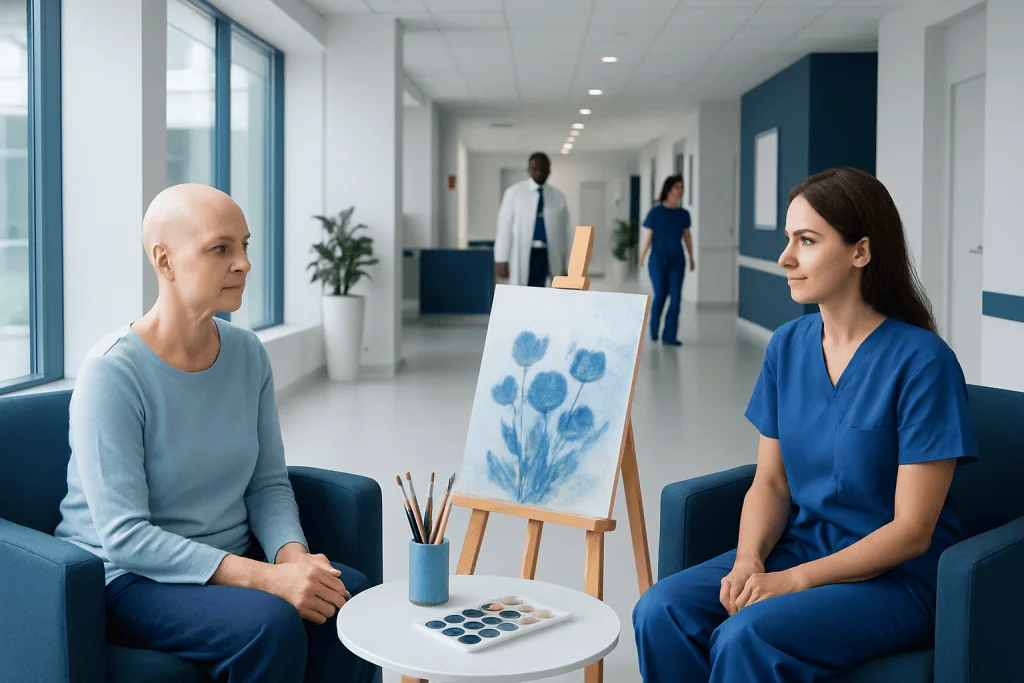
Art therapy for cancer patients is a mental health and supportive-care approach that combines creative activity with guidance from a trained art therapist. It can help a person explore feelings that may be difficult to put into words, including fear, grief, anger, body-image concerns, hope and uncertainty. The activity may involve paint, pencils, collage, photography, textiles, clay or digital media, depending on the person’s interests and physical abilities.
It is important to distinguish art therapy from recreational arts and crafts. Creative activities can be enjoyable on their own, while clinical art therapy is facilitated by a credentialed professional who uses the creative process to support emotional, social and psychological needs. A session may include making art, discussing the experience and identifying practical coping strategies.
Art therapy is considered complementary care. It may be offered alongside cancer treatment and other services such as counseling, rehabilitation, nutrition support and symptom management. It does not shrink tumors, cure cancer or replace chemotherapy, surgery, radiotherapy, immunotherapy or follow-up care recommended by an oncology team.
How Art Therapy Works During Cancer Care
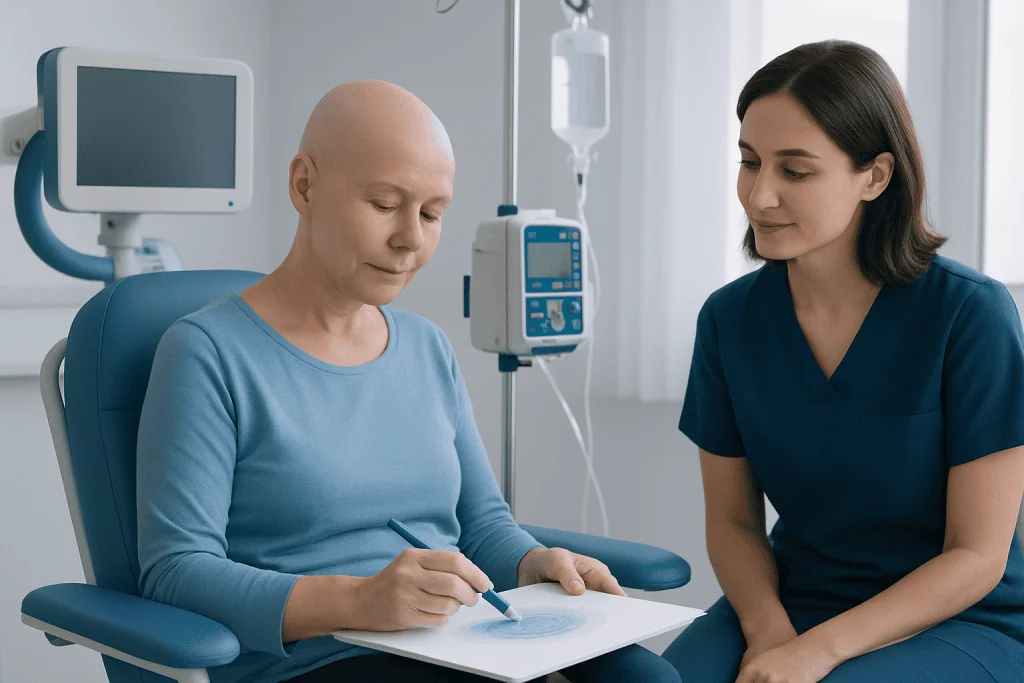
A cancer diagnosis and treatment can affect daily routines, relationships, independence and sense of identity. Some people find it easier to begin with color, shape or images than with a direct conversation about these experiences. Art making can create a structured, private way to notice emotions and communicate them at a manageable pace.
The therapist does not interpret artwork as a diagnostic test or judge its quality. Instead, they invite the person to describe what they created, what it means to them and how the process felt. This can support emotional awareness, relaxation, problem-solving and communication with family members or health professionals when appropriate.
Sessions can take place one-to-one, in groups, at a hospital, outpatient center, hospice program or online. A therapist can adapt the materials for fatigue, pain, limited mobility, vision changes or treatment-related neuropathy. For example, larger-handled tools, simple collage materials or shorter activities may make participation more comfortable.
Who May Benefit and What to Expect Step by Step
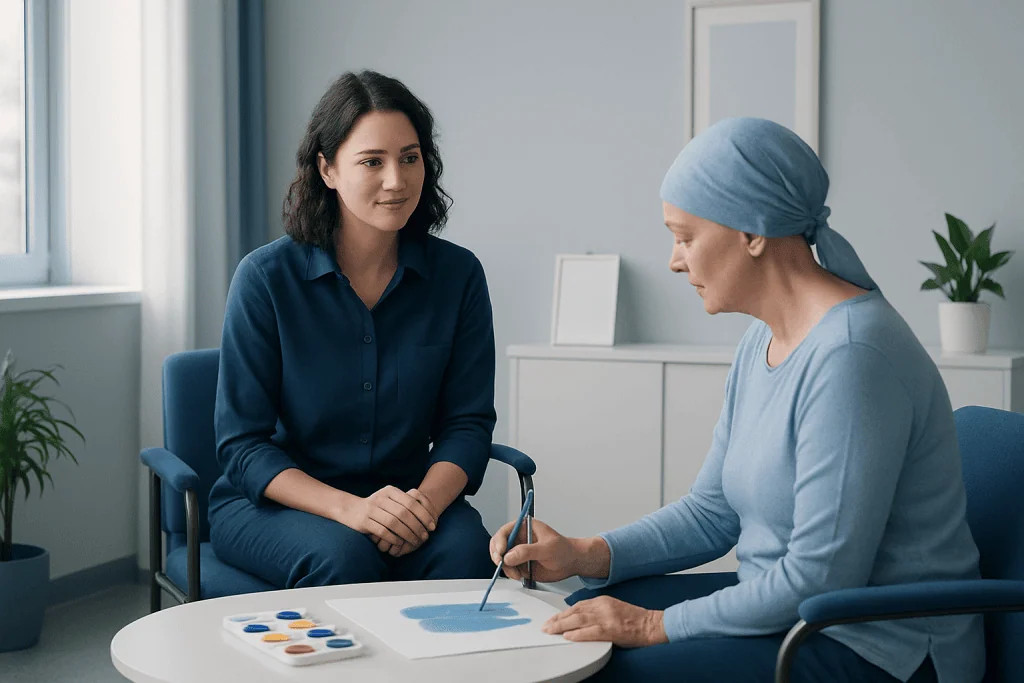
Art therapy may be suitable for adults, teenagers and children at many points in the cancer journey, including after diagnosis, during active treatment, in survivorship and during palliative or end-of-life care. It can be particularly useful for people who feel overwhelmed, isolated, anxious, low in mood or uncertain about how to discuss their experience. Participation is voluntary, and a person does not need artistic talent, previous experience or a wish to talk extensively.
Before starting, the art therapist usually discusses the person’s goals, current treatment, energy level, preferences and any practical needs. Goals may include reducing situational stress before an infusion, finding ways to cope with a changed body image, supporting a child’s understanding of treatment or creating a meaningful record of a cancer experience.
A typical session begins with a brief check-in and a choice of materials or a simple prompt. The person then creates for part of the session, with support available but no pressure to complete a particular task. Afterwards, they may reflect on the process, share as much or as little as they wish and agree on a focus for a future session. Sessions often last around 30 to 60 minutes, but timing and frequency are flexible.
Art therapy may be recommended as part of comprehensive supportive oncology care. It can complement psychological counseling, but it is not always a substitute for assessment or treatment of clinical depression, trauma-related symptoms, substance use concerns or severe anxiety disorders.
Potential Benefits, Limits and Risks
Research suggests that creative arts therapies may help some people with cancer experience short-term improvements in anxiety, mood, stress and quality of life. Some individuals also report better relaxation, a sense of connection and improved ability to express difficult experiences. Benefits vary, and outcomes may depend on the person’s needs, treatment stage, access to regular sessions and relationship with the therapist.
Art therapy may support coping with physical symptoms indirectly. A calming, absorbing activity can shift attention away from discomfort or distress for a time, but it should not be relied on to control severe pain, breathlessness, vomiting, fever or other medical symptoms. These concerns should be assessed by the cancer care team.
The approach is generally low risk when it is adapted appropriately. However, creative work can bring up intense feelings, memories or fears. A qualified therapist helps pace the session and provide emotional support. People with weakened immunity should use clean, appropriate materials, and those with skin sensitivity or open wounds should avoid materials that could irritate the skin or carry infection risk.
If a person feels more distressed after a session, they should tell the therapist and oncology team. The plan can be modified, paused or combined with other forms of mental health support. There is no obligation to share personal artwork or discuss content that feels private.
How Long Does Art Therapy Take to Be Effective?
There is no fixed timetable for art therapy to be effective. Some people feel calmer or more settled after one session, particularly when art making is used for relaxation during a stressful appointment. Others need several sessions before they feel comfortable with the process or notice changes in coping, confidence or emotional expression.
The therapist and patient can review goals over time. A short course may focus on a specific challenge, such as preparing for treatment or managing adjustment after surgery. Longer-term work may be helpful when cancer has had an ongoing impact on mood, identity, relationships or family life.
Effectiveness should not be measured by artistic improvement or by whether difficult feelings disappear. A more useful measure is whether the person feels heard, gains practical ways to cope and finds the sessions meaningful. If art therapy is not a good fit, another supportive approach may be more appropriate.
Can Metastatic Cancer Go Into Remission?
Metastatic cancer means that cancer has spread from its original site to distant parts of the body. Whether it can go into remission depends on the cancer type, its biology, where it has spread, available treatments and the individual response to treatment. Some metastatic cancers can have a partial or complete response, and some people experience long periods when disease is controlled or not detectable on scans.
In many cases, metastatic cancer is treated as a long-term condition that can be managed rather than cured. Newer systemic treatments have improved outcomes for some cancers, but the outlook is highly individual. The oncology team is best placed to explain treatment aims, scan results and what terms such as remission, response, stable disease and progression mean in a specific situation.
Art therapy can be valuable for a person living with metastatic cancer because it supports emotional wellbeing and communication, but it does not alter the course of the disease. Palliative care and psychosocial support can be introduced at any stage to help manage symptoms, stress and quality-of-life needs alongside cancer-directed treatment.
How Long Does It Take to Recover From Cancer Treatment?
Recovery from cancer treatment varies widely. It depends on the type and stage of cancer, treatments received, treatment duration, other health conditions and whether there are lasting side effects. Some effects, such as temporary tiredness or nausea, may improve in days or weeks after a treatment cycle, while recovery after major surgery, radiotherapy or intensive systemic therapy can take months.
Fatigue, changes in concentration, altered sleep, emotional adjustment and rebuilding physical strength may continue after treatment ends. Follow-up appointments help the clinical team monitor recovery, address late effects and support a gradual return to work, family activities and exercise when medically appropriate. Rehabilitation, counseling and supportive therapies can be useful parts of this process.
There is no single “normal” recovery schedule. Patients should avoid comparing their progress with others and should tell their team about symptoms that persist, worsen or interfere with everyday life. Individualized advice is particularly important after complex surgery, stem cell transplantation or treatment for advanced cancer.
How Many Times Can You Have Chemotherapy in a Lifetime?
There is no universal lifetime number of times a person can receive chemotherapy. Decisions are based on the specific medicines used, the cancer type, prior responses, current health, blood test results and the risk of side effects. Chemotherapy is often given in planned cycles, and the total number of cycles is selected according to the treatment goal and evidence for that cancer.
Some chemotherapy medicines have cumulative limits because repeated exposure can increase risks to organs such as the heart, kidneys, nerves or bone marrow. Other medicines may be used again later if they remain appropriate and safe. Oncologists monitor for side effects and may adjust treatment, change medicines or pause therapy when needed.
A person who has received chemotherapy before should ensure the current oncology team has a complete treatment history. This includes drug names if available, past radiation therapy, surgery, treatment reactions and any ongoing side effects. Questions about future treatment choices should be discussed directly with a medical oncologist.
When to Seek Medical Care and Finding Support
People receiving cancer treatment should contact their oncology team promptly for a fever, chills, new shortness of breath, chest pain, uncontrolled pain, persistent vomiting, severe diarrhea, unusual bleeding, confusion, sudden weakness or symptoms of infection. The team may provide specific emergency instructions based on the treatment being received. Urgent mental health support is also needed for thoughts of self-harm, inability to stay safe or severe distress.
For non-urgent emotional concerns, patients can ask their oncologist, oncology nurse, psychologist or social worker about referral to a qualified art therapist. It is reasonable to ask about the therapist’s credentials, experience with cancer care, session format, accessibility needs and how art therapy fits with other support services.
Family members and caregivers may also benefit from creative support, counseling or caregiver groups. Cancer affects the wider household, and addressing emotional needs can help people feel more able to navigate appointments, treatment decisions and everyday changes.
Acibadem International’s multidisciplinary specialists and JCI-accredited hospitals provide cancer diagnosis and treatment for international patients, with supportive-care needs considered alongside the medical treatment plan.
Frequently asked questions
Is art therapy the same as taking an art class?
Not exactly. Both can be enjoyable and creative, but art therapy is led by a qualified art therapist and is designed to support emotional, psychological or social needs. The emphasis is on the process and personal meaning of creating rather than artistic technique or the finished work.
Do cancer patients need to be good at art to try art therapy?
No. Art therapy does not require drawing ability, artistic training or previous experience. The therapist can offer simple materials and adapt activities to the person’s energy, mobility and preferences.
Can art therapy cure cancer or replace chemotherapy?
No. Art therapy is a complementary supportive therapy and does not cure cancer, shrink tumors or replace medical oncology treatment. It may be used alongside chemotherapy, surgery, radiation therapy and other treatments to support wellbeing.
Can art therapy be done during chemotherapy?
In many cases, yes, if the person feels well enough and the treatment center offers the service. Sessions can be shortened and adapted for fatigue, nausea, pain or limited movement. The oncology team can advise whether any infection-control or safety precautions are needed.
How often should a cancer patient attend art therapy?
The best frequency depends on the individual’s goals, treatment schedule, energy and access to services. Some people benefit from one session around a stressful treatment period, while others choose weekly or periodic sessions over several months. The plan can be adjusted as needs change.
What should a patient do if art therapy brings up difficult emotions?
Difficult emotions can arise when someone is processing a cancer diagnosis or treatment experience. The person should tell the art therapist, who can slow down, change the activity or provide grounding support. Severe distress, hopelessness or thoughts of self-harm should be shared promptly with the oncology team or an urgent mental health service.
References
- American Cancer Society
- National Cancer Institute
- American Art Therapy Association
- World Health Organization
- National Center for Complementary and Integrative Health
This article is for general information only and is not a substitute for professional medical advice. Please consult a qualified doctor about your individual situation.
Oncology care in Turkey — second opinion and treatment plan
JCI-accredited · board-certified surgeons · reply within 24h
Add us as a Preferred Source to see more of our trusted health content across Google Search, AI Overviews and Discover.