Autism Spectrum Disorder in Children: Early Signs and Diagnosis
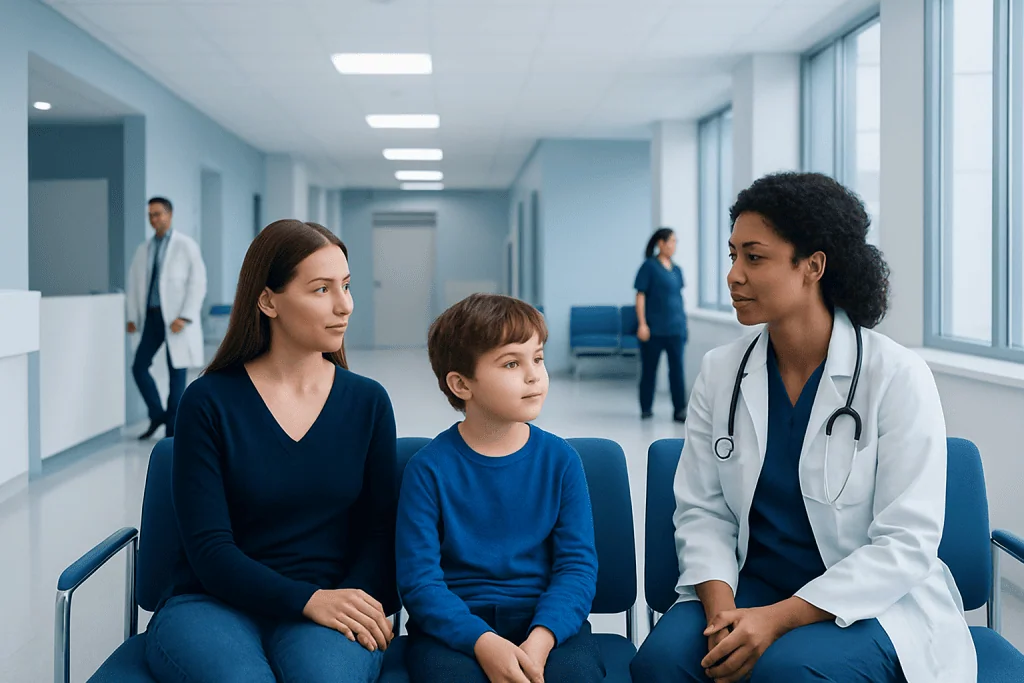
Autism spectrum disorder can look different in every child and may range from mild to more noticeable challenges. Early signs often involve communication, social interaction, play, sensory responses, or repetitive behaviors.
Key Takeaways
- Autism spectrum disorder can look different in every child and may range from mild to more noticeable challenges.
- Early signs often involve communication, social interaction, play, sensory responses, or repetitive behaviors.
- Diagnosis is based on developmental history, observation, and specialist assessment rather than a single medical test.
- Early intervention can help build communication, daily living, learning, and social skills.
- Parents should speak with a pediatrician if developmental milestones, behavior, or interaction patterns cause concern.
Autism spectrum disorder in children is a developmental condition that affects communication, social interaction, and behavior in different ways from one child to another. Recognizing early signs and seeking a timely evaluation can help children and families access support, therapies, and educational planning sooner.
Overview
Autism spectrum disorder in children is a neurodevelopmental condition. It affects how a child communicates, interacts with others, learns, and responds to the world around them. The word “spectrum” means that autism can present in many different ways, with differences in strengths, needs, and daily functioning from one child to another.
Some children show clear signs in the first years of life, while in others the differences may become more noticeable later, especially when social and language demands increase. A child with autism may have challenges with eye contact, gestures, conversation, flexible play, or coping with change. At the same time, many children also have strong interests, excellent memory for details, or unique ways of learning.
Autism is not caused by parenting style, and it is not a condition a child simply “outgrows.” However, with understanding, structured support, and therapies tailored to the child’s needs, many children make meaningful progress in communication, social participation, and daily routines. Early recognition gives families a valuable opportunity to understand their child better and plan the next steps.
Early Signs and Symptoms
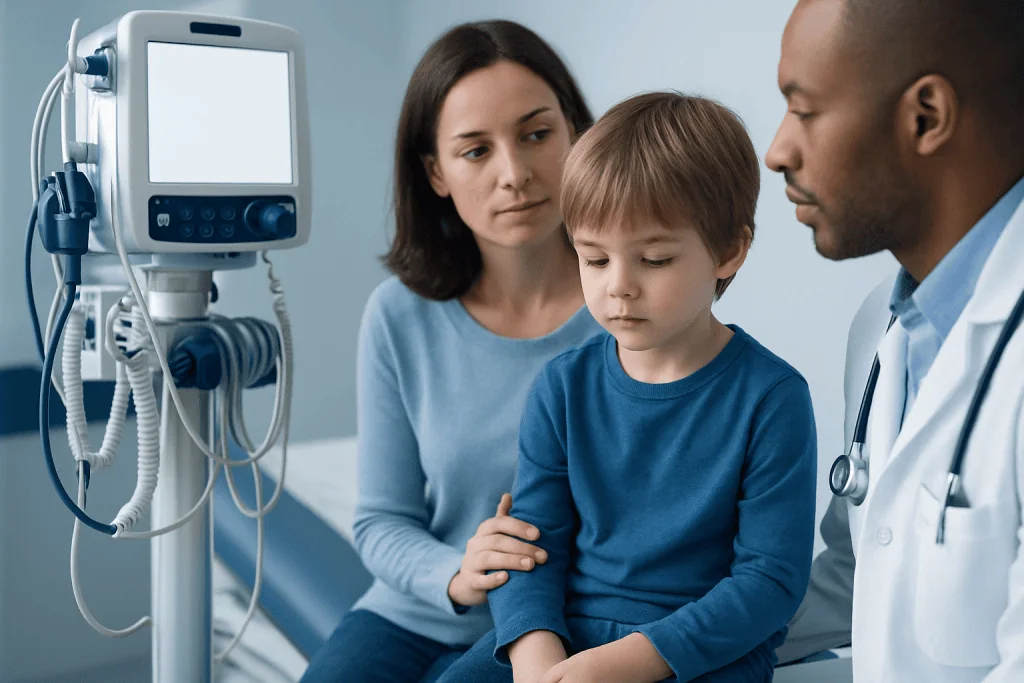
Early signs of autism spectrum disorder in children can vary widely. Some children may speak later than expected, while others develop words on time but struggle with back-and-forth communication. Parents may notice that a child does not respond consistently to their name, does not point to share interest, or seems less interested in social games such as peekaboo or imitation.
Social communication differences are often among the earliest clues. A child may avoid or use limited eye contact, seem less aware of other people’s feelings, prefer to play alone, or have difficulty understanding facial expressions and gestures. In older children, this may appear as trouble making friends, keeping conversations going, or understanding social rules.
Behavioral and sensory differences are also common. A child may repeat certain movements such as hand flapping, lining up toys, or spinning objects. They may become upset by changes in routine, focus intensely on specific interests, or react strongly to sounds, lights, textures, smells, or food preferences. These patterns do not confirm autism on their own, but they can be important signs to discuss with a doctor.
- Limited eye contact or reduced response to name
- Delayed speech or unusual language patterns
- Less pointing, waving, or showing objects to others
- Repetitive movements or repeated play patterns
- Strong need for routine or distress with change
- Unusual sensitivity to sound, touch, taste, or light
Causes and Risk Factors
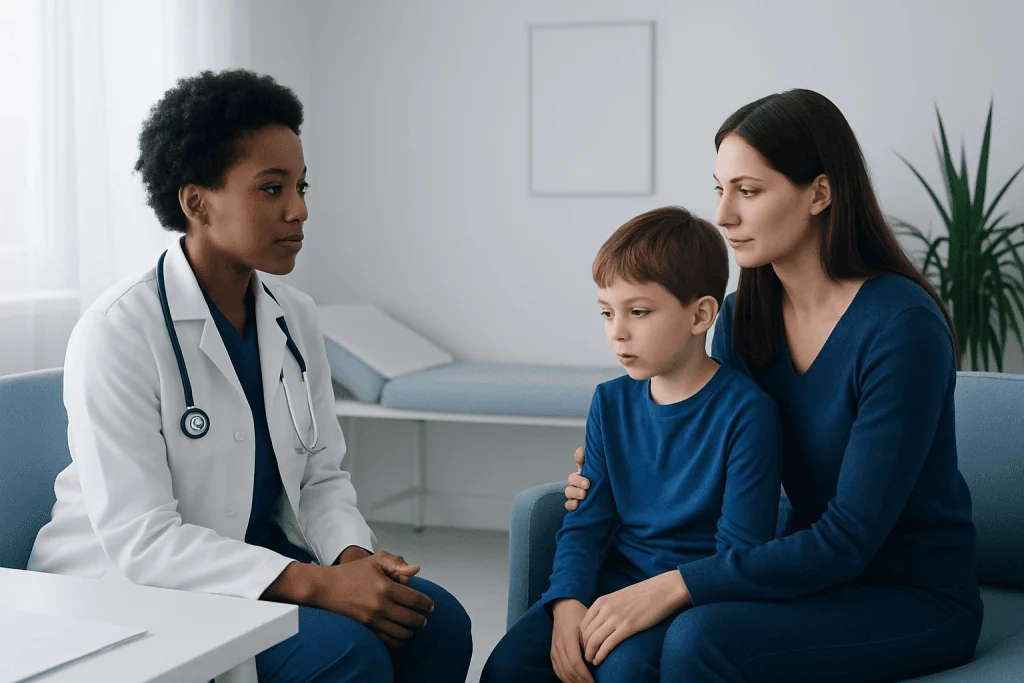
The exact causes of autism spectrum disorder are not fully understood, but research shows that it is related to differences in early brain development. Autism is believed to result from a combination of genetic and environmental influences that affect development before and around birth. It is not caused by vaccines, and current scientific evidence does not support a link between vaccination and autism.
Genetics play an important role. Autism can run in families, and some children with autism have known genetic syndromes or gene changes associated with developmental differences. Environmental factors under study may include certain influences during pregnancy or birth, but in most cases there is no single clear cause that can be identified for an individual child.
Some factors are associated with a higher likelihood of autism, though they do not mean a child will definitely develop it. These may include having a sibling with autism, certain genetic conditions, premature birth, or older parental age. Risk factors are only part of the picture, and diagnosis still depends on a child’s developmental pattern and specialist assessment.
How Autism Is Diagnosed
There is no single blood test or scan that diagnoses autism spectrum disorder in children. Diagnosis is based on a detailed review of the child’s development, behavior, communication, and social interaction. The process usually begins when a parent, teacher, or pediatrician notices possible signs and recommends a more formal developmental assessment.
Pediatricians often use developmental surveillance during routine visits and may use screening questionnaires at key ages. If screening raises concerns, the child may be referred to specialists such as a developmental pediatrician, child neurologist, child psychiatrist, psychologist, or speech and language therapist. Hearing tests are also important because hearing problems can affect language and social responses.
A full assessment may include interviews with parents, direct observation of the child, play-based evaluation, and testing of language, learning, and adaptive skills. Doctors also consider whether symptoms may overlap with or relate to other conditions, such as attention difficulties, language disorder, intellectual disability, anxiety, or attention-deficit/hyperactivity disorder. In some cases, additional evaluation in neurology or genetic counseling may be recommended if there are other developmental or medical concerns.
Receiving a diagnosis can feel emotional for families, but it can also bring clarity. A diagnosis helps explain a child’s pattern of strengths and challenges, guides access to therapies and school support, and helps parents make informed decisions about care.
Treatment and Support Options
Autism spectrum disorder does not have a single cure, but many supportive treatments can improve a child’s communication, learning, behavior, and quality of life. Care is individualized. The best plan depends on the child’s age, language level, daily challenges, strengths, and whether any other developmental or medical conditions are present.
Early intervention is often one of the most important steps. This may include speech and language therapy, occupational therapy, behavioral and developmental therapies, parent training, and educational support. When a child has delays in understanding or expressing language, speech and language therapy can help develop communication skills, including nonverbal communication when needed. If sensory processing, fine motor tasks, or daily routines are difficult, occupational therapy may help improve function and independence.
Some children benefit from structured behavioral approaches that teach communication, social, and self-care skills in small, manageable steps. Support at school may include individualized education plans, visual schedules, and classroom strategies that reduce stress and improve participation. Family guidance is also valuable, because consistent routines and communication strategies at home can reinforce progress made in therapy.
There is no single medicine that treats autism itself. However, a doctor may consider medication for related symptoms in some children, such as significant anxiety, sleep difficulties, severe irritability, or attention problems. If there are concerns about seizures, developmental regression, or other neurological symptoms, specialist evaluation may be needed, sometimes through pediatric neurology services.
Prevention, Self-care, and Daily Support for Families
Autism cannot usually be prevented because it is linked to neurodevelopmental differences rather than a specific avoidable cause. What families can do is support healthy development, attend regular well-child visits, and respond early if concerns arise. Early screening and timely referral are practical ways to reduce delays in getting help.
At home, simple routines can make daily life easier. Many children with autism do well with predictable schedules, clear instructions, visual supports, and time to prepare for transitions. Parents may find it helpful to observe what triggers distress or overload and adjust the environment when possible, such as reducing noise, introducing changes gradually, or creating a calm space.
Support should also focus on strengths. Encouraging shared play, celebrating small gains, and building on a child’s interests can improve motivation and learning. Caregivers should also remember their own wellbeing. Raising a child with extra needs can be demanding, and guidance from therapists, support groups, schools, and pediatric specialists can make everyday challenges more manageable.
When to See a Doctor
Parents should speak with a pediatrician if they notice developmental differences or feel that something is not progressing as expected. It is appropriate to ask for an evaluation if a child has delayed speech, limited eye contact, little interest in social interaction, repetitive behaviors, loss of previously learned skills, or very strong reactions to sensory input.
It is especially important to seek medical advice if a child stops using words they once had, loses social engagement, or shows any sudden developmental regression. A doctor should also assess concerns such as seizures, major sleep problems, feeding difficulties, or behavior that puts the child or others at risk.
Timely evaluation does not label a child unfairly; it helps identify what support may be useful. If autism is diagnosed, families can work with specialists to create a practical care plan. Acibadem International’s multidisciplinary specialists in JCI-accredited hospitals also diagnose and support children with developmental conditions, including autism, for international patients.
Frequently asked questions
At what age can autism spectrum disorder be noticed in children?
Signs can sometimes be noticed in infancy or the toddler years, especially in social communication and play. In some children, differences become clearer later, when language and social expectations increase. If parents are concerned at any age, a pediatric evaluation is appropriate.
Does delayed speech always mean a child has autism?
No. Delayed speech can have many causes, including hearing problems, language disorder, or general developmental delay. Autism is considered when speech delay occurs along with social communication differences, repetitive behaviors, or sensory patterns.
How is autism different from ADHD?
Autism mainly affects social communication, behavior patterns, and flexibility, while ADHD mainly involves attention, impulsivity, and hyperactivity. Some children have features of both conditions, which is why a full developmental assessment is important.
Can autism be diagnosed with a scan or lab test?
No single scan, blood test, or laboratory test can diagnose autism. Diagnosis relies on developmental history, observation, and assessments by qualified professionals. Additional tests may be used only to look for related medical issues.
What should parents do if they suspect autism?
They should discuss their concerns with the child’s pediatrician as soon as possible. The doctor may perform screening and refer the child for developmental, speech, hearing, or specialist assessment. Early action can help families access support sooner.
Can children with autism improve over time?
Yes, many children make meaningful progress with the right support. Early intervention, consistent routines, communication strategies, and therapies tailored to the child’s needs can improve daily functioning and participation. Progress looks different for every child.
References
- World Health Organization
- Centers for Disease Control and Prevention
- American Academy of Pediatrics
- National Institute of Mental Health
- National Autistic Society
This article is for general information only and is not a substitute for professional medical advice. Please consult a qualified doctor about your individual situation.
Autism Spectrum in Turkey — costs, top hospitals & a free quote
JCI-accredited · board-certified surgeons · reply within 24h
Add us as a Preferred Source to see more of our trusted health content across Google Search, AI Overviews and Discover.

Neurology
Diagnosis and treatment of disorders of the brain, spinal cord, nerves and muscles.
51 specialists in this unit