Automatonophobia — Explained by Medical Evidence, Not Myths
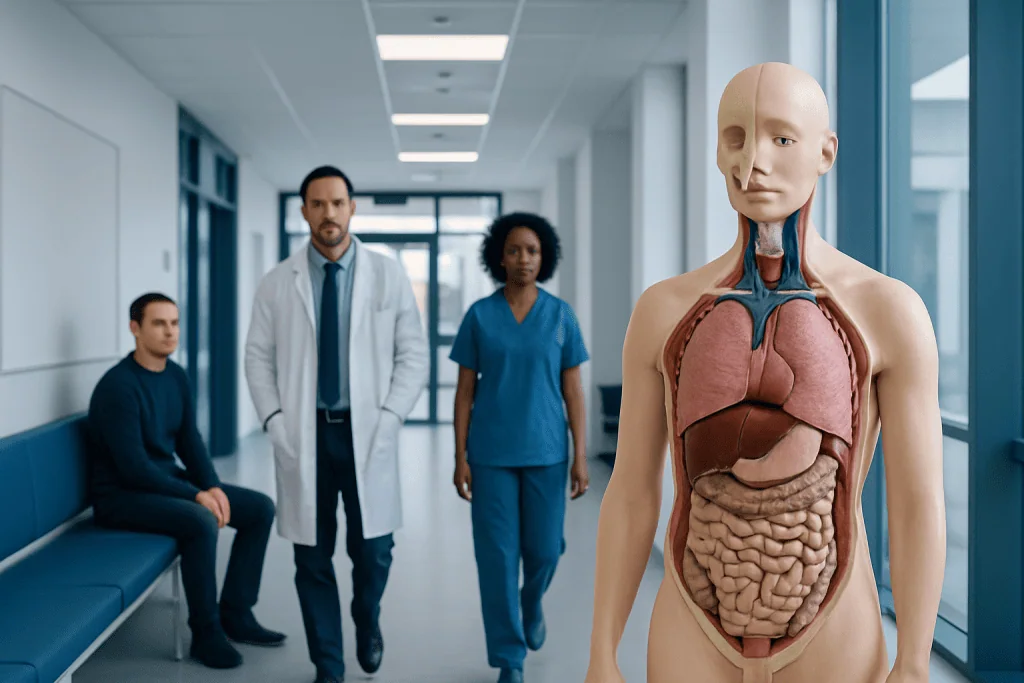
Automatonophobia describes fear of human-like nonliving or mechanical figures, rather than a formal standalone diagnosis. A phobia involves fear that is persistent, difficult to control, and out of proportion to the actual danger.
Key Takeaways
- Automatonophobia describes fear of human-like nonliving or mechanical figures, rather than a formal standalone diagnosis.
- A phobia involves fear that is persistent, difficult to control, and out of proportion to the actual danger.
- Symptoms can include panic-like physical sensations, avoidance, distressing thoughts, and interference with work, travel, shopping, or social life.
- Assessment focuses on the person’s symptoms, triggers, avoidance patterns, and the effect on daily functioning.
- Cognitive behavioral therapy, especially gradual exposure therapy, is commonly used and can be effective for specific phobias.
- Professional support is appropriate when fear leads to significant avoidance, panic symptoms, or reduced quality of life.
Automatonophobia is a strong fear response to human-like but nonhuman figures, including mannequins, wax figures, dolls, statues, robots, or animatronics. Although the term is widely used, clinicians usually assess it within the broader category of specific phobia when the fear causes distress or affects everyday life.
Overview: what is automatonophobia?
Automatonophobia is an intense fear of human-like figures that are not living people. Triggers may include mannequins, wax museum figures, dolls, statues, masks, robots, animatronics, or realistic digital characters. The fear can range from discomfort and unease to overwhelming anxiety or panic when a person sees, anticipates, or thinks about these objects.
Automatonophobia is not generally listed as a separate diagnosis in major psychiatric diagnostic manuals. When symptoms are persistent, disproportionate to the actual risk, and disruptive to daily life, a clinician may consider it a form of specific phobia, often within the “other” type. This classification helps guide assessment and treatment; it does not mean that a person’s experience is unusual or invalid.
Many people feel briefly unsettled by lifelike figures, particularly when their expressions or movements seem almost human but not quite natural. A phobia is different: the response is strong, difficult to manage, and may lead to extensive avoidance. Effective support is available, and treatment is intended to help a person feel safer and more in control around feared situations.
How automatonophobia may feel
The reaction may begin immediately upon seeing a trigger, or it may arise beforehand when a person expects to encounter one. Someone may feel an urgent need to leave a shop with mannequins, avoid museum exhibits, skip a theme-park attraction, or feel distressed by images or videos featuring dolls, robots, or statues. Triggers and their intensity vary considerably from one person to another.
Anxiety activates the body’s normal threat-response system. Possible physical symptoms include a racing heartbeat, sweating, shaking, nausea, dizziness, chest tightness, shortness of breath, dry mouth, or a feeling of being detached from surroundings. These sensations can feel frightening, but they are common features of anxiety and do not by themselves indicate danger.
Thoughts may include fears that the figure could move unexpectedly, look at the person, cause harm, or seem disturbingly alive. Some people recognize that these fears are unlikely while still finding the emotional and physical response very hard to stop. Others mainly experience a strong feeling of disgust, unease, or loss of control rather than a clear belief that the object is dangerous.
- Mild discomfort may be manageable and have little effect on life.
- Clinically significant fear is more likely when avoidance, distress, or anticipatory anxiety limits normal activities.
- Panic attacks can occur with a phobia, but having a panic attack does not automatically mean a person has panic disorder.
Why does this fear develop? Evidence and common myths

There is no single proven cause of automatonophobia. Specific phobias are thought to develop through a combination of temperament, learning experiences, family influences, and the way the brain responds to perceived threat. A distressing encounter, such as being startled by an animatronic figure in childhood, may contribute for some people. For others, the fear develops gradually without one memorable event.
People can also learn fears by observing another person’s anxious response or by repeatedly hearing that something is dangerous. A general tendency toward anxiety, sensitivity to bodily sensations, or a family history of anxiety conditions may increase vulnerability. These factors do not determine that someone will develop a phobia, and they are not a sign of weakness or a personal failing.
The “uncanny valley” is a popular concept suggesting that nearly human-looking figures can create unease when they appear realistic but still seem unnatural. It may help explain why certain designs feel uncomfortable to some people, but it does not diagnose automatonophobia or prove why an individual develops a phobia. Likewise, enjoying horror films, being imaginative, or having a dislike of dolls does not by itself mean someone has a mental health condition.
It is also a myth that people should simply force themselves to face a feared object without preparation. Sudden, unsupported confrontation can be highly distressing and may reinforce avoidance. Planned, gradual exposure with a trained clinician is a more evidence-based approach when treatment is needed.
How clinicians assess the problem
There is no blood test, scan, or single questionnaire that can diagnose automatonophobia. A qualified mental health professional usually asks about the feared objects or situations, the physical and emotional response, when symptoms began, how often they occur, and whether the person avoids places or activities because of the fear.
Assessment also considers whether the fear is out of proportion to the actual risk, lasts over time, and creates meaningful distress or difficulty in daily functioning. For a specific phobia diagnosis, clinicians generally look for a persistent pattern rather than a brief reaction to an upsetting event. The person’s age, culture, health history, and current circumstances are all relevant.
A clinician may also check for related or overlapping concerns, such as social anxiety, obsessive-compulsive symptoms, trauma-related symptoms, depression, or broader panic symptoms. This is not to label every fear as an illness; it helps ensure that the care plan matches the person’s actual needs. If anxiety symptoms are new, severe, or accompanied by concerning physical symptoms, a medical assessment may be appropriate as well.
Treatment options and practical support
Not everyone who dislikes lifelike figures needs treatment. Support may be helpful when the fear causes substantial distress, restricts choices, or affects school, work, travel, relationships, or family activities. A treatment plan is individualized and should be agreed upon with a qualified clinician.
Cognitive behavioral therapy (CBT) is a well-established treatment for specific phobias. It helps a person understand the connection between triggers, thoughts, physical sensations, and avoidance. Therapy may include learning ways to respond to anxious thoughts, building confidence with coping skills, and reducing behaviors that unintentionally keep the fear going.
Gradual exposure therapy is often a central part of care. With guidance and consent, the person works through a manageable hierarchy of feared situations, beginning with a lower-intensity step, such as discussing a trigger or viewing a simple image. Later steps may involve videos, visiting a location, or standing near a feared object. The goal is not to eliminate all discomfort instantly, but to learn through repeated safe experiences that anxiety can rise and then settle without avoidance.
Medication is not usually the first treatment for an isolated specific phobia, although a doctor may consider it when anxiety is broader, severe, or occurs alongside another condition. Medication decisions require an individual medical review. Acibadem International’s multidisciplinary specialists and JCI-accredited hospitals can assess anxiety-related concerns and coordinate appropriate care for international patients.
Self-care between appointments
Self-care cannot replace professional treatment when fear is significantly limiting life, but it can support recovery. Learning about the body’s anxiety response may reduce the alarm caused by physical sensations. Slow, steady breathing, grounding attention in the present environment, and relaxing tense muscles can help a person remain in a situation long enough for anxiety to begin easing.
It is usually more helpful to take small, planned steps than to avoid every trigger. For example, a person may decide to look at a mildly uncomfortable image for a limited time while practicing calm breathing. The step should feel challenging but manageable. Repeating a step until it becomes easier is generally more useful than moving ahead quickly.
Keeping a brief record of triggers, anxiety levels, thoughts, and what helped can reveal progress over time. Support from a trusted family member or friend may also be useful, especially if that person understands not to pressure, tease, or repeatedly provide reassurance in ways that strengthen avoidance. Good sleep habits, regular movement, and limiting excess caffeine may support overall anxiety management, though they do not directly cure a phobia.
When to seek medical care
A person should consider speaking with a doctor, psychologist, psychiatrist, or other qualified mental health professional when fear of mannequins, dolls, statues, robots, or similar figures causes persistent distress or interferes with everyday activities. Examples include avoiding necessary shopping trips, refusing to attend school or work events, changing travel plans, or experiencing recurrent panic-like episodes.
Professional guidance is also sensible if the fear is becoming broader, if a person relies on alcohol or drugs to manage anxiety, or if symptoms occur alongside low mood, intrusive thoughts, trauma symptoms, or other worries. Early support can prevent avoidance from becoming more entrenched and can help identify the most appropriate approach.
Urgent help is needed if a person has thoughts of self-harm, feels unable to stay safe, or experiences a mental health crisis. Local emergency services or crisis support should be contacted in these circumstances. Chest pain, fainting, severe breathing difficulty, or other new physical symptoms should also be assessed urgently, even if anxiety is suspected, because physical conditions need to be ruled out.
Frequently asked questions
Is automatonophobia a real condition?
Automatonophobia is a commonly used term for fear of human-like nonliving or mechanical figures. It is not usually a separate formal diagnosis, but severe and persistent symptoms may be diagnosed as a specific phobia. A clinician assesses the effect of the fear on the person’s life rather than relying on the label alone.
What objects can trigger automatonophobia?
Possible triggers include mannequins, dolls, wax figures, statues, masks, robots, animatronics, puppets, and highly realistic digital characters. Not every person fears all of these objects. The particular trigger, level of realism, movement, and setting can affect the response.
Is being uncomfortable with mannequins the same as having a phobia?
No. Many people experience mild unease around realistic human-like figures without having a phobia. A specific phobia is more likely when fear is persistent, intense, difficult to control, and causes avoidance or meaningful interference with normal life.
Can automatonophobia cause panic attacks?
Yes, intense exposure to a feared trigger can cause panic-like symptoms, such as a racing heart, shaking, shortness of breath, and a strong urge to escape. These symptoms are part of the body’s alarm response. A healthcare professional can help distinguish a trigger-specific reaction from other anxiety conditions.
What is the best treatment for automatonophobia?
Cognitive behavioral therapy with gradual exposure is commonly considered an effective approach for specific phobias. Treatment is paced carefully and tailored to the individual, beginning with manageable situations rather than forcing sudden confrontation. A clinician may recommend additional support if there are other anxiety or mood symptoms.
Can a child have automatonophobia?
Children can be frightened by dolls, costumed characters, robots, or mannequins, and many fears lessen naturally with reassurance and development. Professional advice can be useful if the fear is intense, lasts for a long time, disrupts school or family activities, or leads to significant distress. Treatment for children typically involves age-appropriate, supportive strategies and family involvement.
This article is for general information only and is not a substitute for professional medical advice. Please consult a qualified doctor about your individual situation.
Explore treatments in Turkey — costs, top hospitals & a free quote
JCI-accredited · board-certified surgeons · reply within 24h
Add us as a Preferred Source to see more of our trusted health content across Google Search, AI Overviews and Discover.

More from the Health Library

Genital Herpes: A Complete Medical Overview

Lip Flip — Explained by Medical Evidence, Not Myths

Phytic Acid: An Evidence-Based Guide for Patients

Green Apples: A Complete Medical Overview

Risks of LED Light Teeth Whitening Treatment